
Decking boards – different types of boards for your deck
Explore the category and get advice on choosing the right products ↓Categories and filters ▾
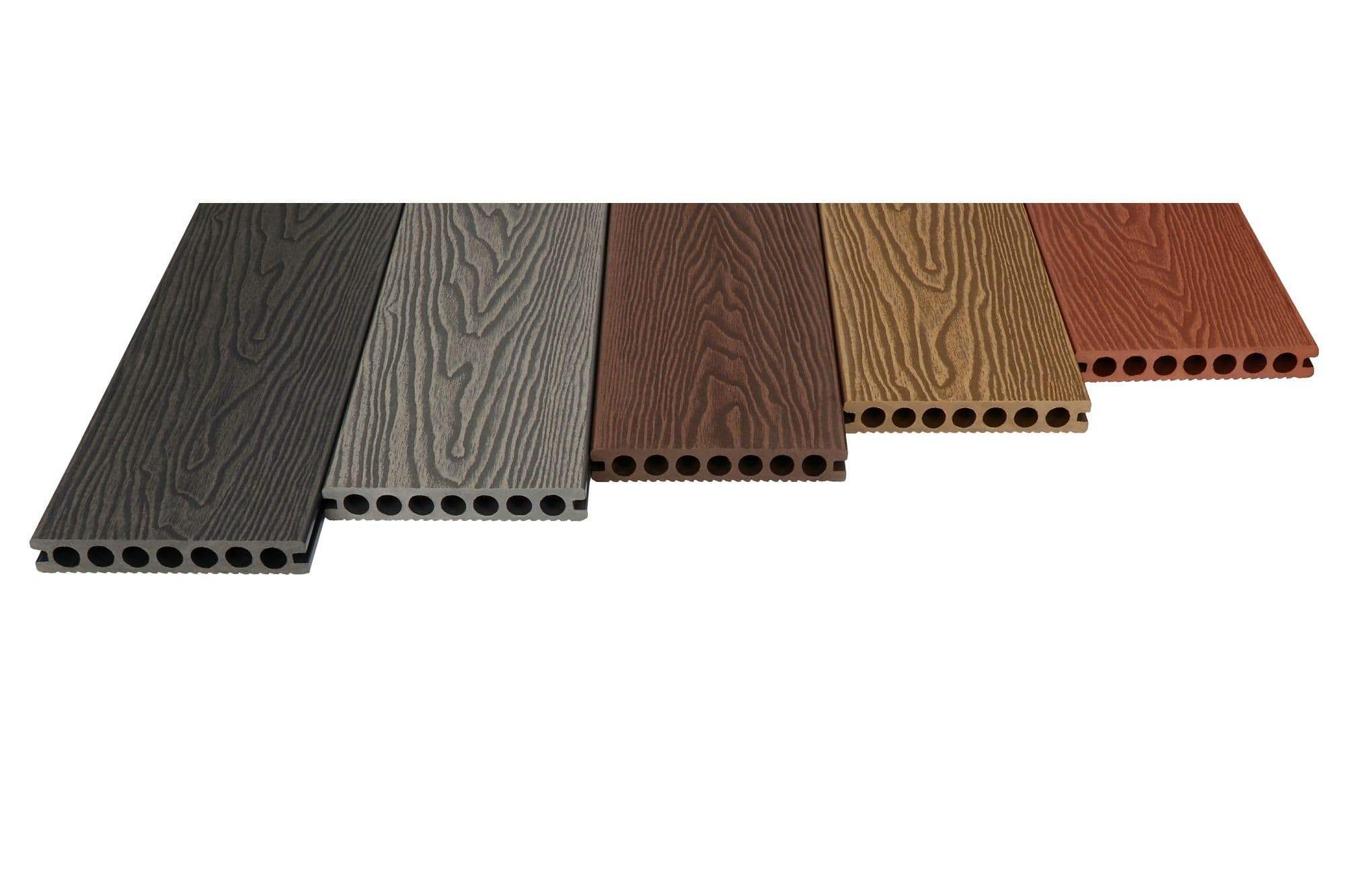 DUO composite decking board 23x148 - 4.5 mPrice for 1 linear metre of decking board: €6.54€29.41Request a quote
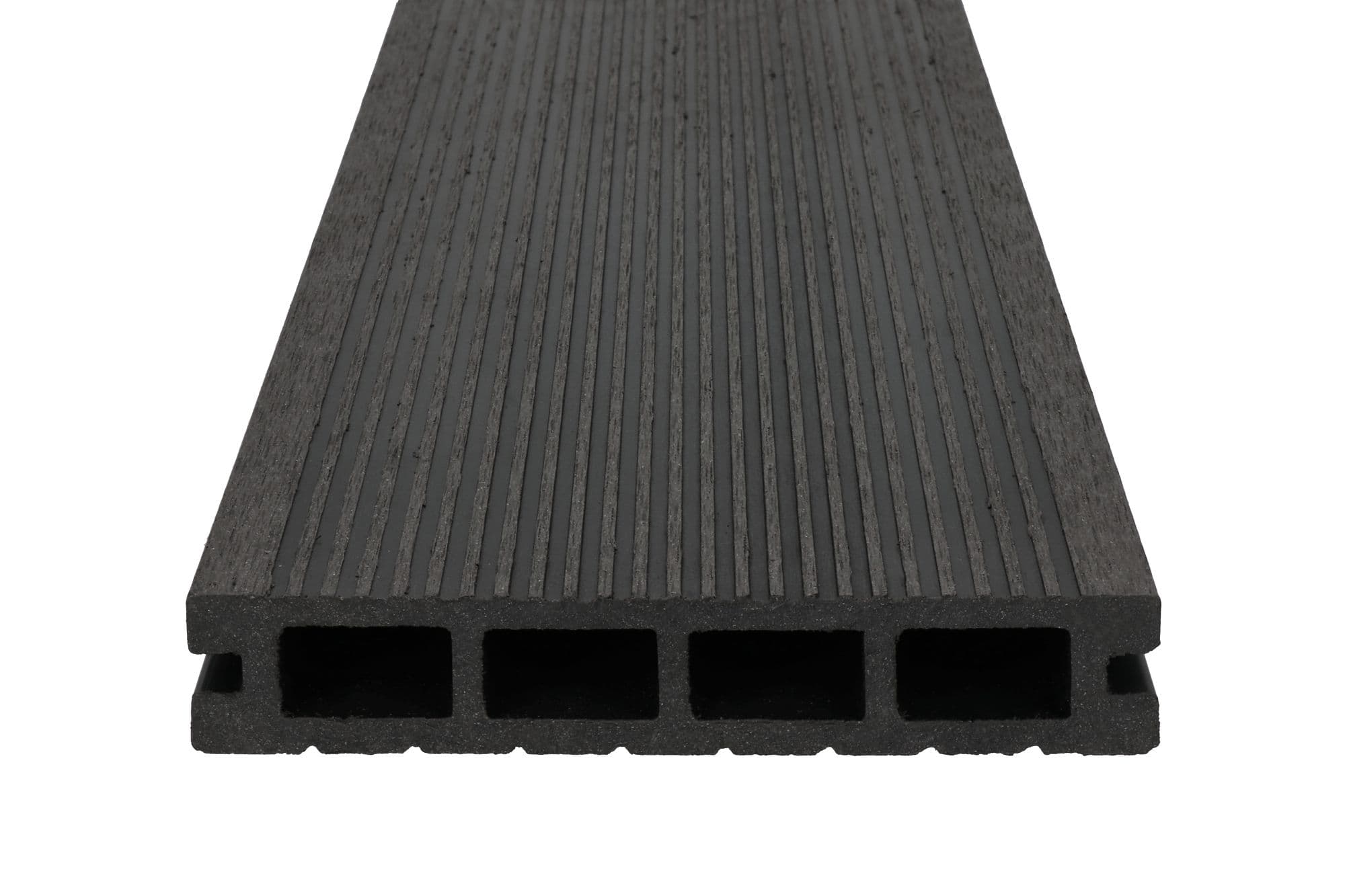 SELECT composite decking board 25x140 - 4.5 mPrice for 1 linear metre of decking board: €5.30€23.85Request a quote
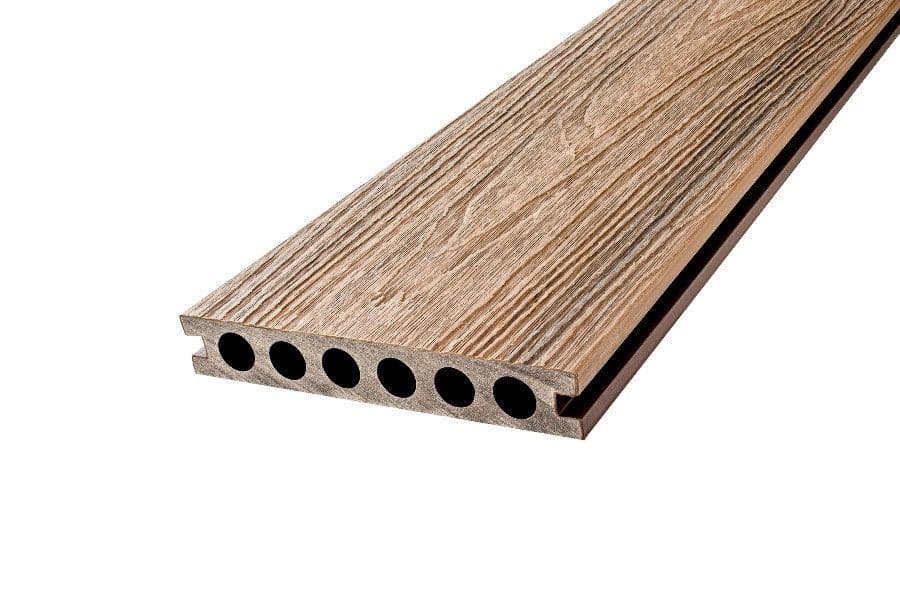 PREMIUM composite decking board 23x138 - 4.5 mPrice for 1 linear metre of decking board: €7.63€34.32Request a quote
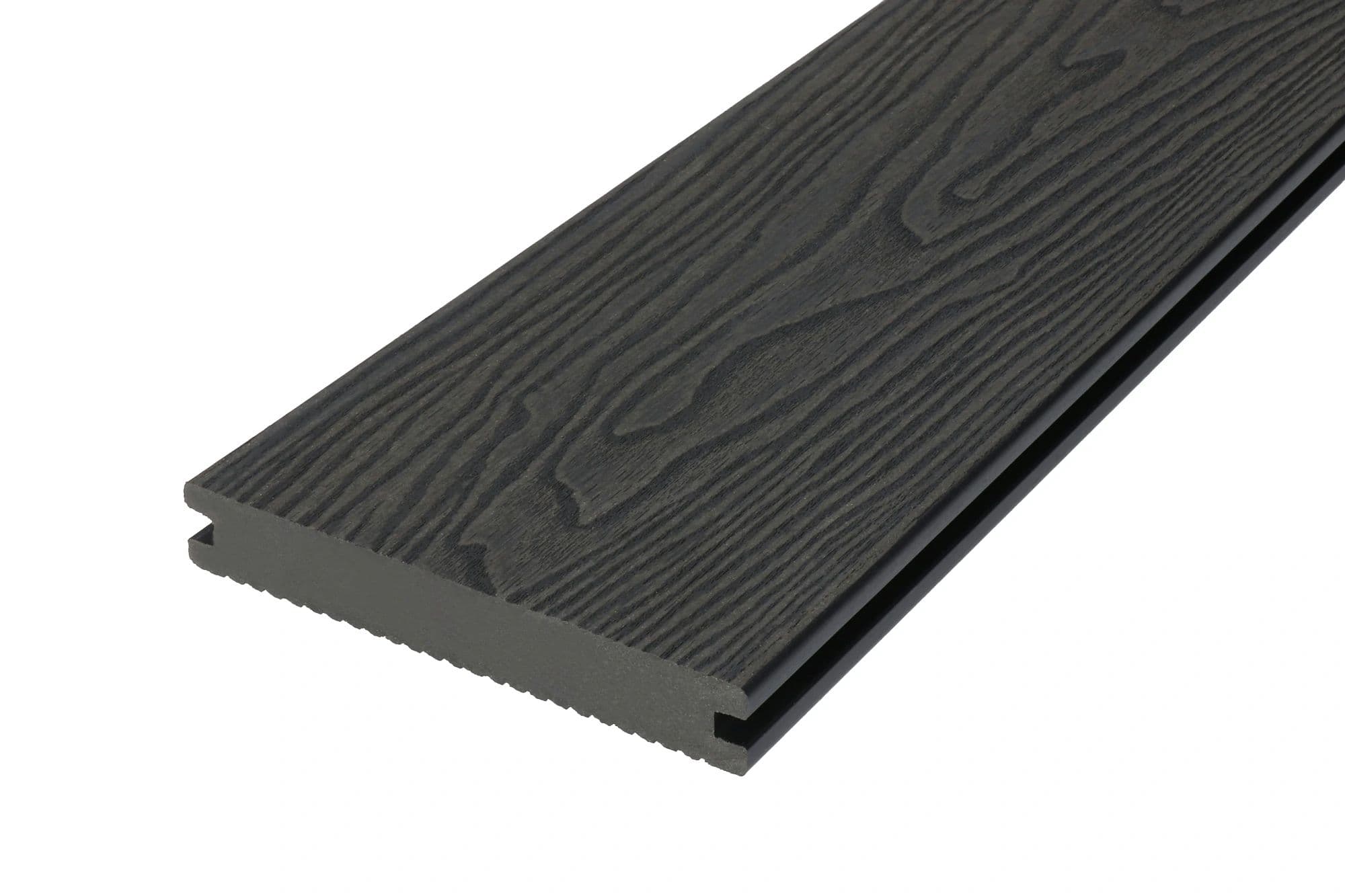 Full Premium composite decking board 20x140 - 4.5 mPrice for 1 linear metre of decking board: €8.21€36.94Request a quote
Products currently unavailable
We retain the descriptions and specifications from our previous range. These products are currently unavailable to order.
About this category: Decking boards – different types of boards for your deckRead more ↓
Decking boards – types, features, installation and maintenance
Decking boards, most commonly made from composite or wood, are a popular choice for people planning to develop their outdoor space. This is a special area that forms a natural extension of the home and lets you enjoy being close to nature, so choosing the right decking boards is just as important as choosing laminate and flooring for your home.
Decking boards and their types
There are two main types of decking boards, which differ in many respects. These are:
- Composite decking boards: made from a mixture of wood and plastics. Weather-resistant, easy to maintain and durable, with a variety of colours and textures. They usually cost more than wooden decking boards.
- Wooden decking boards: made from natural wood, such as pine or spruce. They have a natural wood appearance and are available in a wide range of timber species. The boards can be refurbished by sanding and varnishing. However, they require regular maintenance (oiling and preservative treatment).
Features of decking boards
Although decking boards have many different features worth mentioning, three key aspects stand out as the reasons why these materials are used to build decks. These are:
- durability: the boards are resistant to abrasion, moisture, mould and fungi. Composite decking boards are usually more durable than wooden ones, although properly treated wooden decking boards also offer resistance.
- visual appeal: the choice of colour and texture affects the final appearance of the deck. Composite decking boards offer a wide range of finishes, while wooden decking boards have a natural beauty.
- an environmentally friendly option: wooden decking boards are biodegradable, while composite decking boards can be made from recycled materials.
Installing decking boards
Building a deck should begin with preparing the base, which means ensuring proper drainage and structural stability. The next stage is to install the supporting structure, consisting of joists and beams that will support the decking boards. The joists must be laid parallel to one another and at appropriate intervals. Once they are in place, you can begin laying the boards. The boards are fitted to the joists using special clips, bolts or screws, leaving suitable expansion gaps between the components. Finally, attention should be paid to the finishing touches: protecting the edges and perimeter of the deck and, in the case of wooden decking boards, applying a protective coating.
Maintaining decking boards
Maintenance of decking boards is necessary only for wooden decking boards, which should be regularly treated with preservatives to protect them from the damaging effects of moisture, UV radiation and fungi. Periodic inspections of the condition of the decking boards are also recommended. Composite decking boards do not need preservative treatment or refurbishment. They only require regular cleaning.
Decking boards are an excellent choice for anyone wishing to create attractive and functional outdoor spaces. Choosing the right material, careful installation and regular maintenance all contribute to the longevity and appearance of a deck. Whether you choose composite or wooden decking boards, it is worth investing in high-quality products that will provide satisfaction for many years.
Composite decking board or wooden decking board – which is the better choice?
These are completely different types of material, so it is difficult to give a definitive answer. Neither is better overall, as each has different properties, advantages and disadvantages.
What advantages do decking boards have over other materials?
Decking boards win on appearance. Whether composite or wooden, when laid in a visible part of a terrace or balcony, they catch the eye and look attractive.
Must decking boards always match the colour of the façade?
No, you should choose the colour of composite or wooden decking boards according to your own preferences. They do not have to match the façade, window frames or any other feature. The choice is yours.
Which is better: decking boards or concrete block paving?
Decking boards have their own distinctive charm and add warmth and a natural feel. They look nicer than concrete block paving, which is rather dull, grey and rough.
Why are decking boards the most popular material for building a terrace?
Decking boards have been the most frequently chosen material for years. Both wooden and composite decking boards provide an elegant and durable finish for balconies and terraces.
Do decking boards get hot?
Yes, decking boards do get hot. This applies particularly to composite decking boards, so we recommend choosing light colours for terraces and balconies exposed to strong sunlight.
What type of decking boards should you choose?
We recommend choosing boards according to your own preferences. Composite decking boards are durable and do not require preservative treatment or staining, while wooden decking boards impress with their beautiful, natural appearance.
What length of decking boards should you choose?
You can freely choose the length of your decking boards, whether composite or wooden, from the available options. The longer the board and the fewer spacers it has, the better.
Which joists should you choose for decking boards?
Aluminium joists are the best option, but those looking to save as much as possible can use composite or wooden joists.
What accessories are needed to install decking boards?
Composite decking boards require plastic or stainless steel fixing clips. Wooden decking boards, on the other hand, require fixing screws.