
Aluminium decking joists
Explore the category and get advice on choosing the right products ↓Categories and filters ▾
Categories
Width [mm]
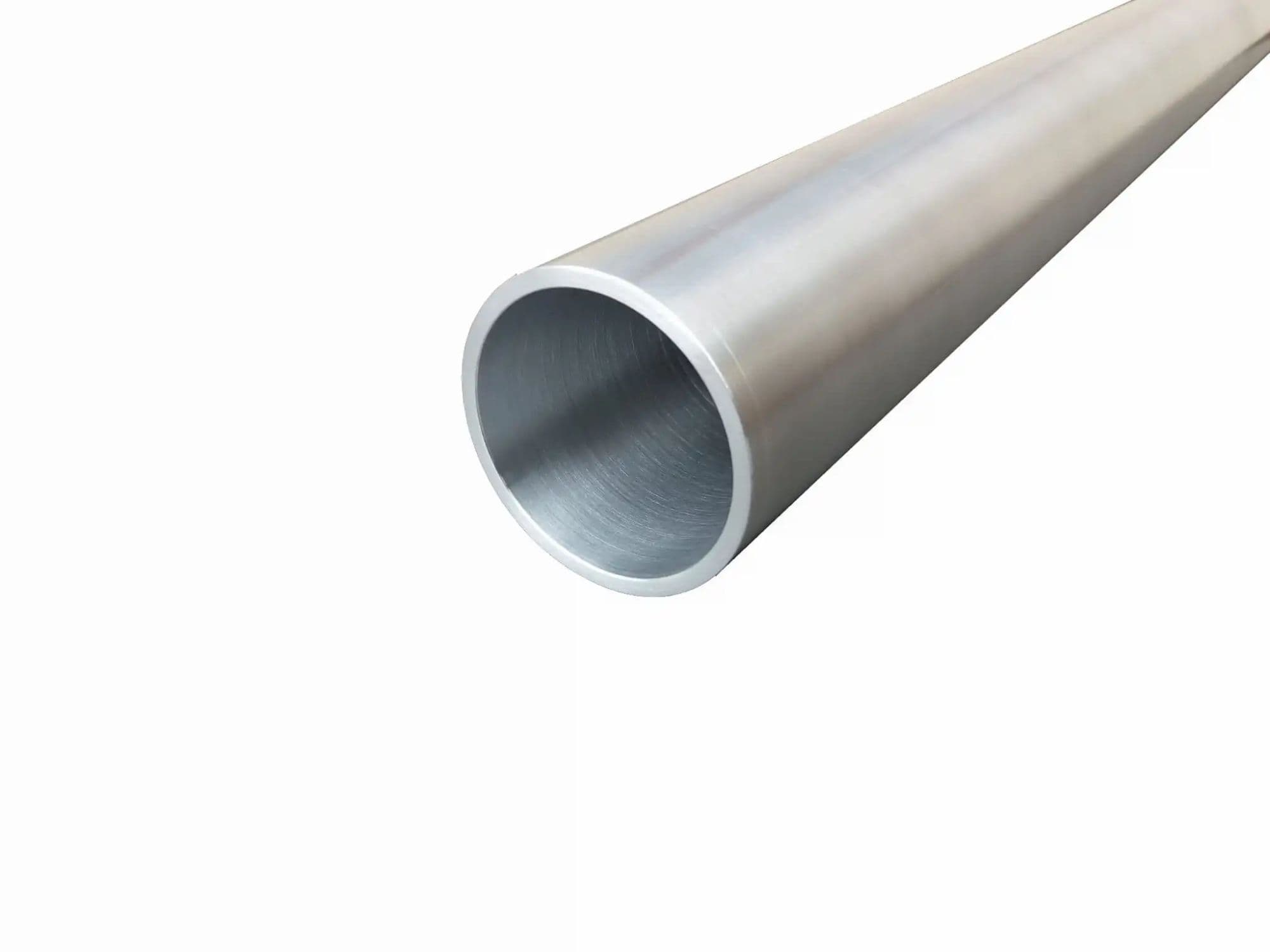 Round aluminium tube 28x1.5 mm€3.59Request a quote
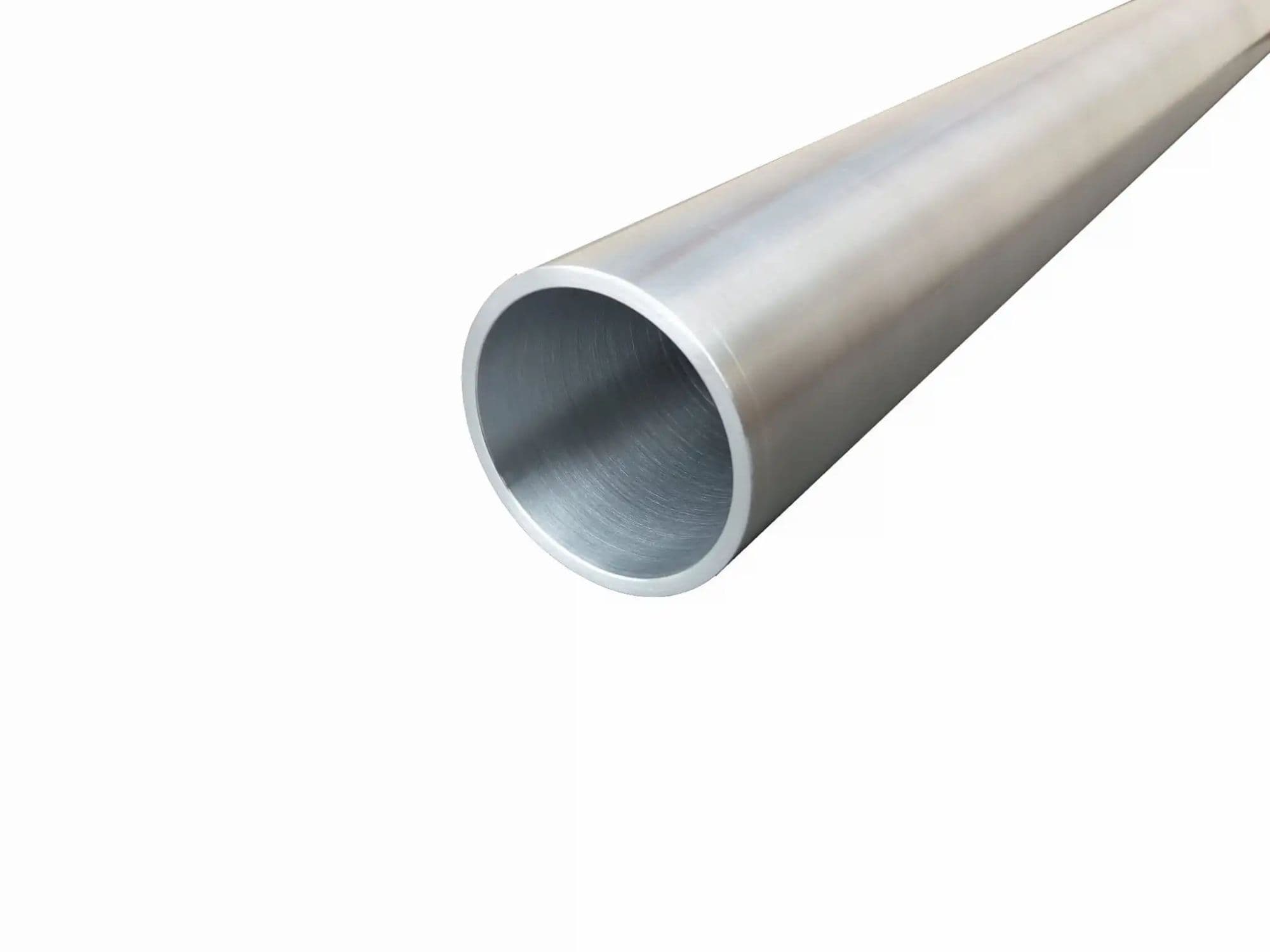 Round aluminium tube 25x1 mm€2.11Request a quote
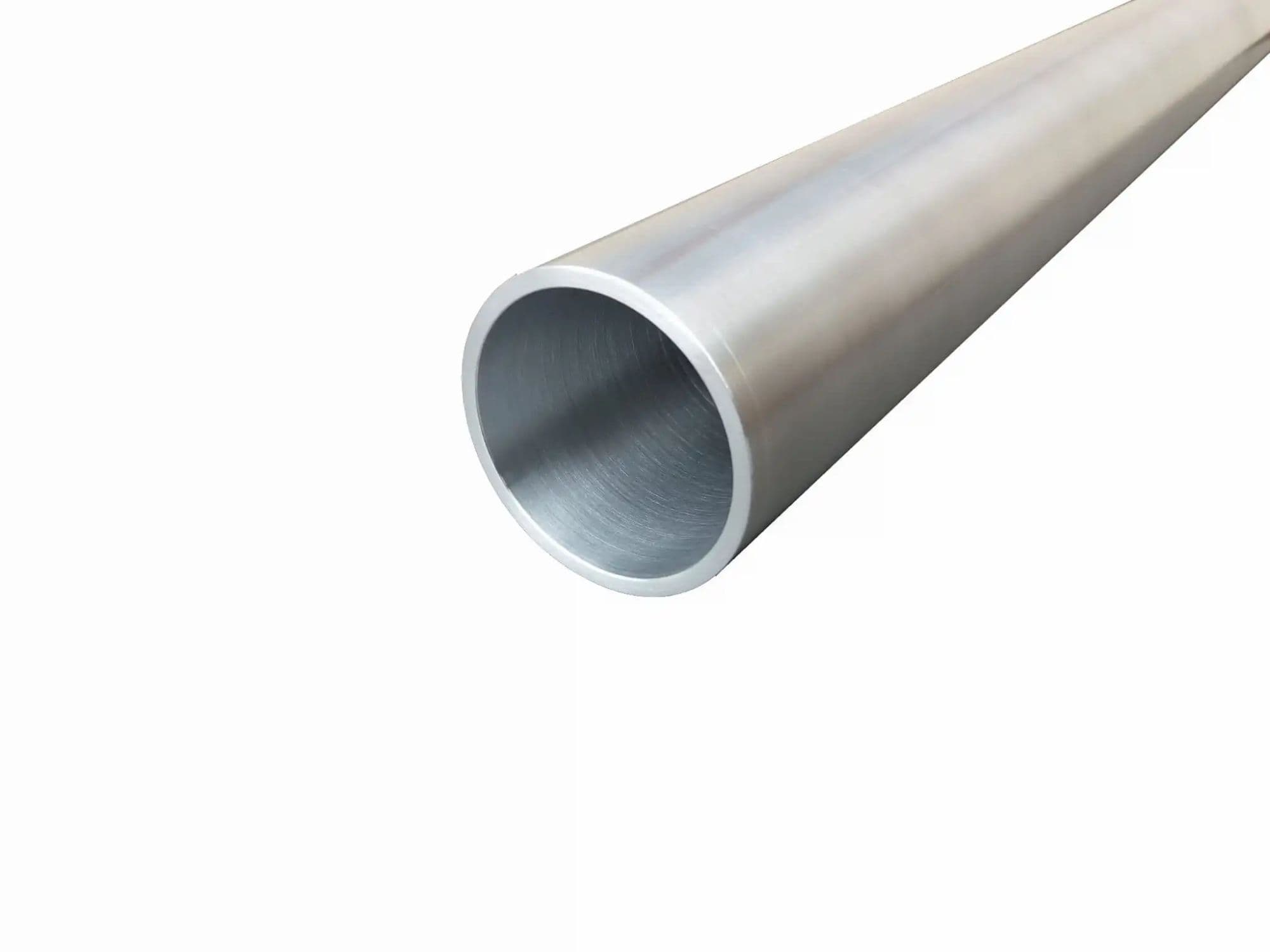 Round aluminium tube 25x2 mm€4.11Request a quote
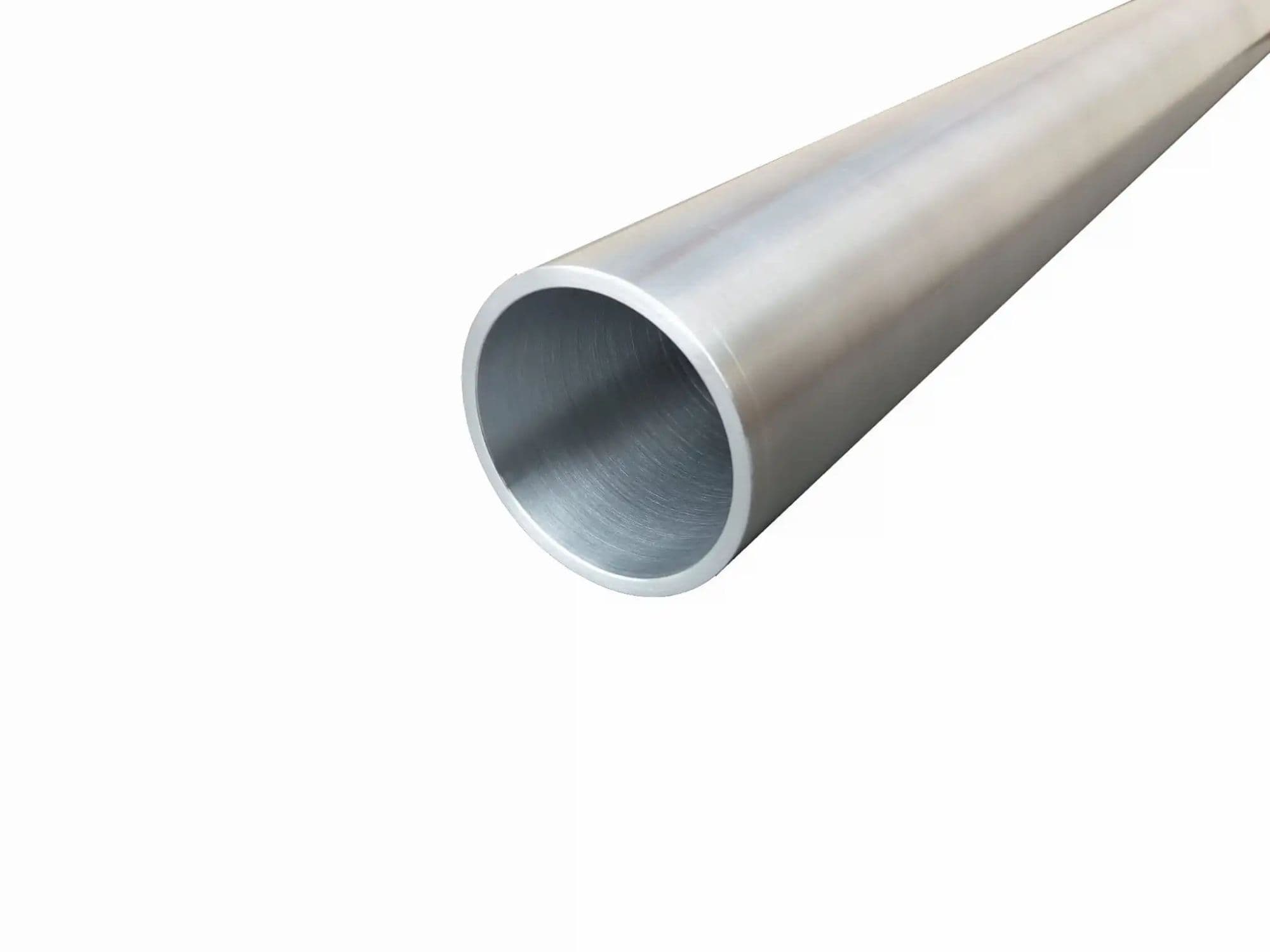 Round aluminium tube 22x1 mm€1.90Request a quote
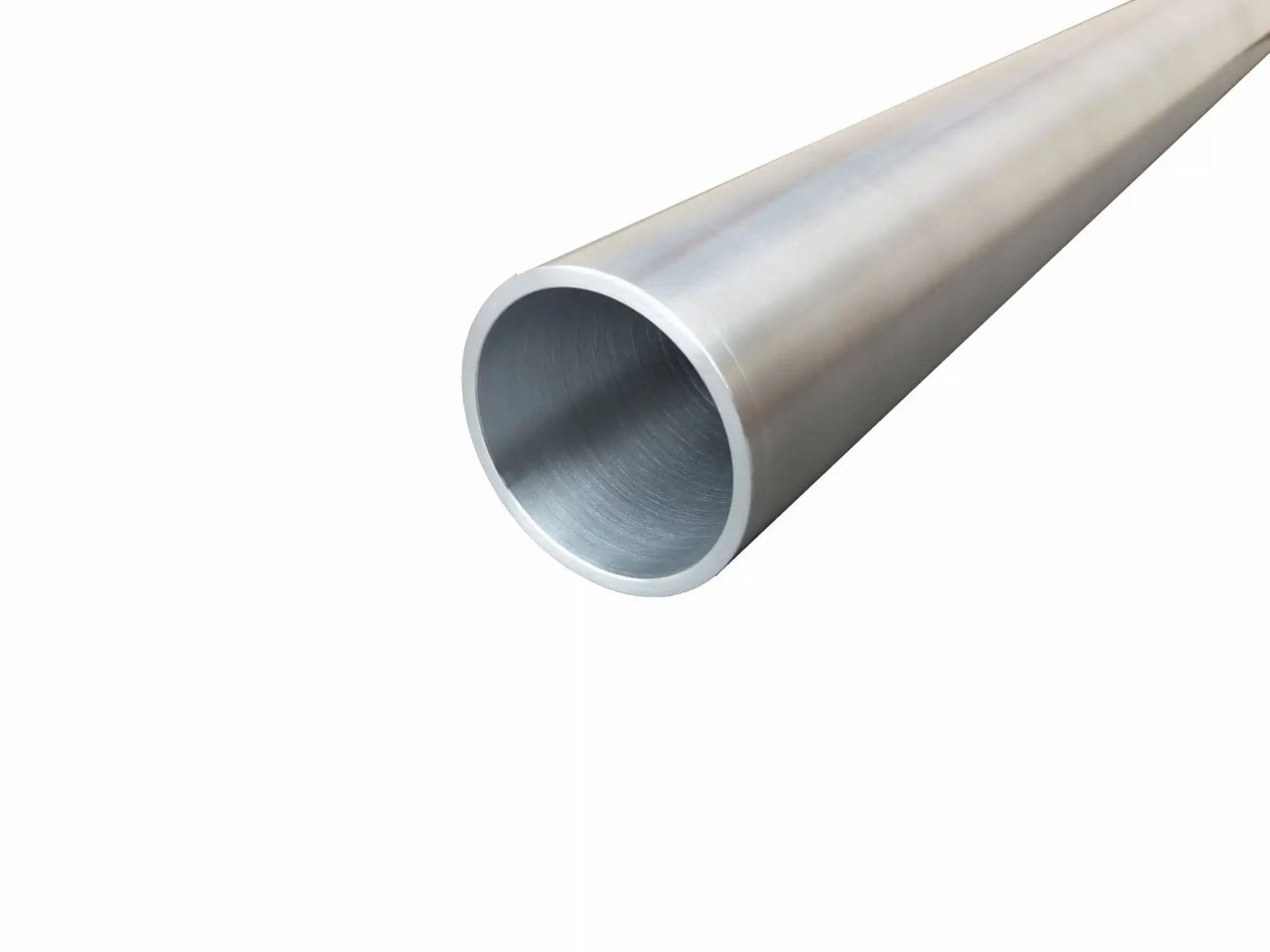 Round aluminium tube 22x1.5 mm€2.74Request a quote
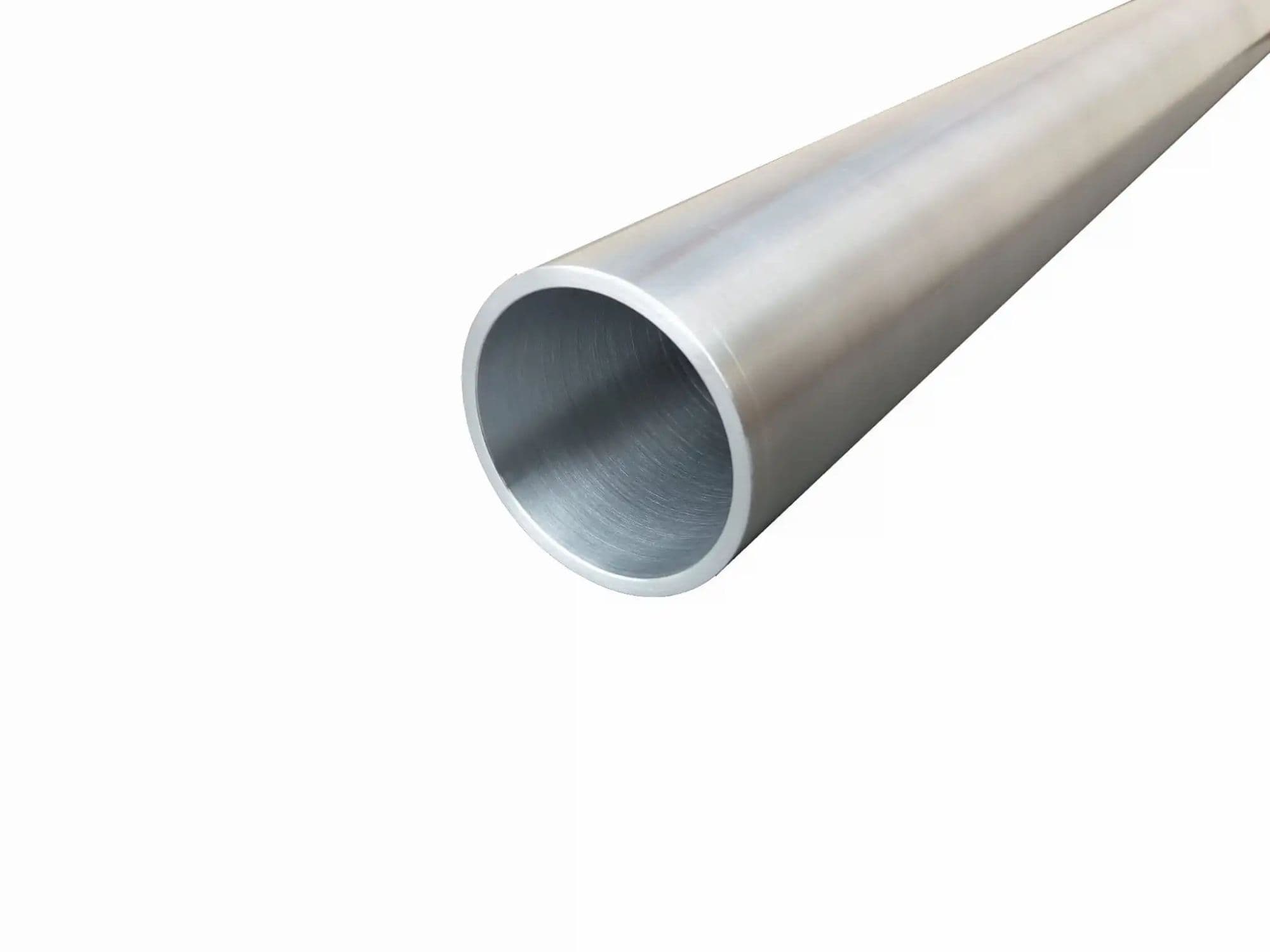 Round aluminium tube 20x2 mm€3.27Request a quote
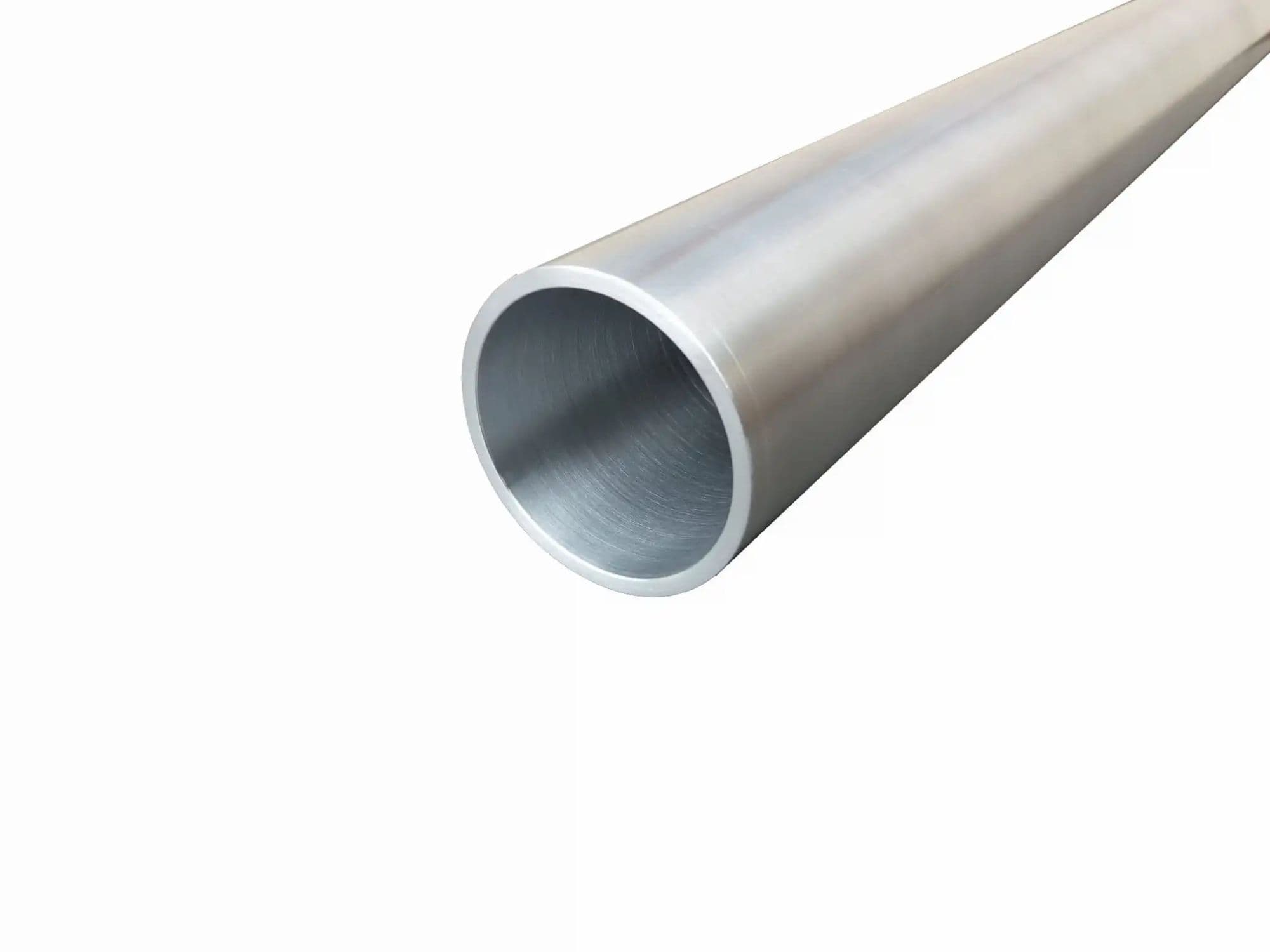 Round aluminium tube 20x1.5 mm€2.53Request a quote
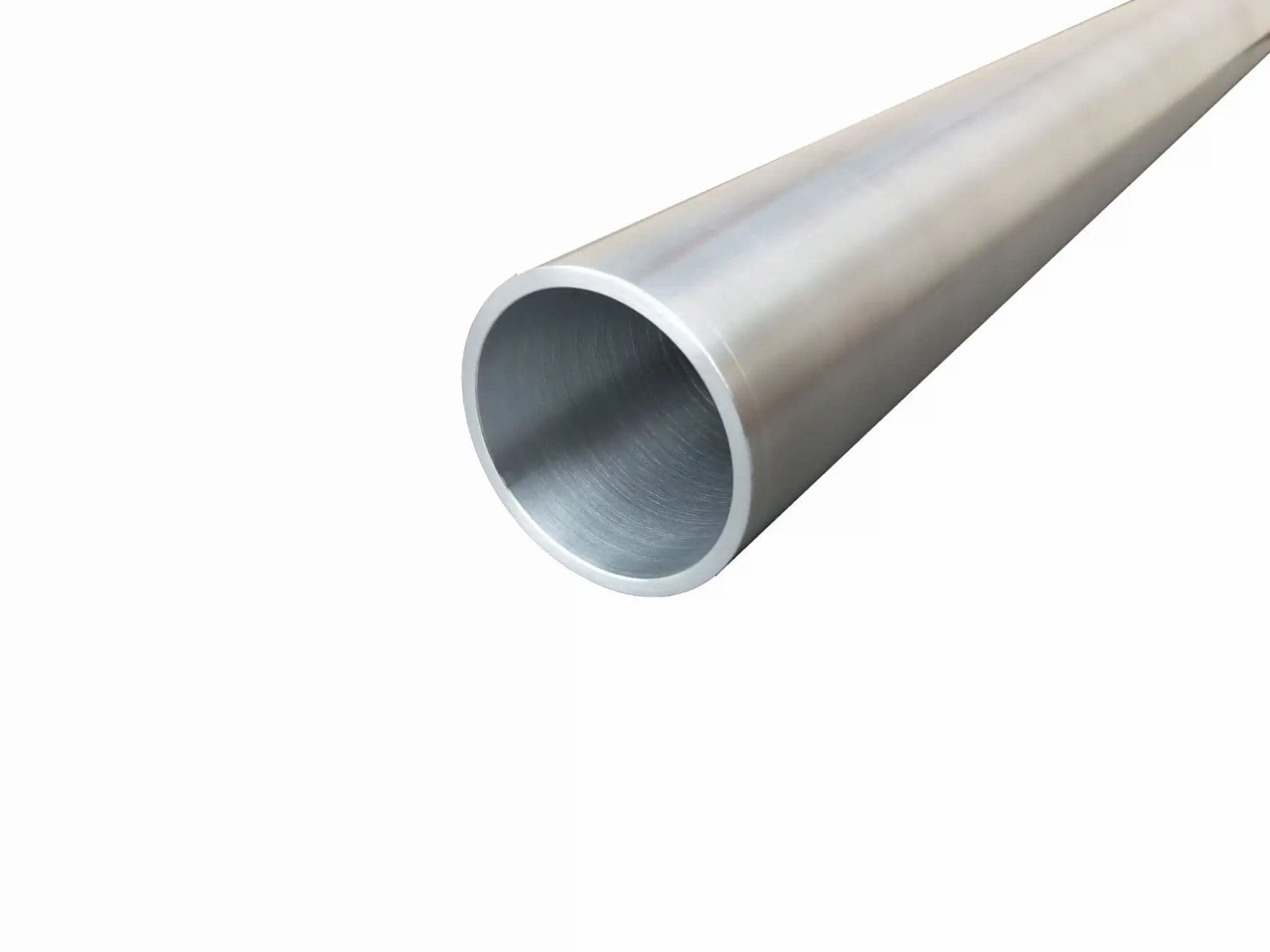 Round aluminium tube 20x1 mm€1.69Request a quote
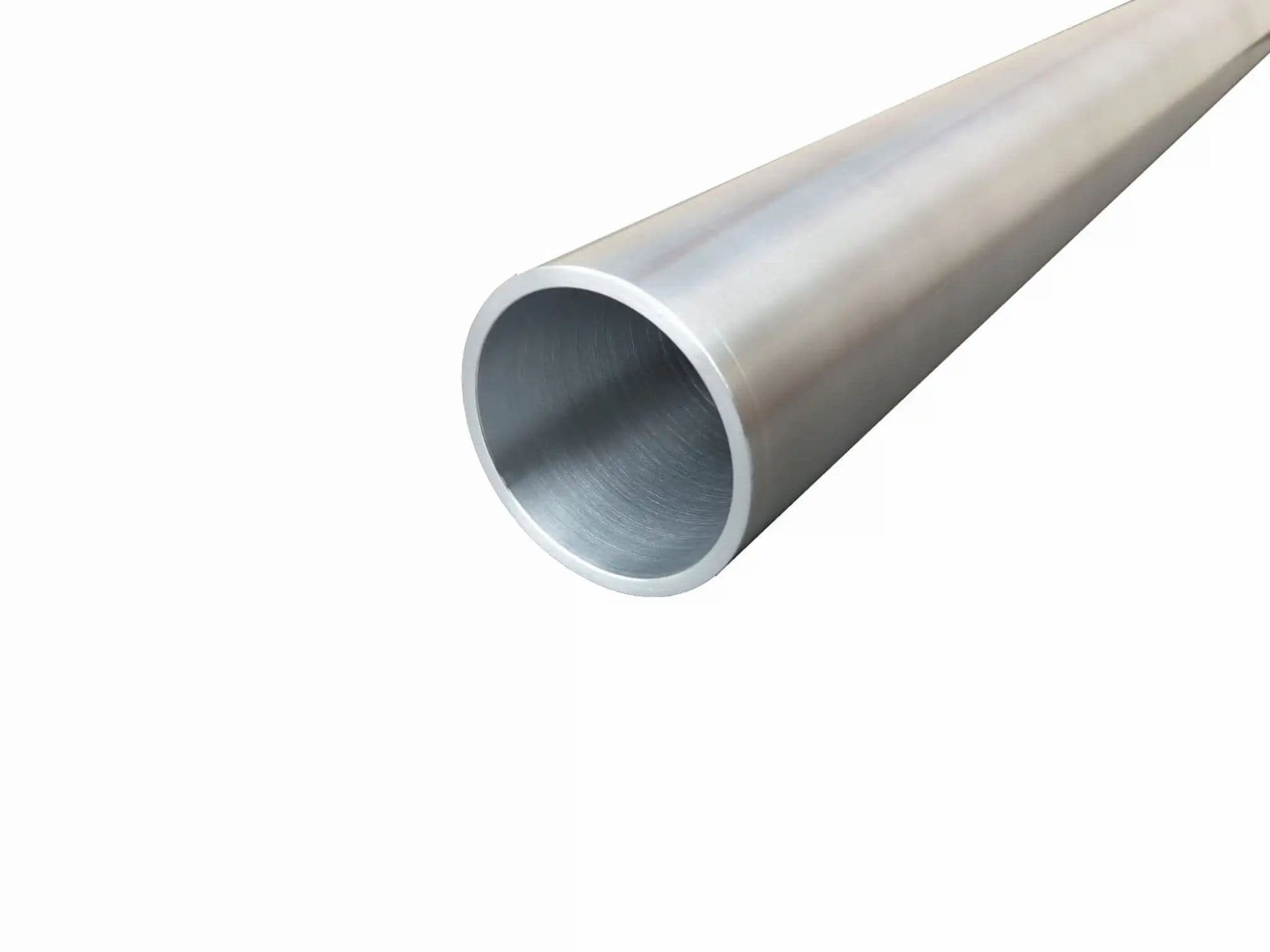 Round aluminium tube 19x1 mm€1.58Request a quote
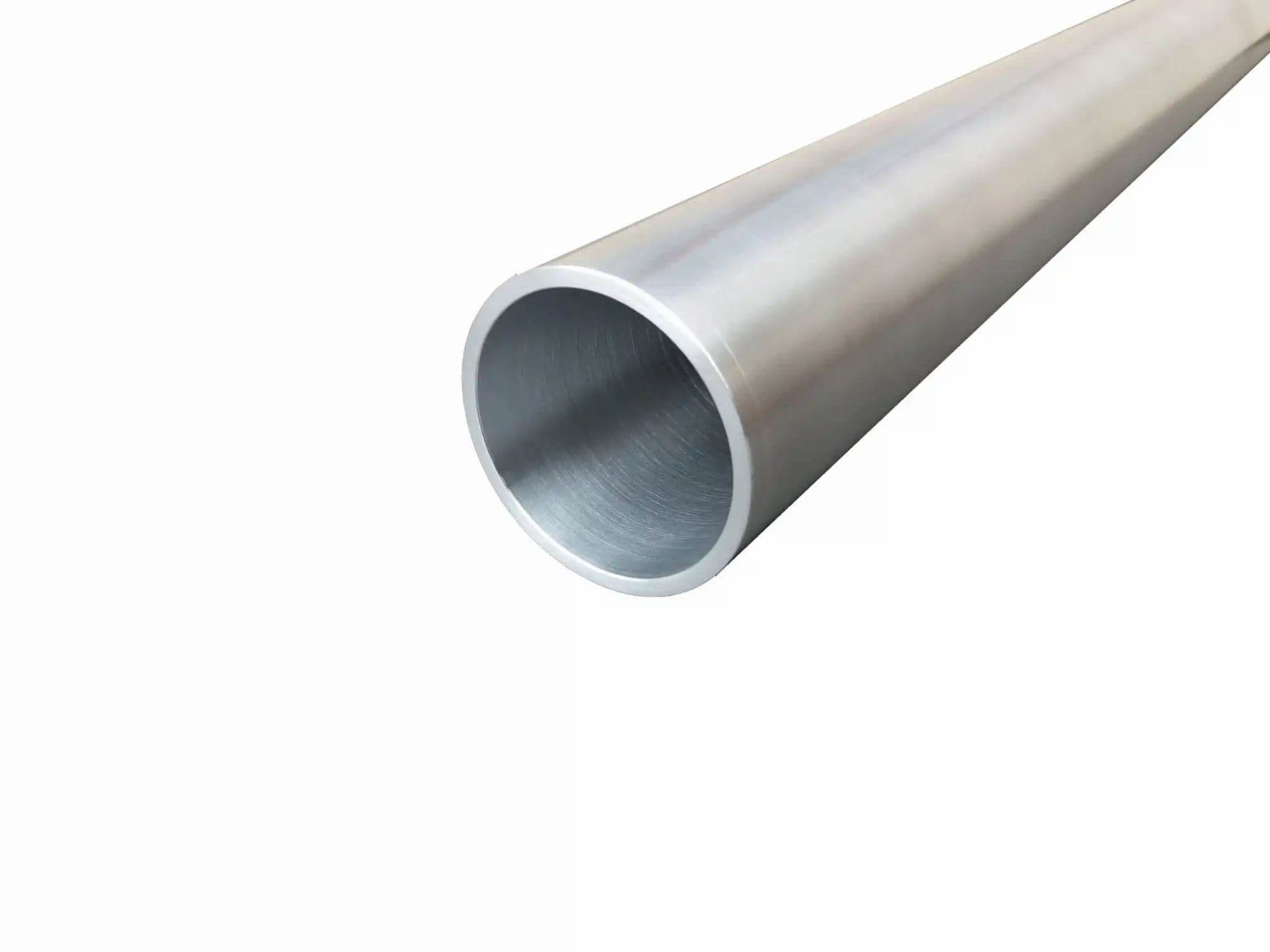 Round aluminium tube 18x1 mm€1.48Request a quote
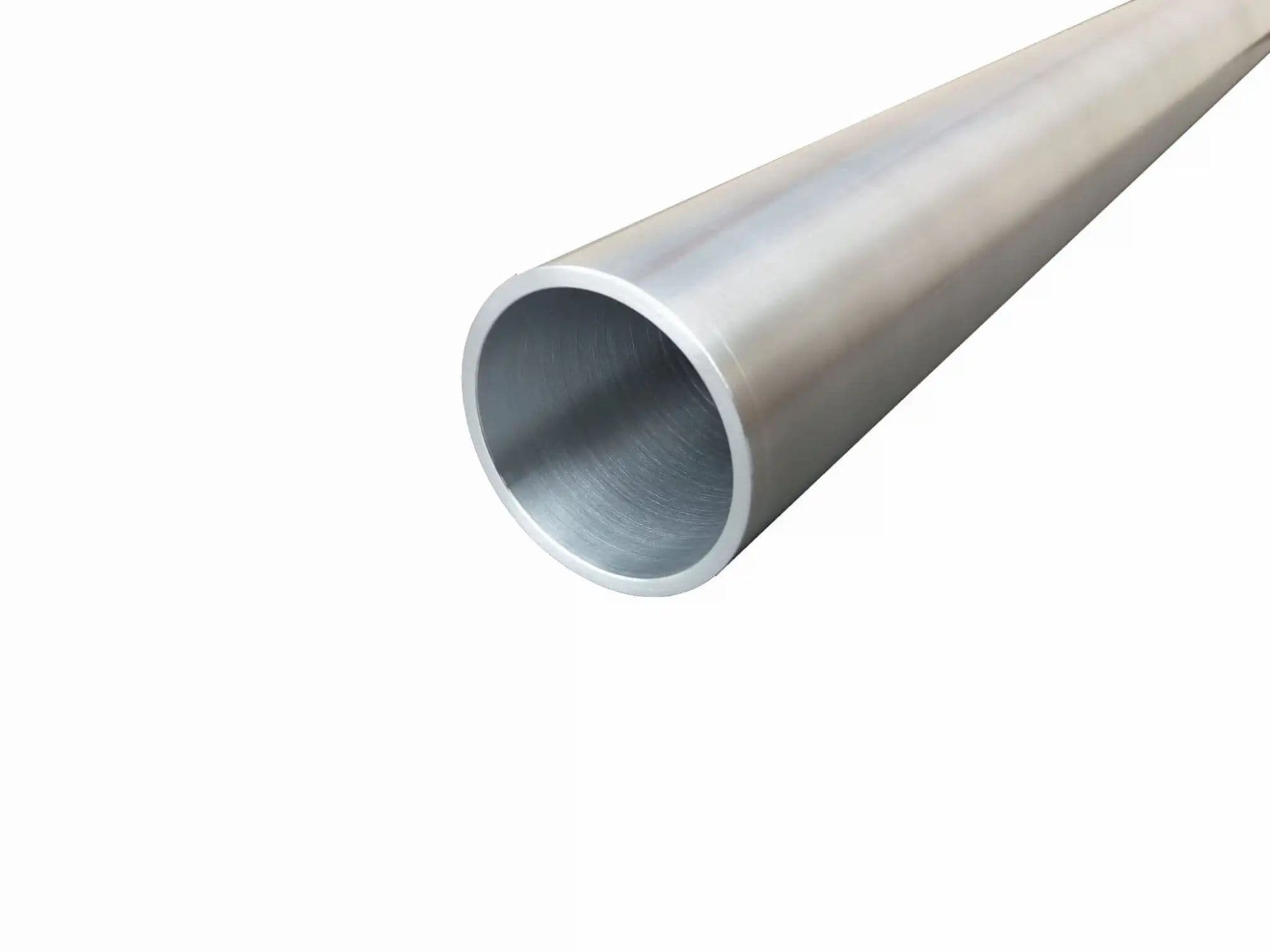 Round aluminium tube 16x2 mm€2.53Request a quote
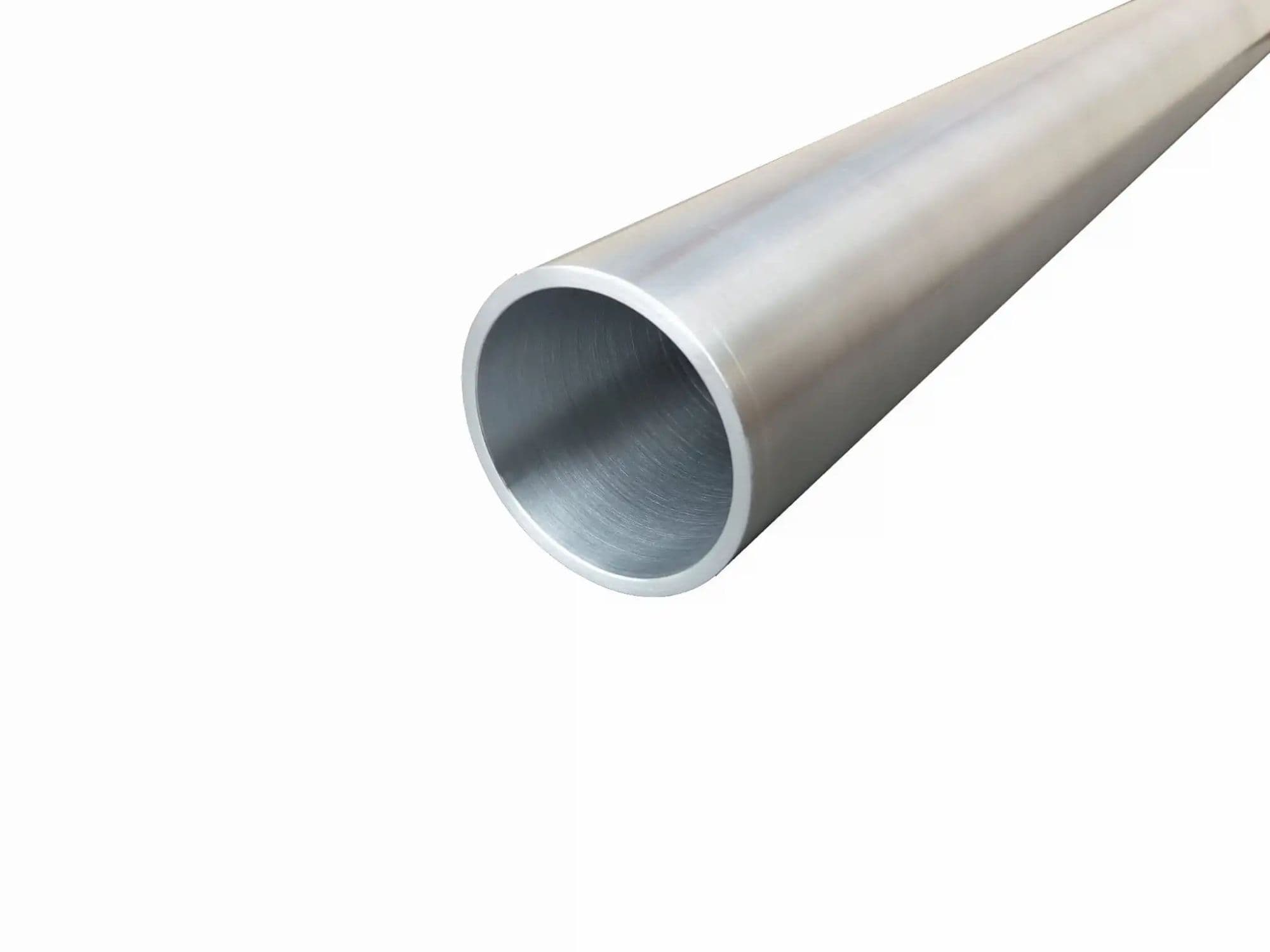 Round aluminium tube 16x1 mm€1.37Request a quote
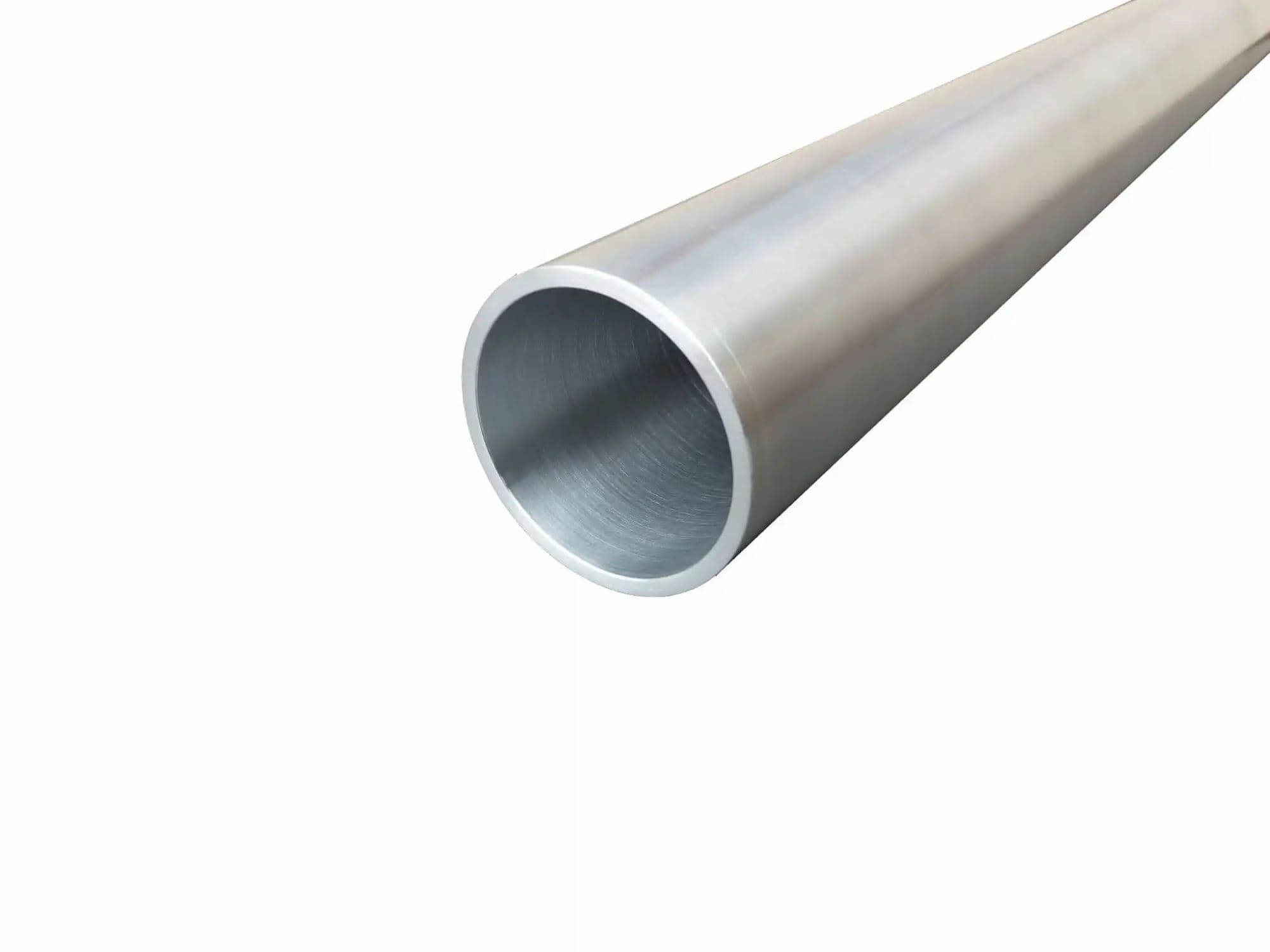 Round aluminium tube 15x2 mm€2.32Request a quote
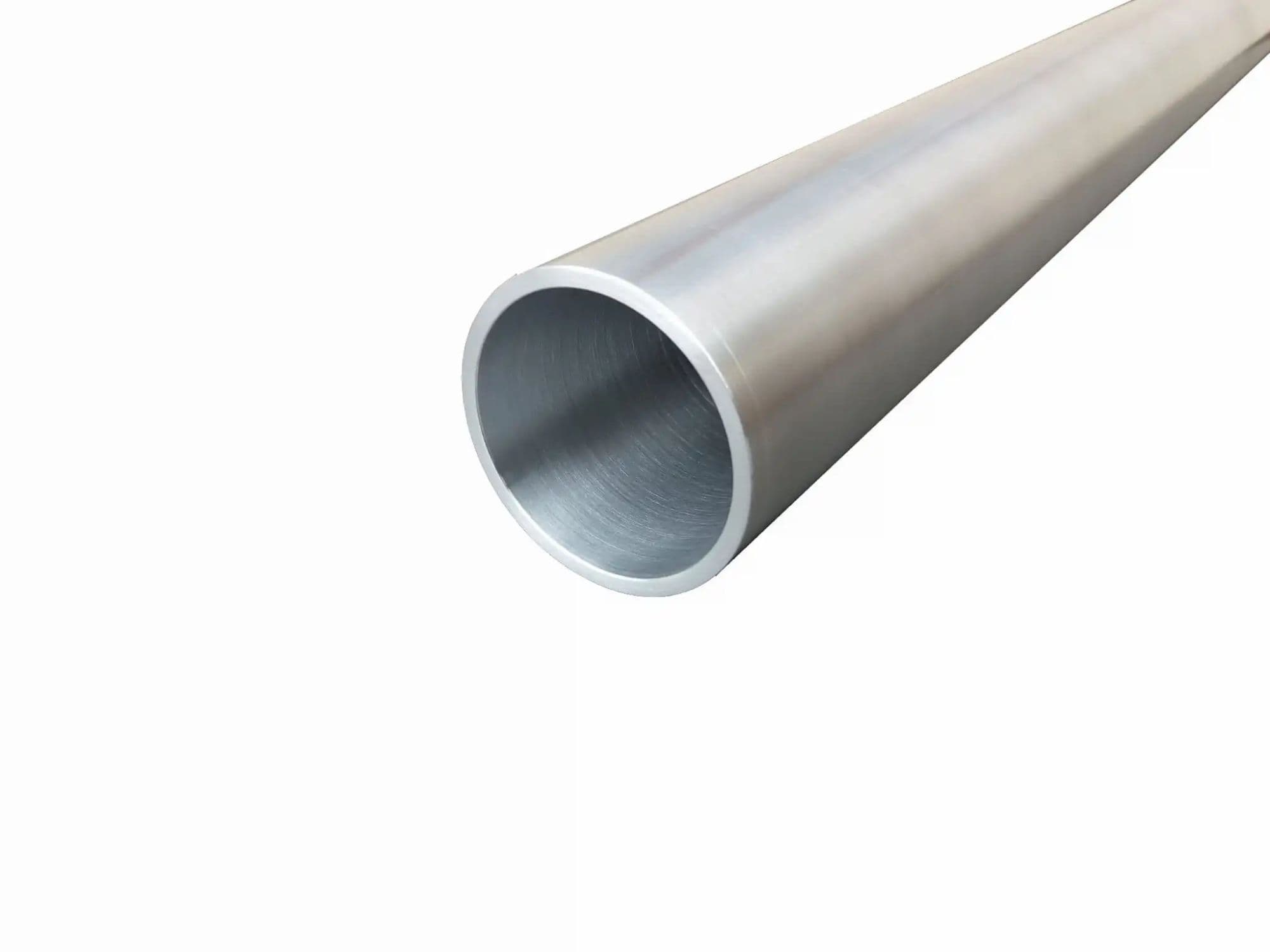 Round aluminium tube 14x1 mm€1.16Request a quote
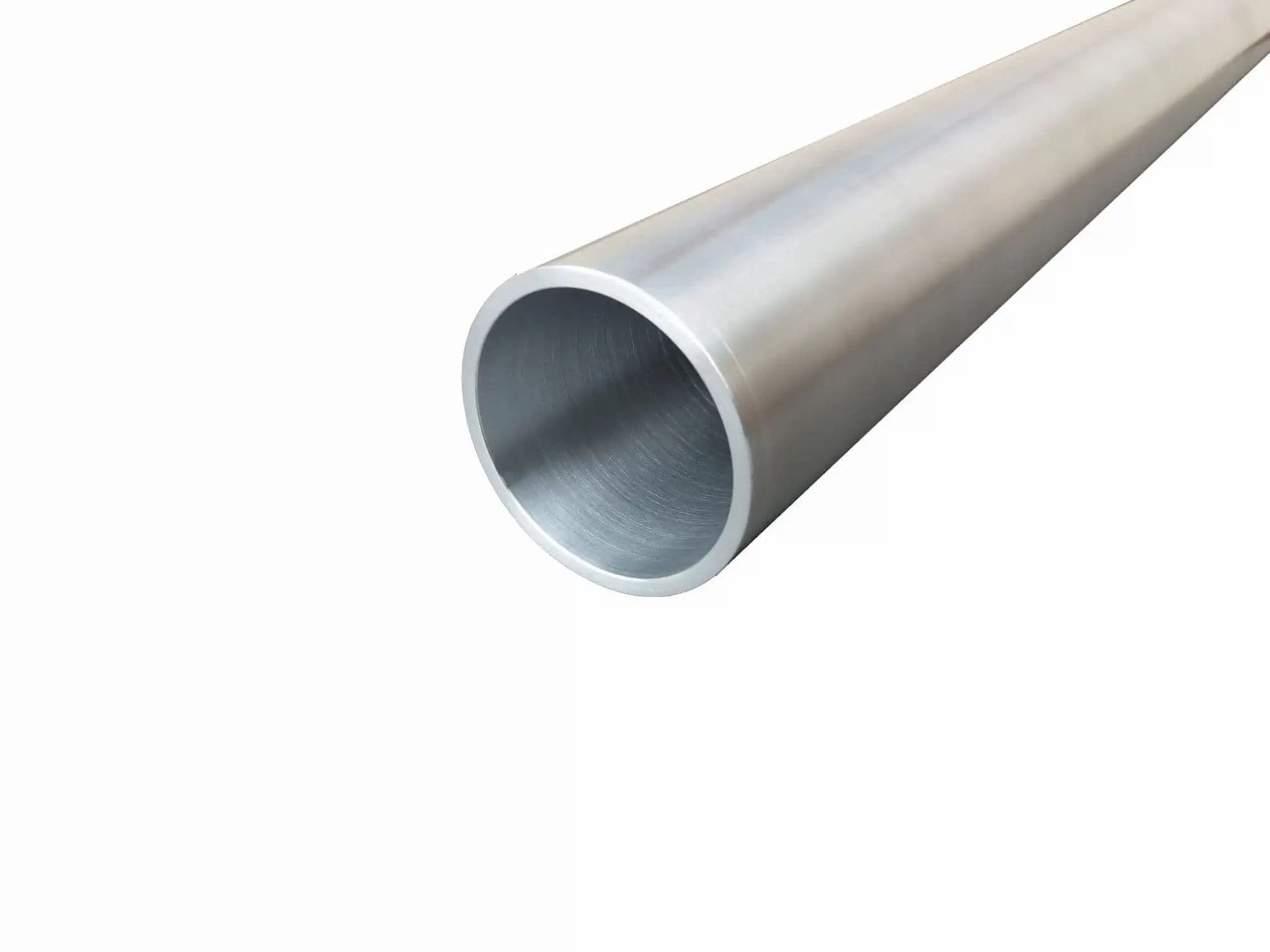 Round aluminium tube 12x1.5 mm€1.37Request a quote
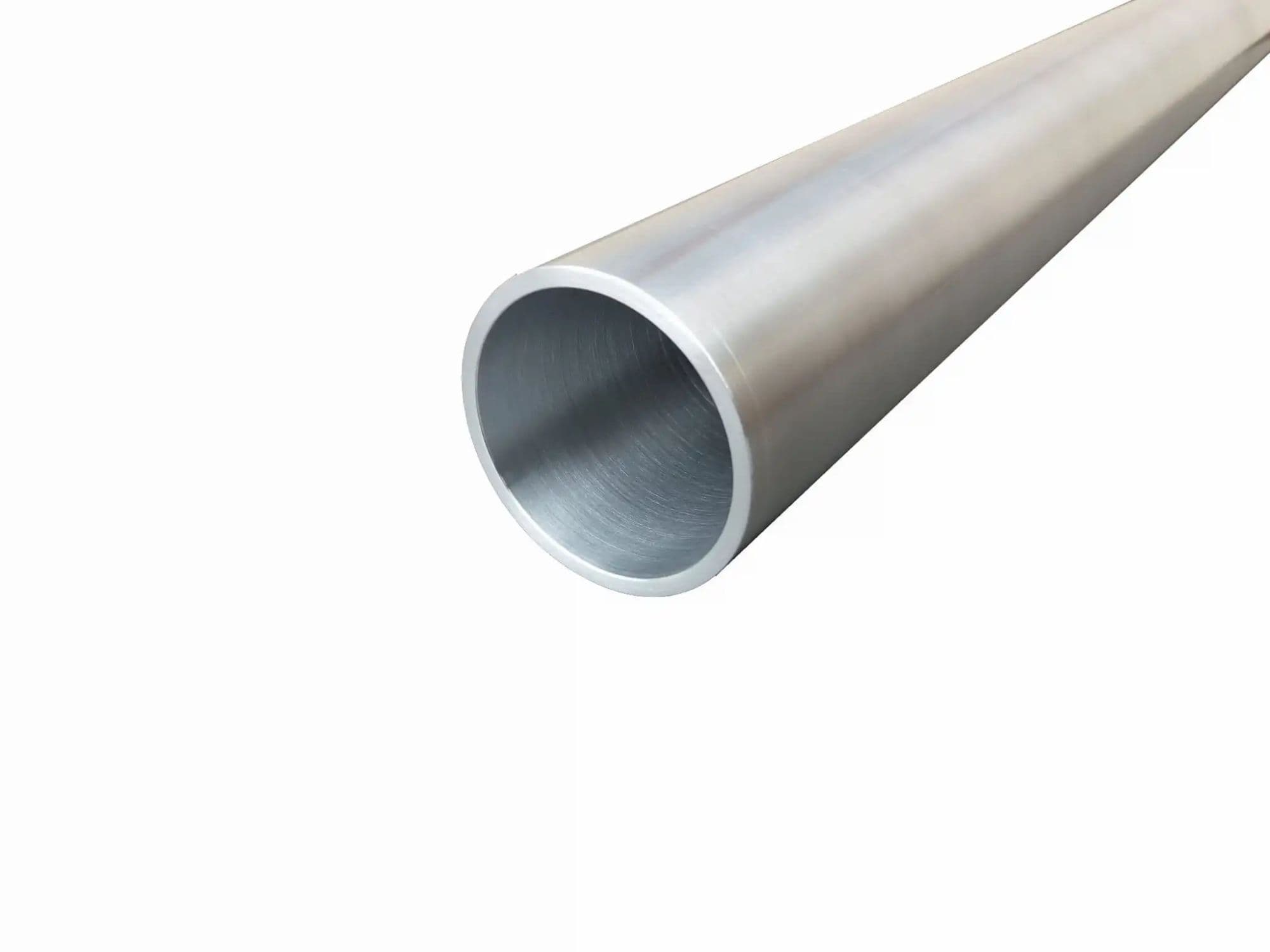 Round aluminium tube 12x1 mm€0.95Request a quote
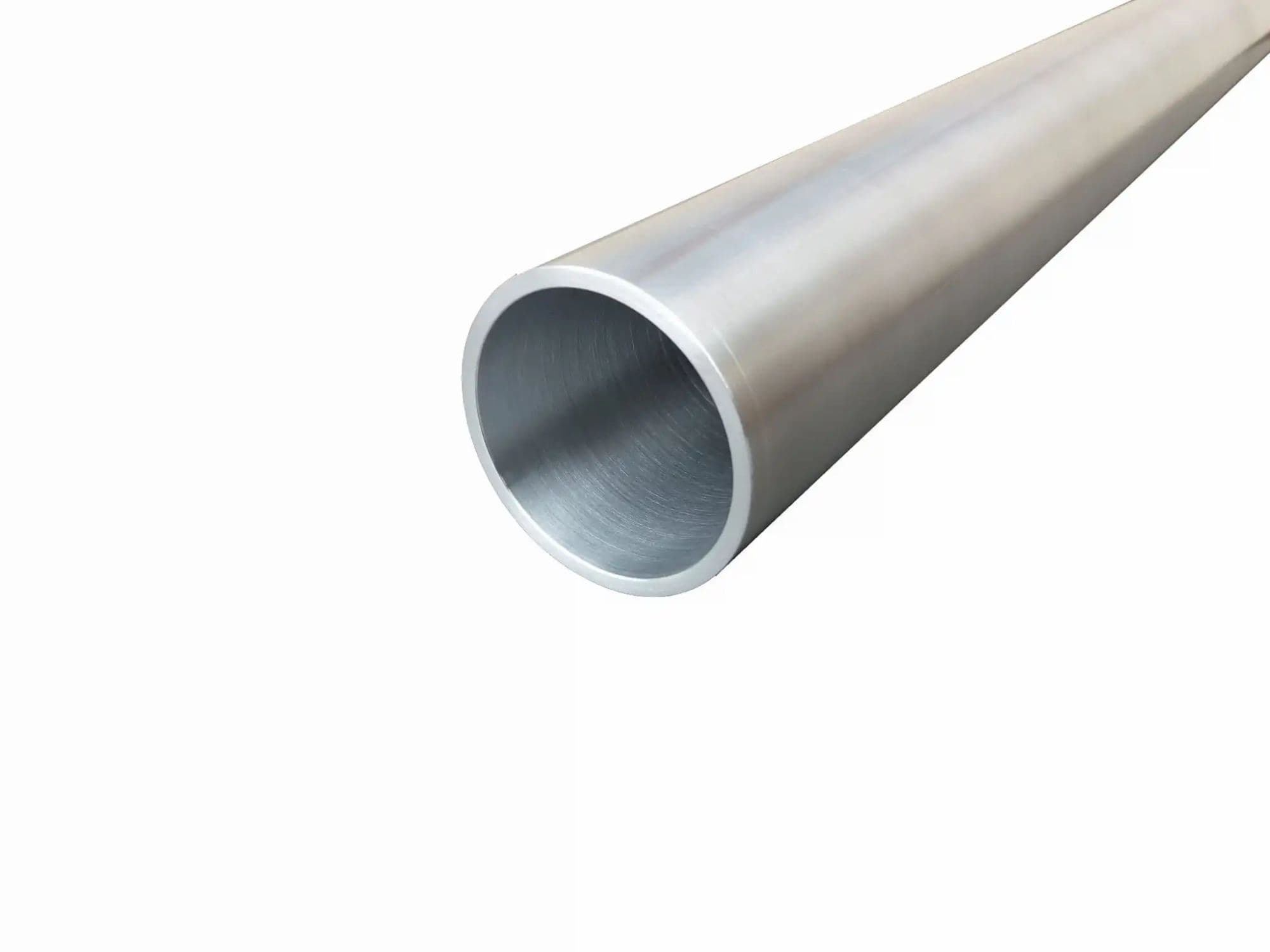 Round aluminium tube 10x1 mm€0.84Request a quote
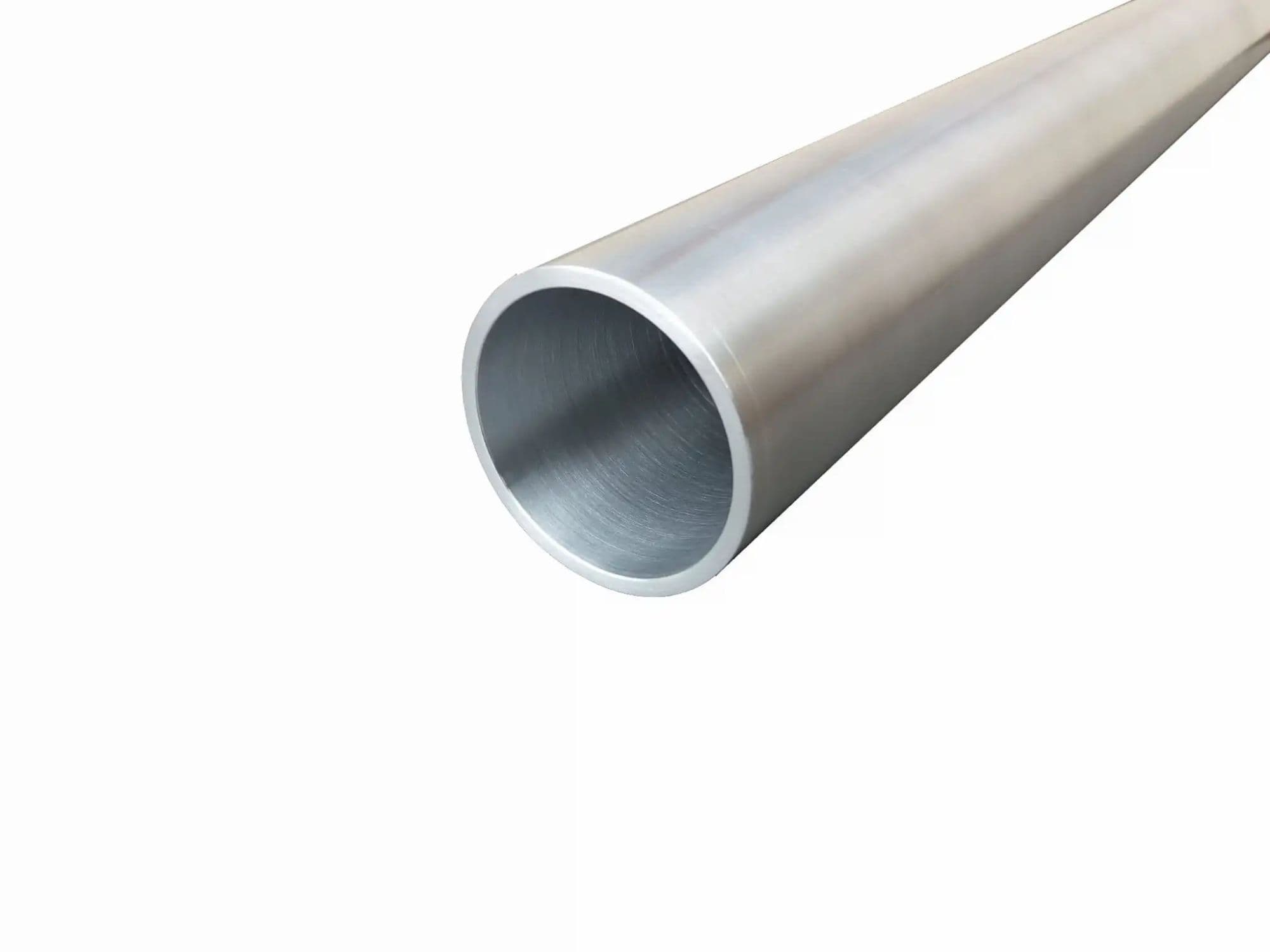 Round aluminium tube 130x3 mm€34.10Request a quote
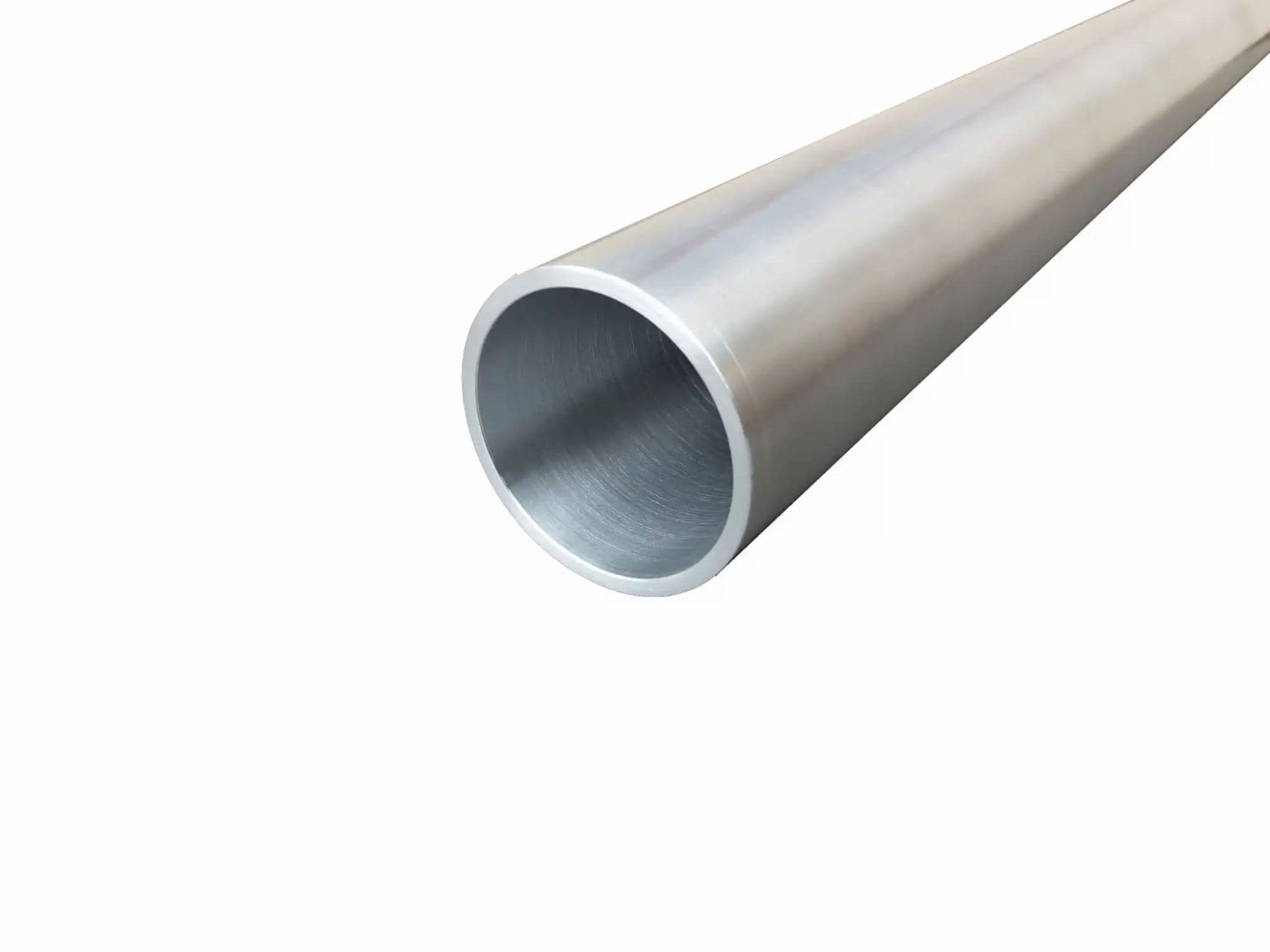 Round aluminium tube 120x5 mm€51.51Request a quote
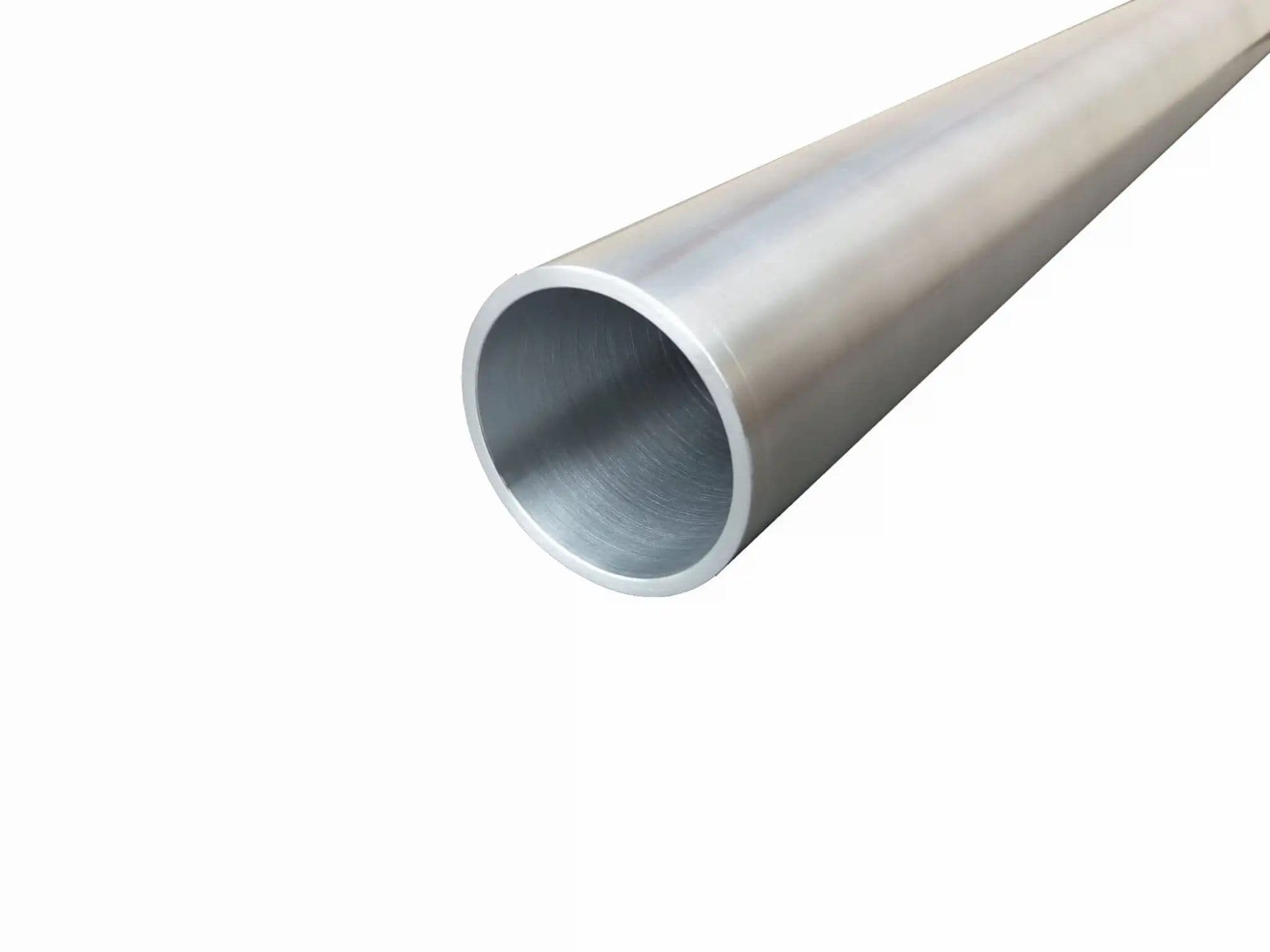 Round aluminium tube 100x5 mm€42.54Request a quote
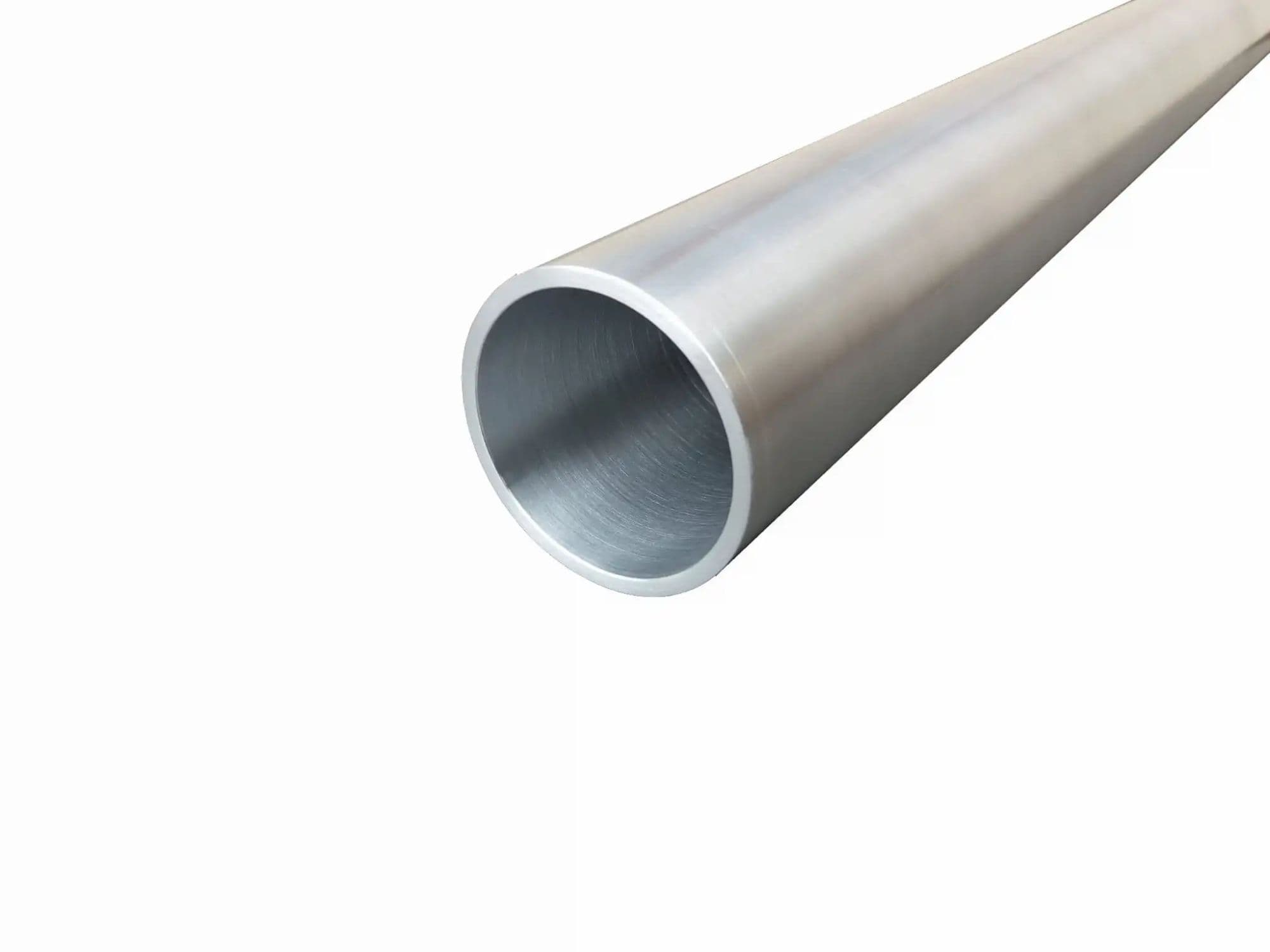 Round aluminium tube 90x5 mm€38.00Request a quote
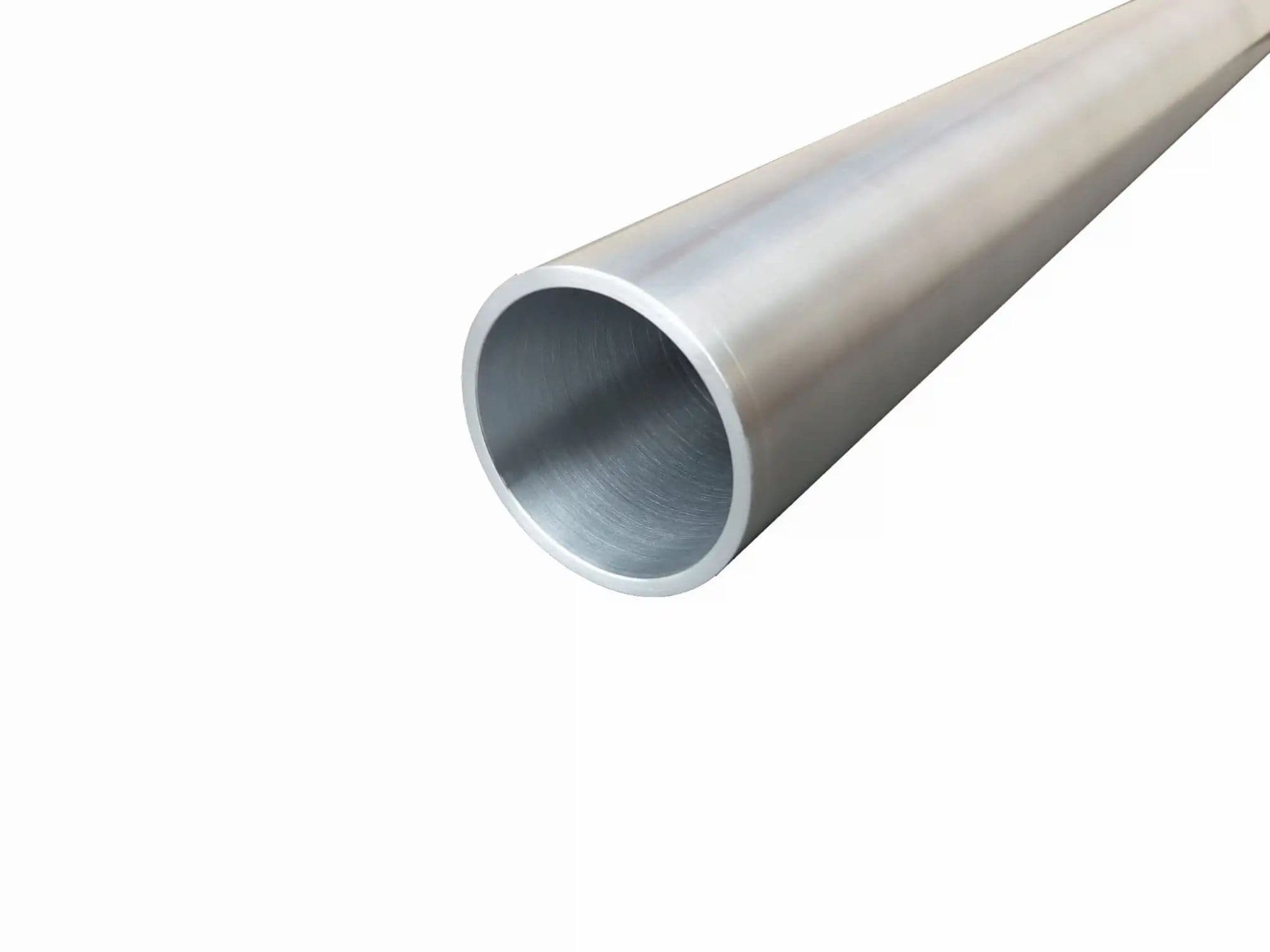 Round aluminium tube 80x3 mm€20.69Request a quote
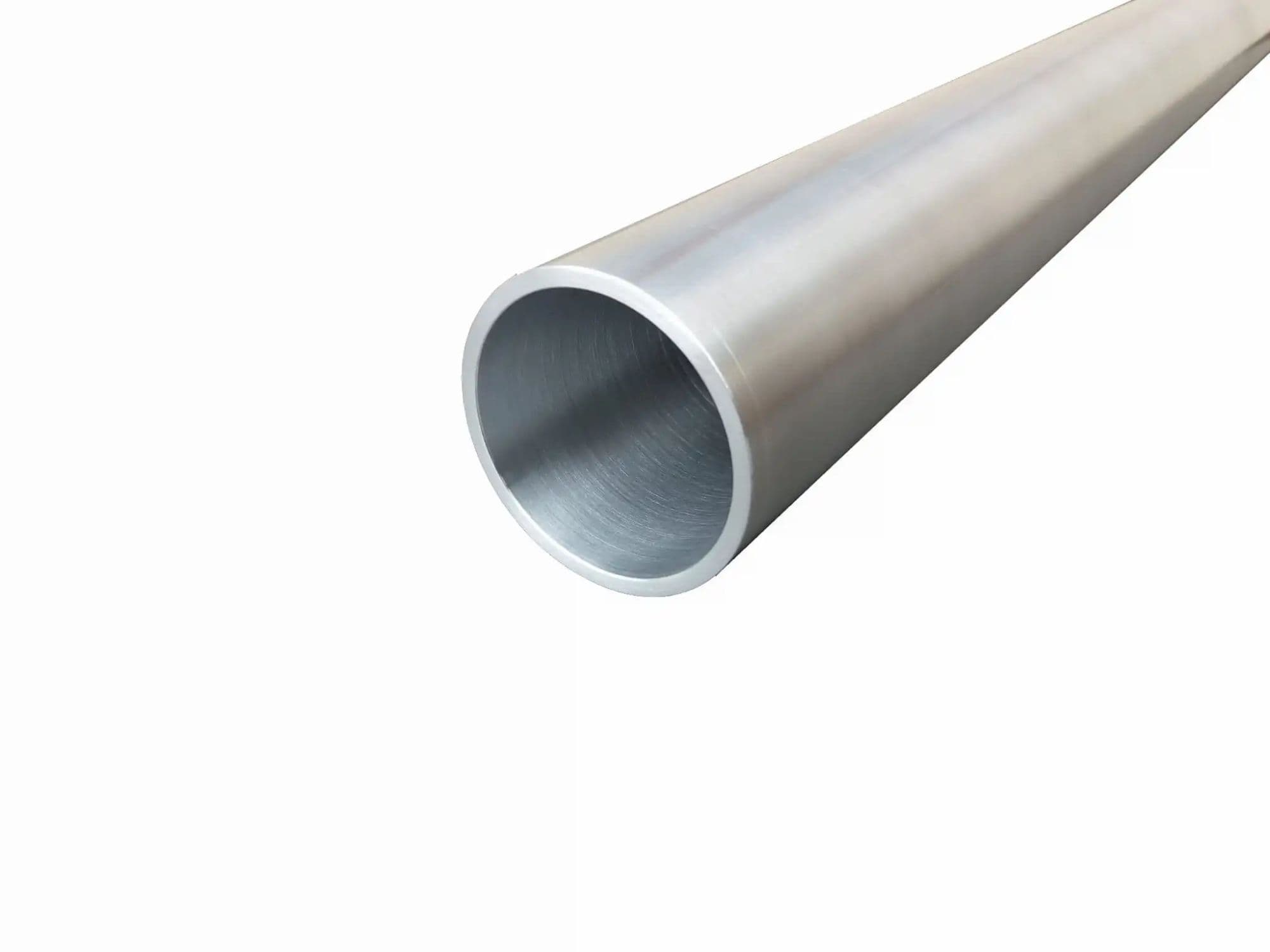 Round aluminium tube 80x2 mm€14.04Request a quote
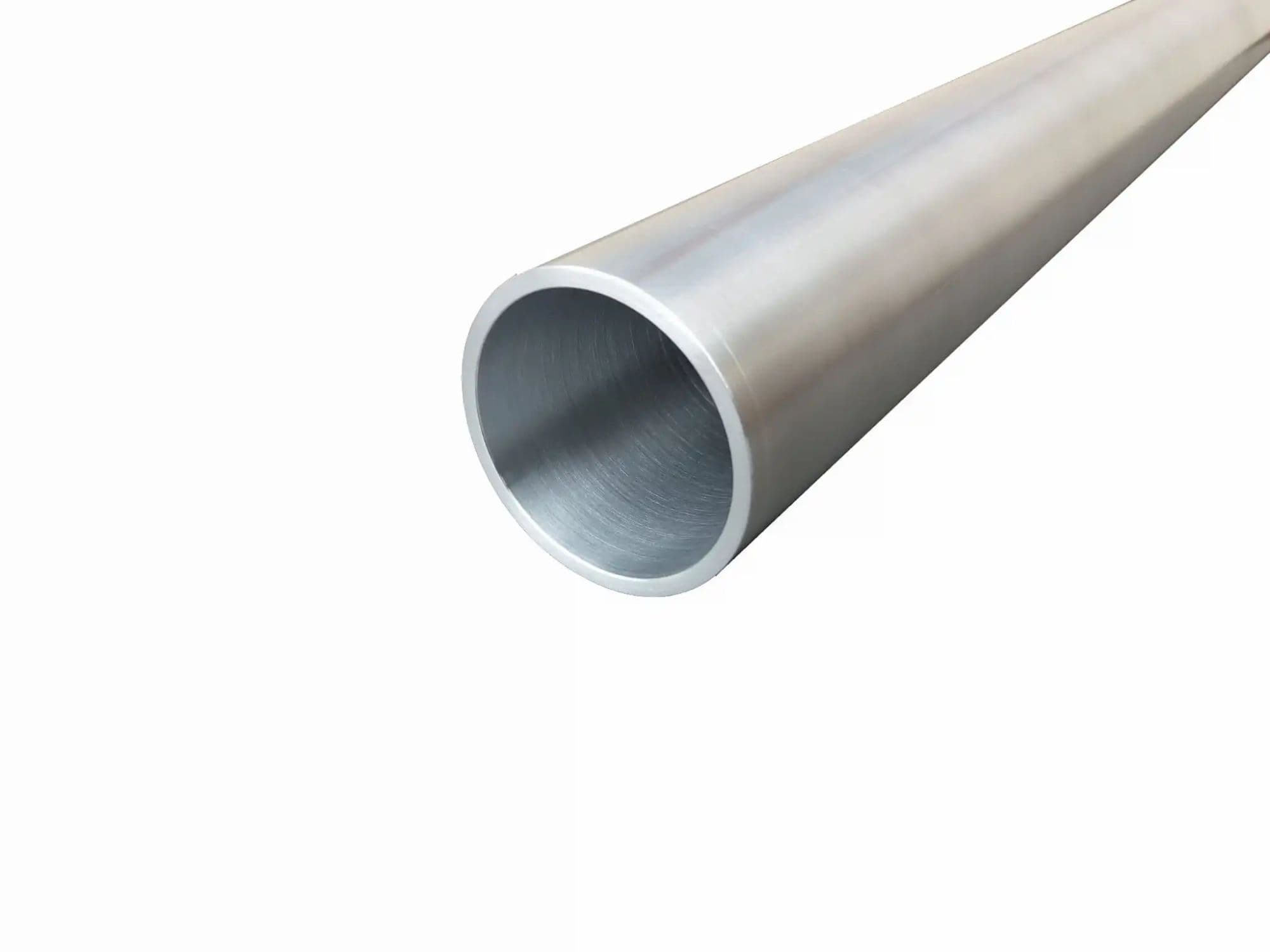 Round aluminium tube 75x5 mm€31.35Request a quote
About this category: Aluminium decking joistsRead more ↓
Aluminium decking joists – a lightweight material with high strength
Joists made from aluminium are a modern solution for outdoor construction. They provide a durable, stable foundation for decking, creating a protective buffer between the decking surface and damp ground. Although joists can also be made from timber or composite, aluminium joists have distinctive features that customers appreciate.
What are aluminium joists?
Joists are structural components that form the framework of a deck. Their main purpose is to provide stability and support for the decking boards and the entire structure by evenly distributing the load of components and people on the deck. Aluminium decking joists are a modern solution that is becoming increasingly popular in the industry. This is due to the unique properties of aluminium that timber structures lack.
Aluminium decking joists – key features
- Durability and corrosion resistance: unlike timber, aluminium is resistant to corrosion. Thanks to the natural layer of aluminium oxide that forms on its surface, this material is protected against weather conditions such as rain, snow and moisture. This means that aluminium joists do not require frequent maintenance or preservative treatment, significantly reducing the cost of maintaining a deck over time.
- Light weight: aluminium is much lighter than traditional building materials, making transport and installation easier. Lightweight aluminium decking joists do not place excessive loads on the supporting structure. This is particularly important for raised decks or balconies.
- Easy installation: the light weight of aluminium also makes components made from it easier to install.
- Mechanical strength: despite its light weight, aluminium is highly durable and does not deform under load. Aluminium decking joists can withstand heavy loads, ensuring that the deck remains stable and safe to use.
- Weather resistance: aluminium does not crack, rot or deform as a result of changing weather conditions. It is resistant to UV radiation, preventing fading and loss of colour.
- Appearance: although joists are not immediately visible components, aluminium joists can have a modern, minimalist look that blends perfectly with various architectural styles.
Aluminium joists and their uses
Due to the unique properties of aluminium, joists made from this material are used to build structures such as:
- decks and balconies: aluminium is an increasingly popular choice for decking joist systems. Thanks to their corrosion resistance and low weight, aluminium joists are an ideal solution for outdoor use.
- garden structures and gazebos:aluminium joists are also used to build garden structures such as gazebos, pergolas and garden shelters;
- small outdoor structures: aluminium joists can be used in structures such as balustrades, fences, shelters, racks and similar items.
What types of decking boards can be used with aluminium joists?
Aluminium joists can be combined with various types of decking boards. Whether the boards are made from timber or composite, aluminium decking joists are a good solution. While composite joists should not be combined with timber boards, or vice versa, this is not a problem with aluminium, as it works with both natural timber and plastics.
Aluminium joists provide structural rigidity, even when combined with timber boards that are sensitive to changes in humidity. However, using aluminium decking joists with composite decking boards is recommended, as the properties of these two materials are much more similar, making it easier to keep the deck in good condition for longer.
When should you choose aluminium joists?
Aluminium joists are an excellent choice for any type of decking board. They are fixed to an existing concrete base, or a base is built from concrete blocks. Remember to place a rubber pad under each joist.
Is an aluminium joist more durable than a composite joist?
Yes, an aluminium joist is the best choice because it is the most durable and is unaffected by any external factors. It is the most popular type of joist.
How do you build a joist grid correctly?
A joist grid is built by placing a larger-diameter joist at the bottom and a smaller one on top. The lower rows should run in one direction and the upper rows in the opposite direction.
What should the spacing between the lower and upper joists be?
It all depends on the joist heights you choose. The most commonly chosen aluminium joists for a grid measure 8 x 4 cm for the lower section and 3 x 3 cm for the upper section.
How do you fix an aluminium joist to the sides of a deck?
Aluminium joists are anchored to the sides of a deck made from concrete, blocks or posts using self-drilling roofing screws or other fixings.
Why is an aluminium joist so expensive?
An aluminium joist is not one of the cheapest options because it withstands weather conditions extremely well, is very strong and does not deform.
Can an aluminium joist be used on roofing felt?
Yes, aluminium joists can be used to build composite or timber decking on a balcony or terrace covered with roofing felt. However, remember to place rubber pads under the joists so that dust and sand do not cause creaking.
Do aluminium joists need preservative treatment?
No, aluminium joists do not need preservative treatment. They do not require any other maintenance either, as aluminium is a metal that does not rust or deteriorate.
How does an aluminium joist perform with a composite decking board?
A composite decking board and an aluminium joist are one of the best combinations you can choose. Neither material deforms or is affected by external factors.
What is the biggest drawback of aluminium joists?
The biggest drawback of aluminium joists is their silver colour, which is the natural colour of the material. Unfortunately, it stands out, so if the deck or balcony is visible from underneath, the joists will be difficult to conceal.