
Composite decking joists
Explore the category and get advice on choosing the right products ↓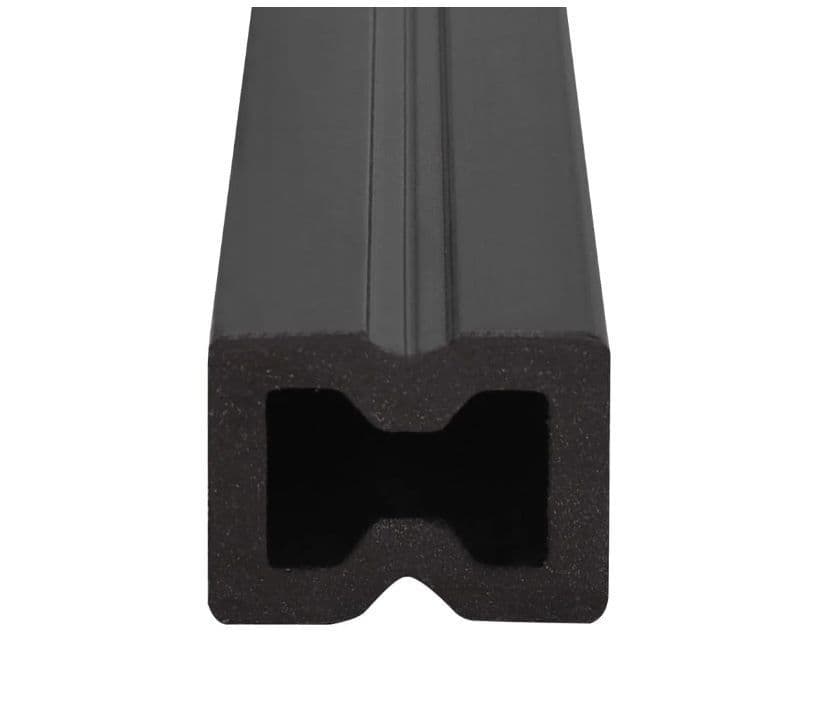
About this category: Composite decking joistsRead more ↓
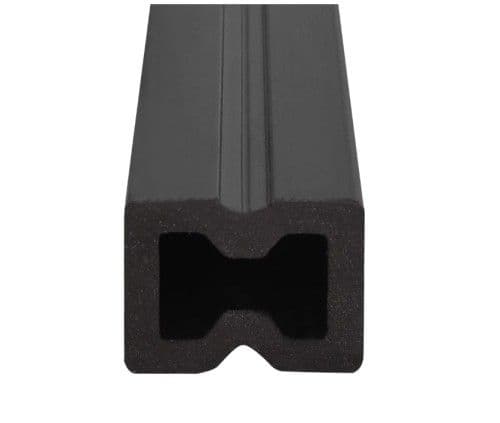
Composite decking joists – strong and resilient construction components
The look of natural wood and the strength of plastic – composite combines these two qualities and can be used to make decking joists. It is an increasingly popular choice for garden structures, where this material is used not only to build decks, gazebos and porches, but also other structures.
Composite joists – durable and weather-resistant
Composite decking joists are used primarily for their strength and resistance to environmental factors such as moisture from rain or snow, insects, mould and UV radiation. Composite does not warp or rot because it does not absorb water, which is a common problem with timber joists. Although this is less important for these structures, composite joists retain their colour for a long time and do not fade in the sun.
Benefits of composite joists:
Although the durability of composite joists has already been mentioned, it is also worth highlighting several other qualities that make components made from this material a good choice for garden structures. These include:
- light weight: composite is lighter than most building materials, making it easier to transport and install, for example. The entire decking structure is also lighter;
- resistance to mechanical damage: despite its light weight, composite is a very durable material that does not deform under impact or compression;
- long service life: a more durable material than wood;
- low maintenance costs: composite decking joists do not need maintenance or preservative treatment, unlike timber structures;
- eco-friendly material: composite is made from renewable materials and produced in environmentally friendly conditions.
Where are composite joists used?
Although composite joists are most commonly used to build decks, they are also used in many other structures. They are ideal as a base for various types of balconies. They can also be used as structural components in bridges and jetties, fence panels and even building façades. Composite joists are highly versatile components, so it is no surprise that they are used in many different areas of construction and architecture.
Composite decking joists – environmental responsibility and sustainability
The composite used to make joists is often made from recycled materials. The manufacturing process uses wood offcuts and plastics that might otherwise end up in landfill. In this way, using composite joists helps reduce waste and make more efficient use of natural resources. What is more, thanks to its durability, composite does not need frequent replacement, which also reduces its environmental impact.
Ease of installing composite joists
Installing composite joists is relatively quick and simple, reducing the time needed to build a deck. Composite is easy to work with and can be cut and drilled using standard tools. What is more, thanks to their resistance to mechanical damage, composite joists are less prone to cracking and chipping, making them easier to transport and install.
Can composite decking joists be used with timber boards?
Composite and wood have different densities, hardness levels and thermal expansion rates, so combining composite decking joists with timber boards is not recommended. The screws used to secure the materials may work their way out of the composite joist as the timber boards move. Differences in the materials' thermal expansion can cause timber boards to crack because, unlike composite joists, they can shrink or expand as air humidity changes.
Are composite joists suitable for building a decking frame?
Composite joists are certainly a good option here. A decking board should never lie directly on the ground, which is why a frame is built. The benefits of using composite joists in the frame include resistance to moisture and fungi, ease of installation and no need for maintenance.
Are composite joists weather-resistant?
Yes, our joists are resistant to adverse weather conditions. Unlike timber joists, composite joists also do not change in volume.
Can composite joists rot or change in volume?
No, composite joists, just like a composite decking board, are made from 30% plastic, so their structure will not change as a result of the weather.
How do you fix a composite joist to the base?
Composite joists are installed using wall plugs or screws. For a floating floor, they can also be laid loose without screwing them down, but must be placed on rubber spacer pads.
How do you fix a composite joist to the sides of a deck?
Steel angle brackets or special mounting brackets can be used to fix joists to the sides of a deck. It is important to ensure stable support and to level the structure correctly.
Can composite joists also be installed on steps?
Yes, composite joists are also used on decking steps as load-bearing supports beneath the treads. However, care must be taken to space them correctly and fix them securely.
What spacing should be left between composite joists?
It is recommended to space joists every 30–40 cm, depending on the manufacturer and the type of decking board. This keeps the structure stable and prevents the boards from flexing when walked on.
Can composite joists be joined end to end?
Yes, composite joists can be joined, but the joint must be positioned over a support, such as a pedestal or steel section. This ensures durability and prevents deformation.
Do composite joists require maintenance?
No, composite joists do not require preservative treatment or painting. They simply need to be kept clean, which makes upkeep much easier.
How does a composite joist differ from a timber joist?
A composite joist is more resistant to moisture, mould and insects than a timber joist. This makes it more durable and means it does not require regular maintenance.