
Balustrade – how to choose a safe and stylish finish for your terrace and balcony?
A balustrade is not just a safety feature; it can also enhance the look of your terrace or balcony. Explore the different types and materials, and find practical tips for choosing the right one.
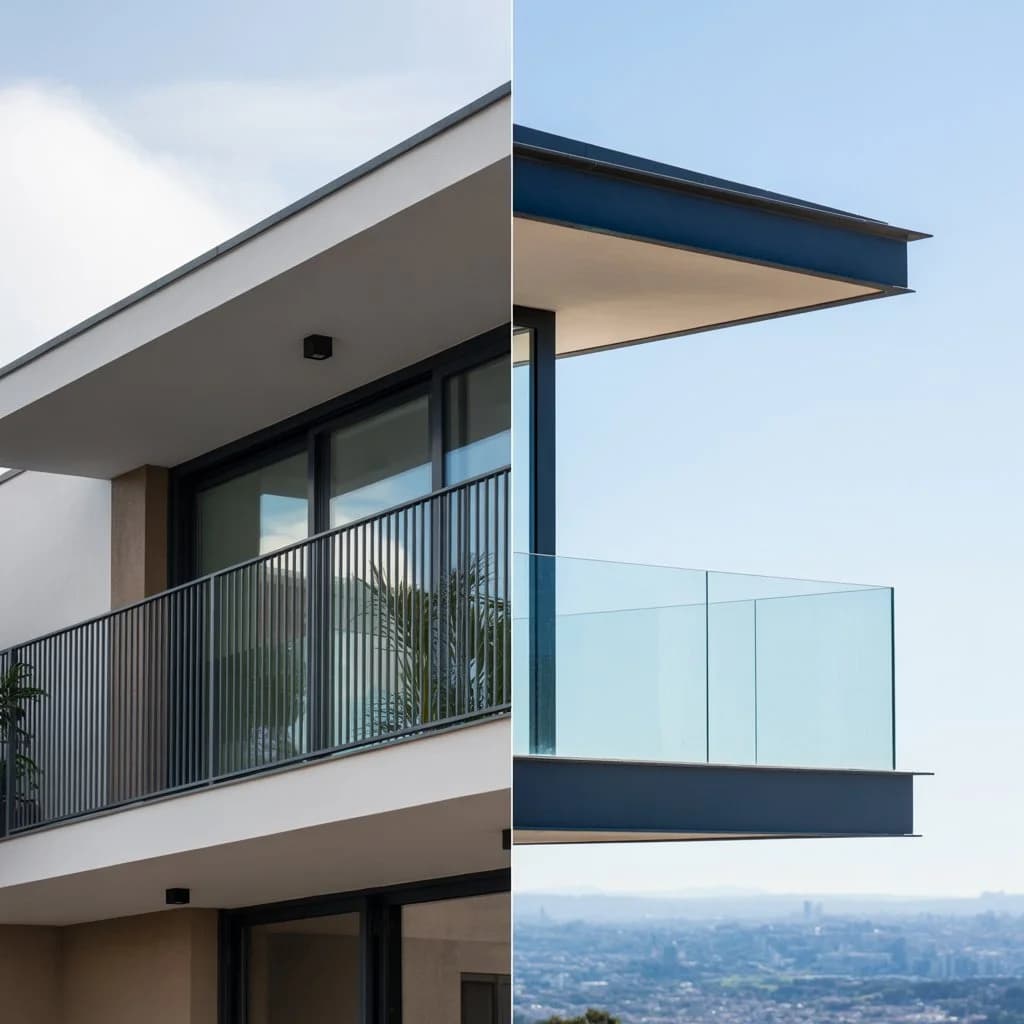
A balustrade is not just a safety feature for a balcony or terrace, but also an important architectural detail that gives the space its character. When choosing the right balustrade, you should consider both aesthetics and user safety. A well-chosen balustrade will make a terrace or balcony look elegant while also ensuring that the space is comfortable to use every day.
In this article, we explain the different types of balustrade, what to consider when choosing one and which materials are currently most popular.
Why is a balustrade so important?
The primary function of a balustrade is protection – it prevents falls from height, which is why building regulations require one on balconies and terraces above a specified height. A balustrade also serves a decorative purpose – it accentuates the style of the house, adds elegance and can even affect the property's value.
A well-chosen balustrade can also improve your quality of life – it provides a sense of privacy, offers protection from the wind and, in the case of solid models, also provides shade from excessive sunlight.
The most popular types of balustrade.
There are many balustrade models available on the market, differing in their construction, style and material. Here are the most popular options:
1. Metal balustrades.
A metal balustrade is a classic choice that combines durability and style. It can be made from stainless steel, powder-coated carbon steel or aluminium.
-
Advantages: high strength, resistance to weather conditions, and the ability to create modern, minimalist designs.
-
Disadvantages: with lower-quality coatings, areas of corrosion may appear.
2. Glass balustrades.
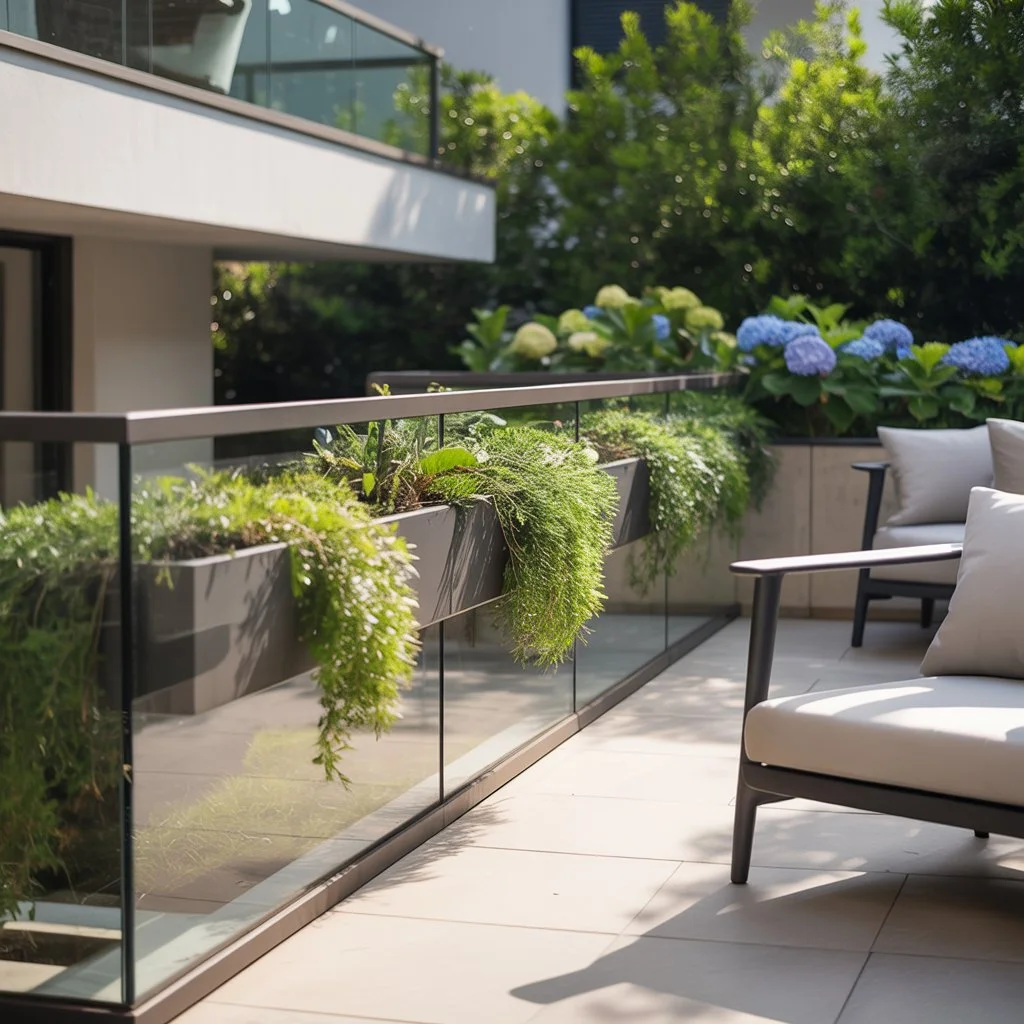
A balustrade made from toughened glass is synonymous with modernity. It works particularly well in homes with modern architecture, apartments and terraces with a view.
-
Advantages: a light, airy appearance, lets light through and creates no visual barriers.
-
Disadvantages: needs more frequent cleaning to prevent smears and water marks from showing.
3. Wooden balustrades.
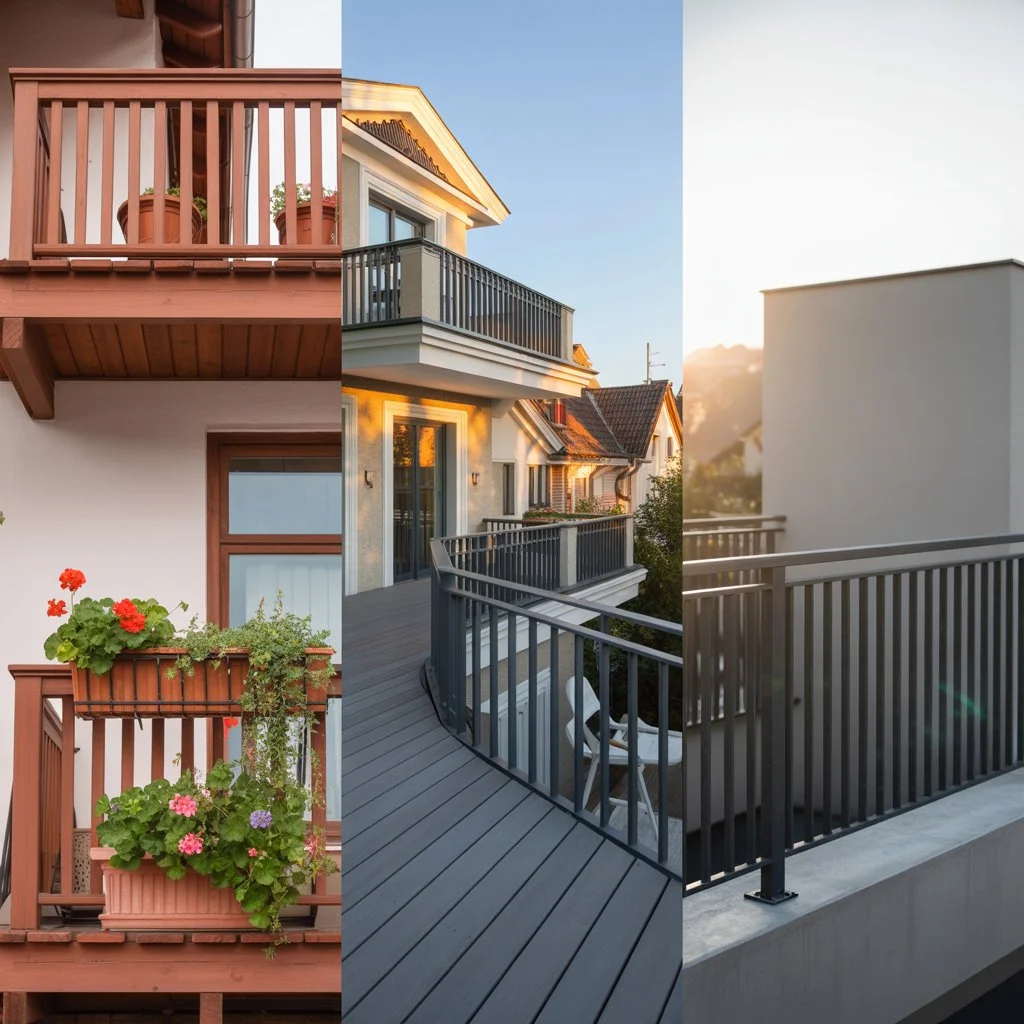
Wood gives a space a warm, natural character. A wooden balustrade is particularly well suited to homes in rustic, highland or Scandinavian styles.
-
Advantages: a natural appearance and the option to customise.
-
Disadvantages: requires regular treatment and care to protect it from moisture and fungi.
4. Composite balustrades.
Balustrades made from composite, a mixture of wood fibres and plastic, are becoming an increasingly popular choice. They pair perfectly with terraces made from composite decking boards.
-
Advantages: resistance to weather conditions, no need for treatment and a modern appearance.
-
Disadvantages: higher price compared with some traditional materials.
5. Brick and concrete balustrades.
This is a solid, enclosed option that provides maximum privacy. It is often used in modern homes and on ground-floor terraces.
-
Advantages: complete screening from view and long-lasting durability.
-
Disadvantages: limits light and the view.
How do you match a balustrade to your home's style?
The choice of balustrade should be consistent with the architecture of the building and the character of the garden.
-
Modern home: a glass or metal balustrade with clean lines.
-
Traditional home: a wooden balustrade or wrought iron.
-
Composite decking terrace: a composite balustrade in the same shade as the decking boards.
-
Rustic home: a wooden balustrade with chunky balusters.
What should you consider when choosing a balustrade?
-
Safety – the balustrade must meet the standards for height and spacing between elements to be safe for children and adults.
-
Resistance to weather conditions – particularly for terraces exposed to rain, frost or intense sunshine.
-
Ease of maintenance – the fewer maintenance tasks a balustrade requires, the more convenient it is for the user.
-
Aesthetics – the balustrade should harmonise with the terrace, façade and garden.
-
Budget – balustrade prices vary depending on the material and design, from several hundred złoty per linear metre to as much as several thousand.
Balustrades and building regulations
The regulations clearly specify the minimum requirements that a balustrade must meet.
-
The minimum height of a balustrade on a balcony or terrace should be 110 cm.
-
The gaps between vertical elements must not be greater than 12 cm, so that a child cannot squeeze through them.
-
The balustrade must be securely fixed and able to withstand loads.
Summary
A balustrade is one of the key finishing elements of a terrace and balcony. The right choice will not only improve safety, but also provide an elegant complement to the architecture of your home. You can find metal, glass, wooden, composite and brick balustrades on the market – each has its advantages and limitations.
If you are planning to build or renovate a terrace, remember that a balustrade should combine functionality, durability and aesthetics. It is an investment for years to come, so it is worth taking the time to choose the best solution.
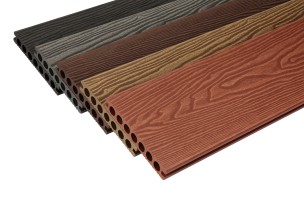
DUO composite decking board 23x148 - 5,8 m
Price per 1mb of board: 21,30 zł
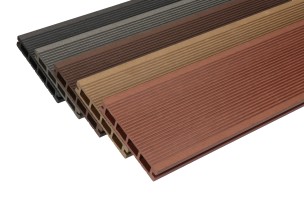
SELECT composite decking board 25x140 - 5,8 m
Price per 1mb of board: 17,27 zł
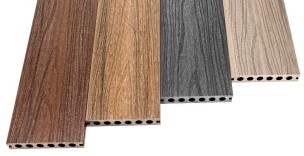
PREMIUM composite decking board 23x138 - 5,8 m
Price per 1mb of board: 24,85 zł
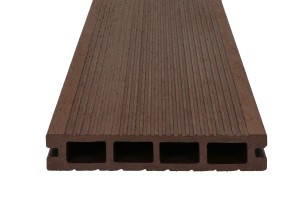
SELECT composite decking board 25x140 - 3,5 m
Price per 1 linear metre of decking board: 17.27 zł



