What’s best for an uncovered terrace? The best materials and practical solutions.
Wondering what works best for an uncovered terrace? Discover materials resistant to rain, sun and frost, along with practical design tips.
An uncovered terrace is a special space – in summer, it can become your favourite place for morning coffee, family lunches or evening get-togethers with friends. But unlike a covered terrace, it is constantly exposed to rain, snow, wind and sunlight. That is why choosing the right finishing material is a key decision that will determine not only its appearance, but also the durability of the entire structure.
So, what works best for an uncovered terrace? Is it worth choosing natural timber, modern composite, elegant porcelain tiles or perhaps durable paving blocks? In this post, we will look at all the most popular options, discuss their advantages and disadvantages, and suggest how to create a terrace that will last for many years without the need for costly renovations.
Why is choosing a material for an uncovered terrace so important?
A terrace exposed to rain, snow, UV rays and temperature changes must be exceptionally durable. Choosing the wrong material can result in:
-
rapid surface deterioration,
-
colour fading,
-
deformation or even cracking,
-
costly renovations every few seasons.
So, when planning an uncovered terrace, it is worth investing in materials that are durable and easy to maintain.
How do you care for an uncovered terrace?
Whatever you choose, remember a few basic rules:
-
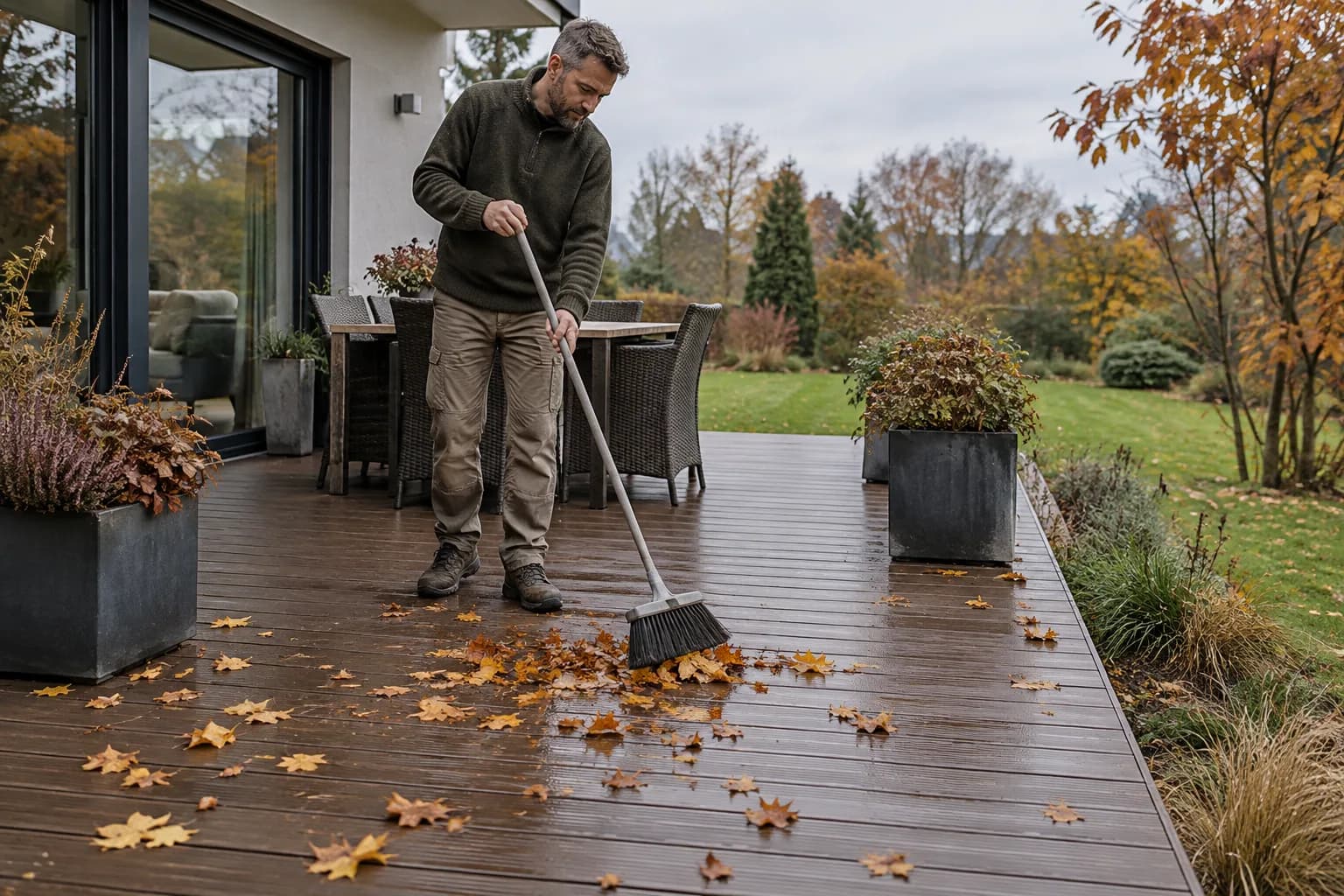
Regular cleaning – remove leaves, mud and stains to avoid discolouration.
-
Sealing (for timber and concrete) – this will extend the material’s lifespan.
-
Checking the surface condition – look out for any cracks or damage.
-
Ensuring proper water drainage – the terrace should have a slight slope so that rainwater does not collect on the surface.
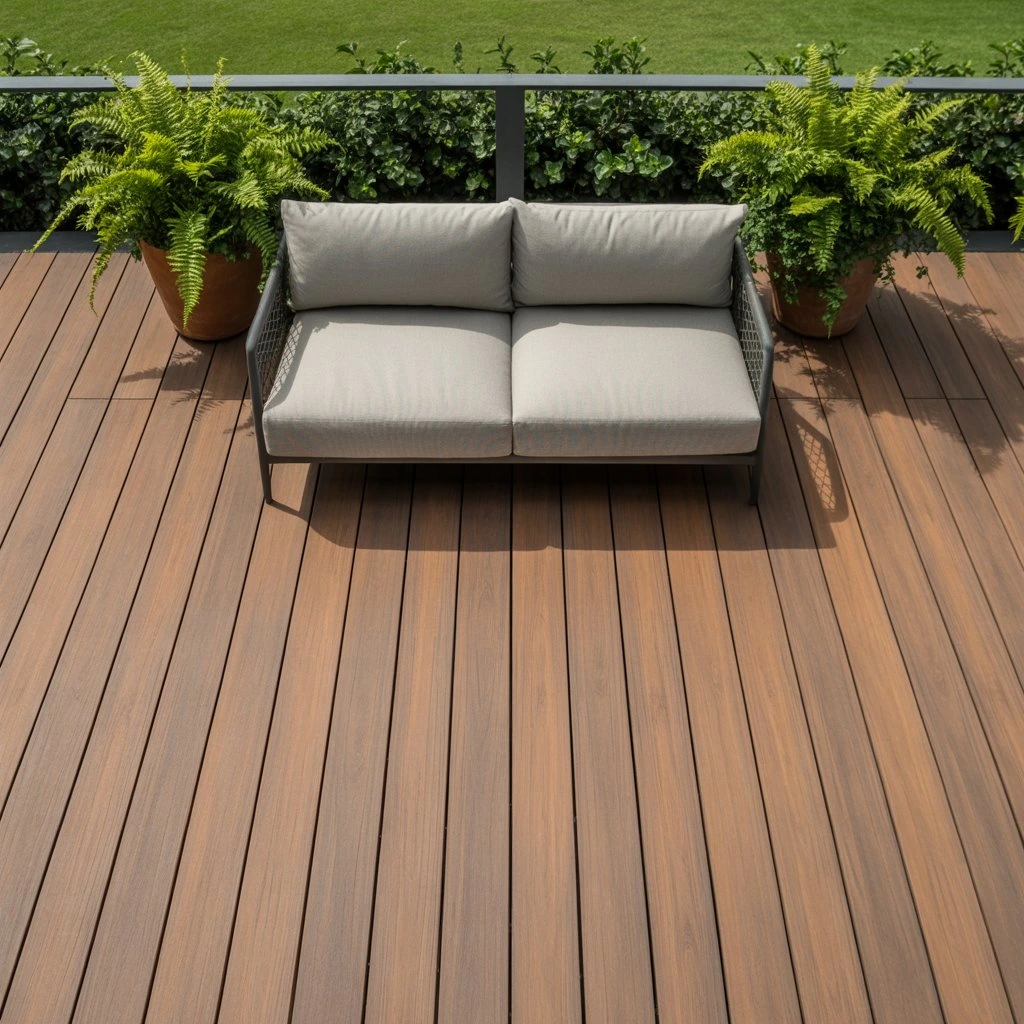
What works best for an uncovered terrace – an overview of the best materials.
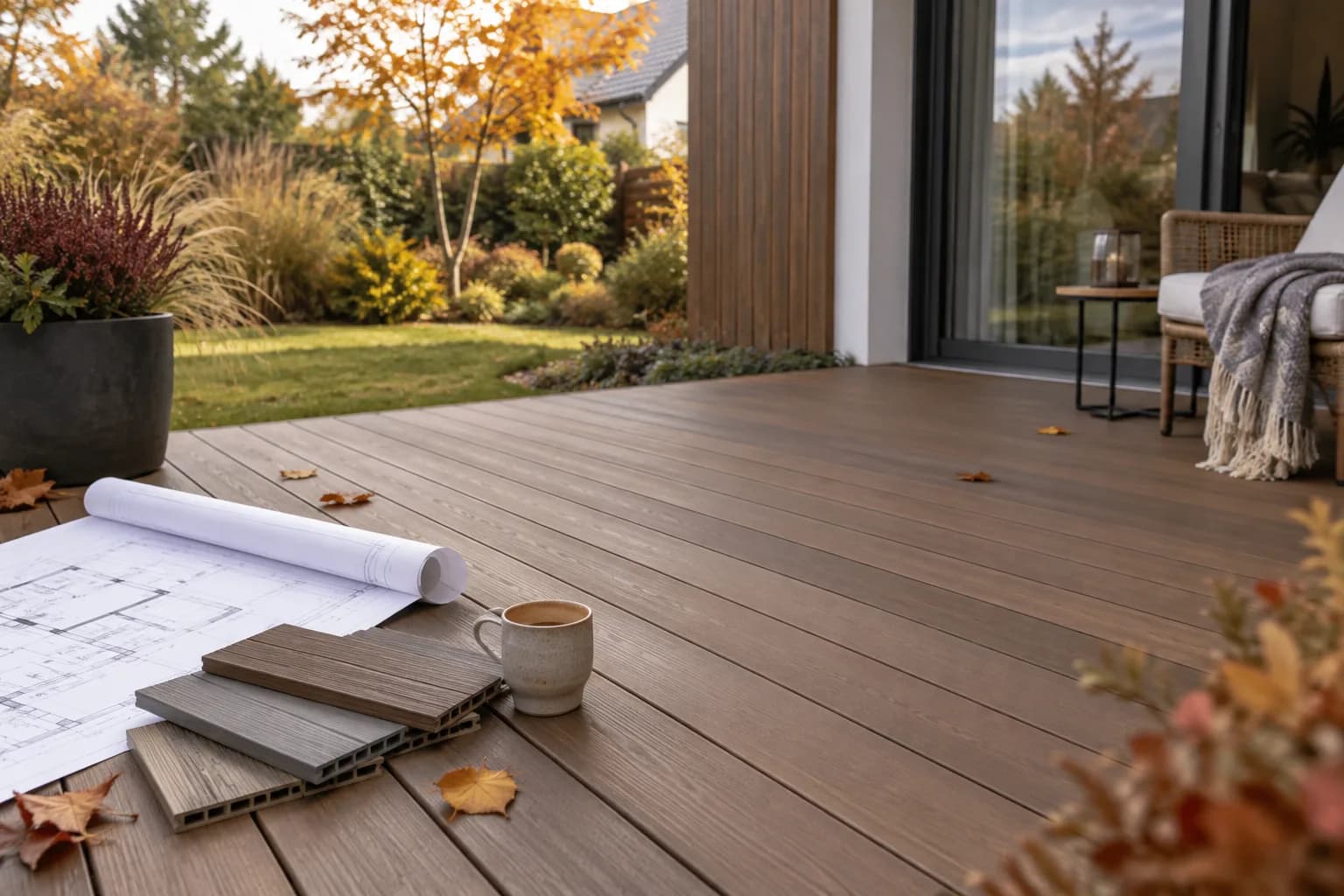
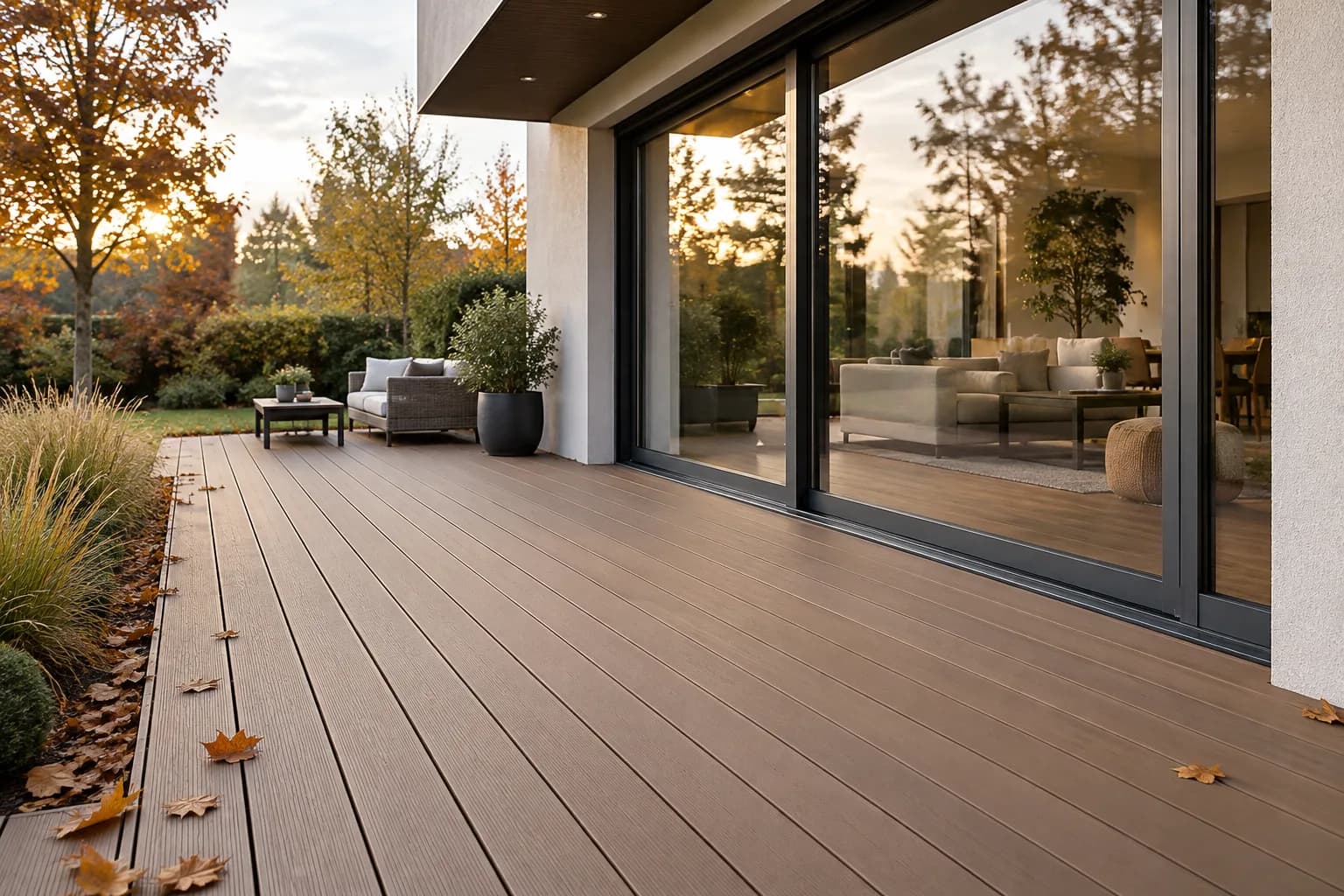
1. Composite decking boards.One of the most popular options. Composite decking boards are a blend of wood fibre and plastic.
Advantages:
-
resistance to rain, snow and UV radiation,
-
no need for sealing or painting,
-
a wide choice of colours and textures,
-
non-slip surface – safe even after rain.
Disadvantages:
-
higher cost compared with timber,
-
requires professional installation with expansion gaps.
This is an ideal option if you want a terrace with a modern look that does not require much effort to maintain.
2. Natural timber.Once the most popular material for terraces, it is now increasingly being replaced by composite.
Advantages:
-
natural and elegant appearance,
-
pleasant to the touch,
-
a wide choice of species – from pine to exotic bangkirai or teak wood.
Disadvantages:
-
requires regular treatment and oiling,
-
susceptible to rot and fungi,
-
may warp when exposed to moisture.
If you love natural materials and don't mind the need for maintenance, wood is a good choice.
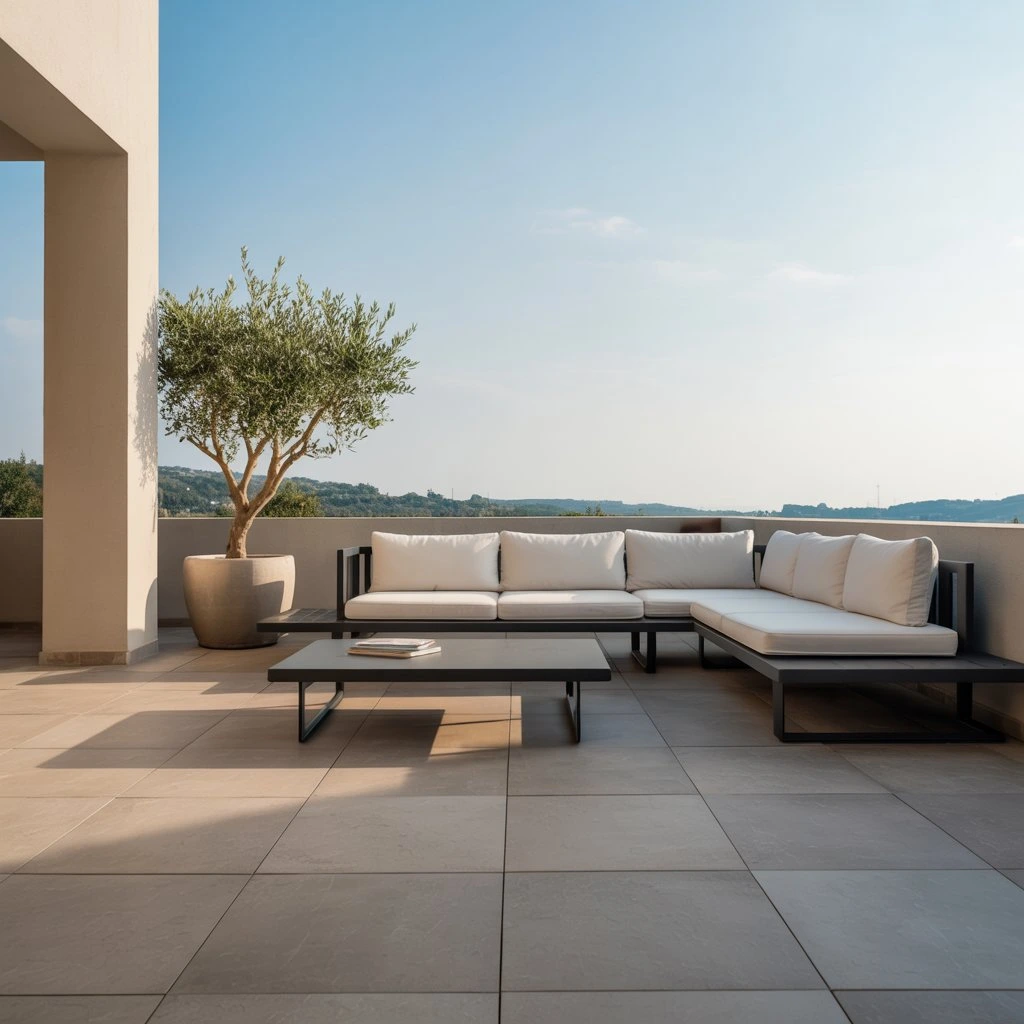
An excellent solution for those who value elegance and a modern look. Technical or glazed porcelain tiles are ideal for a terrace.
Advantages:
-
resistant to moisture and frost,
-
easy to clean,
-
a huge choice of colours, patterns and textures,
-
very durable – when correctly installed, they can last for several decades.
Disadvantages:
-
may be slippery in the rain (it's worth choosing anti-slip tiles),
-
more difficult to install and requires a suitable base,
-
may crack in winter if not bonded correctly.
👉 This is an option for those who want an elegant terrace that complements modern architecture.
4. Block paving.
A classic and versatile solution.
Advantages:
-
very durable and resistant to damage,
-
easy to replace if an individual unit is damaged,
-
a wide range of colours and patterns.
Disadvantages:
-
grass and moss can grow in the gaps,
-
heats up in direct sunlight,
-
requires the base to be prepared properly.
It works very well in traditional designs and wherever durability matters.
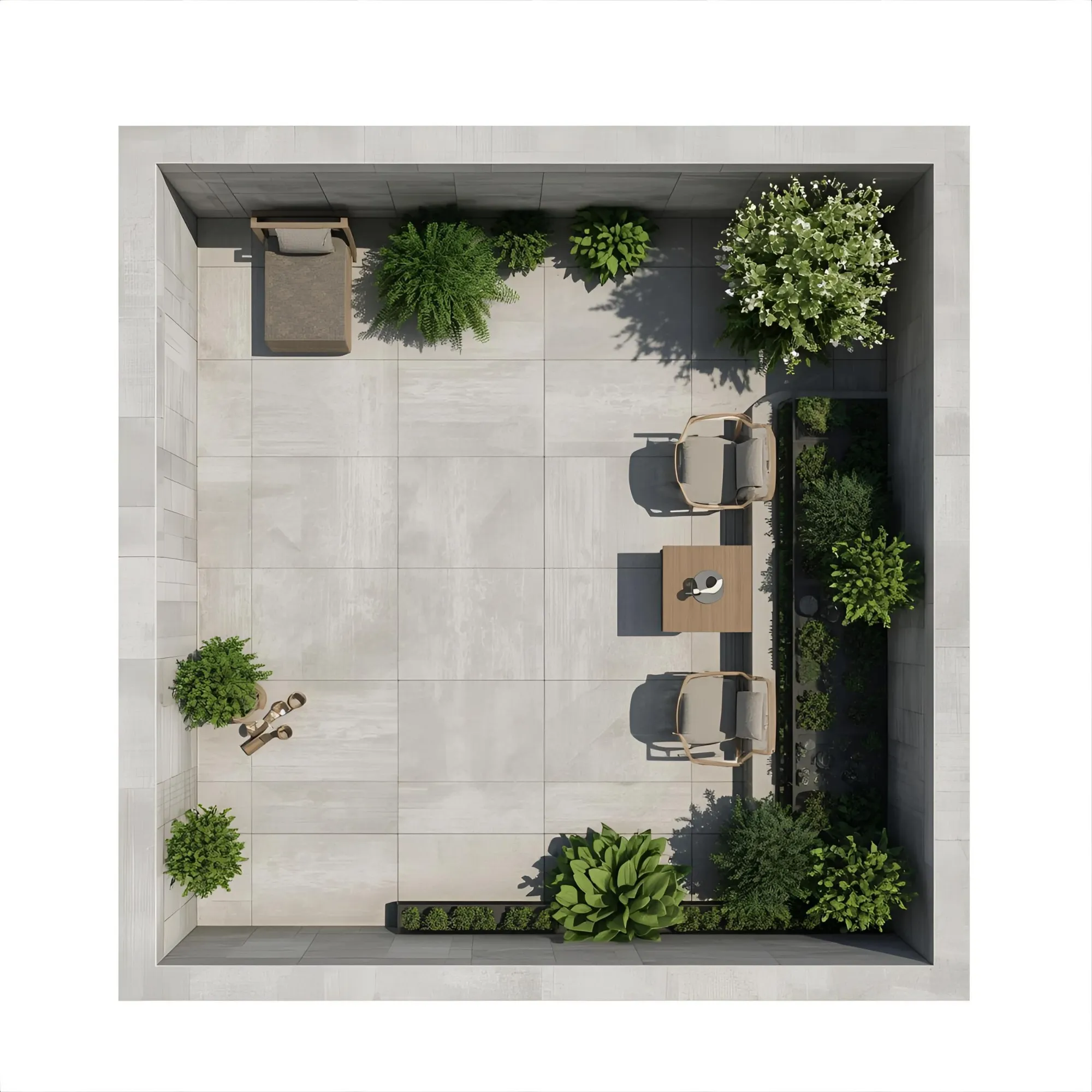
A modern material that is becoming increasingly popular.
Advantages:
-
a minimalist, raw appearance,
-
resistant to frost and moisture,
-
easy to clean.
Disadvantages:
-
visually cold, which may not appeal to everyone,
-
quite expensive,
-
may need treating to prevent stains.
Ideal for fans of industrial and modern styles.
FAQ – frequently asked questions
1. What is best for an uncovered terrace?
Composite decking boards and porcelain tiles are most recommended – they are durable, attractive and easy to maintain.
2. Can ordinary ceramic tiles be laid?
No – ordinary tiles will crack quickly. Only frost-resistant porcelain tiles are suitable for a terrace.
3. Is exotic wood better than pine?
Yes, exotic wood is more durable and more resistant to moisture, but it is also much more expensive.
4. How can you make an uncovered terrace safe in winter?
It's worth choosing materials with anti-slip properties and removing snow regularly.
Summary – what should you choose for an uncovered terrace?
The decision about what to lay on an uncovered terrace depends on your needs, budget and the style of your home. If you value convenience and a modern look, choose composite decking boards. Love classic style and natural beauty? Choose wood, remembering to maintain it regularly. Dreaming of an elegant terrace that will last for years? Technical porcelain tiles are an excellent choice. And if you're looking for durability and simplicity, opt for block paving or architectural concrete.
One thing is certain – choosing the right material will make your uncovered terrace a place to relax and socialise for many seasons to come.
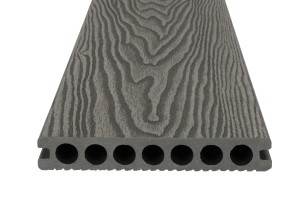
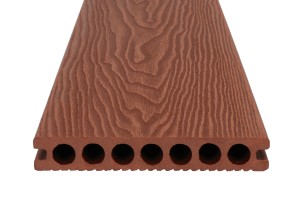
DUO 23x148 composite decking board - 1.8 m
Price for 1 linear metre of board: 21,30 zł
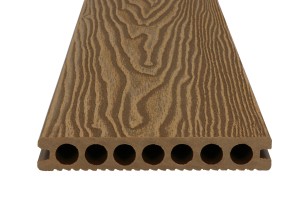
DUO 23x148 composite decking board - 2,25 m
Price for 1 linear metre of board: 21,30 zł
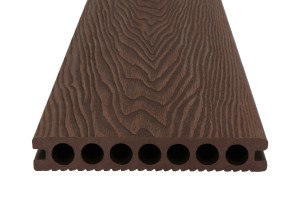
DUO 23x148 composite decking board - 2,9 m
Price for 1 linear metre of board: 21,30 zł
DUO 23x148 composite decking board - 3,5 m
Price for 1 linear metre of board: 21,30 zł