
What to do if a composite decking board cracks? Repair and prevent damage.
Cracked composite decking board? Discover tried-and-tested repair methods and learn how to prevent damage in the future!
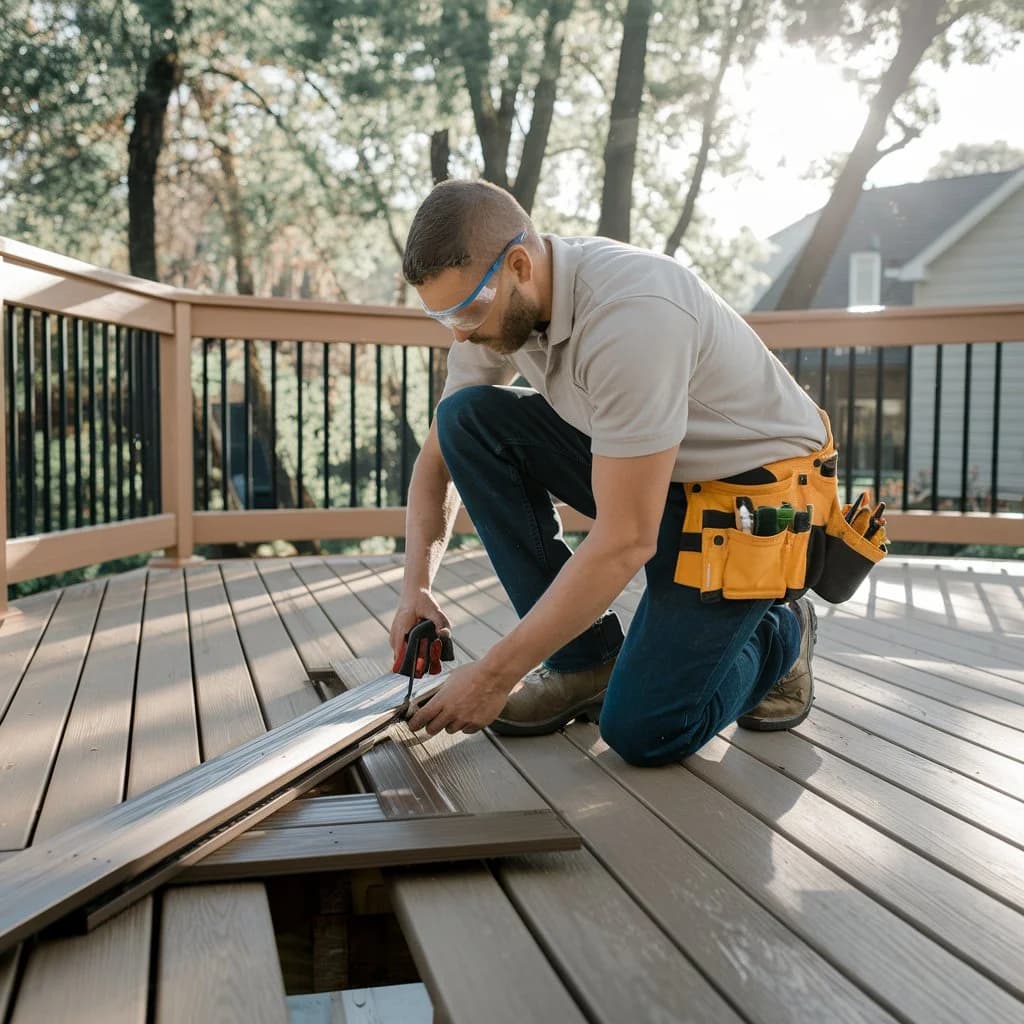
Composite decking boards are renowned for their durability and resistance to weather conditions, but – like any material – they can be damaged. Cracks can appear for various reasons: incorrect installation, overloading, extreme temperatures or mechanical impacts.
What should you do if a decking board cracks on your terrace? Can it be repaired, or is it better to replace it? In this article, we will discuss:
- The most common causes of composite decking board cracks.
- How to repair a damaged board.
- How to prevent cracks in the future.
Why do composite decking boards crack? The most common causes.
Before we move on to repairs, it is worth understanding what may have caused the damage. Here are the most common causes of cracks in composite decking boards:
-
Installation error.
- Fixings that are too tight – not leaving enough room for the material to expand can cause stress and cracks.
- Using unsuitable screws – incorrectly selected screws can put excessive strain on the board's structure.
- No expansion gaps – like wood, composite expands and contracts as the temperature changes. If the boards are fixed too rigidly, they may crack.
-
Extreme weather conditions.
- Severe frost can make the material brittle, particularly in the case of cheap, low-quality boards.
- Prolonged exposure to the sun can weaken the structure and cause hairline cracks, which grow over time.
-
Excessive load
- Composite is not as flexible as wood – if the terrace is not adequately supported, excessive weight (e.g. large planters or a hot tub) can cause cracks.
-
Mechanical impacts.
- Dropping heavy objects (e.g. tools or garden furniture) can cause damage, particularly to the edges of the boards.
Now that we know the causes, let's look at the solutions!
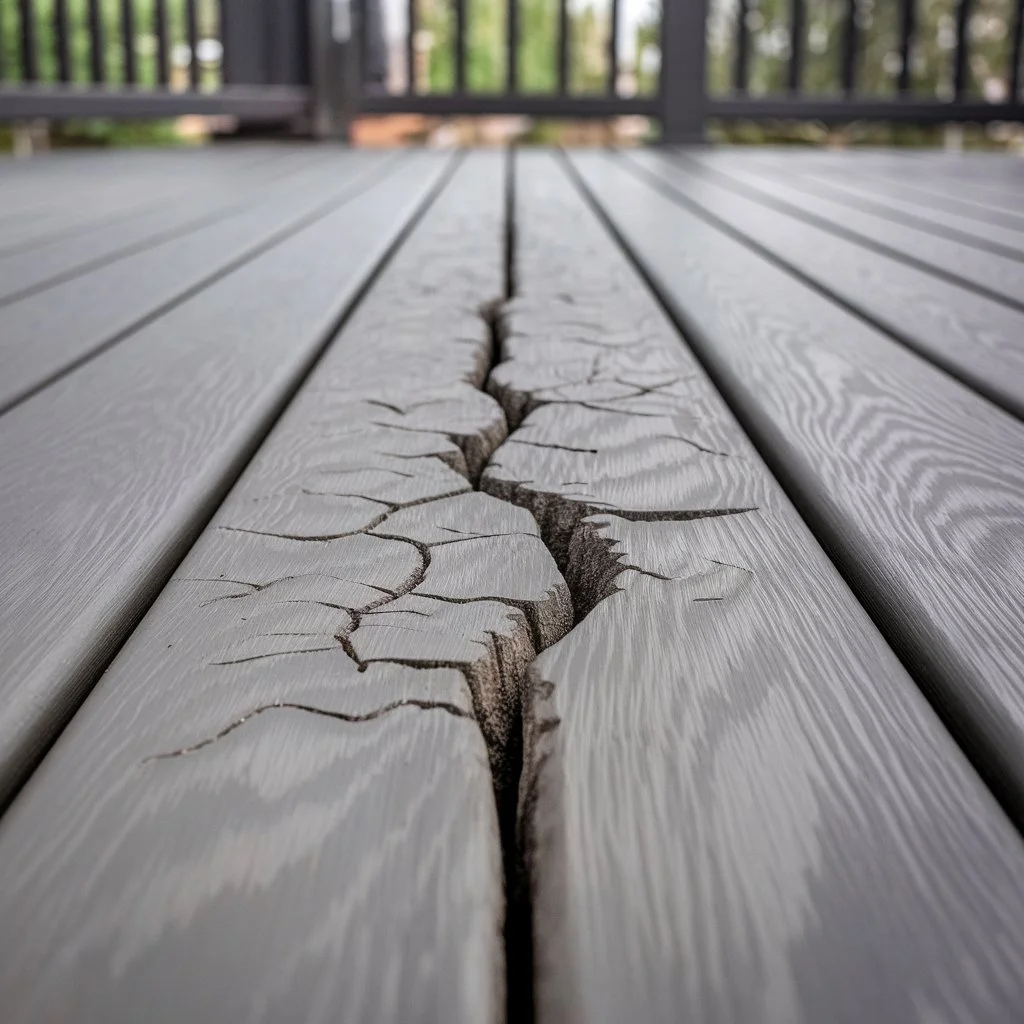
How to repair a cracked composite decking board?
Depending on the type and size of the damage, you have several repair options.
-
A small crack or scratch.
If the crack is small, you can try to disguise it:
- Using repair wax – available from DIY shops. It fills the crack and makes it less visible.
- Sanding with fine-grit sandpaper – for superficial scratches, lightly sanding the surface may help.
- Special composite repair fillers – applied like putty and, once dry, they blend with the board's texture.
-
A larger crack or delamination of the board.
If the crack is larger, the repair may be more difficult, but it is still possible:
- Bonding the damaged section back in place – using a strong adhesive for plastics, although this is a temporary solution.
- Screwing a metal reinforcing strip underneath the board – this may help if the damage is not too extensive.
-
Complete board replacement.
If the crack is extensive or is in a vulnerable area (e.g. at the edge of the terrace), the best solution is to replace the board with a new one.
How do you do this?
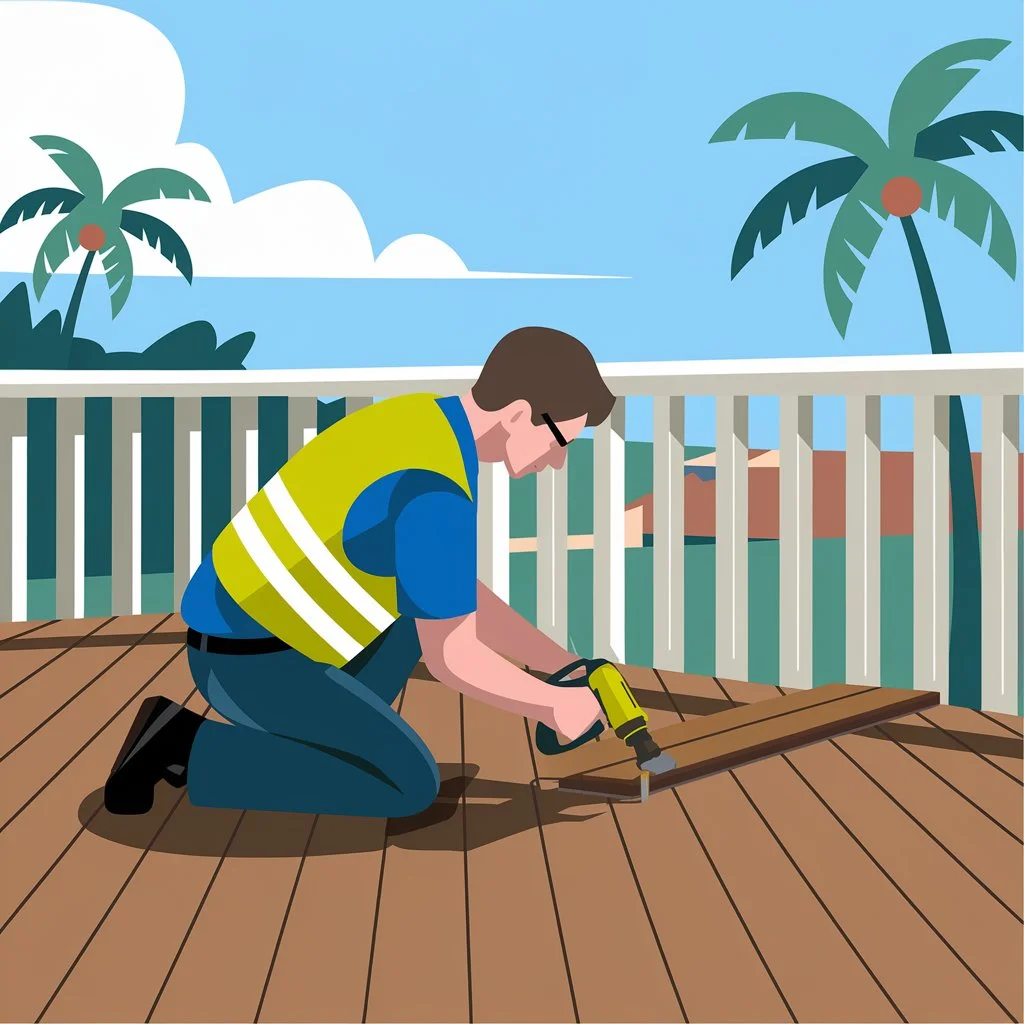
- Unscrew the damaged board (if it is fixed with screws).
- Carefully remove the board from the fixing clips.
- Replace it with a new board, remembering to leave suitable expansion gaps.
Tip: If you still have any spare boards left over from installation, their colour will be the closest match to the current shade of your terrace. New boards may initially differ in colour because they have not been exposed to the sun.
How to prevent cracks in the future?
- Ensure correct installation – remember to allow for expansion and leave appropriate gaps between the boards.
- Do not overload the terrace – if you plan to place heavy furniture or a hot tub on it, make sure the supporting structure is strong enough.
- Avoid impacts – if you move furniture frequently, stick felt pads to its feet to reduce the risk of damage.
- Check the condition of the boards regularly – minor cracks can be repaired before they become a serious problem.
- Buy good-quality boards – cheaper composite decking boards are often less resistant to damage. It is worth choosing a product from a reputable brand.
Summary.
A cracked composite decking board is a problem that can be solved – depending on the extent of the damage, you can repair it or replace it. To avoid similar situations in the future:
- Ensure correct installation and leave room for expansion of the boards.
- Do not overload the terrace – heavy planters, barbecues or hot tubs can cause cracks.
- Avoid mechanical damage – impacts can lead to micro-cracks.
- Choose high-quality boards – cheaper models are often less resistant to damage.
Composite decking board 2.2x14.5 cm. Gardin Deco 2.0 3.0 m.
Price per 1 linear metre of board: 45,90 zł
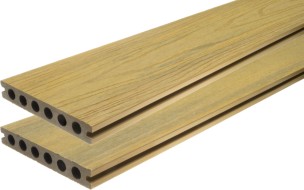
Composite decking board 2.2x14.5 cm. Gardin Deco 2.0 4.0 m.
Price per 1 linear metre of board: 45,90 zł
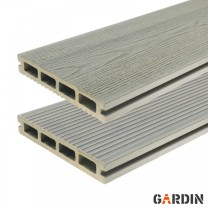
GARDIN NATUR composite decking board 23x146 - 1.5m
Price per 1 linear metre of board: 26,98 zł
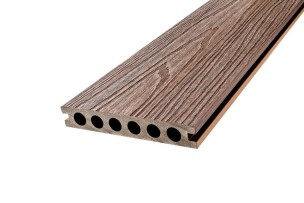
PREMIUM composite decking board 23x138 - 4.0 m
Price per 1 linear metre of board: 24,85 zł



