
Will 2026 be the year of composite cladding? Architects’ forecasts for the future.
Will composite façades dominate architecture in 2026? Find out what architects predict and why this material is becoming so popular.
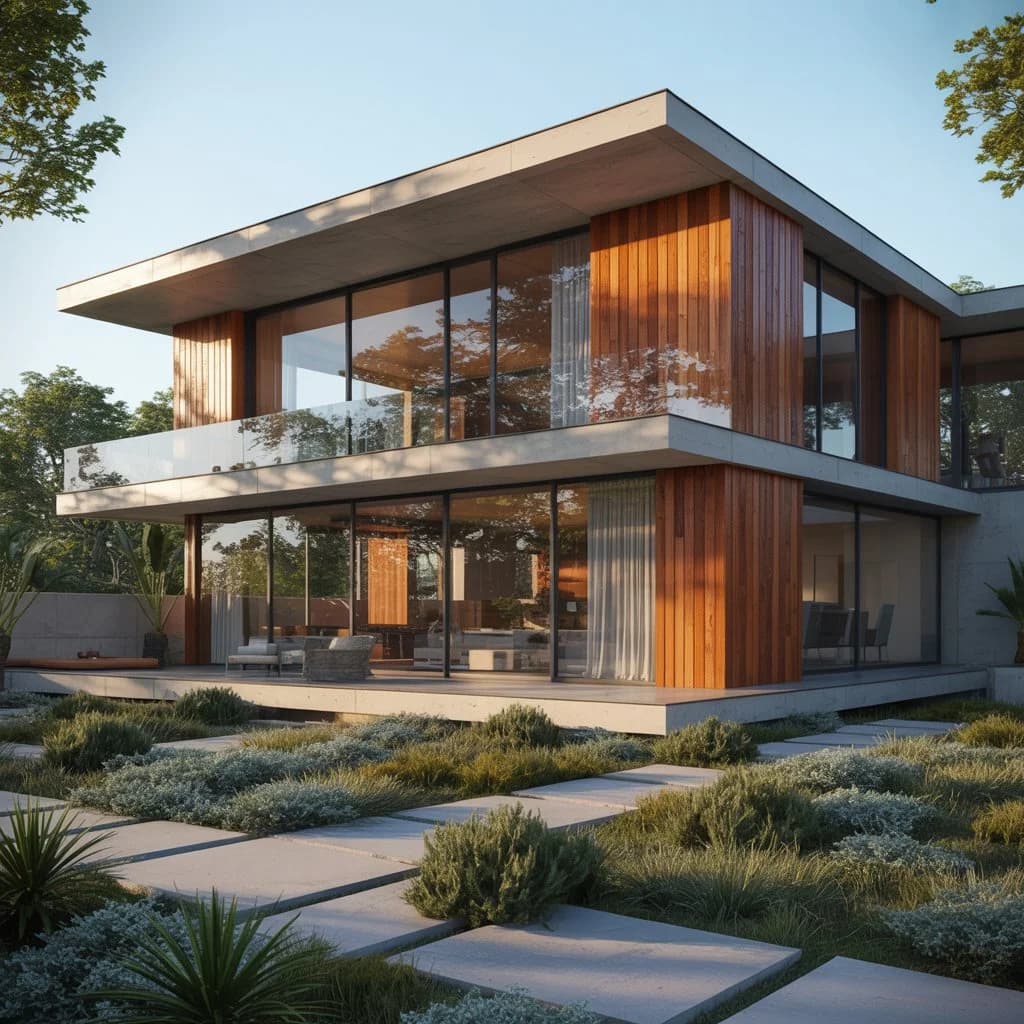
In the world of modern architecture, we are constantly looking for solutions that are not only functional but also attractive. Composite cladding is one of the trends that has gained prominence in recent years – and everything suggests that it could really take off in 2026. But what is it that makes composite materials such a hit for building façades?
What is composite cladding?
Before we look at the forecasts, it is worth explaining exactly what composite cladding is. It consists of cladding made from a blend of different materials – most commonly aluminium, plastics and mineral fibres – which together create a durable and attractive façade surface.
The most popular types of composite material used for façades include:
- Aluminium composite panels (ACP) – lightweight and resistant to weather conditions.
- Fibre cement – excellent at imitating wood or concrete.
- WPC (Wood Plastic Composite) – an environmentally friendly combination of wood and plastics.
Why is composite gaining prominence?
So, what is making this material so popular? Architects point to several key advantages:
- A modern appearance – composite offers wide-ranging design possibilities, from a wood effect to industrial minimalism.
- Durability and resistance – it does not rust, rot or fade.
- Easy to install – lightweight panels can be installed quickly on different types of buildings.
- Sustainability and energy efficiency – many composite panels are made from recycled materials.
- Long service life – well-installed composite façades can last for decades without significant maintenance.
Examples of composite cladding in practice.
- Poland – an increasing number of housing estates and office buildings in large cities (Warsaw, Wrocław, Gdańsk) use composite panels as their main façade material.
- Abroad – Dubai, Singapore and even Scandinavian cities: wherever design and durability matter, composite is gaining fans.
- Detached houses – composite façades are also appearing increasingly often in the premium residential construction sector.
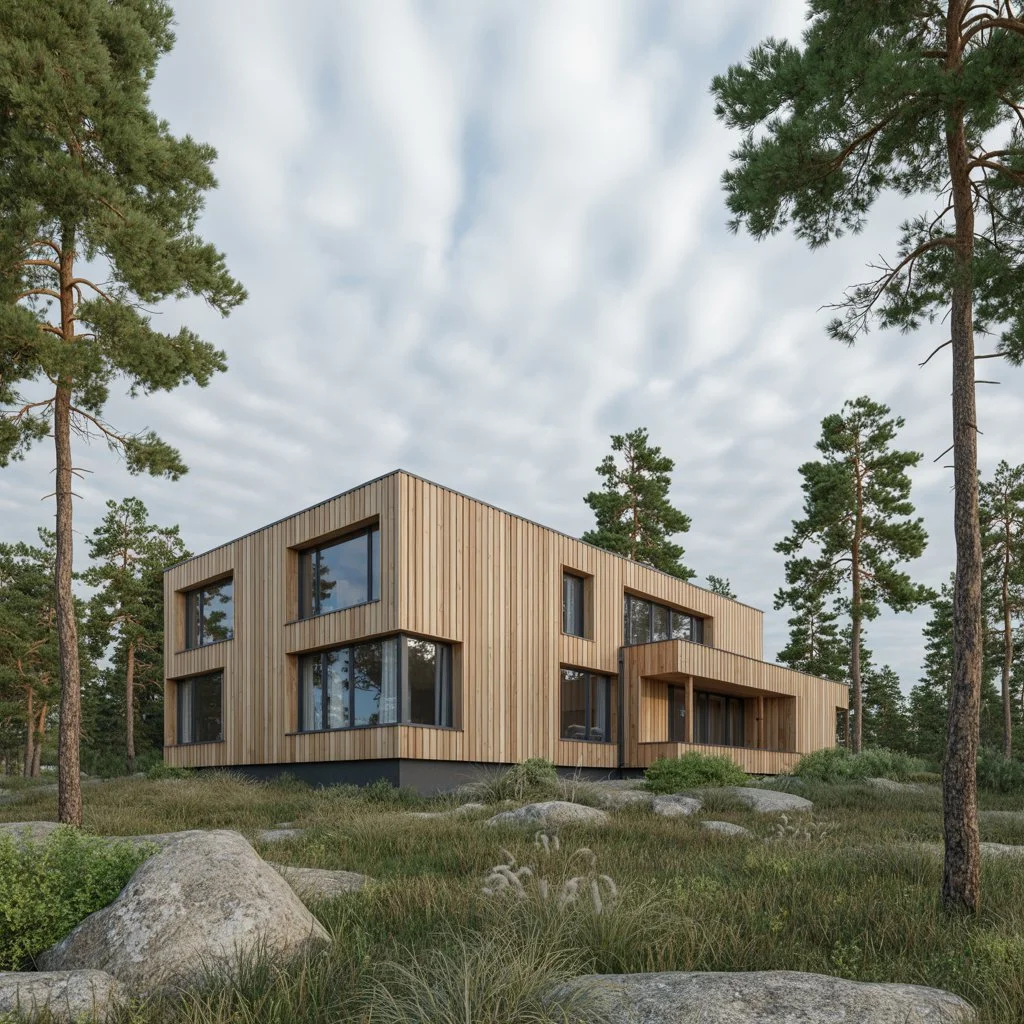
Forecasts for 2026: what do architects say?
1. The growing importance of sustainable construction.
The focus on environmentally friendly and energy-efficient construction is growing year on year. This trend could reach its peak in 2026, both because of EU regulations and increasing public awareness. Composite façades fit this philosophy perfectly: they are lightweight, often made from recycled materials and help insulate buildings.
2. A boom in modular construction and prefabrication.
Prefabricated structural elements are the future of construction. And composite? It is ideal for this – easy to transport, cut and install. As a result, we can expect an even bigger boom in ready-made composite façade modules in 2026.
3. Aesthetics matter.
Architects are experimenting more and more with the form, texture and colour of façades. Composite gives them almost unlimited design freedom. The ability to combine different shades, textures and shapes makes composite façades a "canvas" for modern architecture.
The pros and cons of composite – no sugar-coating.
Pros:
- Low weight,
- High resistance to UV and water,
- No need for painting,
- Easy installation,
- Modern appearance.
Cons:
- Higher initial cost (but it pays off over time),
- Not every composite looks natural (for example, a wood imitation may look “artificial”).
Is it worth investing in composite in 2026?
Definitely – if durability, aesthetics and a modern style matter to you, composite façades will be an investment for the future. For commercial investors and private homeowners alike, this is a technology with a lot to offer.
What lies ahead?
Everything suggests that 2026 could be a turning point – not only because of the development of composite materials themselves, but also thanks to changes in regulations and market expectations. Modern façades are expected to be sustainable, durable and striking – and composite meets all these requirements.
Frequently asked questions (FAQ).
Does composite cladding require maintenance?
Very little – simply rinse it with water from time to time to keep it looking fresh.
Can composite be used in areas exposed to strong sunlight?
Yes! High-quality panels are highly resistant to UV radiation.
Is composite more expensive than render?
Yes, but considering its durability and the fact that it does not need to be renewed, it is more cost-effective in the long term.
How long does composite cladding last?
Up to 30–50 years with correct installation and in suitable conditions.
In conclusion.
2026 could go down in history as the moment when composite cladding reaches full maturity and becomes the number one choice in modern construction. Will that happen? Everything suggests we are on the right track. Architects already know that composite is more than just a fashionable material – it is a solution for the future.
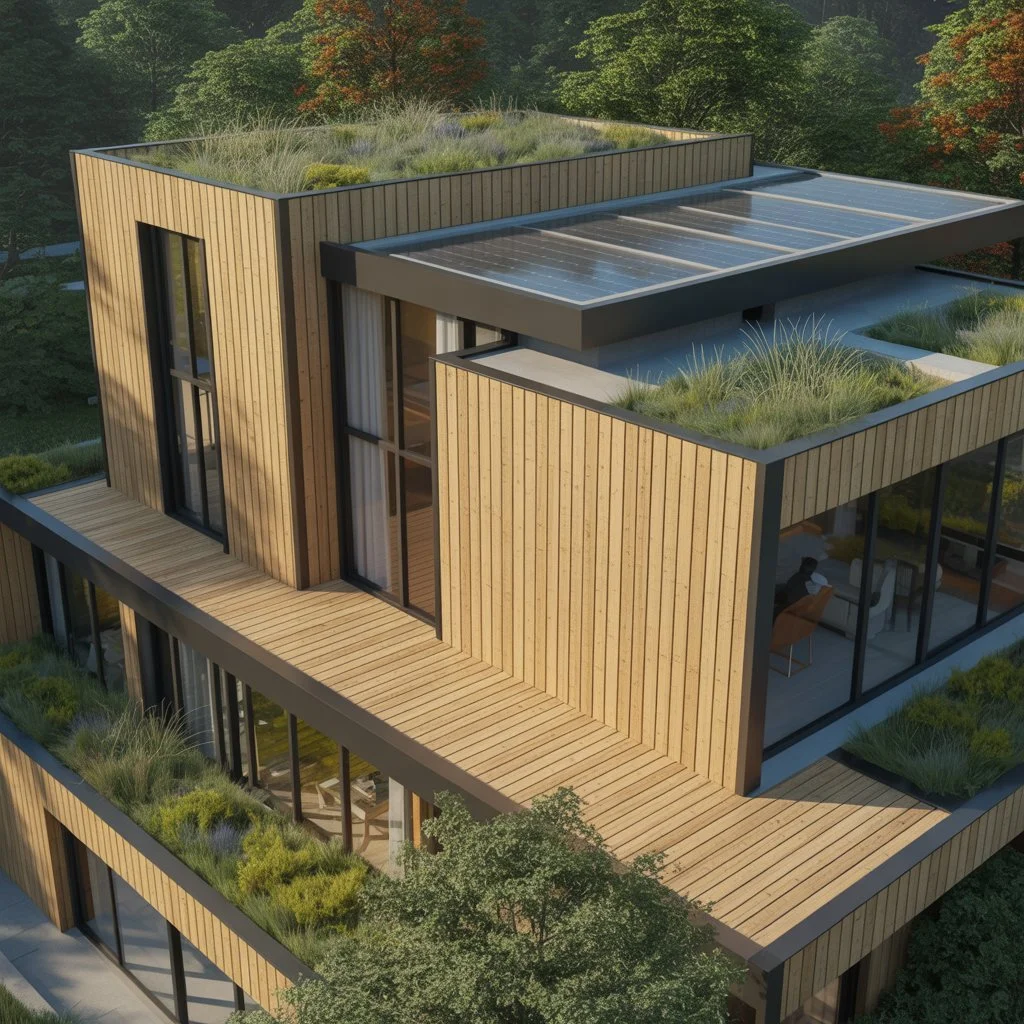
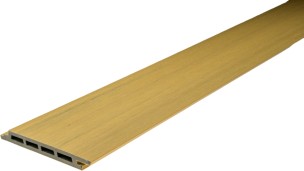
Smooth Premium OAK Composite Cladding Board
Dimensions: 14x138x2950
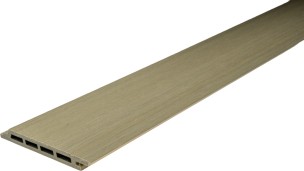
Smooth Premium SILVER FIR Composite Cladding Board
Dimensions: 14x138x2950
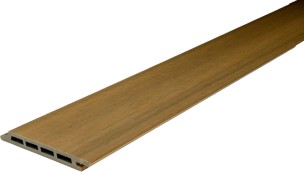
Smooth Premium TEAK Composite Cladding Board
Dimensions: 14x138x2950
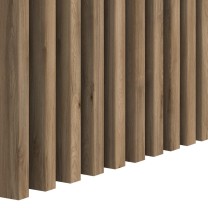
Dark oak wall slats 16x30 mm, decorative wall battens
Price is for one slat



