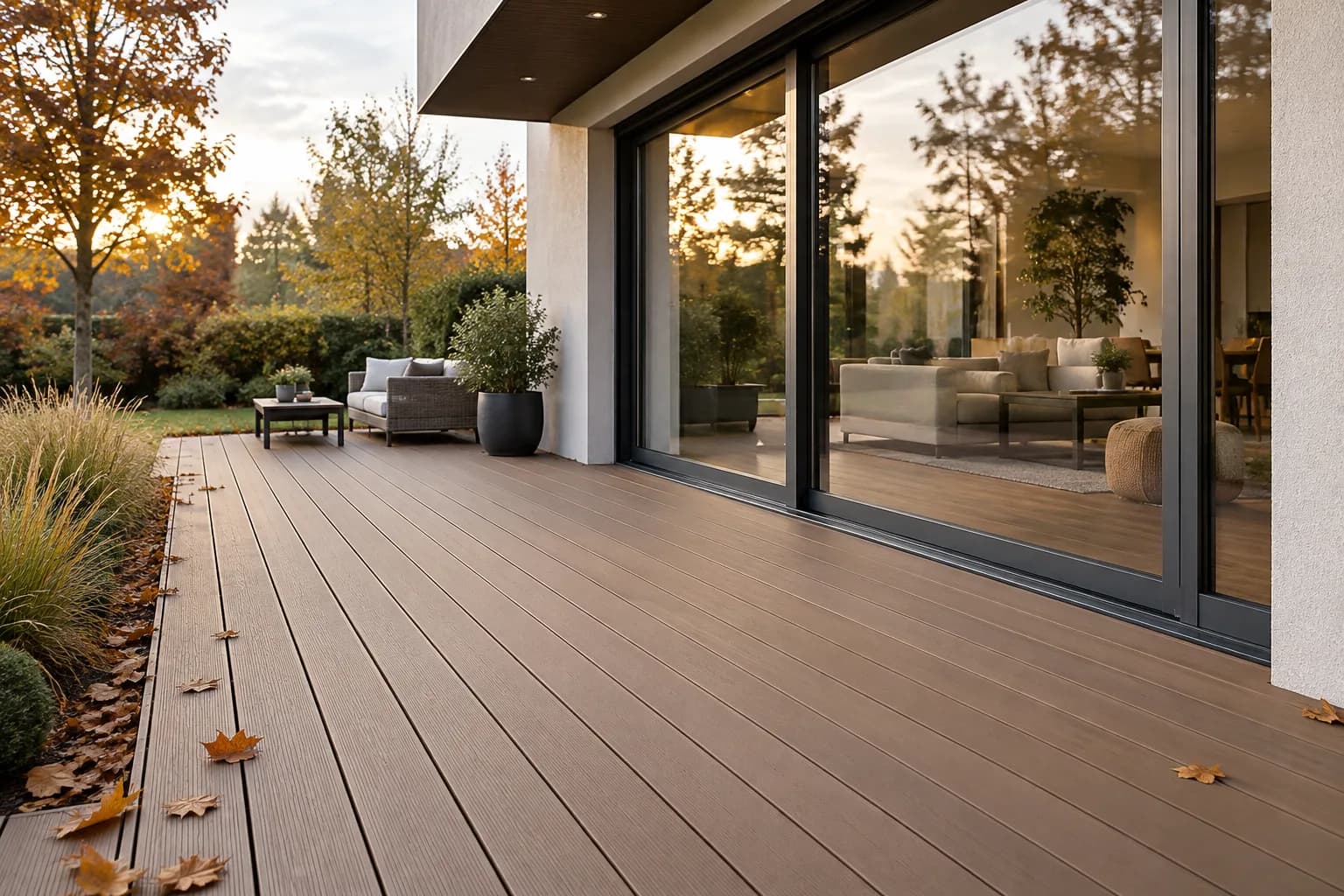
Can Composite Decking Boards Be Installed in Freezing Conditions?
Wondering whether composite decking boards can be installed in freezing conditions? Find out what to look out for, what manufacturers recommend and how to avoid potential problems.

Planning to install composite decking boards, but winter has taken you by surprise with its low temperatures? Don't worry, it happens! After all, many people want to make their dream of a new terrace come true as soon as possible, whatever the time of year. But is installing them in freezing conditions a good idea? In this article, we'll take a closer look at the subject and explain what to bear in mind to avoid problems and achieve the desired result.
Are composite decking boards suitable for installation in winter?
Installing composite decking boards in freezing conditions can be more difficult than in the warmer months, but it is not impossible. It is important to understand the properties of composite decking boards and the challenges that may arise when installing them at low temperatures.
Why are low temperatures a challenge?
1. Thermal expansion of the material.
Composite decking boards, like many other materials, change dimensions in response to temperature. At low temperatures they may contract, and in summer they may expand. If you do not allow for these changes during installation, problems such as warping, gaps or cracks may occur.
2. More difficult working conditions.
Working outdoors in freezing conditions can be not only less comfortable, but also riskier for the installation itself. For example, screws or fasteners may be more prone to breaking, and the boards may become brittle.
3. Effect on the material's flexibility.
Composite decking boards may be less flexible at lower temperatures, increasing the risk of damage during cutting or installation.
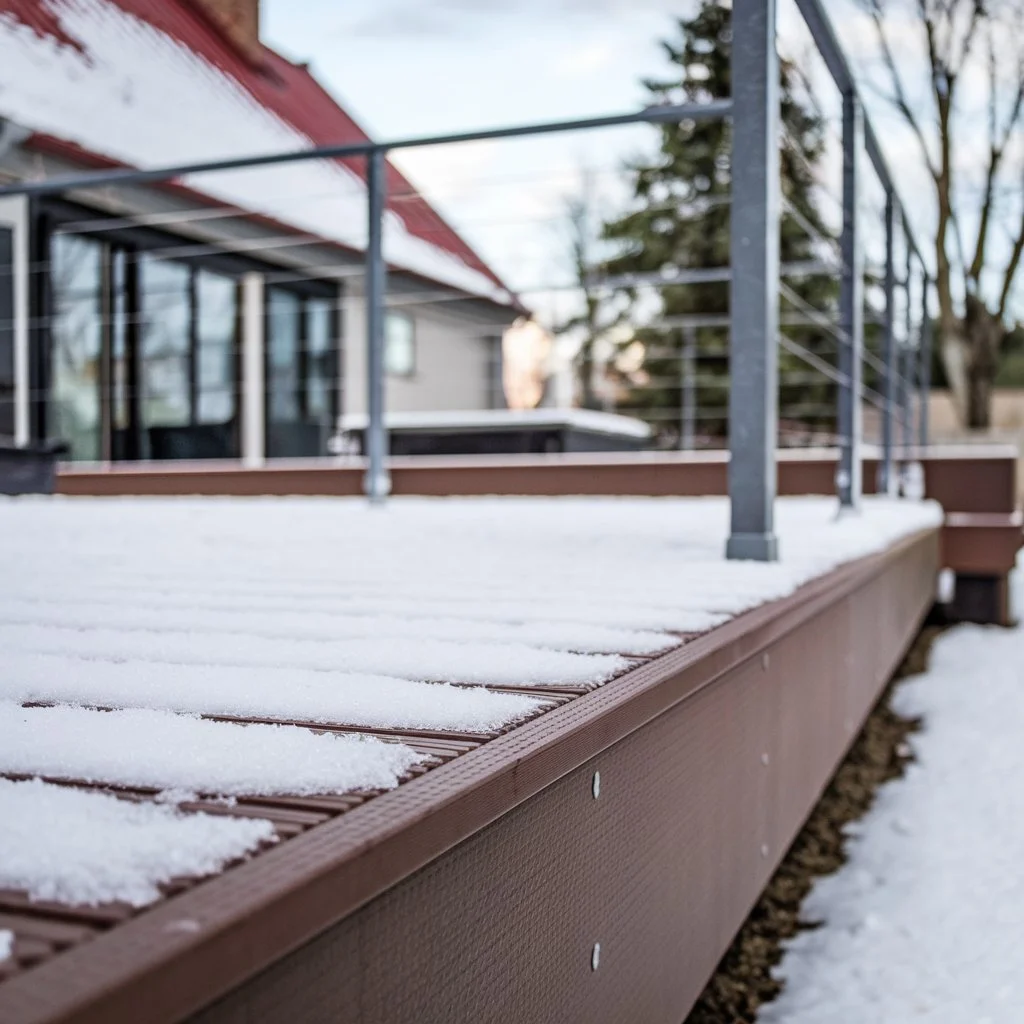
How to prepare for installation in winter conditions?
If you decide to install composite decking boards in freezing conditions, you need to prepare properly. Here are some key tips:
1. Storing the boards before installation.
Composite decking boards should be stored in a place protected from frost and moisture, preferably indoors at a constant temperature. This will help avoid problems caused by sudden temperature changes during installation.
2. Maintaining the correct gaps.
Because composite decking boards expand and contract with temperature, it is essential to leave the correct gaps between them. The manufacturer's instructions usually contain detailed guidelines, which should be followed.
3. Using the right tools.
When working at low temperatures, it is worth using high-quality tools that are less prone to damage. In addition, before drilling or screwing, it is advisable to gently warm the boards at the work area, for example with a heater.
4. Choosing the right installation accessories.
Screws, fasteners and fixing clips should also be suitable for use at low temperatures. It is important that they are made from materials resistant to corrosion and changing weather conditions.
Manufacturer recommendations – what should you bear in mind?
Most manufacturers of composite decking boards recommend installation at temperatures above 5°C. In practice, however, situations often arise where it is not possible to wait for better weather conditions.
What do the instructions say?
- Minimum installation temperature: If the manufacturer specifies a minimum temperature, it should be observed.
- Expansion gaps: It is essential to allow for expansion, that is, gaps that let the boards expand and contract.
- Warranty: Make sure that installation at a low temperature does not affect the product warranty.
The most common mistakes when installing in freezing conditions.
When installing composite decking boards in winter conditions, it is easy to make mistakes that can have serious consequences. Here are some of the most common:
-
Gaps between boards that are too small
Failing to allow for thermal expansion can lead to cracking or deformation of the terrace. -
Improper storage of the boards
Storing them outdoors in below-zero temperatures may affect their properties and durability. -
Incorrect choice of screws
Using screws that are not sufficiently resistant to low temperatures can lead to damage to the structure.
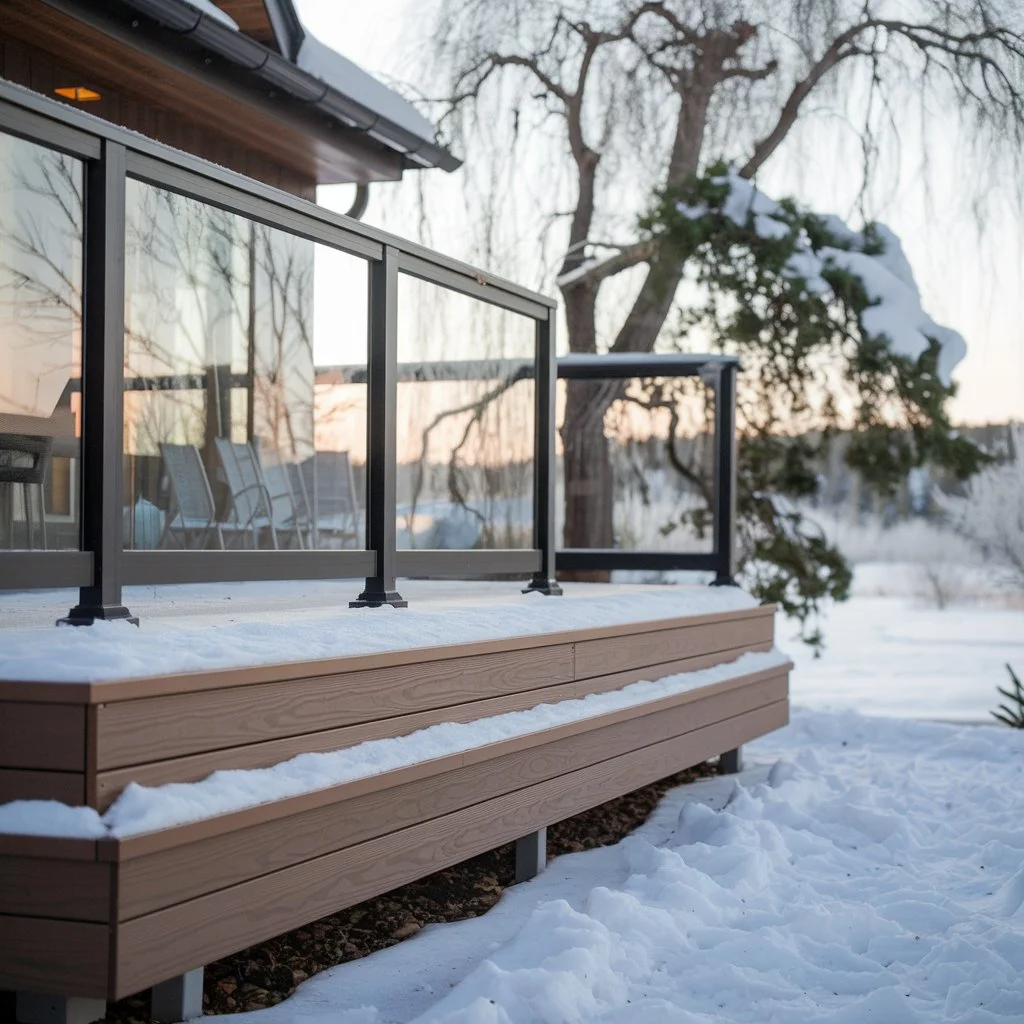

Alternatives to installing in winter.
If you are unsure whether installing in freezing conditions is a good idea, consider other options:
- Wait for better conditions: If possible, postpone the installation until a warmer period to avoid potential problems.
- Hire specialists: Professional installation companies have experience working in difficult conditions and may be better able to take care of the details.
Summary – is it worth installing composite decking boards in freezing conditions?
Installing composite decking boards at low temperatures is not impossible, but it requires proper preparation and adherence to the manufacturer's recommendations. However, if you can wait for warmer days, it is definitely worth considering, to avoid unnecessary risks.
Remember: the key to success is careful workmanship, good tools and the right gaps between the boards, which will ensure the durability and appearance of your terrace.
FAQ – frequently asked questions.
1. Can composite decking boards be installed in sub-zero temperatures?
Yes, but you must take care and follow the manufacturer's recommendations.
2. Does winter installation affect the durability of the boards?
If installation is carried out correctly, the durability of the boards should not be affected.
3. What gaps should be left between the boards in freezing conditions?
The gaps must be larger than when installing in summer to allow for thermal expansion.
4. Which tools are best suited to winter conditions?
It is best to use high-quality tools that are resistant to low temperatures, and to warm the boards before installation.
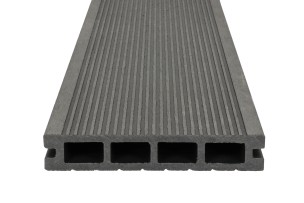
SELECT composite decking board 25x140 - 5.0 m
Price per 1 linear metre of board: 17.27 zł
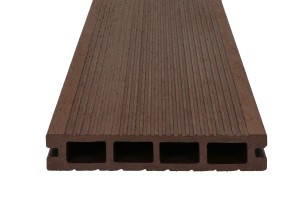
SELECT composite decking board 25x140 - 3.5 m
Price per 1 linear metre of board: 17.27 zł
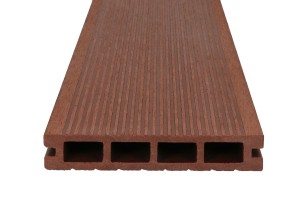
SELECT composite decking board 25x140 - 4.5 m
Price per 1 linear metre of board: 17.27 zł
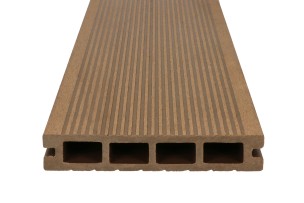
SELECT composite decking board 25x140 - 4.0 m
Price per 1 linear metre of board: 17,27 zł