
Will composite decking boards survive the winter? Facts and myths.
Are composite decking boards resistant to winter conditions? Find out the facts and myths about the durability of composite decking boards in a frosty climate. Learn how to care for them properly!

Polish winters can be a real challenge – freezing nights, snow, ice and sometimes sudden thaws. Owners of decking and garden structures are increasingly wondering whether composite decking – a popular alternative to timber – can withstand these conditions. Is composite really worth investing in? Or is it better to stick with traditional timber? In this article, we’ll clear up any doubts by separating fact from fiction.
What is composite decking?
First of all, what exactly is composite decking? It’s a modern material made from a mixture of wood (such as wood flour) and plastic. This means it combines the advantages of both components: the natural look of timber and the durability of plastic. Composite decking has become popular thanks to its strength, ease of maintenance and resistance to the weather.
Myth 1: Composite decking cracks in freezing temperatures.
Fact:
Composite decking is designed to cope with extreme weather. Most high-quality products are built to withstand frost and low temperatures. Thanks to their material structure, they are less susceptible to expanding and contracting as temperatures change than timber. However, choosing the right composite decking is essential – cheap, low-quality materials may be more susceptible to damage. It’s therefore worth choosing products from reputable manufacturers with certificates confirming their frost resistance.

Myth 2: Snow and ice damage the surface of composite decking.
Fact:
Composite decking is largely resistant to snow and ice because it does not absorb water in the same way as timber. Moisture absorbed by traditional timber can cause it to crack as it freezes and thaws. Thanks to its dense structure, composite is much less susceptible to this kind of damage. To help your composite decking last, however, it’s worth clearing away accumulated snow with a plastic shovel (metal tools can damage the surface) and avoiding harsh chemicals to melt ice.
Myth 3: Composite decking needs specialist winter maintenance.
Fact:
One of the greatest advantages of composite decking is how easy it is to maintain. It does not need treating, oiling or any of the other protective treatments required for timber. In winter, simply clear away debris such as leaves and mud regularly to prevent stains and streaks. If the decking becomes icy, it’s best to use road salt sparingly or products designed for composite surfaces.
What properties make composite decking ideal for winter?
- Moisture resistance: Composite does not absorb water, so there is no risk of it freezing and cracking.
- Resistance to temperature changes: This material retains its properties across a wide temperature range, from -40°C to +60°C.
- Non-slip surface: Many manufacturers offer boards with a textured surface that helps reduce the risk of slipping, even when wet or icy.
- Resistance to mould and fungi: Unlike timber, composite does not rot or develop mould.
How do you care for composite decking in winter?
To help ensure that your composite decking or garden structure gets through winter in perfect condition, follow a few simple rules:
- Clear snow regularly: Use a plastic shovel or broom to avoid scratching the surface.
- Avoid metal tools: They can damage the surface of the boards.
- Use gentle ice-melting products: For example, a small amount of road salt or specialist products.
- Ensure adequate airflow: If possible, make sure there is sufficient airflow beneath your composite decking structure to prevent excessive moisture build-up.
Frequently asked questions about composite decking in winter.
1. Is composite decking more expensive than timber?
Initially, yes, but in the long run it may prove more cost-effective thanks to lower maintenance costs and greater durability.
2. Can you use a pressure washer to clean decking in winter?
Yes, but take care to use a low pressure setting so you don’t damage the surface.
3. Does composite change colour in freezing temperatures?
No, high-quality composite decking is resistant to colour changes, even in extreme weather conditions.
4. Can composite crack under the weight of snow?
No, composite decking is strong enough to withstand the weight of accumulated snow.
In summary – will composite decking survive the winter?
Absolutely! High-quality composite decking is an ideal choice for anyone looking for a durable, attractive material that can withstand the weather. Its resistance to frost, moisture and temperature changes makes it suitable for both milder and harsher climates.
Instead of worrying about the condition of your decking during the winter months, you can enjoy peace of mind with minimal effort. However, it’s essential to choose boards from reputable manufacturers and follow basic care guidelines.
So, will composite decking survive the winter? Absolutely, as long as you care for it in line with the recommendations!
GARDIN NATUR composite decking board 23x146 - 3.0m
Price per 1 linear metre board: 26.98 zł
GARDIN NATUR composite decking board 23x146 - 2.0m
Price per 1 linear metre board: 26.98 zł
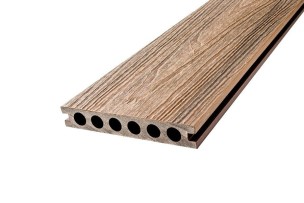
PREMIUM composite decking board 23x138 - 3.5 m
Price per 1 linear metre board: 24.85 zł
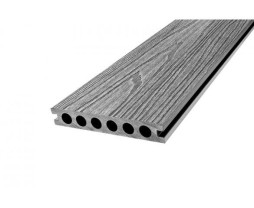
PREMIUM composite decking board 23x138 - 4.5 m
Price per 1 linear metre board: 24.85 zł



