
Does composite decking scratch? Facts, myths and practical advice.
Wondering whether composite decking boards get scratched? Find out what really affects their durability, how to avoid scratches and whether they’re a good choice for a patio or balcony.
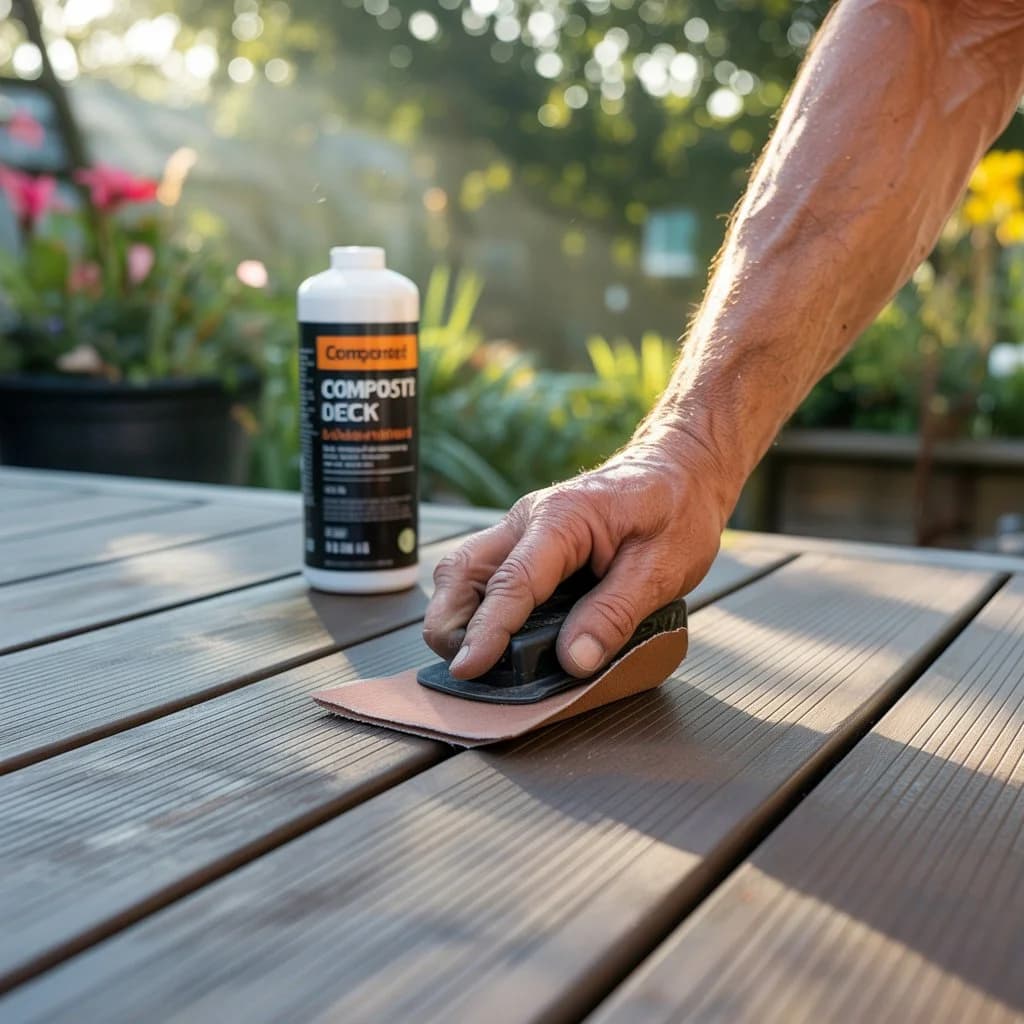
Composite decking boards have taken the garden and building materials market by storm. Their elegant appearance, durability and low maintenance requirements mean that more and more people are choosing them instead of traditional timber. But here’s the thing – composite is a modern solution, but is it really resistant to everything? One of the most frequently asked questions before buying is: does a composite decking board scratch?
In this article, we’ll take a close look at the subject. We’ll dispel the myths and present the facts. We’ll also explain how to prevent scratches and how to care for your boards so they look like new for many years. If you’re looking for the truth rather than marketing slogans, you’re in the right place!
What exactly is a composite decking board?
Before we get to scratches, it’s worth understanding what a composite decking board is (also known as WPC – Wood Plastic Composite). It is a material made from a mixture of:
-
wood flour,
-
plastics (e.g. polyethylene),
-
pigments and performance-enhancing additives.
This produces a durable, waterproof and attractive product that looks like timber but has much better technical properties. It does not rot or decay and does not need varnishing. Sounds perfect, doesn’t it?
All right, but... does it scratch?
Yes – but not that easily.
A composite decking board is not completely scratch-resistant, especially with intensive use or contact with sharp objects. However, it performs much better than natural timber.
Factors that can cause scratches:
-
Moving garden furniture – e.g. metal chairs without protective pads.
-
Children playing with hard toys – ride-on toys, scooters, etc.
-
Pets – particularly dogs with sharp claws.
-
Sand and small stones – carried in on shoes, they can act like sandpaper.
-
Winter tools – e.g. snow shovels with a metal edge.
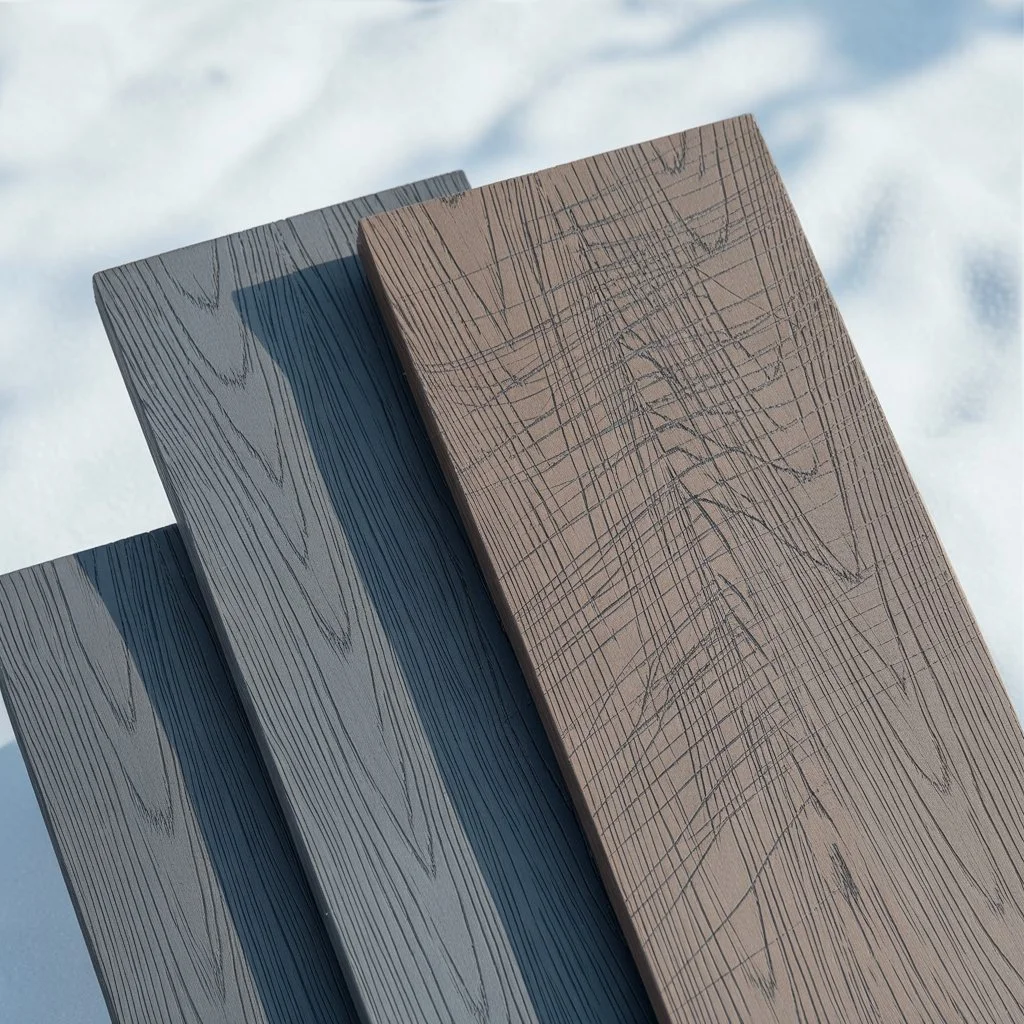
Different types of composite, different levels of resistance.
Not all composite decking boards are the same! Different types are available on the market, with varying durability and scratch resistance.
Solid boards vs. hollow boards.
-
Solid – heavier, more resistant and often denser.
-
Hollow (chambered) – lighter and cheaper, but less resistant to mechanical damage.
Grooved boards vs. smooth boards.
-
Grooving (grooves) can help to hide minor scratches.
-
Smooth surfaces – look modern, but show scratches more quickly.
How do you care for a composite decking board to prevent scratches?
You don’t need to treat it like an egg, but a few simple habits will help it keep looking good for longer:
Practical tips:
-
Use protective pads under garden furniture – especially metal furniture.
-
Avoid dragging heavy objects across the surface.
-
Sweep sand and dirt off the decking regularly.
-
Do not use metal tools for cleaning.
-
Invest in protective mats for under the barbecue or plant pots.
Can scratches be removed?
Depending on the depth of the scratch and the type of composite – sometimes yes, sometimes no.
How to deal with scratches:
-
Minor scratches – often "close up" on their own under the influence of heat and sunlight.
-
Sanding with sandpaper – only on selected types of boards (e.g. solid, grooved).
-
Specialist composite care products – available in DIY stores.
Note: Always check the manufacturer's recommendations! Some boards have a coated surface, and incorrect cleaning can make the problem worse.
Composite decking board vs wood – which wins when it comes to resistance?
If we compare the two materials in terms of scratch resistance:
| Feature | Composite decking board | Wood |
|---|---|---|
| Scratch resistance | ★★★☆☆ | ★★☆☆☆ |
| Repairability | ★★☆☆☆ | ★★★★☆ |
| Moisture resistance | ★★★★★ | ★★☆☆☆ |
| Maintenance | ★★★★☆ | ★☆☆☆☆ |
As you can see, composite performs quite well. Although it can get scratched, it does not need to be oiled, painted or protected – all of which are necessary with wood.
FAQ – Frequently asked questions.
Does a composite decking board scratch more often than wood?
No. Composite is generally more scratch-resistant than softwood (e.g. pine). However, compared with hard exotic timber, the difference is smaller.
Is it worth buying more expensive composite decking boards?
Yes, a higher price often means better properties – greater density, resistance and colour durability. Cheap boards from large DIY stores may be less resistant to damage.
Are there composite decking boards that are completely scratch-resistant?
No surface is 100% resistant. However, there are boards with a protective coating (known as capped) that are much more scratch-resistant.
In summary… what should you remember?
A composite decking board is an excellent choice, but – like any material – it is not indestructible. It can get scratched, especially if it is not cared for properly. The key is:
-
choosing a good-quality product,
-
using it mindfully,
-
simple, regular care.
By following these steps, you can enjoy a beautiful, long-lasting deck for many years – without having to paint or sand it, or struggle with mould. Composite has its advantages, but it is also worth knowing its limitations.
Dark oak slats on felt 24x300 mm, decorative wall strips on felt
Price is per slat
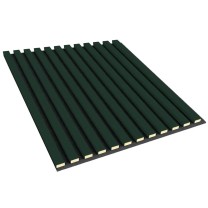
Bottle green slats on felt 60x60 cm, decorative wall strips on felt
Price is per slat
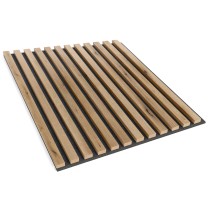
Artisan oak slats on felt 60x60 cm, decorative wall strips on felt
Price is for one slat
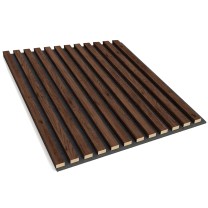
Walnut slats on felt 60x60 cm, decorative wall strips on felt
Price is for one slat



