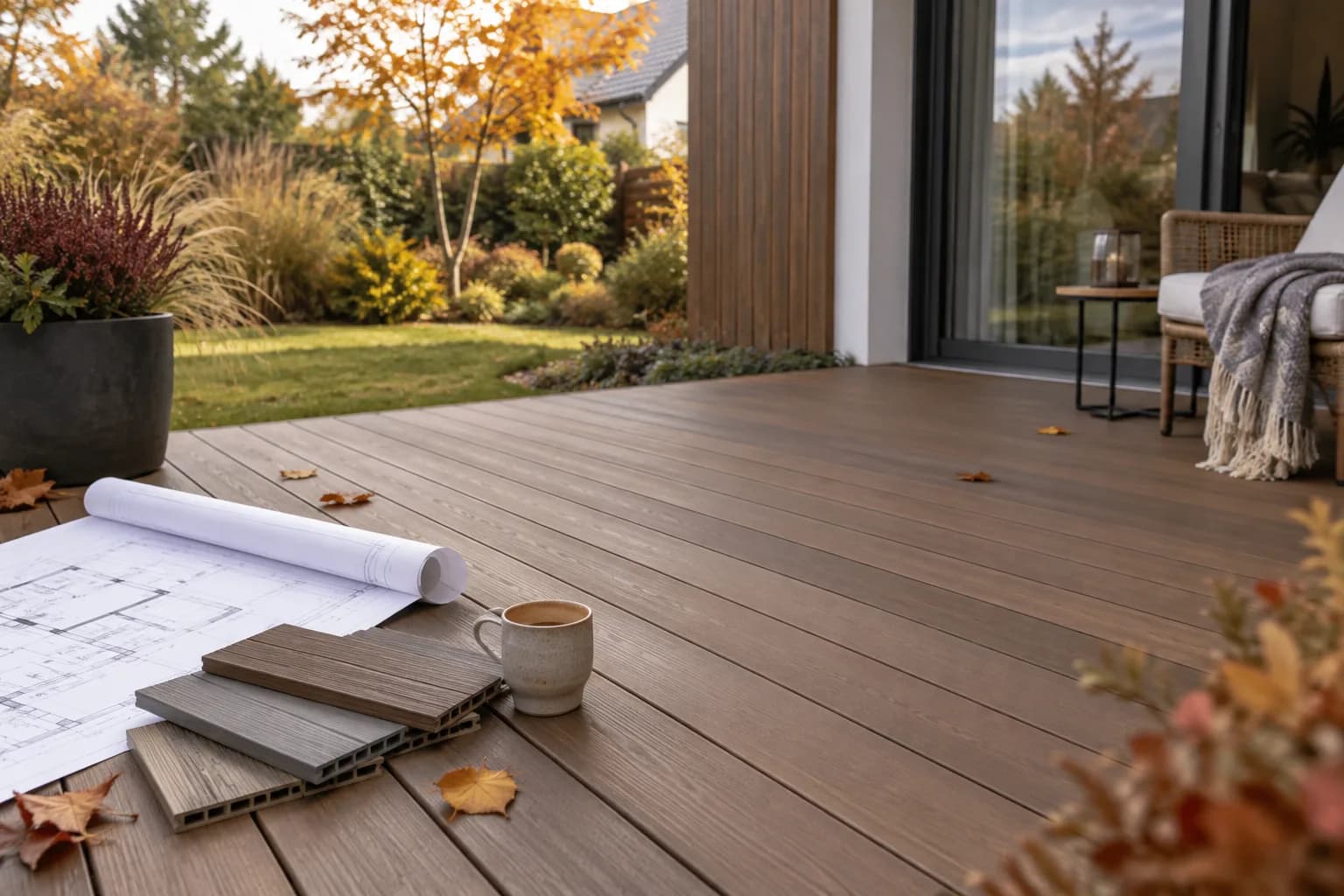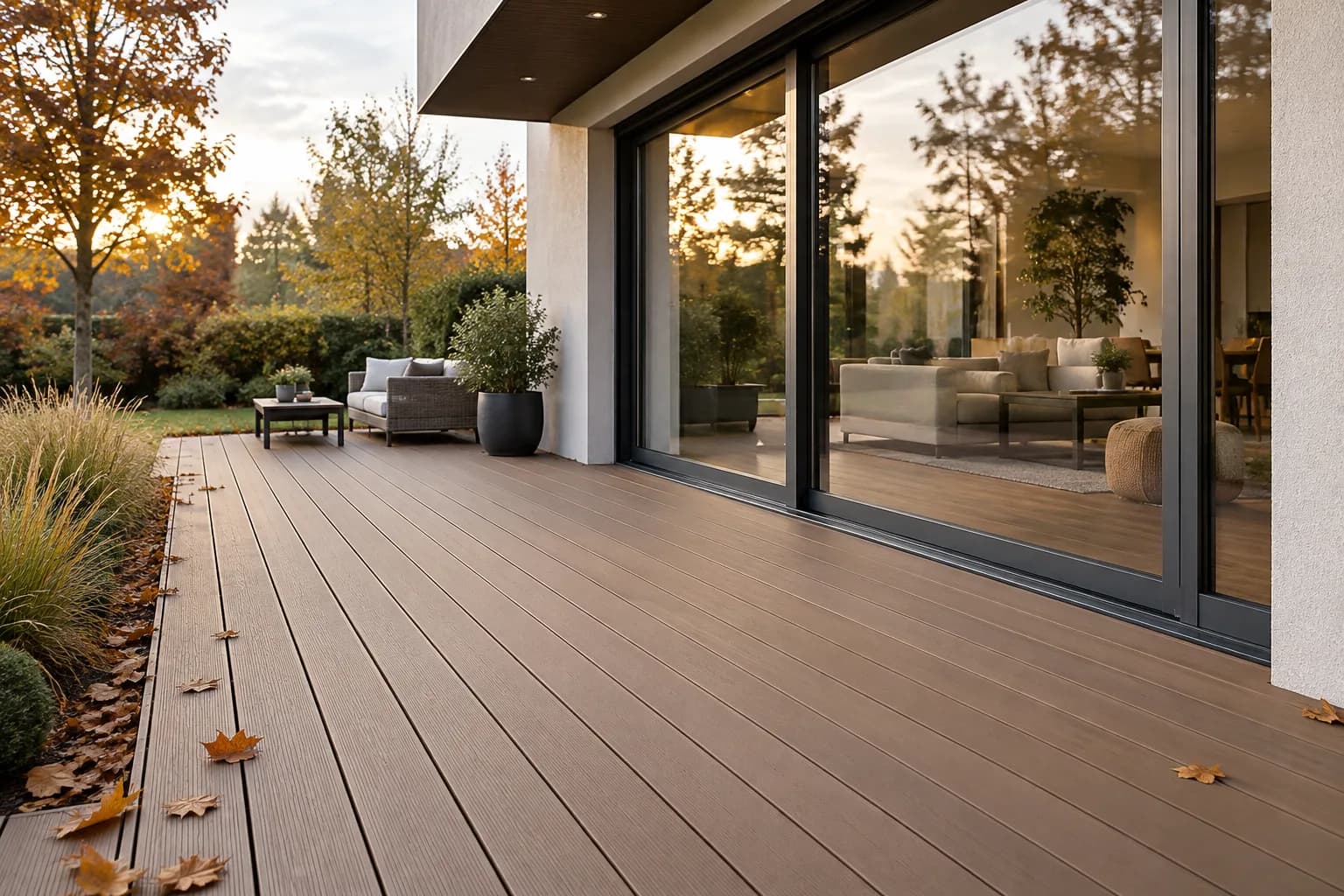
Does composite decking bend? Discover the truth about composite decking.
Are composite decking boards really resistant to warping? Find out what causes composite decking boards to bend, how to prevent it and whether composite is worth the investment.
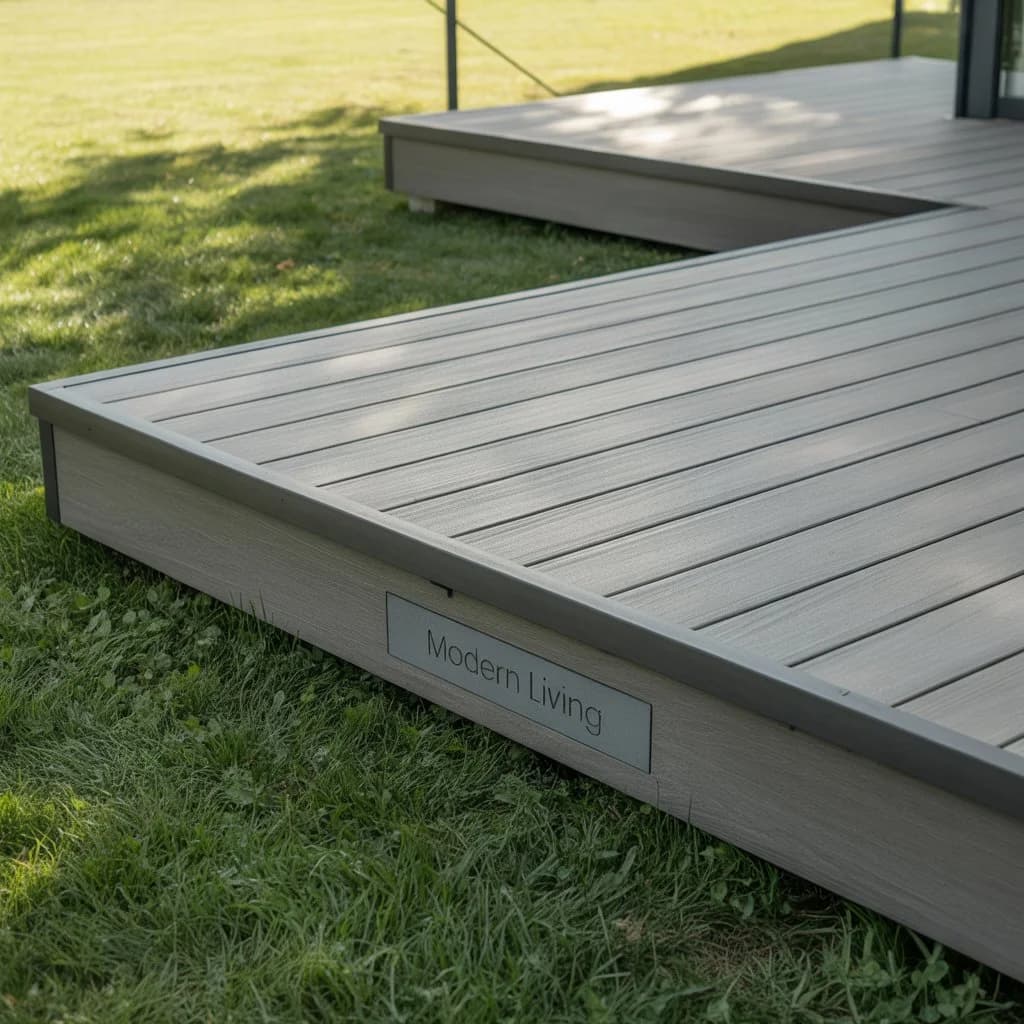
Composite decking boards are taking the decking market by storm in Poland and around the world. They combine the advantages of wood and plastics, making them seem like the perfect choice – weather-resistant, easy to maintain and... well, do they really not bend?
If you're considering installing a composite decking terrace, this question is probably on your mind. So today, we're clearing up all your doubts!
What is composite decking?
Let's start with the basics. Composite decking (WPC – Wood Plastic Composite) is a material combining:
-
wood flour or bamboo fibres (usually 50–60%),
-
plastic (e.g. polyethylene, polypropylene),
-
chemical additives – UV stabilisers, colourants, antifungal and anti-mould agents.
This combination is designed to create a material that is more durable than natural wood, while also being weather-resistant and not requiring impregnation.
Does composite decking bend?
Short answer: Yes, but...
Composite decking can bend, especially if it has been:
-
installed incorrectly,
-
exposed to high temperatures,
-
not protected on both sides (e.g. exposed to sunlight on one side but not the other),
-
of low quality or inexpensive.
But don't worry – that doesn't mean every board will immediately deform. The key lies in the quality of the product and its correct installation.
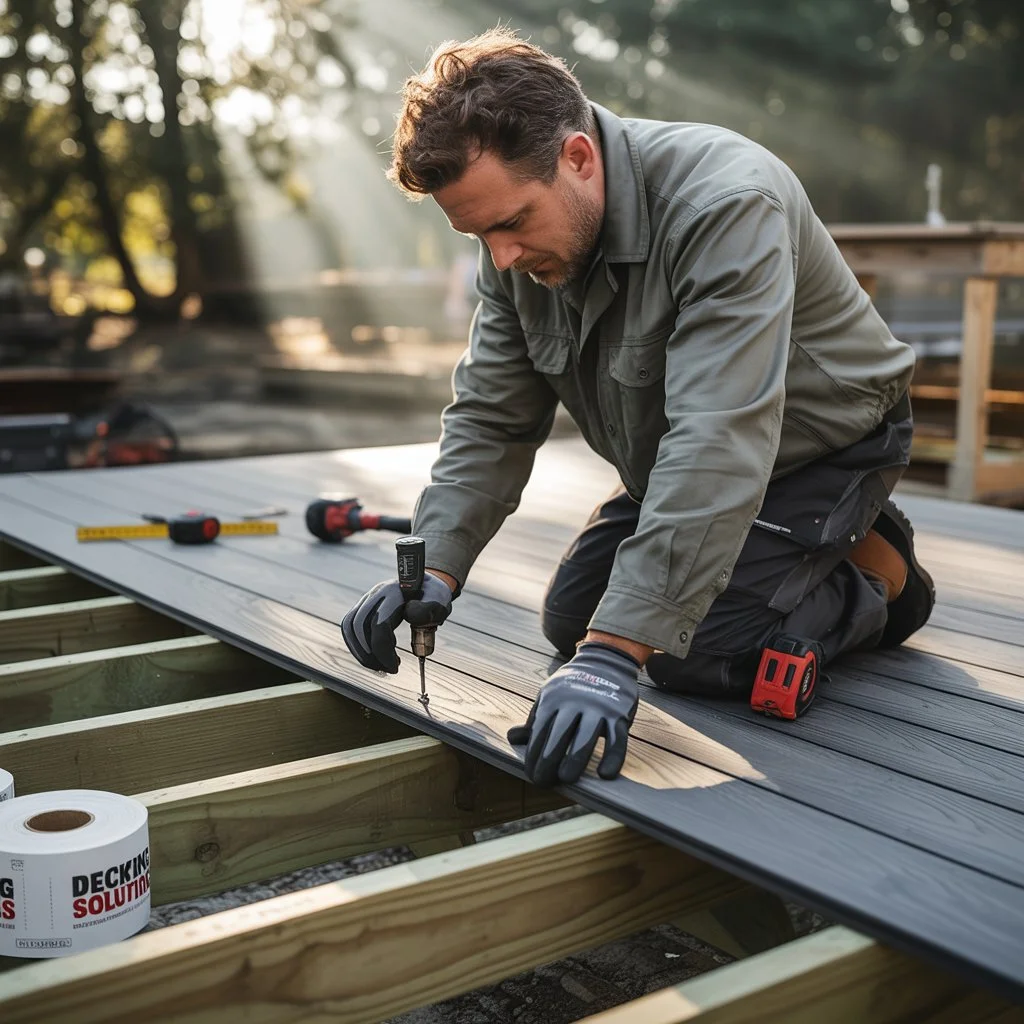
What affects the bending of composite decking boards?
1. Temperature and sunlight.
Like any material, composite expands when heated. When the sun heats the surface of the terrace significantly, the boards may warp slightly, especially if sufficient expansion gaps have not been left.
Tip: Choose light-coloured boards – they heat up less. And always leave expansion gaps!
2. Moisture and poor ventilation.
Insufficient air circulation beneath the terrace causes moisture to build up, which can lead to deformation – particularly in lower-quality boards.
Tip: Install the boards on a dedicated joist and bracket system that allows air to flow.
3. Joists spaced too far apart.
If the joists supporting the boards are spaced too far apart, a board may sag under the weight or start to bend over time.
Tip: Follow the manufacturer's recommendations – the recommended spacing is usually 30–40 cm.
4. Poor material quality.
Cheap, DIY-store boards often contain more plastic than wood, making them more susceptible to deformation.
Tip: Invest in reputable manufacturers, such as Trex, Fiberon, Gamrat and Timberness, which offer warranties of up to 15–25 years.
How can you prevent composite decking boards from bending?
Here are a few tried-and-tested tips:
-
Buy from reputable manufacturers – don't compromise on quality.
-
Follow the installation instructions – do not omit elements such as expansion gaps or pads.
-
Ensure ventilation beneath the terrace – do not lay decking boards directly on the ground.
-
Maintain even exposure to sunlight – if possible, avoid prolonged shade on one side.
-
Clean the terrace regularly – dirt and moss can trap moisture.
Not all composite decking is the same – what should you choose?
Solid or hollow decking board?
-
Solid board – more resistant to bending, but heavier and more expensive.
-
Hollow (chambered) – lighter and cheaper, but more prone to deformation, especially if not properly supported.
Type of material
-
Composite polyethylene (HDPE) – better heat resistance.
-
Composite polypropylene (PP) – cheaper, but less resistant to bending.

User reviews – first-hand accounts
Some users report that their decking boards began to warp slightly after a few seasons. The most common causes?
-
Installation error (insufficient expansion gap),
-
low-quality material,
-
inadequate ground preparation.
On the other hand, many users who are pleased with their terrace say that after 5 or 10 years, the decking boards still look like new.
“My DUO composite decking terrace is 6 years old and not a single board has warped. The key was good installation and a reputable manufacturer.” – Paweł, Warsaw
Is composite decking worth the investment?
Definitely yes, provided that:
-
You choose a tried-and-tested product,
-
You hire a professional to install it or study the instructions carefully,
-
You provide suitable conditions for use (ventilation, water drainage, maintenance).
Composite decking offers major benefits: no need for oiling, resistance to fungi and mould, and an attractive appearance for years.
Frequently asked questions (FAQ)
Do composite decking boards need maintenance?
They do not need oiling or impregnation. Simply wash them with water and a mild detergent.
Is composite decking resistant to winter weather?
Yes, good-quality composite decking boards are resistant to frost and snow. It is important that they are installed correctly.
Can you install composite decking boards yourself?
Yes, but you must follow the manufacturer's instructions carefully – especially regarding expansion gaps and joist spacing.
In summary.
Composite is an excellent material, but, like any material, it has its limitations. Yes, a composite decking board can bend, but this is most often due to installation errors, low-quality material or extreme weather conditions.
If you choose a reputable brand, ensure correct installation and provide proper care, your composite decking terrace will serve you for years, without warping or worry.
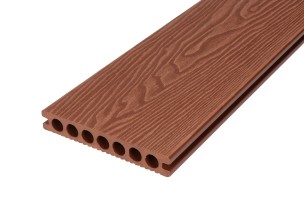
Composite decking board for terrace (WINTER SALE) - copper | 3,5 m
Price per 1mb of decking board: 16.73 zł
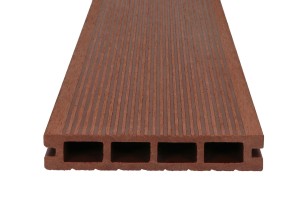
SELECT composite decking board for terrace (WINTER SALE) - copper | 3,5 m
Price per 1mb of decking board: 13.23 zł
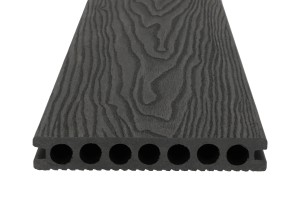
DUO composite decking board 23x148 - 5,0 m
Price per 1mb of decking board: 21,30 zł
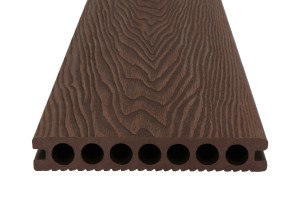
DUO composite decking board 23x148 - 3,5 m
Price per 1mb of decking board: 21,30 zł