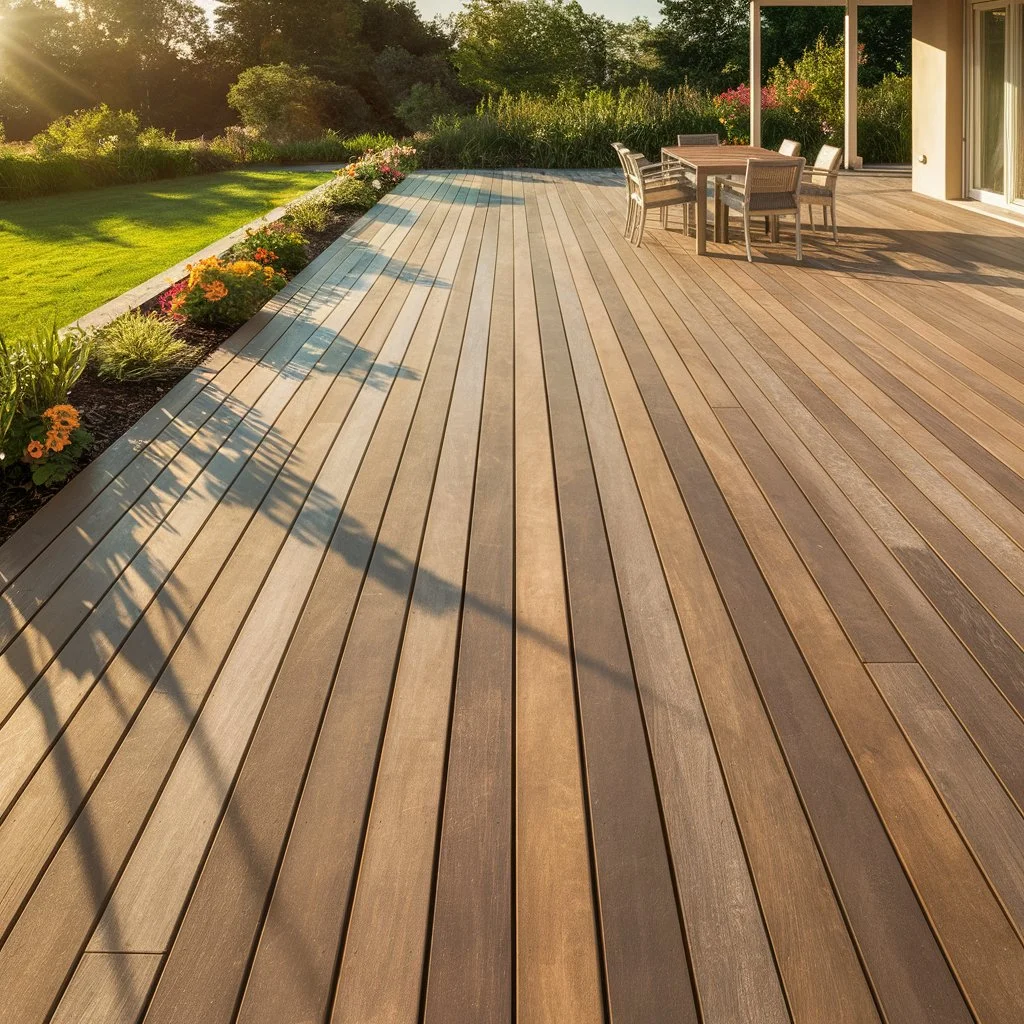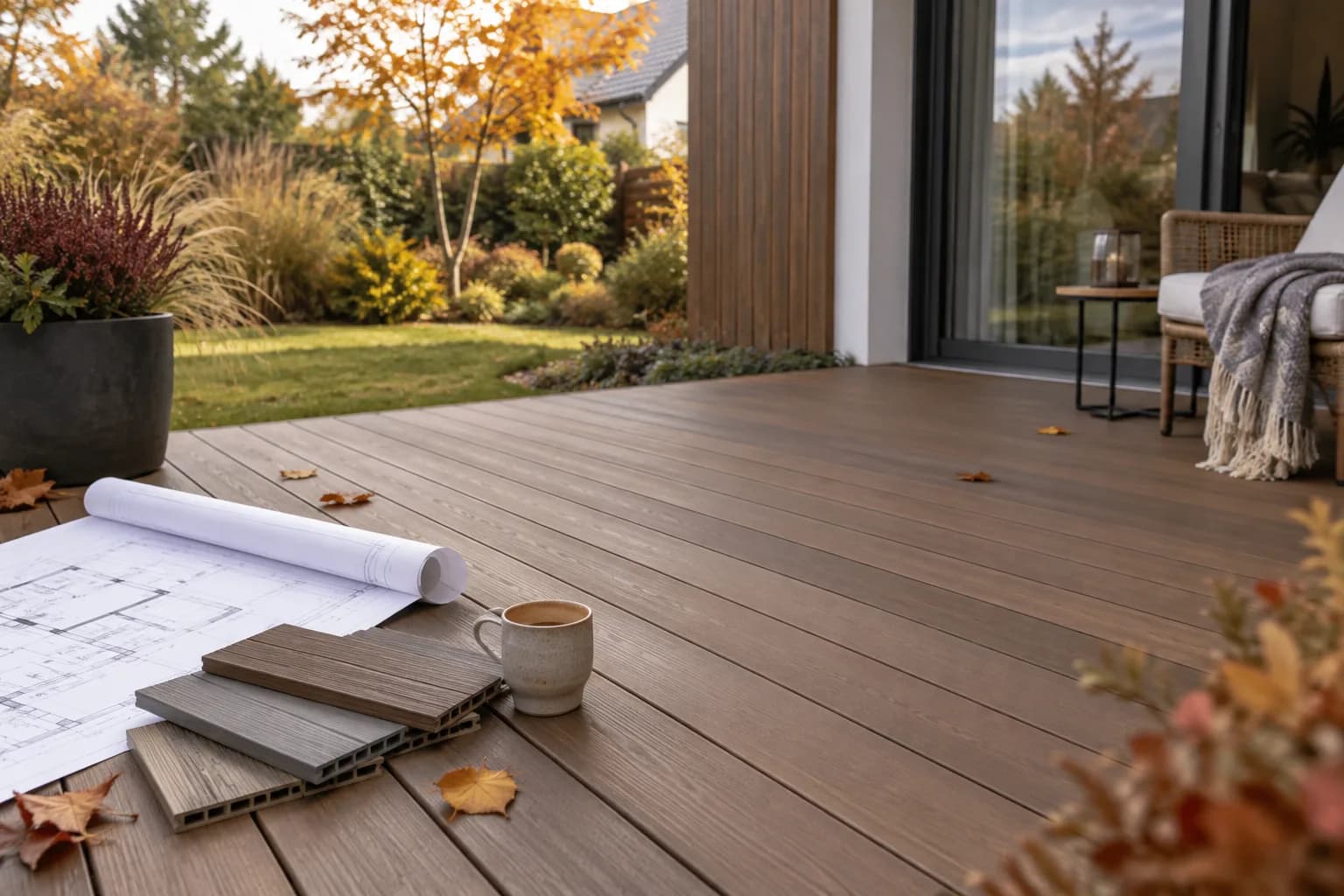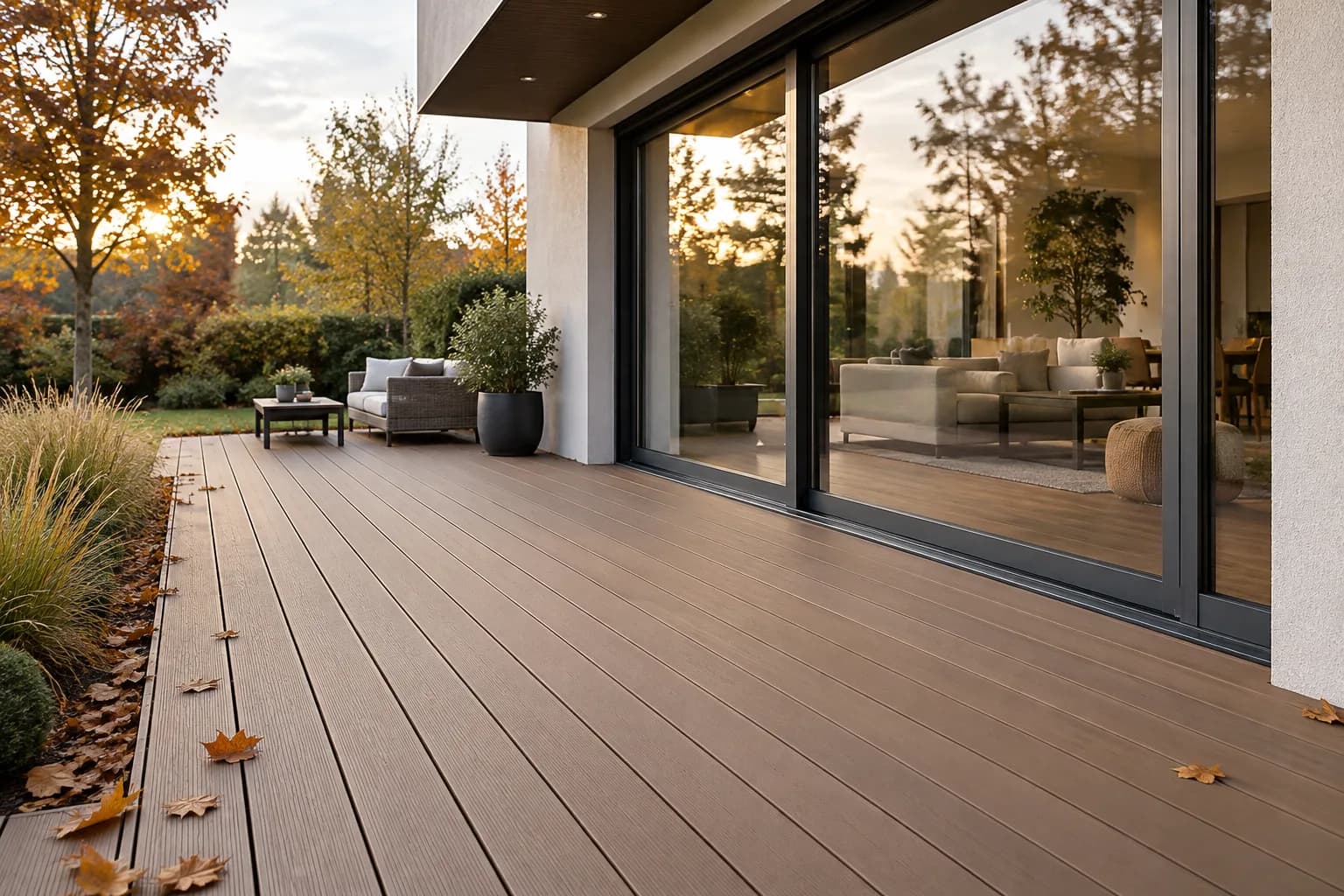
Do composite decking boards get very hot?
Do composite decking boards get very hot on warm days? Find out how this affects comfort when using your terrace and what alternative solutions are available.
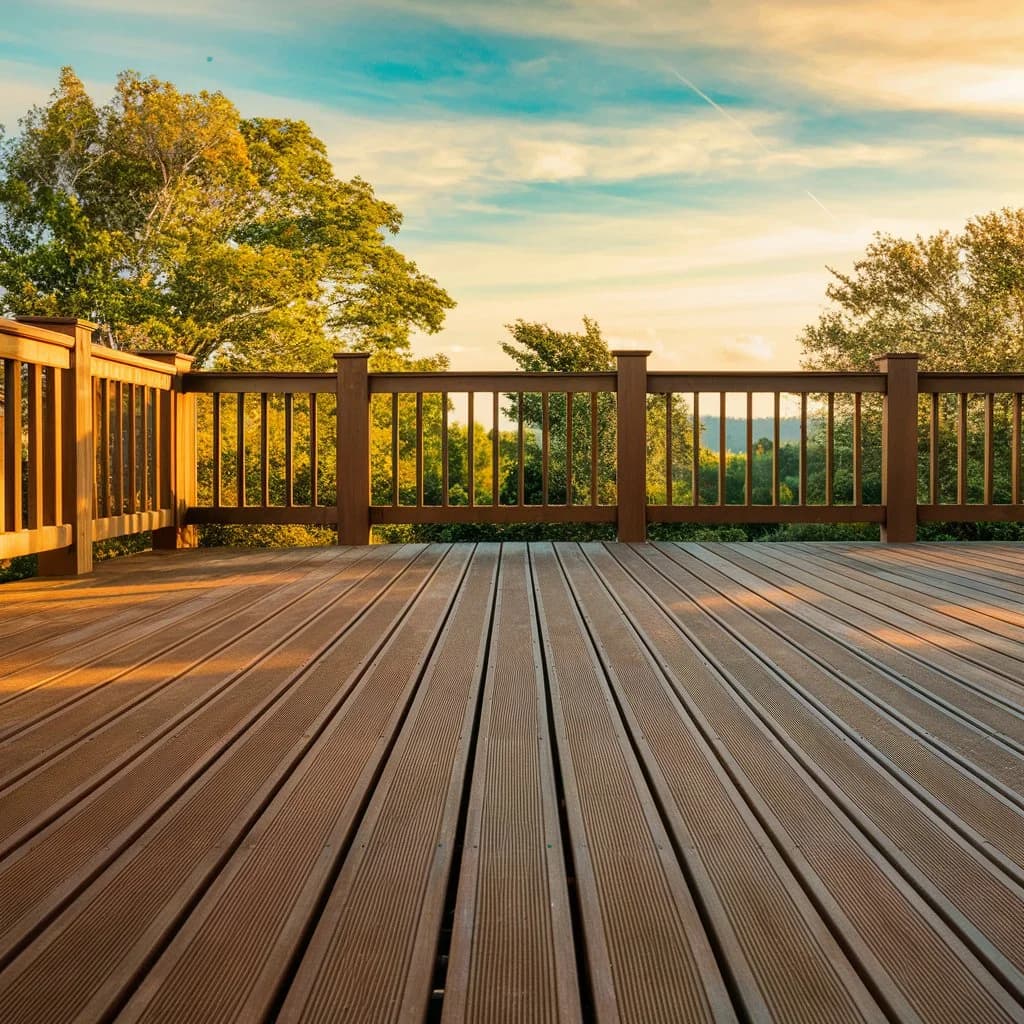
Composite decking boards have become extremely popular as a material for terraces and platforms thanks to their durability, low maintenance requirements and attractive appearance. However, one common question that arises when choosing this material is: "Do composite decking boards get very hot?" In this article, we’ll look at how composite decking boards respond to high temperatures, which factors affect how hot they get, and some practical tips for hot days.
How do composite decking boards respond to sunlight?
Composite decking boards, like most building materials, heat up when exposed to solar radiation. The composition of composite decking boards, which usually includes a mixture of wood and plastic, can affect how hot they get. The plastic in the composite tends to heat up more than wood, which means composite decking boards may feel warmer to the touch than traditional wooden boards.
Factors affecting how hot composite decking boards get.
- Board colour: Darker colours absorb more heat than lighter ones. If you choose a dark colour for your composite decking boards, they are more likely to get hotter on warm days.
- Terrace location: Terraces in open areas with no shade will heat up more than those that are partly sheltered.
- Type of board: Different brands and types of composite decking boards can have different thermal properties. Some modern boards are designed to minimise heat build-up.
- Terrace orientation: Terraces facing south or west will be exposed to more sunlight and, as a result, will heat up more than those facing north or east.
- Air circulation: Good air circulation around the terrace can help lower the temperature of the boards. Enclosed spaces with no airflow will heat up more intensely.
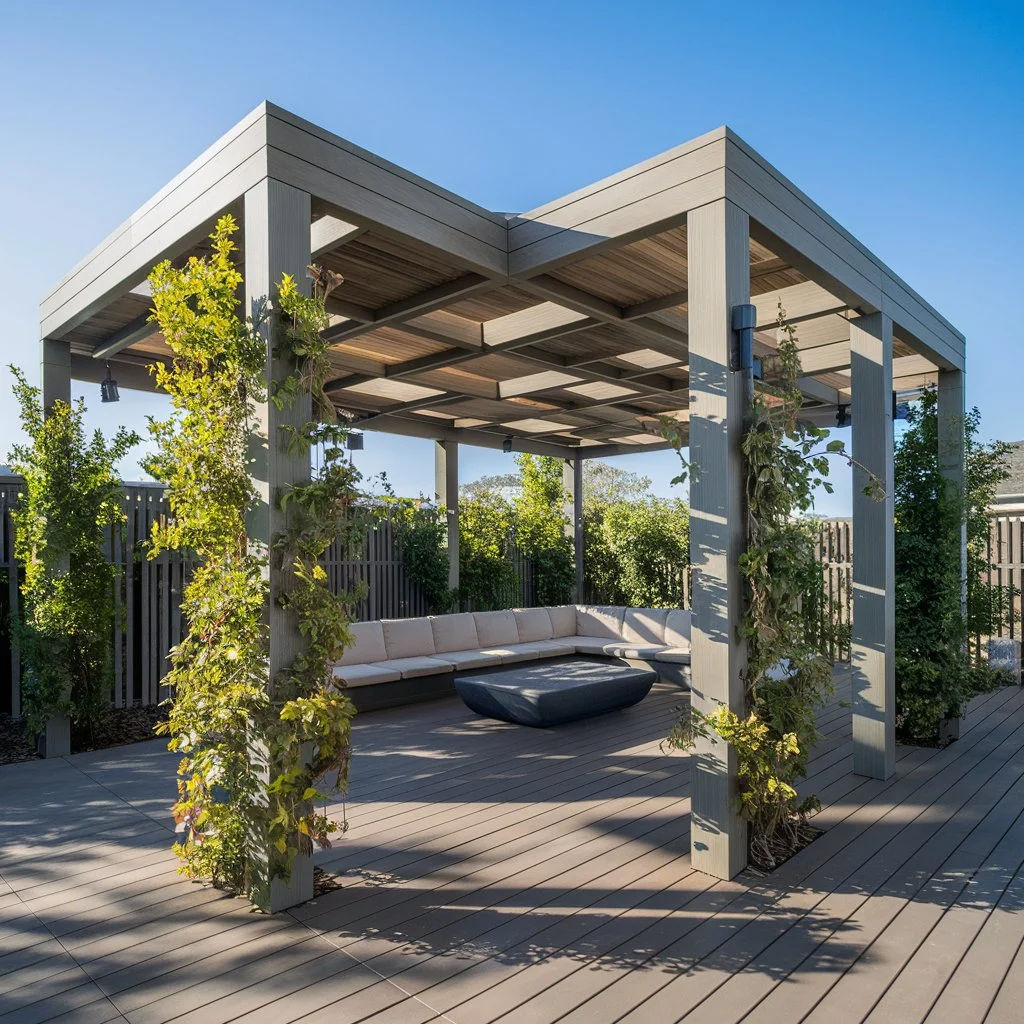
Practical tips for hot days.
If you’re concerned about composite decking boards getting hot on your terrace, here are a few practical tips that may help:
- Choose lighter colours: As mentioned earlier, lighter-coloured composite decking boards will get less hot.
- Create shade: Consider installing awnings, pergolas or parasols to provide shade on the terrace. You could also plant climbing plants to create natural shade.
- Wet the boards: Spraying the terrace with water on the hottest days can help cool the composite decking boards. However, take care not to use too much water to avoid problems with damp.
- Outdoor mats and rugs: Placing mats or rugs on the terrace can also help reduce direct contact with hot boards.
- Outdoor fans: Using fans on the terrace can help circulate the air and lower the temperature of the board surface.
- Misting systems: Installing misting systems that spray a fine water mist can significantly lower the temperature of the surrounding area and the terrace itself.
Alternative solutions.
If you’re still concerned about composite decking boards getting hot, you could consider other materials for your terrace, such as:
- Natural wood: Wood, especially light-coloured species, heats up less than composite. Wood has natural thermal properties that make it cooler to the touch.
- Ceramic tiles: Ceramic tiles have good thermal properties and are less prone to heating up than composite. They are also scratch-resistant and easy to keep clean.
- Stone materials: Natural stone is an excellent choice for those looking for a terrace material that feels cooler to the touch. Stone has a natural ability to absorb and release heat, making it more comfortable on hot days.
- Decorative concrete: Concrete can also be a good alternative. Modern technologies make it possible to create concrete surfaces that are attractive, durable and have better thermal properties.
Summary.
Composite decking boards can get hot on warm days, which is a natural result of their composition and colour. However, choosing lighter colours, creating shade and using other practical solutions can significantly improve the comfort of using the terrace. Alternatively, it is worth considering other materials with better thermal properties if the heat build-up in composite decking boards is particularly troublesome for you.