
Do composite cladding boards protect against mould and algae? Find out how resistant composite is!
Wondering whether composite cladding boards are resistant to fungi and algae? Discover the properties of composite and find out how it affects the durability of your façade.

Fighting algae, mould and fungi is a daily reality for many homeowners – particularly where the façade is exposed to damp, shade and poor air circulation. But what if you could avoid all of this? More and more people are choosing composite façade boards precisely because of their high resistance to microorganisms.
In this article, we’ll take a close look at how composite works, why it is so resistant, the conditions in which it can perform well, and what you should know before installing it. You’ll also learn how to extend the life of your façade and avoid problems typical of timber or render.
What are composite façade boards?
Let’s start with the basics. Composite boards (WPC – Wood Plastic Composite) are a material made from a mixture of wood (wood flour) and plastic. The proportions and composition vary depending on the manufacturer, but they usually contain around 60% wood and 40% polymers and protective additives.
This combination delivers a very practical result:
- an appearance similar to natural timber,
- high durability,
- low water absorption,
- resistance to biological agents – namely mould, fungi, algae and insects.
How does composite resist microorganisms?
Algae and fungi develop where conditions are favourable: damp, shade, organic contaminants and a lack of air circulation. Natural timber, especially when untreated, unfortunately becomes an ideal environment for them.
And what about composite? It’s a different story. Why? The main properties of composite that protect against microorganisms are:
- Low water absorption – composite does not absorb water like timber, making it much harder for fungi and mould to develop.
- No porous structure – the smooth, closed surface makes it harder for spores to adhere.
- Biocidal additives – many boards contain components that protect against microorganisms.
- No nutrients for fungi – timber contains lignin and cellulose, which provide nourishment. Composite does not necessarily do so.
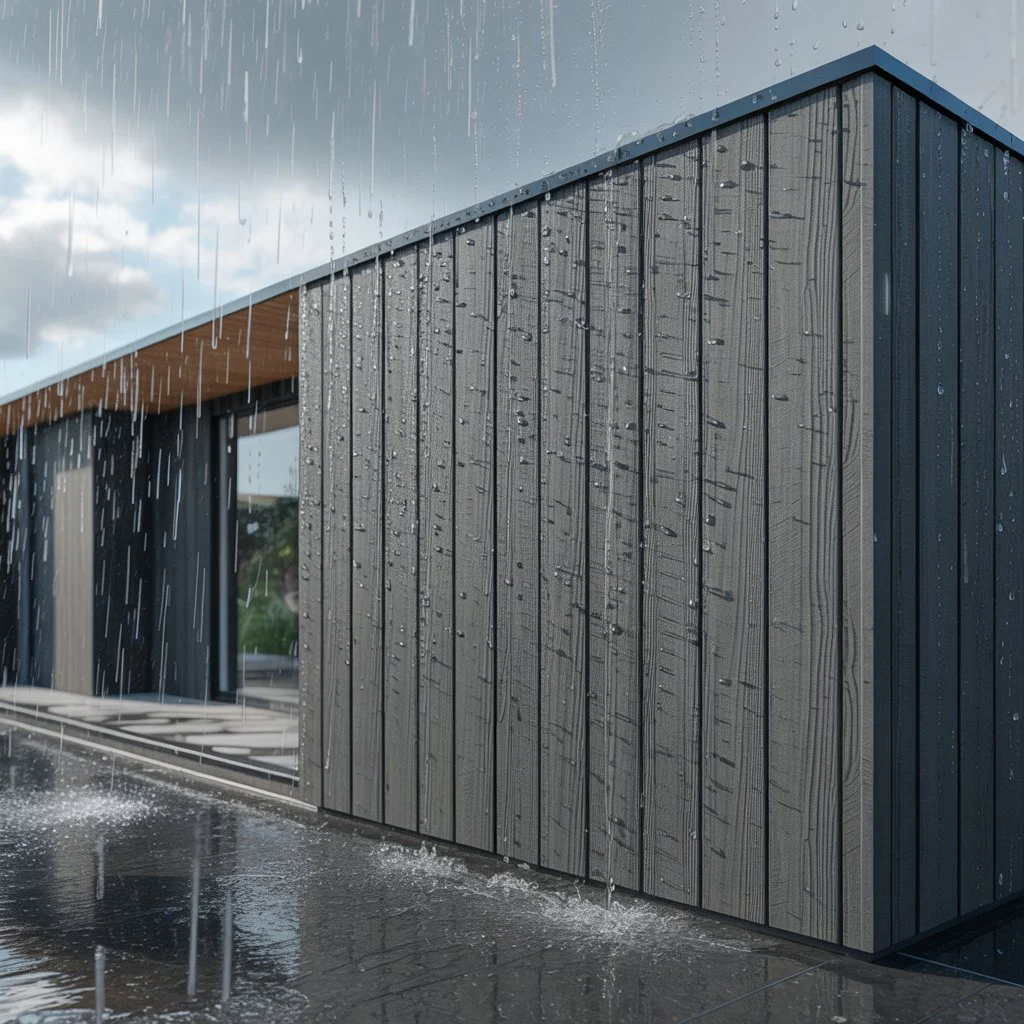
Composite and façade durability – what are the benefits?
By choosing a composite façade, you’re investing not only in appearance, but also in longevity and convenience. Here’s what you gain:
- Lower risk of discolouration and deposits – the boards stay looking clean for longer.
- No need for regular treatment – saving you time and money.
- Greater dimensional stability – no swelling or shrinkage due to moisture.
- Resistance to UV rays – less colour fading.
In short, composite boards are ideal for façades exposed to rain, snow, shade and dirt – precisely where traditional timber struggles.
Is composite 100% resistant?
So, does this solution completely eliminate the problem of algae and fungi? Not entirely. Although composite is resistant:
- if it is not maintained (e.g. if the surface is not cleaned for several seasons), light deposits may appear,
- organic contaminants (e.g. leaves, pollen and dust) can form a layer that encourages microorganisms to develop,
- poor façade ventilation can also contribute to dampness.
So, although composite significantly reduces the risk, that doesn’t mean you can forget about maintenance altogether.
How do you care for a composite façade to avoid problems altogether?
Here are a few practical tips to help keep your composite façade in excellent condition for years:
1. Regular cleaning.
You don’t need to do this every month, but it’s worth cleaning the surface once a year with water and with a soft brush. A mild detergent can be added. Avoid using pressure washers that are too powerful.
2. Caring for the surroundings.
Remove plants growing too close to the façade – they restrict air circulation and increase humidity. Do not allow leaves and dust to accumulate.
3. Adequate ventilation.
The boards should be installed on support systems with ventilation gaps. Without good air circulation, even the best material will be at risk of problems.
4. Inspection and prompt action.
Notice a change in colour or a coating? Act straight away – prevention is better than removing algae that has been there for a long time.
Is it worth investing in composite cladding boards?
If you are looking for a façade material that:
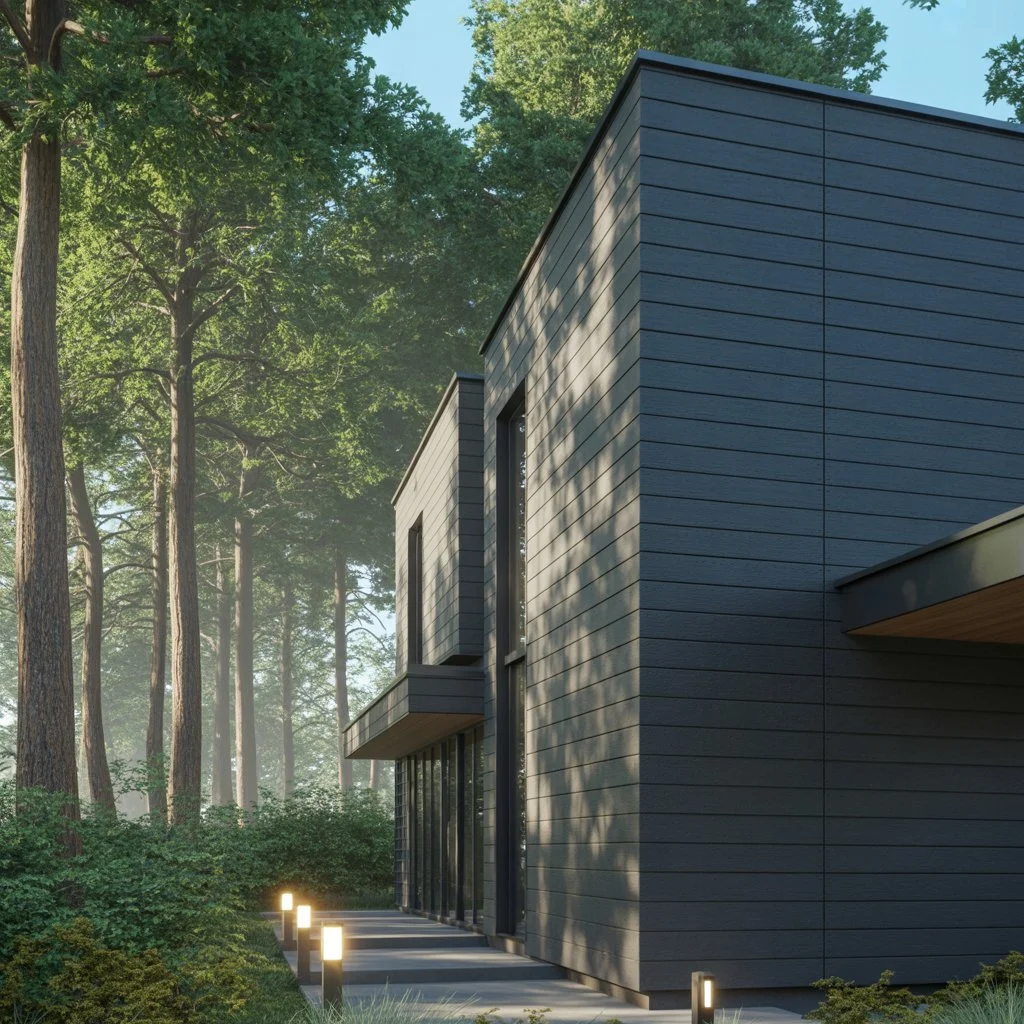
- will look attractive for years,
- does not require annual treatment,
- is resistant to microorganisms,
- performs well in our climate – humid and changeable,
then the answer is: yes, it is.
Although composite may initially be slightly more expensive than render or some types of wood, in the longer term you save on maintenance, repairs and cleaning.
FAQ – frequently asked questions.
1. Can composite rot like wood?
No, composite does not rot, decay or biodegrade because it contains plastics and chemical additives.
2. Does composite need to be painted or treated?
No, composite boards are ready to use and do not require additional chemical protection.
3. Can algae appear on composite?
In favourable conditions (high humidity, lack of cleaning) – yes, but very rarely and much more slowly than, for example, on render or natural wood.
4. Can composite be installed on the north-facing wall of a building?
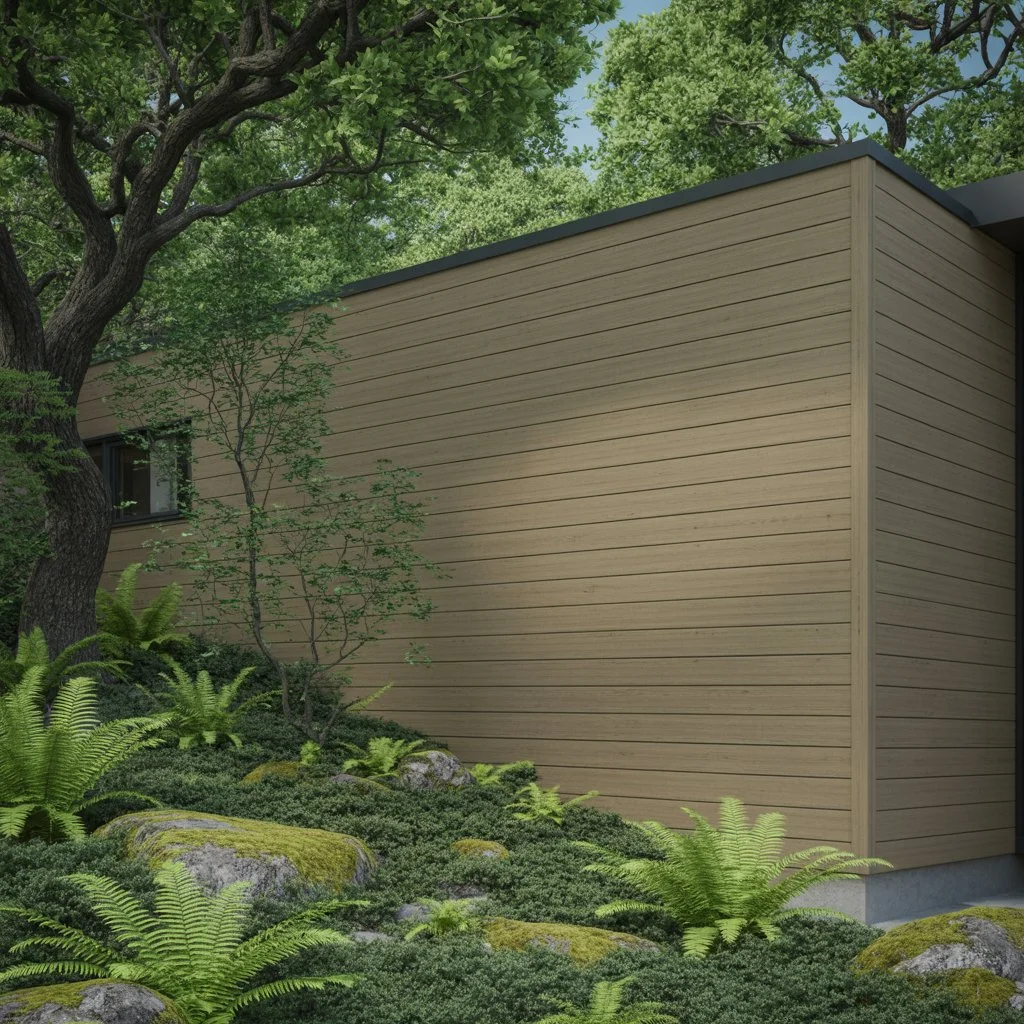
Yes – composite is ideally suited to shaded, damp walls, where other materials may have problems with durability.
In conclusion – composite is an ally in the fight against mould and algae.
Composite's resistance to microorganisms is one of its greatest advantages. Thanks to its structure and material properties, it effectively protects the façade against the things that most often damage traditional wood – moisture, mould, algae and UV radiation.
Of course, no façade is completely maintenance-free – but if you want durability, good looks and minimal maintenance problems, composite boards are an excellent choice.
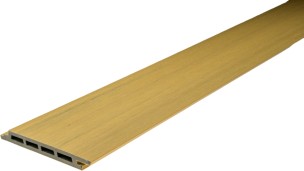
Smooth Composite Cladding Board Premium OAK
Dimensions: 14x138x2950
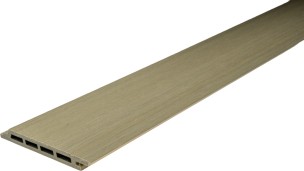
Smooth Composite Cladding Board Premium SILVER FIR
Dimensions: 14x138x2950
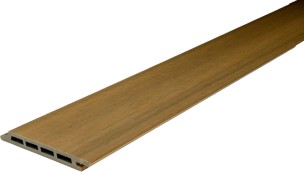
Smooth Composite Cladding Board Premium TEAK
Dimensions: 14x138x2950
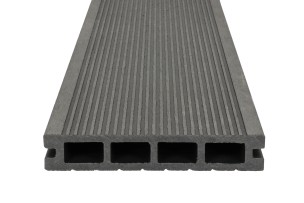
SELECT composite decking board 25x140 - 5,0 m
Price per 1 linear metre of board: 17.27 zł



