What are the characteristics of thermowood pine? Key advantages.
Discover the properties and benefits of thermally modified pine. Find out why it’s worth choosing this material for your building and finishing projects.
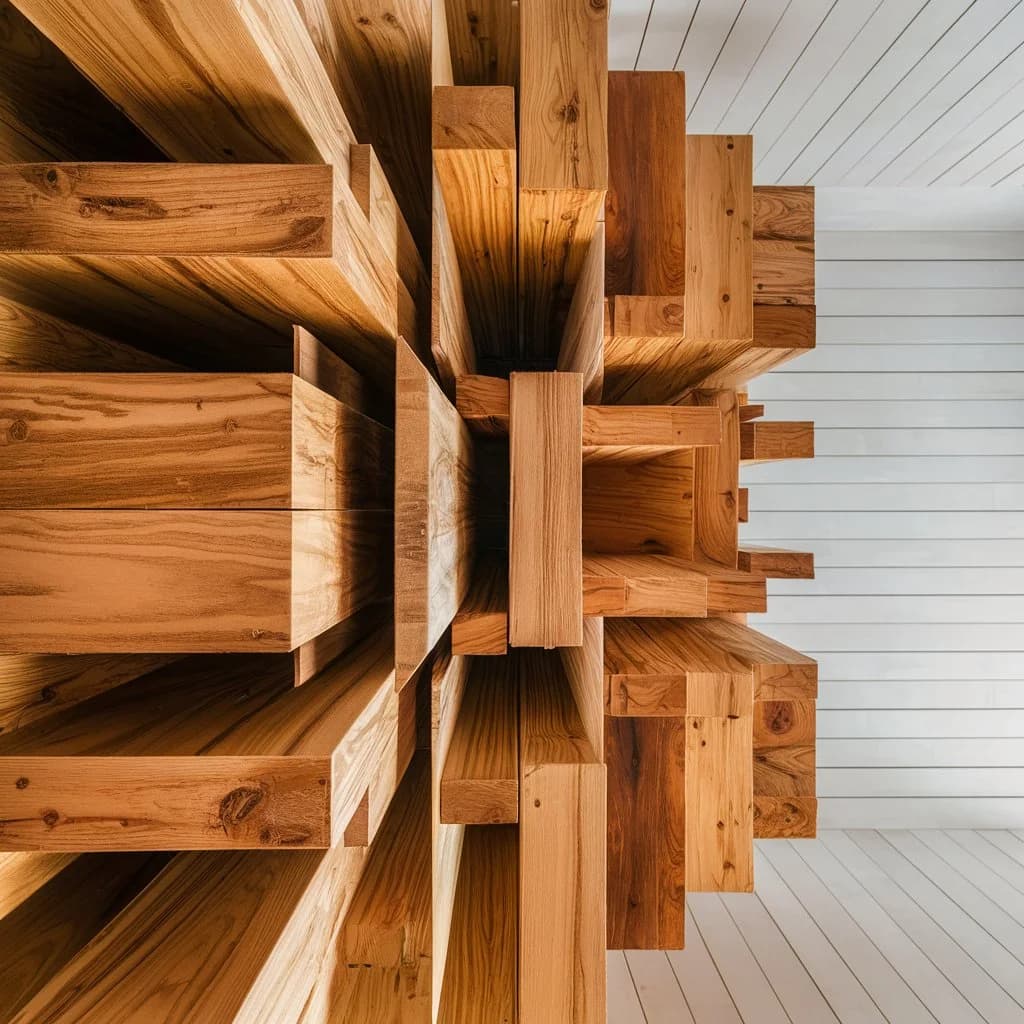
Thermo pine, also known as thermally modified pine, is wood that has undergone a thermal modification process. This modern building material is growing in popularity thanks to its exceptional properties and numerous advantages. In this article, we’ll look at exactly what thermo pine is, how it is produced, and why it is worth choosing for a range of projects.
What is thermo pine?
Thermo pine is pine wood that has been thermally treated to improve its properties. This treatment involves exposing the wood to high temperatures under controlled conditions, which changes its chemical and physical structure.
How is thermo pine produced?
The production process for thermo pine consists of several stages:
- Selecting the wood: The process begins with the selection of suitable raw material, usually pine from local forests. The wood must be thoroughly dried for the thermal modification process to be effective.
- Pre-drying: The wood is pre-dried to a moisture content of below 10%, preparing it for further processing. This drying takes place in special drying kilns.
- Thermal treatment: The wood is placed in thermal chambers, where it is exposed to high temperatures (from 160 to 230 degrees Celsius) for several hours to several days. This process takes place in an oxygen-free atmosphere or in the presence of water vapour to prevent the wood from burning.
- Cooling and stabilisation: After the thermal treatment is complete, the wood is gradually cooled and stabilised, allowing it to achieve the desired mechanical and physical properties.
- Finishing: Finally, the thermo pine undergoes finishing, which may include sanding, cutting to size and impregnation. This produces a finished product ready for use in a range of construction and decorative applications.
Advantages of thermo pine.
Thermo pine has many advantages that make it an excellent choice for a range of applications. Here are the most important ones:
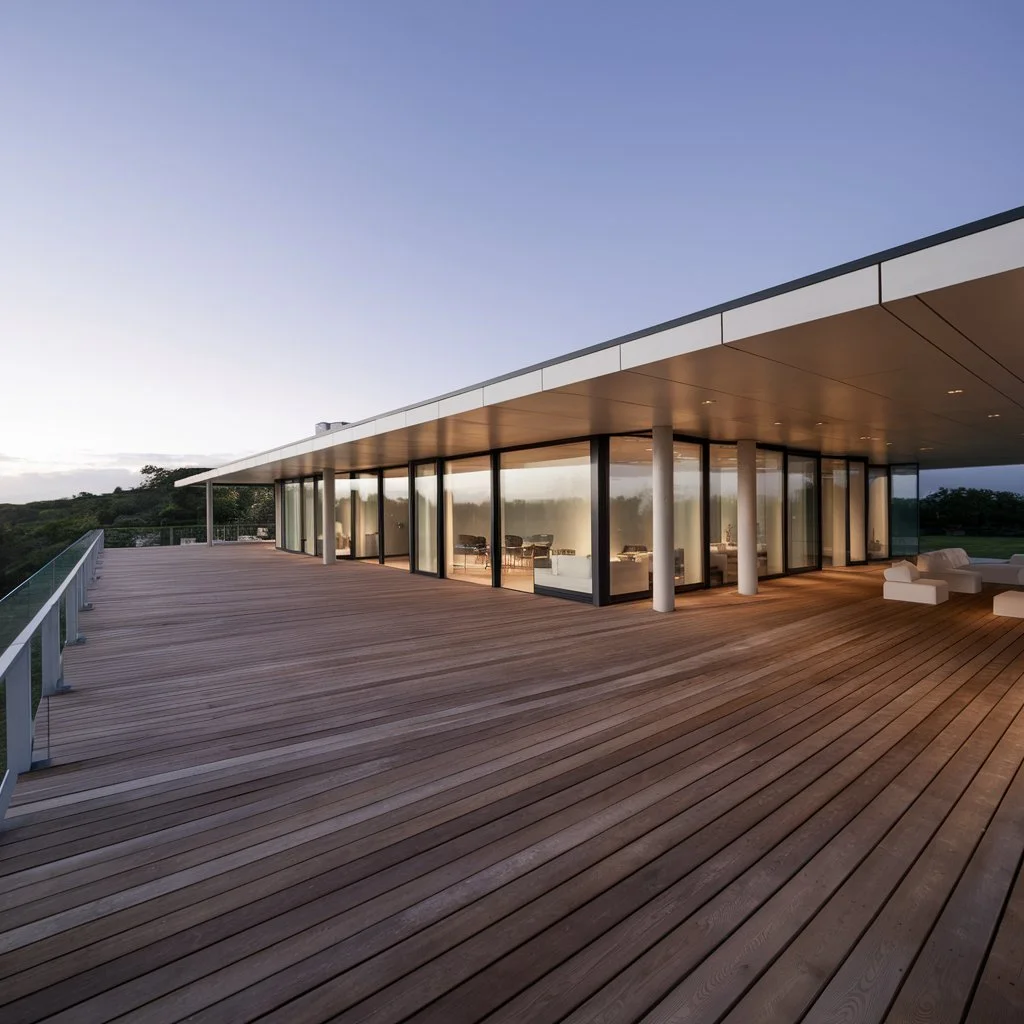
- High resistance to weather conditions: Thermo pine is exceptionally resistant to moisture, UV radiation and temperature changes. This makes it ideal for outdoor applications such as terraces, façades and garden furniture.
- Durability: Thermal treatment increases the wood’s hardness and strength. Thermo pine is less susceptible to mechanical damage, making products made from it more durable.
- Resistance to fungi and pests: The thermal modification process destroys most of the organic substances that provide food for fungi and insects. As a result, thermo pine is much less susceptible to pest attacks and mould growth.
- Dimensional stability: Thermo pine has a low shrinkage and expansion coefficient. This means that the wood does not change its dimensions as humidity levels change, which is important for structural and finishing elements.
- Eco-friendliness: The thermal modification process is environmentally friendly and does not require the use of chemicals. This makes thermo pine better for the environment and users’ health.
Applications of thermo pine.
Thermo pine is widely used in both construction and interior design. Here are a few examples of where this material can be used:
- Building façades: Thanks to its high resistance to weather conditions, thermo pine is an ideal material for building façades. In climates with rain, snow, sunshine and temperature changes, thermo pine façades look attractive and require minimal maintenance.
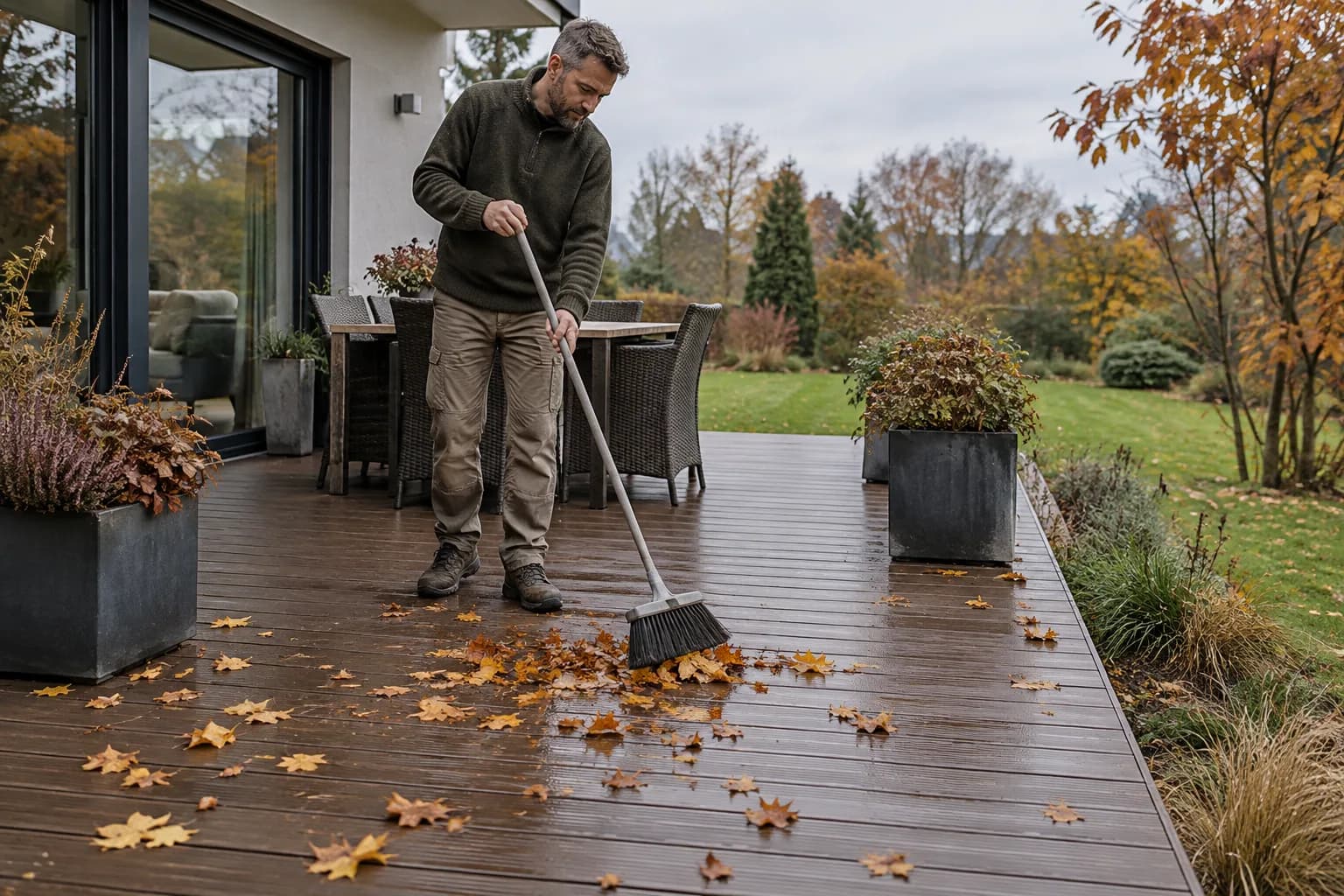
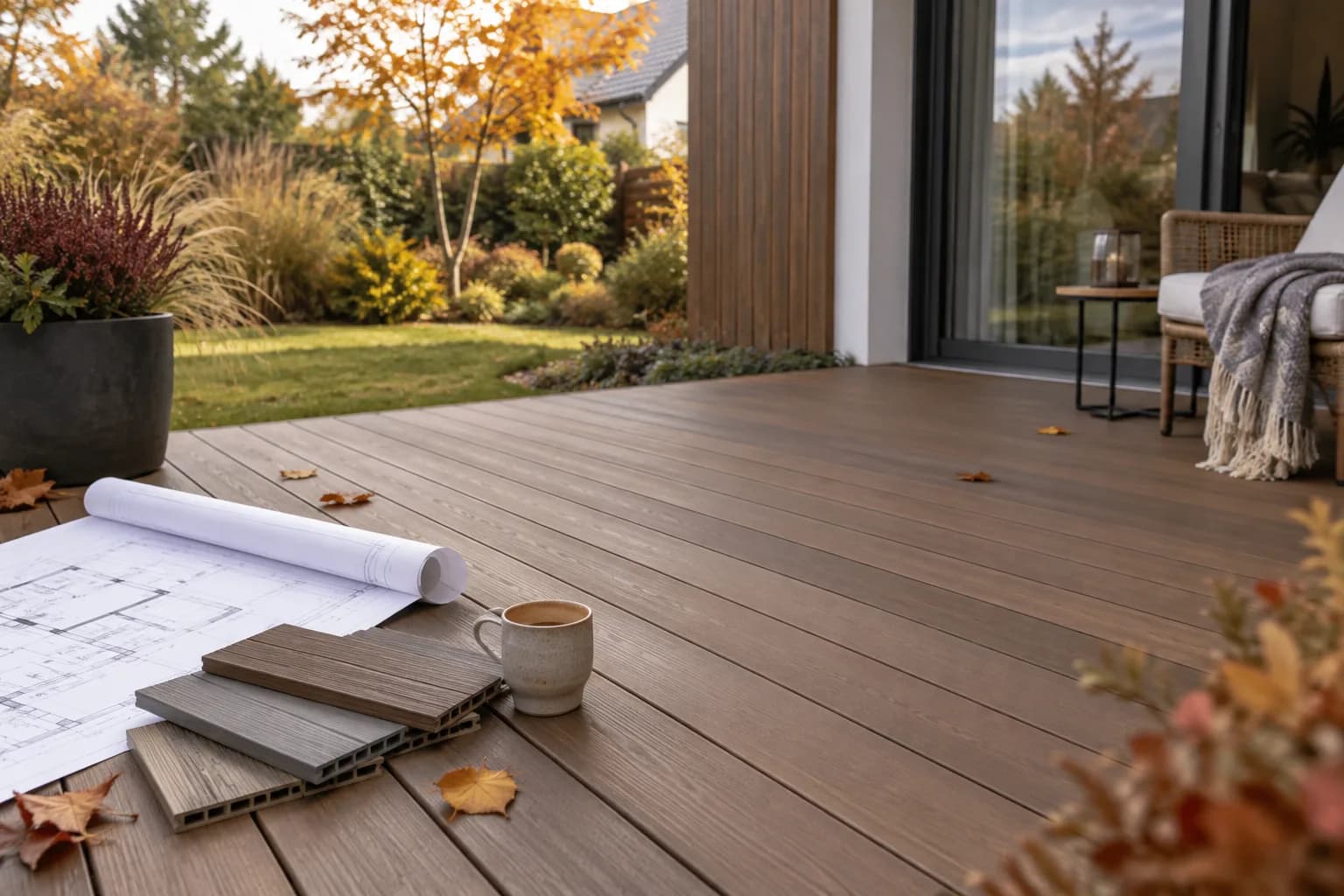
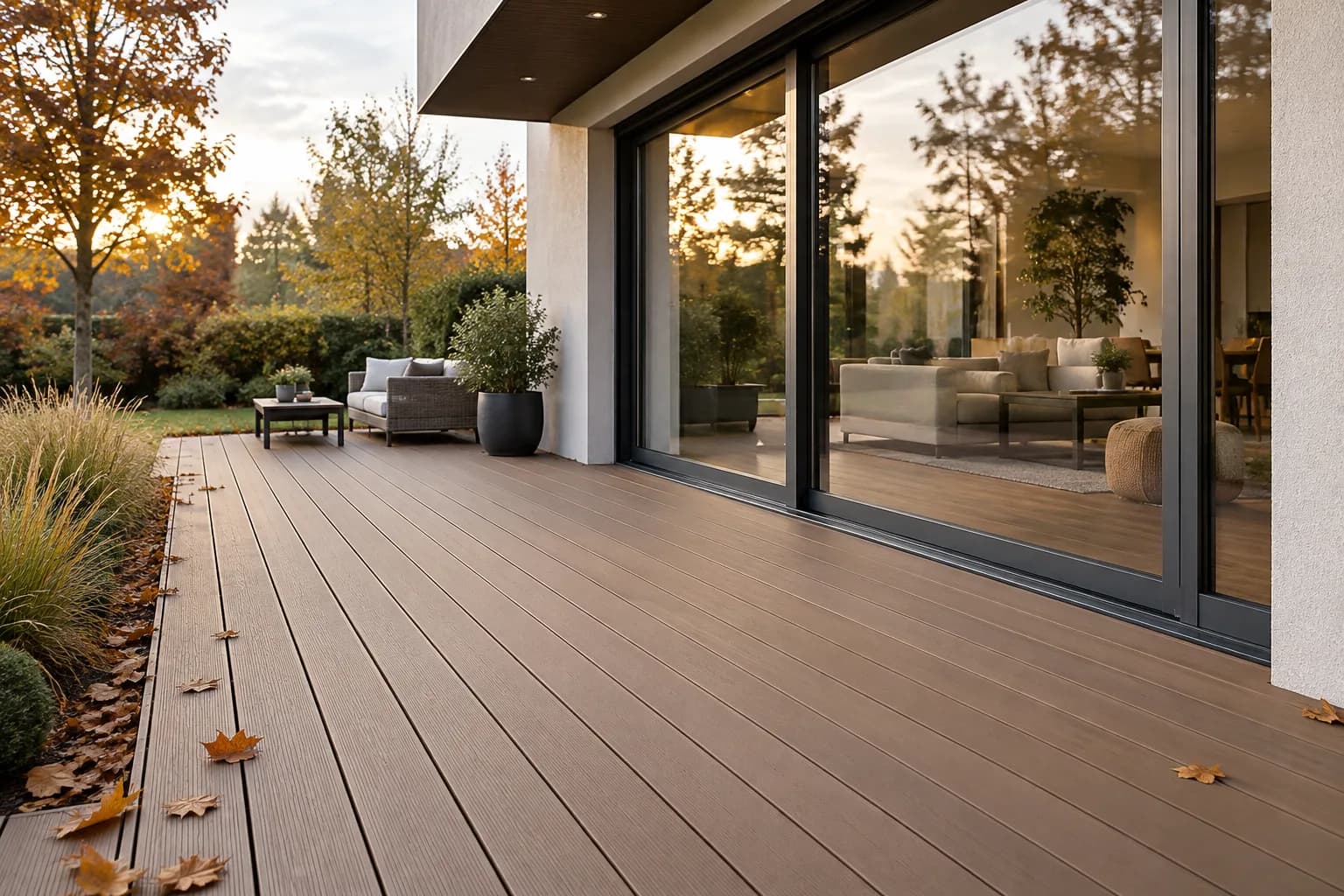
- Terraces and balconies: Its durability and resistance to moisture make thermo pine an excellent choice for decking boards and balcony flooring. This wood is dimensionally stable and does not crack when exposed to moisture, making thermo pine terraces and balconies durable and attractive.
- Garden furniture: Thermo pine is an excellent material for making garden furniture. Its resistance to moisture, mould, fungi and UV radiation means that thermo pine furniture retains its appearance and functionality for many years.
- Floors and wall panels: Interiors finished with thermo pine gain a warm, natural appearance as well as durability. Thermo pine is resistant to scratches and mechanical damage, making it ideal for areas with high footfall.
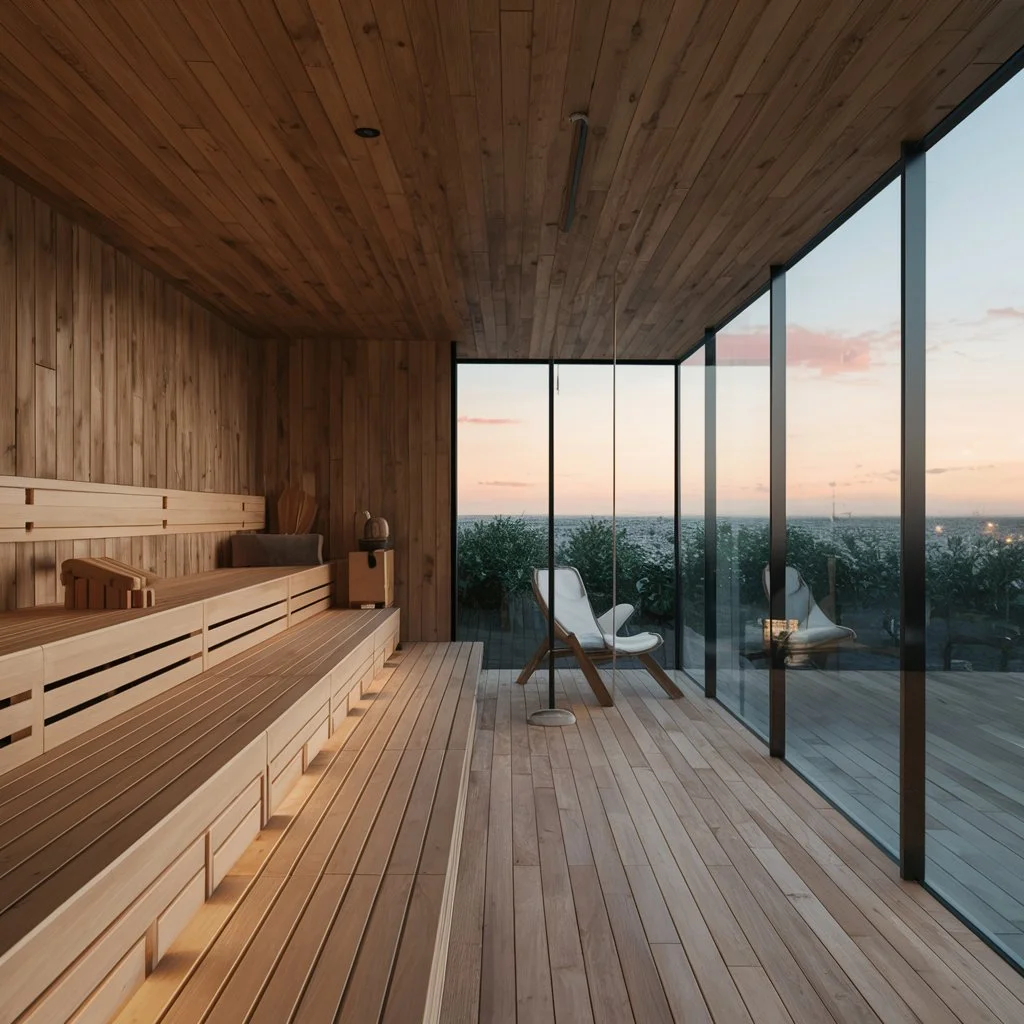
- Saunas: Thanks to its high resistance to moisture and temperature, thermo pine is often chosen for sauna construction. Thermo pine saunas are comfortable, durable and attractive, and are popular both in private homes and commercial premises.

Summary.
Thermo pine is a material that is growing in popularity thanks to its exceptional properties. Thermal treatment gives the wood not only a beautiful appearance, but above all durability and resistance to harsh conditions. This makes thermo pine an excellent choice for a wide range of applications, from building façades to garden furniture.
Frequently asked questions (FAQ).
Does thermo pine require special maintenance?
Thermo pine is very durable and resistant, but regular oiling is recommended to preserve its beautiful appearance.
Is thermo pine more expensive than ordinary wood?
Because of the heat-treatment process, thermo pine is usually more expensive, but its advantages fully justify the higher price.
Is thermo pine suitable for interiors?
Of course! Thermo pine is an excellent choice for interiors, especially where greater durability and moisture resistance are required.
What colours does thermo pine come in?
The colour of thermo pine depends on the intensity of the heat treatment; it is usually a warm, darker shade of natural wood.
Is thermo pine environmentally friendly?
Yes, the heat-treatment process does not require chemicals, making thermo pine an eco-friendly choice.