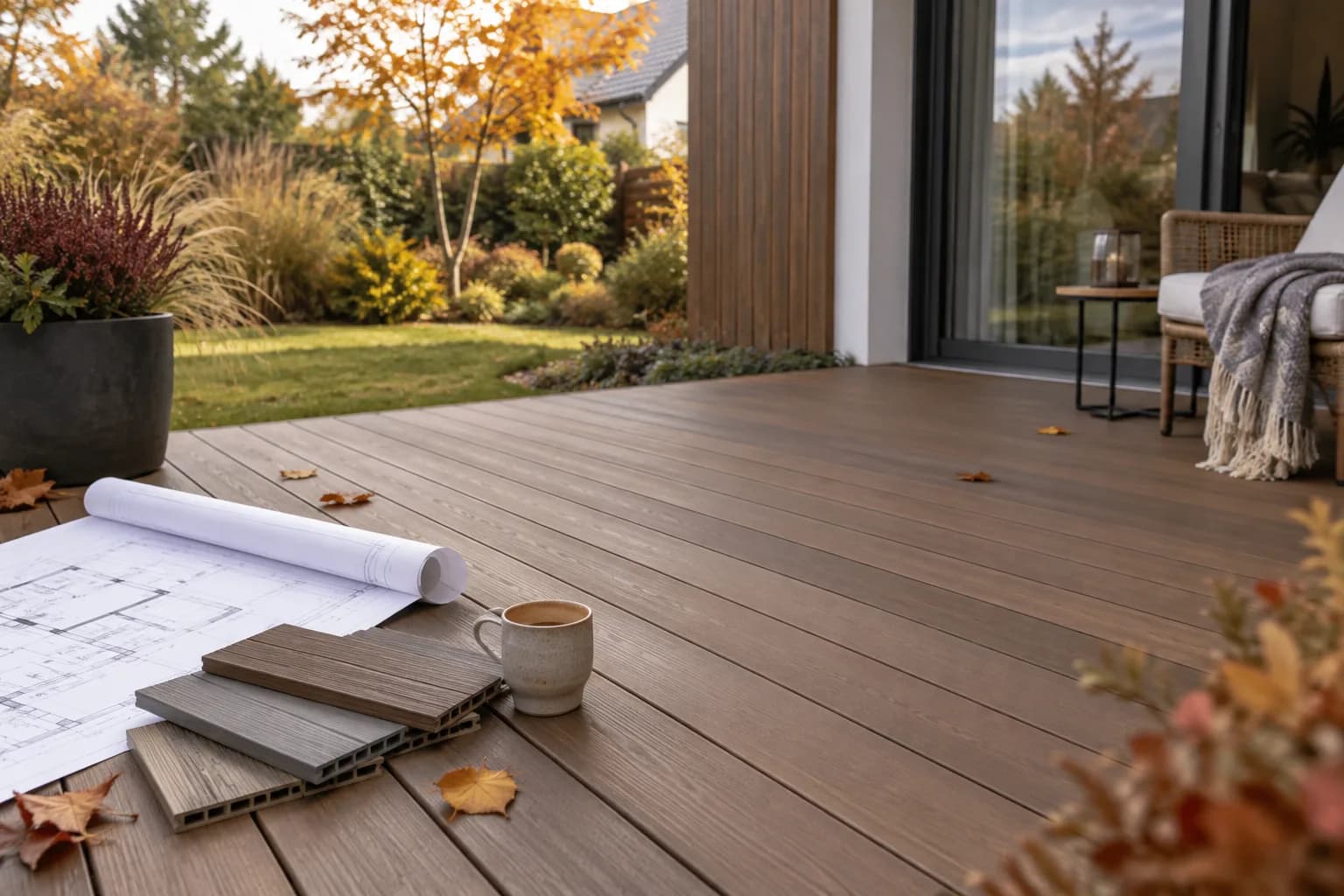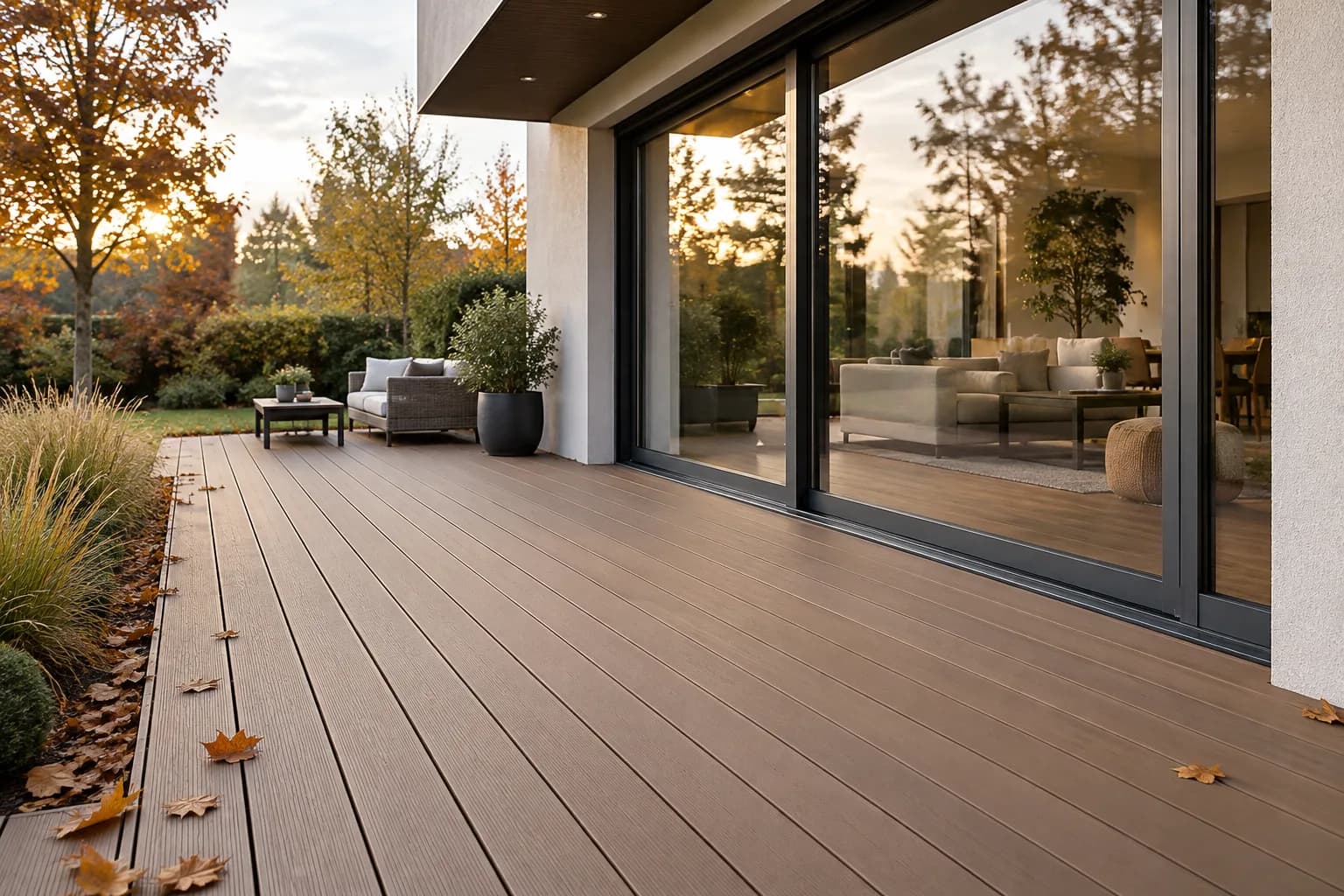
Composite decking on a terrace in 2026 – Is it still worth it?
Planning a terrace in 2026? Find out whether composite decking boards are still a worthwhile investment. Advantages, disadvantages, trends and a comparison with wood – all in one place!
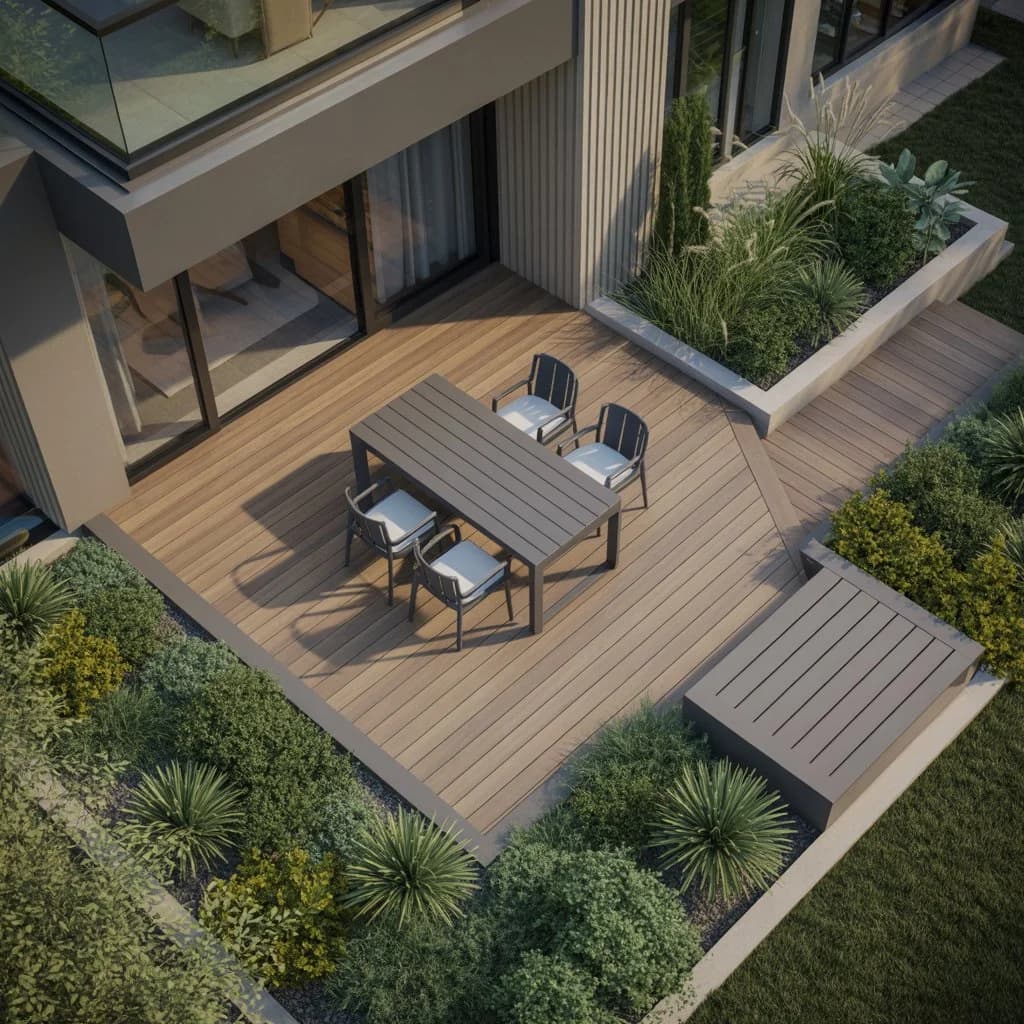
Just a few years ago, composite decking was an absolute hit in modern terrace design. It combined the elegant appearance of wood with the durability of plastic, promising years of trouble-free use without the need for painting, oiling or sanding. But… it’s 2026. Is composite still up to scratch? Or is natural wood coming back into favour? In this article, we take a close look at composite decking – exploring current trends, analysing the pros and cons, comparing prices and looking for the answer to one question: Is composite decking still a good choice for a terrace in 2026?
What exactly is composite decking?
For clarity – if you’re just starting to plan your terrace, here’s a quick explanation.
Composite decking (WPC – Wood Plastic Composite) is a material made from a mixture of wood flour (finely ground wood) and plastic (usually PVC or HDPE). The mixture is formed into boards that imitate the appearance of natural wood, while being much more resistant to weather conditions.
Terrace trends in 2026 – what has changed?
2026 brings several noticeable changes to the terrace materials market:
- Minimalism and durability – Customers are choosing solutions that look attractive but, above all, are easy to maintain.
- Green technologies – More and more companies are offering recycled composites, which are more environmentally friendly.
- New textures and colours – Composite decking boards in 2026 look even more realistic – matte, with visible grain, and sometimes indistinguishable from real wood.
Advantages of composite decking in 2026.
Although composite is nothing new, its manufacturing technology continues to develop. Here are the main advantages that still make it a compelling choice:
- Low maintenance – No oiling, no sanding, just regular cleaning.
- Resistant to moisture and mould – Ideal for Polish weather conditions.
- No splinters or cracks – Safe for children and pets.
- Modern appearance – Looks good alongside both modern homes and classic architecture.
- Longer warranty – In 2026, many companies already offer warranties of 15–25 years.
And what about the disadvantages? What should you expect?
Well, as they say, all that glitters is not gold. Composite decking boards also have drawbacks that you need to bear in mind:
- Higher purchase price – Although they don’t need maintenance, the initial cost is higher than for wood.
- Can become hot – Dark colours can feel hot to the touch in summer.
- An artificial look? – Although there have been many improvements, some people can still see the difference.
- No natural scent or texture – Wood is wood – for many, nothing can replicate it.
Composite decking vs wood – what should you choose in 2026?
| Features | Composite decking | Wooden decking board |
|---|---|---|
| Initial price | Higher | Lower |
| Maintenance | Minimal | Regular (oiling, sanding) |
| Durability | 15–25 years | 10–15 years (with maintenance) |
| Appearance | Modern, uniform | Natural, unique |
| Environmental impact | Increasingly made from recycled materials | Natural, biodegradable |
| Comfort in use | Splinter-free, non-slip | Needs more attention |
Conclusion?
If you value comfort, modernity and peace of mind, composite decking will be the better choice in 2026.
If you love nature, the scent of wood and don’t mind the work, wood still has its place.
How much does composite decking cost in 2026?
In 2026, prices vary depending on the manufacturer, grade and country of origin.
On average:
- Standard composite decking board: 200–350 zł/m² (material)
- Premium board with a wood-grain texture: 350–500 zł/m²
- Installation (professional): 80–150 zł/m²
Tip: It is worth looking at local manufacturers – they often offer quality comparable to global brands, but at a much better price.
Who is composite decking the best choice for in 2026?
- Families with children (a safe surface)
- Busy people (zero maintenance)
- Investors and developers (durability = savings)
- Fans of modern architecture
- Owners of holiday homes (infrequent use, difficult conditions)
In conclusion… Is it still worth it?
Yes, absolutely. In 2026, composite decking is still one of the best decking solutions on the market. Thanks to modern technologies, this material combines everything we look for: durability, aesthetics, safety and convenience. Of course, the initial cost is higher, but if you consider years of use without additional maintenance costs, the balance is very much in its favour.
FAQ – Frequently asked questions about composite decking.
1. Does composite decking fade?
Yes, it may change colour slightly in the first few months due to exposure to the sun, but it then stabilises.
2. Can it be installed DIY?
Of course! With a little technical ability and a good installation system – absolutely.
3. Is composite eco-friendly?
In 2026, most manufacturers use recycled materials. Check the certificates!
4. What about winter and snow?
It does not absorb water or crack – just clear the snow as you would from an ordinary terrace.
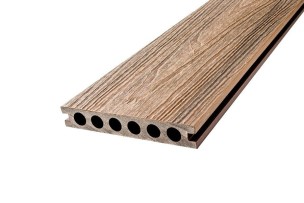
PREMIUM composite decking board 23x138 - 3,5 m
Price per 1 linear metre of board: 24,85 zł
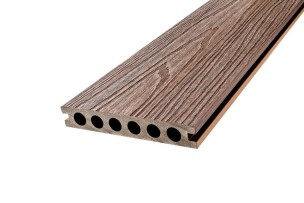
PREMIUM composite decking board 23x138 - 4,0 m
Price per 1 linear metre of board: 24,85 zł
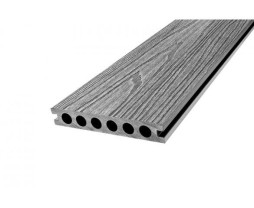
PREMIUM composite decking board 23x138 - 4,5 m
Price per 1 linear metre of board: 24,85 zł
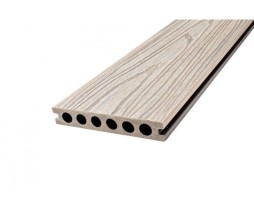
PREMIUM composite decking board 23x138 - 5,0 m
Price per 1 linear metre of board: 24,85 zł