
Is composite decking resistant to rot, mould and insects? Facts worth knowing.
Find out whether composite decking boards are resistant to rot, mould and insects. Learn about their advantages and limitations, and how to care for a composite decking board terrace properly.

Composite decking has been growing in popularity for years among people building terraces, balconies and outdoor living areas around the home. One of the most frequently asked questions is whether this material is resistant to rot, mould and insects. This is an important consideration, as traditional timber requires regular treatment and is vulnerable to moisture and pests. In this article, we cover the key facts about the durability of composite decking and explain why many homeowners find it a more practical option than timber.
What is composite decking?
Composite decking is made by combining wood flour or wood fibres with high-quality plastics and additives that improve the material’s durability. This construction combines the look of timber with the resilience of modern materials.
The proportions of the ingredients can vary by manufacturer, but the main aim is to create a product that can withstand harsh weather conditions and everyday use.
Does composite decking rot?
The short answer is: no, composite decking does not rot in the same way as natural timber.
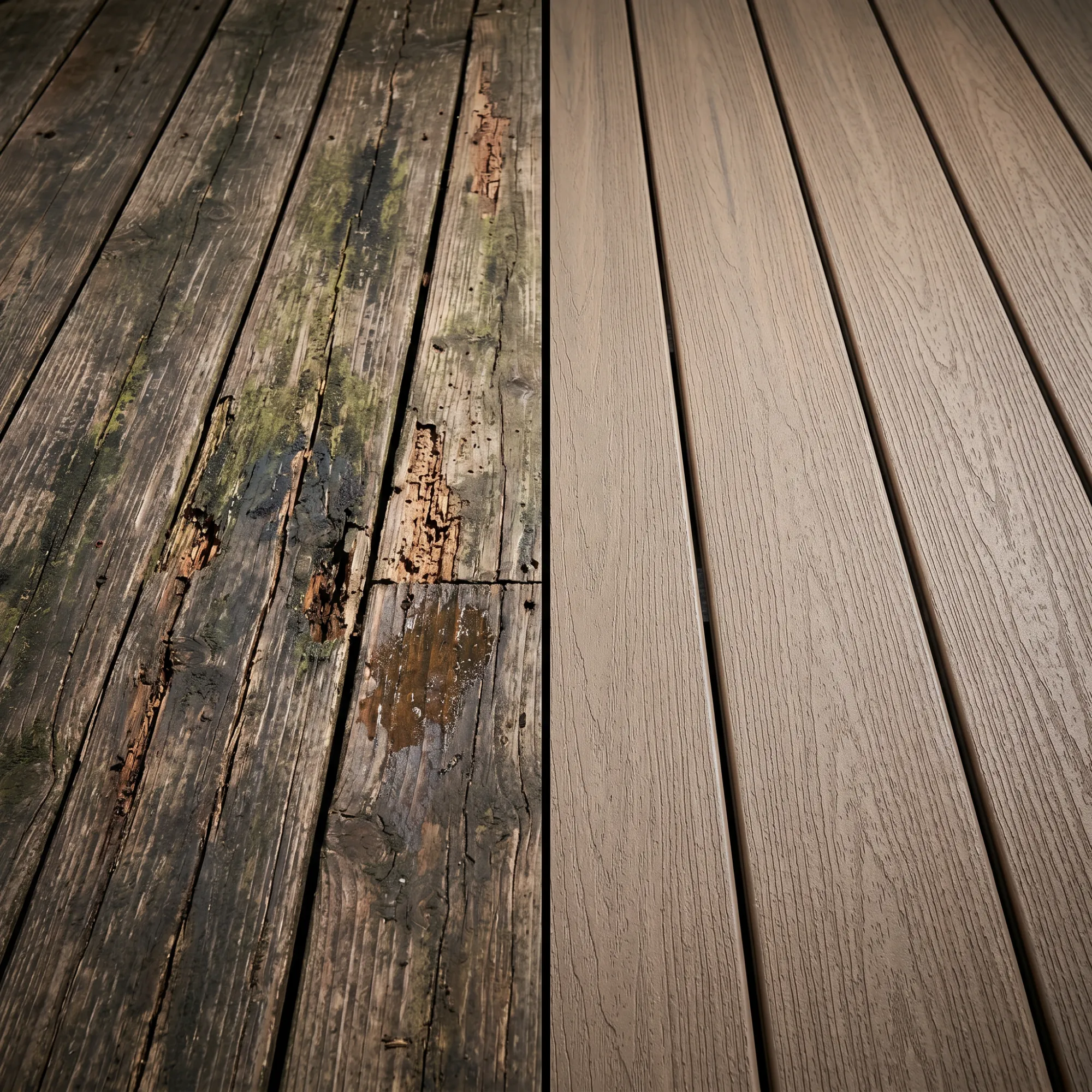
Rot sets in when timber remains damp for a prolonged period and fungi break down its structure. The plastic content in composite decking effectively limits moisture absorption, so the material does not create conditions that encourage rot.
That is why composite decking is ideal for:
- terraces,
- balconies,
- jetties,
- garden paths,
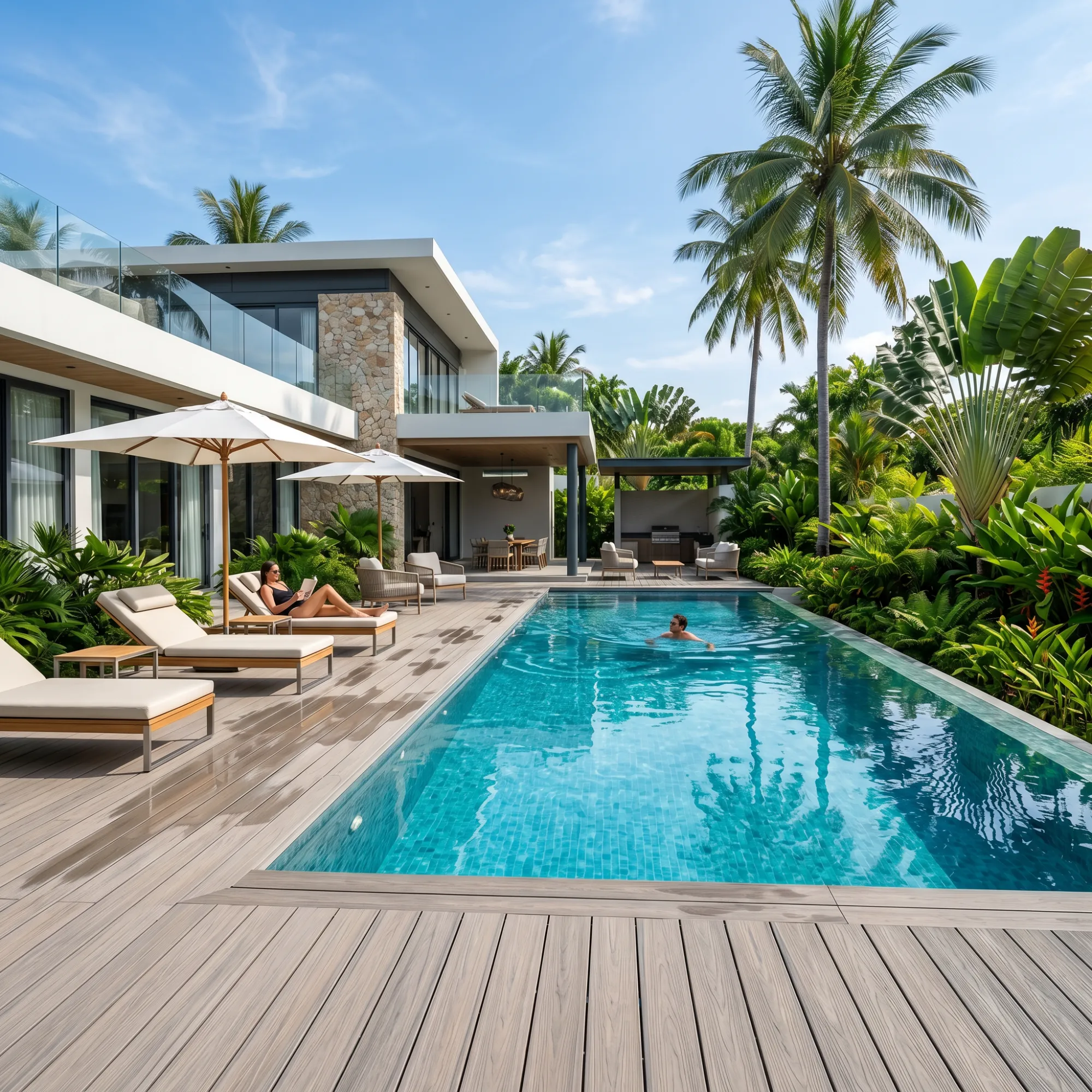
- poolside areas.
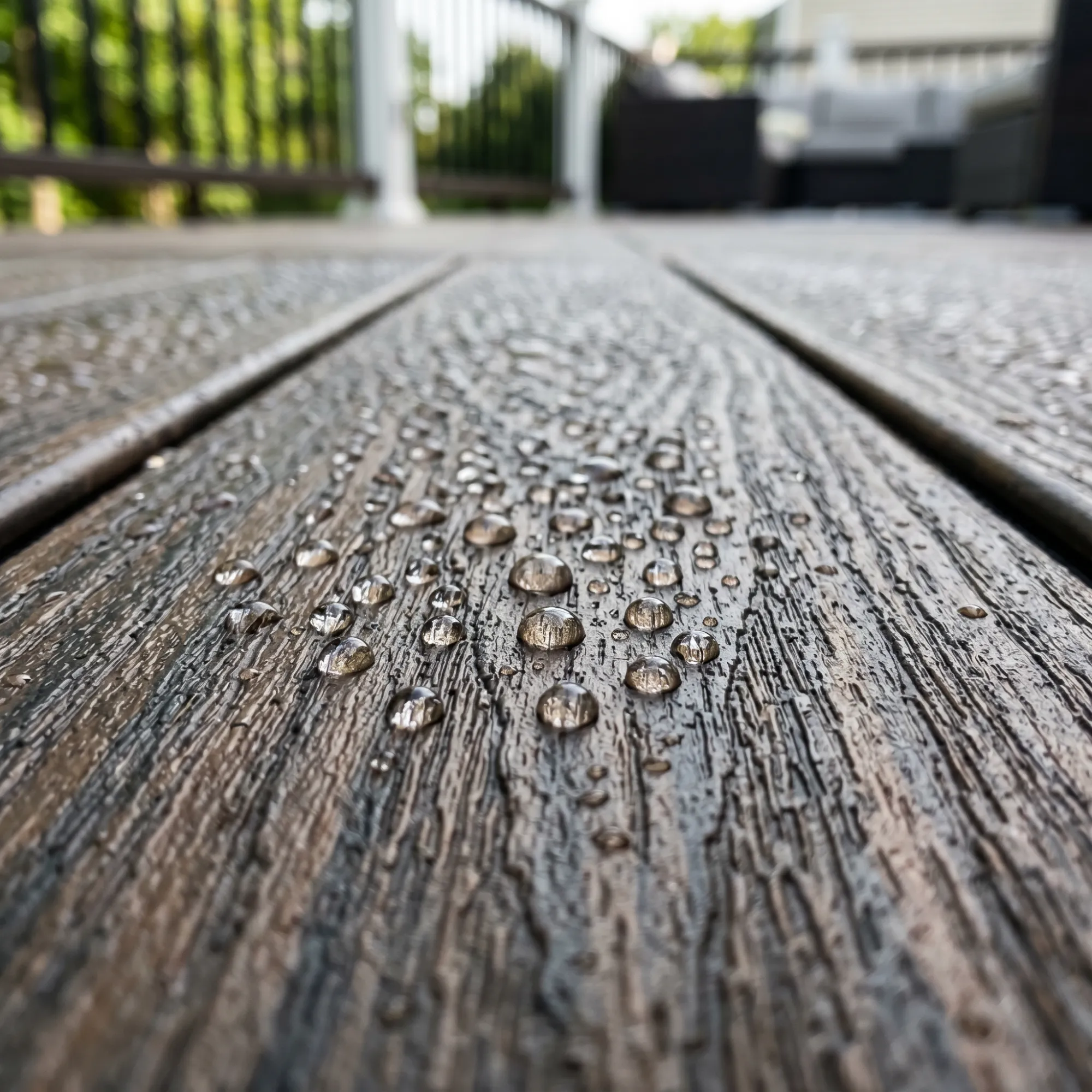
However, this does not mean you can forget about maintenance altogether. Regularly removing dirt and ensuring water drains away properly will significantly help the surface retain its appearance.
Routine maintenance for a composite decking terrace – practical tips.
Mould resistance – what you need to know
One of the biggest problems with timber terraces is the appearance of mould and fungi. Moisture, shade and dirt create ideal conditions for them to grow. Composite decking is much more resistant to mould than timber. This is because it:
- absorbs far less moisture,
- does not need oiling,
- has a dense structure that makes it harder for microorganisms to grow.
However, bear in mind that organic dirt such as leaves, pollen or mud can appear on the surface of any decking, whatever the material. If left for a long time on a damp terrace, it may encourage surface mould. This does not mean the material itself has been damaged; it simply needs cleaning.
Washing it regularly with water or a pressure washer, in line with the manufacturer’s instructions, is usually enough to keep your terrace in excellent condition.
Do insects attack composite decking?
Natural timber is attractive to many types of insect, including:
- wood-boring beetles,
- the house longhorn beetle,
- deathwatch beetles,
- termites (in countries where they are found).
Composite decking is not a food source for them. The plastic content means insects are not attracted to its structure, so the characteristic damage, tunnels and weakening of the material do not occur. This is one of the biggest advantages of composite decking, particularly in areas with high humidity or where timber features are often damaged.
Why is composite decking so durable?
Modern composite decking boards are designed for years of use. Their durability comes from several properties. Above all, they are resistant to:
- moisture,
- temperature fluctuations,
- UV radiation (depending on the technology),
- fungal growth,
- insect attack,
- cracking typical of timber.
They also do not need painting or treating every year, which means lower terrace maintenance costs over the years.
Does composite decking have any limitations?
Although this material has many advantages, it is worth knowing about its limitations too. Composite decking may:
- heat up more than light-coloured timber in strong sunlight,
- change shade slightly during the first few months of use,
- need to be installed in line with the manufacturer’s instructions to ensure adequate ventilation.
These are not drawbacks related to rot or biological resistance, but natural properties of the material.
How to care for composite decking?
Despite its high resistance, it is worth following a few simple care guidelines. The most important are:
- regularly remove leaves and dirt,
- wash the terrace with water and a mild cleaning product,
- do not let mud build up for long periods,
- ensure water drains away properly,
- follow the manufacturer’s maintenance instructions.
These steps will help your terrace retain its attractive appearance for many seasons.
Composite decking or timber – which should you choose?
People who value the natural character of timber often choose traditional decking boards. However, bear in mind that they need regular treatment and oiling, as well as checks for fungi and insects.
Composite decking is the right choice for those looking for:
- high moisture resistance,
- easy maintenance,
- long service life,
- a modern appearance,
- lower maintenance costs.
In many cases, the total cost of using composite decking for over a decade works out lower than maintaining traditional timber.
Frequently asked questions (FAQ).
Can composite decking rot?
No. Its construction means it does not rot in the same way as natural timber.
Can mould appear on composite decking?
The material itself is resistant to mould growth, but dirt left on a damp surface can encourage surface deposits. Regular cleaning effectively reduces this problem.
Do insects damage composite decking?
No. The material is not a food source for wood-boring insects, so they do not damage it.
Does composite decking need treating?
No. Unlike timber, it does not need treating or oiling.
How long does composite decking last?
When correctly installed and given basic care, high-quality composite decking can retain its properties for many years, and many manufacturers offer long-term guarantees.
Summary.
Composite decking is a material designed to be durable and easy to use. It is resistant to rot, handles moisture much better than timber and is not an attractive environment for insects. With proper care and installation, it can retain its appearance for a long time without the need for costly maintenance.
If you’re looking for a modern, durable and easy-to-maintain terrace, composite decking is well worth considering. Its high resistance to biological and weather-related factors makes it an investment that works just as well in a home garden as on balconies, restaurant terraces and commercial spaces.
SELECT composite decking board 25x140 - 2.25 m
Price per 1 linear metre board: 17.27 PLN
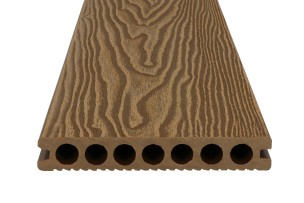
DUO composite decking board 23x148 - 4.0 m
Price per 1 linear metre board: 21.29 PLN
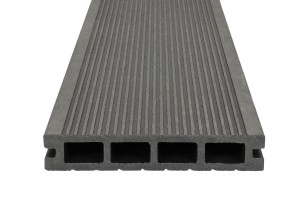
SELECT composite decking board 25x140 - 2.9 m
Price per 1 linear metre board: 17.27 PLN
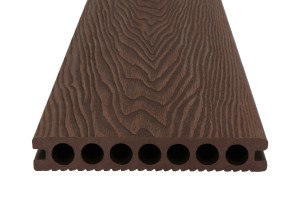
DUO composite decking board 23x148 - 3.5 m
Price per 1 linear metre board: 21.30 PLN



