PVC or HDPE Composite Decking Board: Which Should You Choose?
Discover the ins and outs of building decking and choose the perfect decking boards in our shop. Find practical advice, interesting facts and the latest news on our blog. Visit us and get inspired!
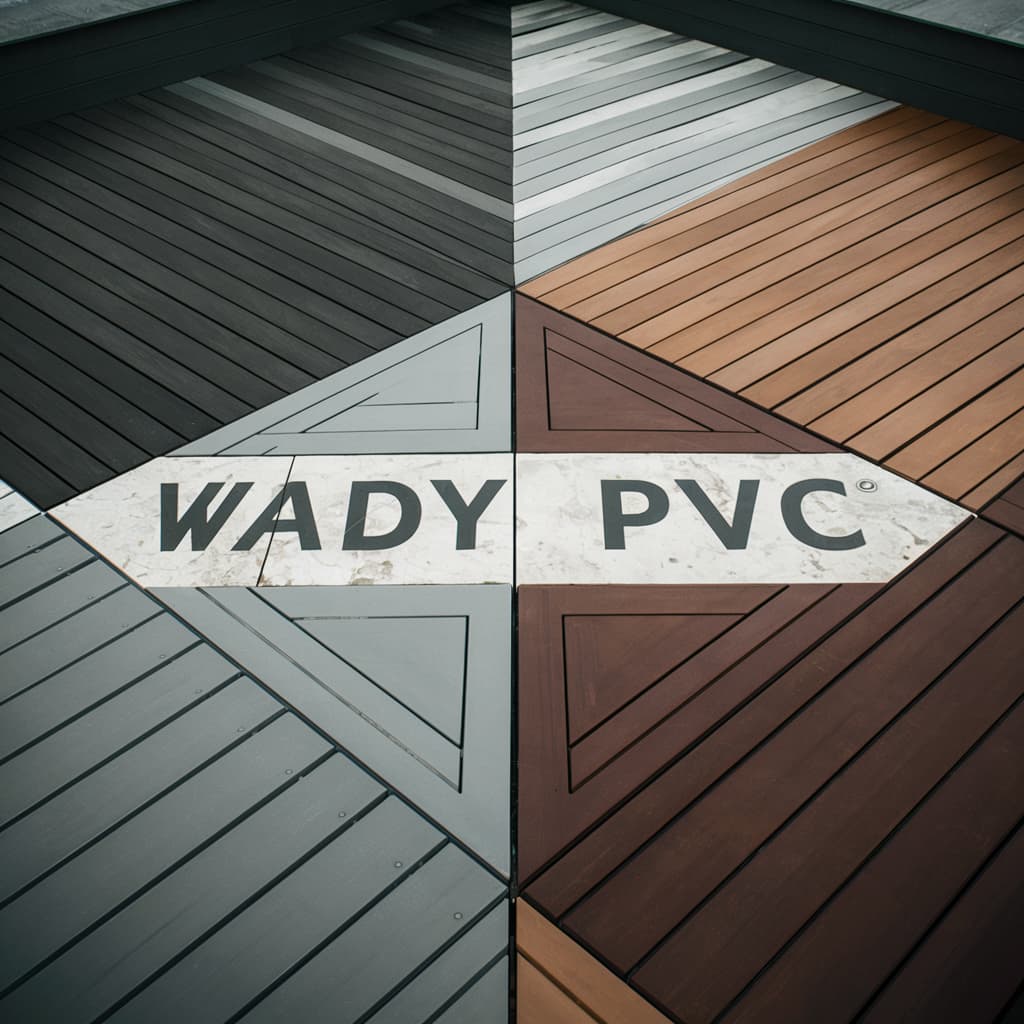
Nowadays, more and more people are choosing to use composite decking boards to build terraces, balconies and façades. This is a practical, attractive and durable solution. However, choosing the right material is not easy, as there are many different options available on the market. The most popular include PVC and HDPE composite decking boards. In this article, we will take a closer look at both materials to help you make an informed decision. However, we will focus on the advantages of HDPE boards, which are becoming increasingly popular.
What are composite decking boards?
Composite decking boards are products made from a mixture of plastics and natural fibres, such as wood. This means they combine the advantages of both materials – they are durable, weather-resistant and attractive. Their popularity stems from how easy they are to maintain and their long lifespan, making them an appealing alternative to traditional wood. Our range includes boards with a 15-year warranty. We carefully check all the boards we sell, and they meet all quality standards. Every product we recommend is also installed by our installation teams, so we can be sure these boards are the best choice.
PVC composite decking boards
Advantages:
- Resistance to moisture and mould: PVC composite decking boards are extremely resistant to moisture, making them ideal for terraces and balconies exposed to rain and snow. PVC does not absorb water, so there is no risk of swelling or warping.
- Easy to keep clean: PVC composite decking boards are very easy to wash and clean regularly. They retain their appearance for many years.
- Resistance to insects and fungi: PVC boards are not attractive to insects or fungi, which is a major advantage compared with traditional wood.
- Colour durability: Thanks to special additives, PVC boards resist fading from UV rays, which helps them look like new for a long time.
Disadvantages:
- PVC composite decking boards are usually more expensive than other composites. The high initial price may be a barrier for some investors.
- Although PVC boards can imitate the look of wood, they often appear more artificial than HDPE boards or natural wood. This may be an important factor for people who value a natural aesthetic.
- PVC has a lower capacity to absorb sound than natural wood or some HDPE composites. This can lead to more noise when walking on the boards, which may be inconvenient in some applications.
- PVC boards often contain chemical additives intended to improve their properties. Some of these additives may potentially be harmful to human and animal health, especially if the boards are used in areas frequently used by children.

HDPE composite decking boards
Advantages:
- Environmental benefits: HDPE, or high-density polyethylene, is a fully recyclable material. HDPE boards are often made from recycled plastic waste, making them more environmentally friendly. As environmental awareness grows, choosing recycled materials is becoming increasingly important. HDPE boards are therefore an excellent choice for people who want to look after the environment.
- Mechanical strength: HDPE boards are highly resistant to mechanical damage, making them ideal for areas with heavy foot traffic. Frequently used terraces need a material that can withstand intensive use, and HDPE meets these requirements.
- Flexibility: HDPE is more flexible than PVC, which can be beneficial for bespoke architectural projects that require greater material flexibility. As a result, these boards can be used in places where different shapes and forms are required, offering greater design possibilities.
- Price: HDPE boards are usually cheaper than PVC boards, making them a more accessible option for a wide range of users. People planning budget renovations or terrace construction can therefore choose HDPE boards without compromising on quality.
- Safety: HDPE boards offer good slip resistance, making them a safer choice, especially in areas exposed to moisture. This makes them ideal for use near swimming pools or on terraces, where safety is crucial.
Disadvantages:
- Initial cost: Although HDPE boards are generally cheaper than PVC, they may cost more than other composite materials available on the market. However, this investment often pays off over the longer term thanks to their durability.
- Difficulty of working with them: HDPE boards can be somewhat more difficult to work with than PVC boards because of their strength and flexibility. Specialised tools are required, which may increase installation costs.
- Weight: HDPE boards may be slightly heavier than PVC boards, which can make them more difficult to transport and install. However, the difference is small enough that it rarely poses a serious problem.
Comparison
To make the right choice between PVC and HDPE composite decking boards, it is worth looking at a few key aspects:
- Durability: PVC boards are more resistant to moisture and UV radiation, making them more durable in harsh weather conditions. HDPE boards are also durable, but may require additional maintenance over the longer term.
- Appearance: If a natural wood look is your priority, HDPE boards may be a better choice, although PVC boards also offer a wide range of attractive options.
- Environmental impact: HDPE is a more environmentally friendly choice, especially if the material comes from recycling. PVC is less environmentally friendly because it is more difficult to recycle.
- Cost: HDPE boards are usually cheaper than PVC boards, which may be an important factor for people on a limited budget.
Why choose HDPE boards?
HDPE boards offer many advantages that may outweigh their drawbacks, especially if environmental impact, cost and appearance are priorities. It is worth considering a few additional aspects that may lead you to choose HDPE boards.
- Longevity: With proper maintenance, HDPE boards can last for many years. Their mechanical strength and resistance to damage make them an excellent choice for long-term investments.
- Versatile applications: Thanks to their flexibility and ability to be adapted to different shapes, HDPE boards can be used not only on terraces, but also on balconies and in gardens, and even as a finishing material for façades.
- Environmentally friendly: Producing HDPE boards from recycled material helps reduce plastic waste. By choosing HDPE boards, you support sustainable practices and care for the planet.
- Modern design: HDPE boards are available in many colours and patterns, allowing you to create modern and stylish spaces. They can fit perfectly into both traditional and contemporary designs.
Summary
The choice between PVC and HDPE composite decking boards depends on the user’s individual needs and preferences. PVC boards are an excellent choice for those looking for a durable, easy-to-maintain material that is resistant to moisture and UV radiation. HDPE boards, in turn, are more environmentally friendly, cheaper and offer a more natural appearance, although they may require more attention when it comes to maintenance.
HDPE boards deserve particular attention because of their many advantages, including environmentally friendly production, strength, flexibility and attractive appearance. Investing in HDPE boards is a step towards sustainability, savings and modern design.
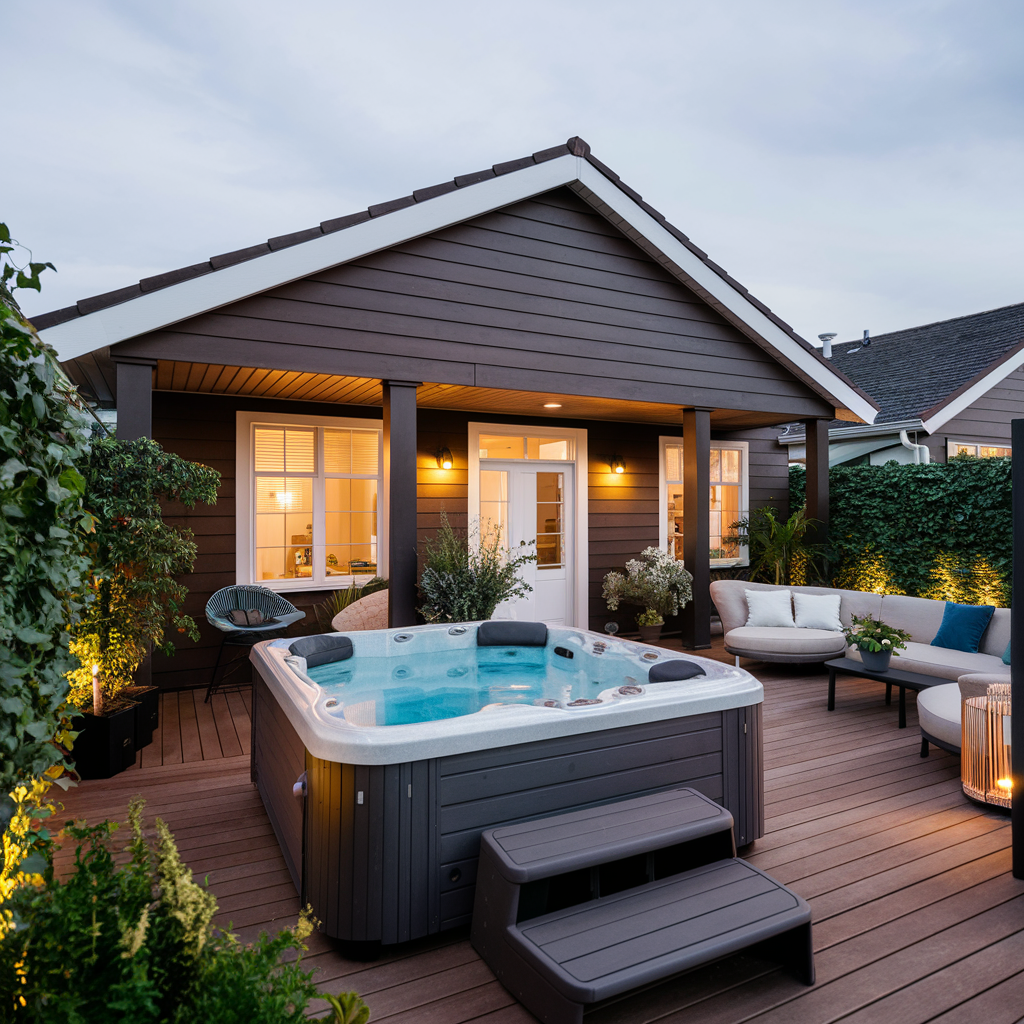
Regardless of your choice, composite decking boards are a long-term investment that will certainly enhance the aesthetic and functional value of your terrace, balcony or façade. Before making a final decision, it is worth carefully weighing up all the pros and cons to choose the solution best suited to your needs.
I would like to emphasise that the information in this article is based on our many years of experience with composite decking boards. Personally, I believe that many articles online spread false information about HDPE boards. Whether you choose PVC or HDPE, you will be happy with your choice. We also encourage you to contact our consultants, who will be happy to answer any questions.