
Composite cladding boards: vertical or horizontal? Which layout should you choose?
Vertical or horizontal? Find out which direction of installation for composite decking boards best suits your façade. We compare the look and visual effects of both options.

You’ve decided on composite decking boards for your façade – a great choice! Now it’s time for the next step: choosing the direction of installation. It may seem like a matter of taste, but believe us – the way the boards are laid has a huge impact on the appearance, style and even the proportions of your building. Horizontal installation gives your home a sense of width and classic elegance. Vertical installation, on the other hand, creates a modern look and a feeling of height and slenderness. Each option produces different visual effects, so before you pick up your drill, it’s worth carefully considering what best suits your façade, both aesthetically and technically. In this guide, we’ll compare both options, explain what to consider and help you decide: composite decking boards on a façade: vertical or horizontal?
It’s not just a matter of taste – here’s what you need to know!
Installing composite decking boards on a façade is an increasingly popular solution – modern, durable and attractive. But once you’ve chosen the colour and model, one of the most important questions arises: which direction should you choose – vertical or horizontal? It’s not just a matter of style! The direction in which the boards are laid affects:
- the overall visual effect,
- the building’s proportions,
- water runoff,
- and even the installation time and cost.
In this guide, we’ll compare both methods and help you decide which solution will work best for you.
Horizontal installation of composite decking boards – a classic with a modern twist.
Appearance and style.
Horizontal board installation is the most common choice – familiar, reliable and suited to most architectural styles. This direction of installation makes the building look longer, which is why it works particularly well for multi-storey homes or buildings with tall façades.
Visual effects of horizontal installation:
- The house looks wider and more stable.
- It creates a sense of calm and harmony.
- It works particularly well with modern, geometric building forms.
Practical benefits.
- Easier installation – less difficulty getting everything level.
- Better water drainage – horizontally installed boards can help water run off, provided they are well ventilated.
- Less material waste – it’s easier to match board lengths to the width of the wall.
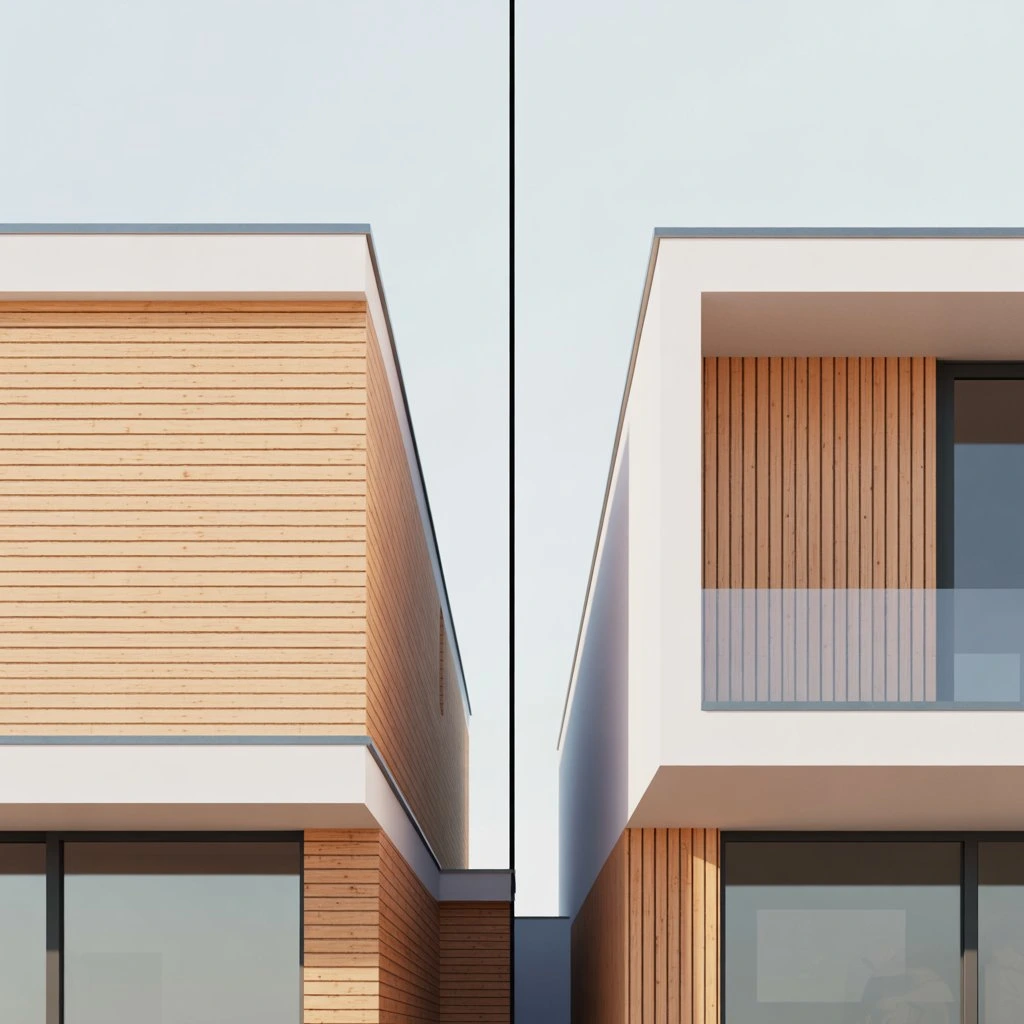
Vertical installation – for those looking for something different.
Although less common, vertical installation is becoming increasingly popular with people who appreciate originality and bold visual choices.
Appearance and visual effects of vertical installation:
- The house looks taller and more slender – ideal for low-rise buildings.
- It adds a modern feel and a dynamic character.
- It looks great when paired with large windows and façades with irregular shapes.
Practical considerations.
- It requires more careful installation planning – the framework is harder to secure.
- Additional sealing may sometimes be necessary (e.g. where boards join).
- Water runoff can be more efficient, but only if adequate ventilation is maintained and the boards are installed with a gap.
What should you choose? The direction of installation depends on several factors.
There’s no single right answer – it all depends on the design, preferences and technical conditions. Here are a few tips:
Choose horizontal installation if:
- You have a house with a tall façade and want to ‘balance’ its proportions.
- You prefer a classic, versatile look.
- You want to reduce installation time and material waste.
- You like understated, visually calm solutions.
Choose vertical installation if:
- You have a low-rise building and want to make it look ‘taller’.
- You’re looking for a wow factor and want to stand out.
- You’re planning a modern façade with a distinctive character.
- You don’t mind more complicated installation and higher upfront costs.
Additional visual effects worth knowing about.
If you’re still unsure, consider these other visual details too:
-
Horizontal boards + vertical windows – a contrast that catches the eye.
-
Vertical boards + light-coloured façade – elegant minimalism and a “Scandinavian” style.
-
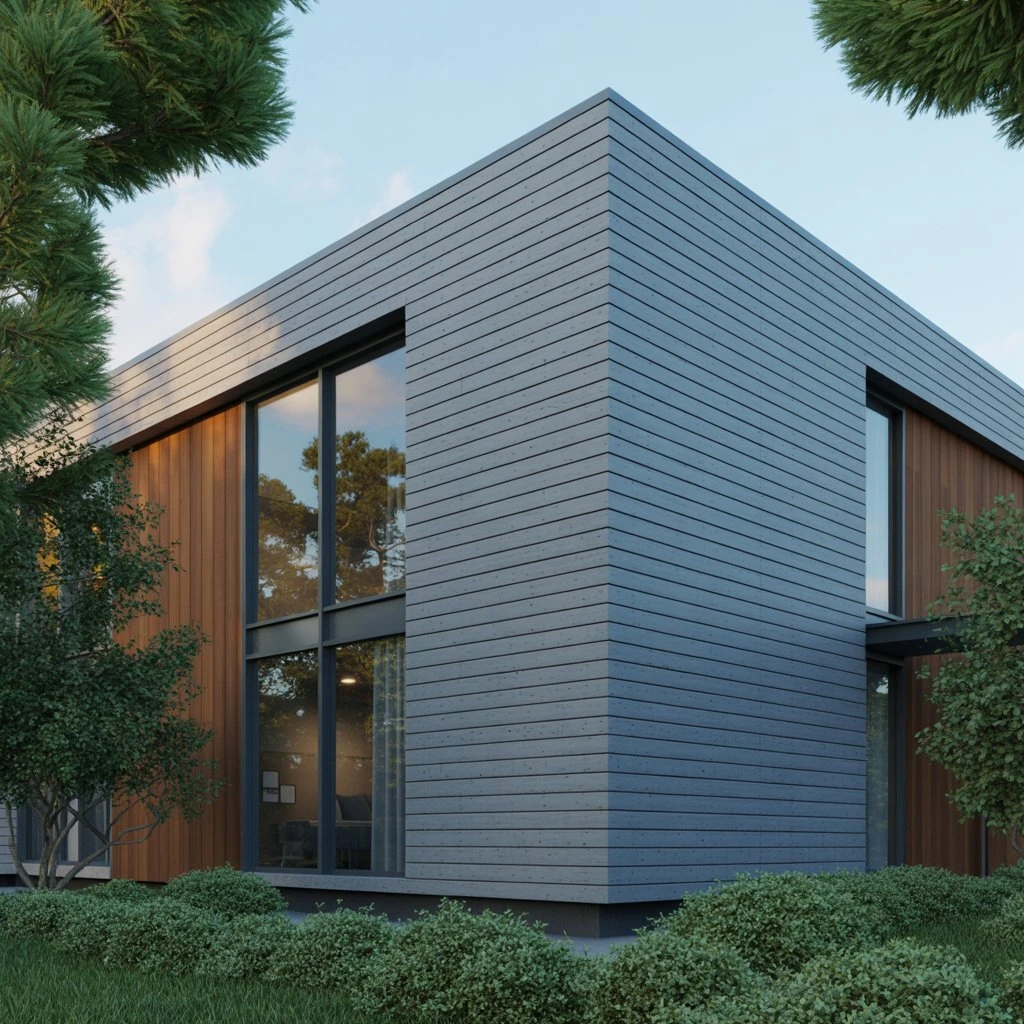
Mixed layouts – horizontal + vertical = an original effect, ideal for modern homes.
Remember: the direction in which the boards are installed has a huge impact on how your home looks from the outside. It’s like clothing – it can make a building look slimmer or taller, draw attention or blend into the background.
What else should you consider when installing?
Ventilation - Whatever the direction, ensure adequate ventilation beneath the boards – this will extend their lifespan and protect the façade from moisture.
Board colour and texture - Dark horizontal boards can make the building look “flatter”, while light vertical boards add a sense of lightness and modernity.
Climate zone - In areas exposed to strong winds and rainfall, horizontal boards may be easier to maintain – fewer joints mean a lower risk of water getting in.
Summary – what should you remember?
The direction in which composite decking boards are installed is a decision that affects the overall appearance of your home. Horizontal – classic and stable. Vertical – modern and original.
Key points:
Horizontal: visual stability, easy installation, classic appearance
Vertical: modernity, dynamic form, greater “wow” effect
Both options make sense – it all depends on the effect you want to achieve
Frequently asked questions.
1. Does the installation direction affect the durability of composite decking?
Not directly – the quality of the installation and the batten framework are more important, but the way the boards are laid can affect how the façade responds to weather conditions.
2. Can you combine both directions?
Yes! This is an increasingly popular design choice – horizontal boards on the main walls and vertical ones in selected areas, for example by the entrance or in the patio area.
3. Is vertical installation more difficult?
Yes, technically it can be more demanding – it requires more precise measurements, suitable scaffolding and sometimes more installation accessories.
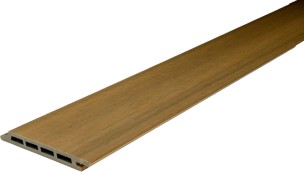
Smooth Premium TEAK Composite Façade Board
Dimensions: 14x138x2950
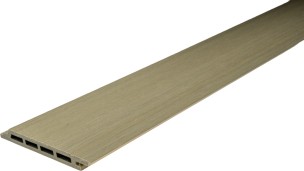
Smooth Premium SILVER FIR Composite Façade Board
Dimensions: 14x138x2950
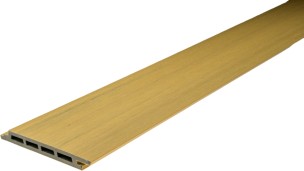
Smooth Premium OAK Composite Façade Board
Dimensions: 14x138x2950
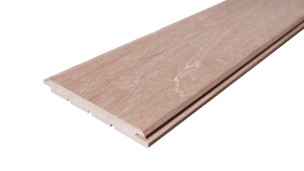
Cladding board 15x145 Dark Red Meranti Profile A 3.6 m
Available lengths: 3.0 m, 3.6 m, 4.8 m, 5.2 m



