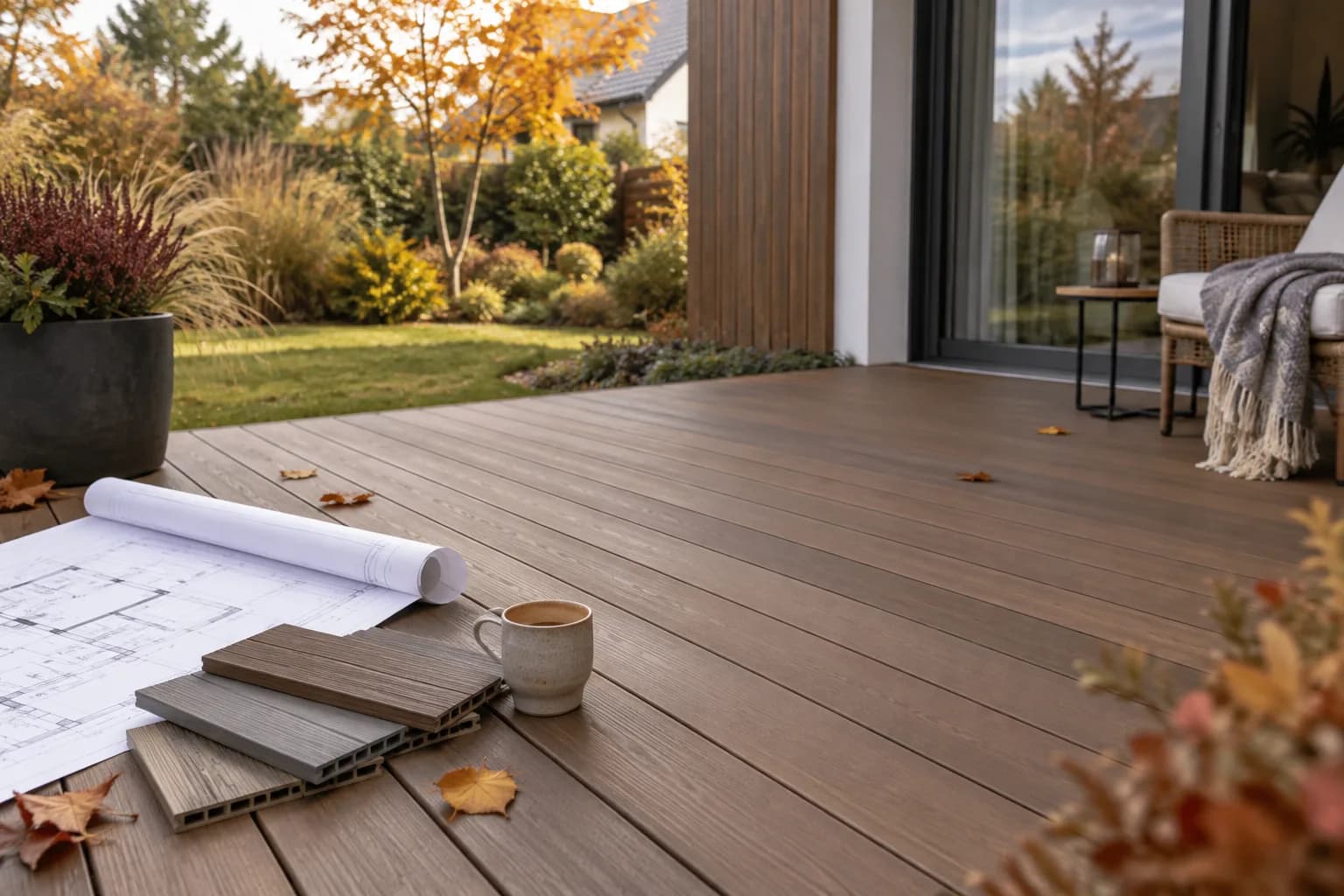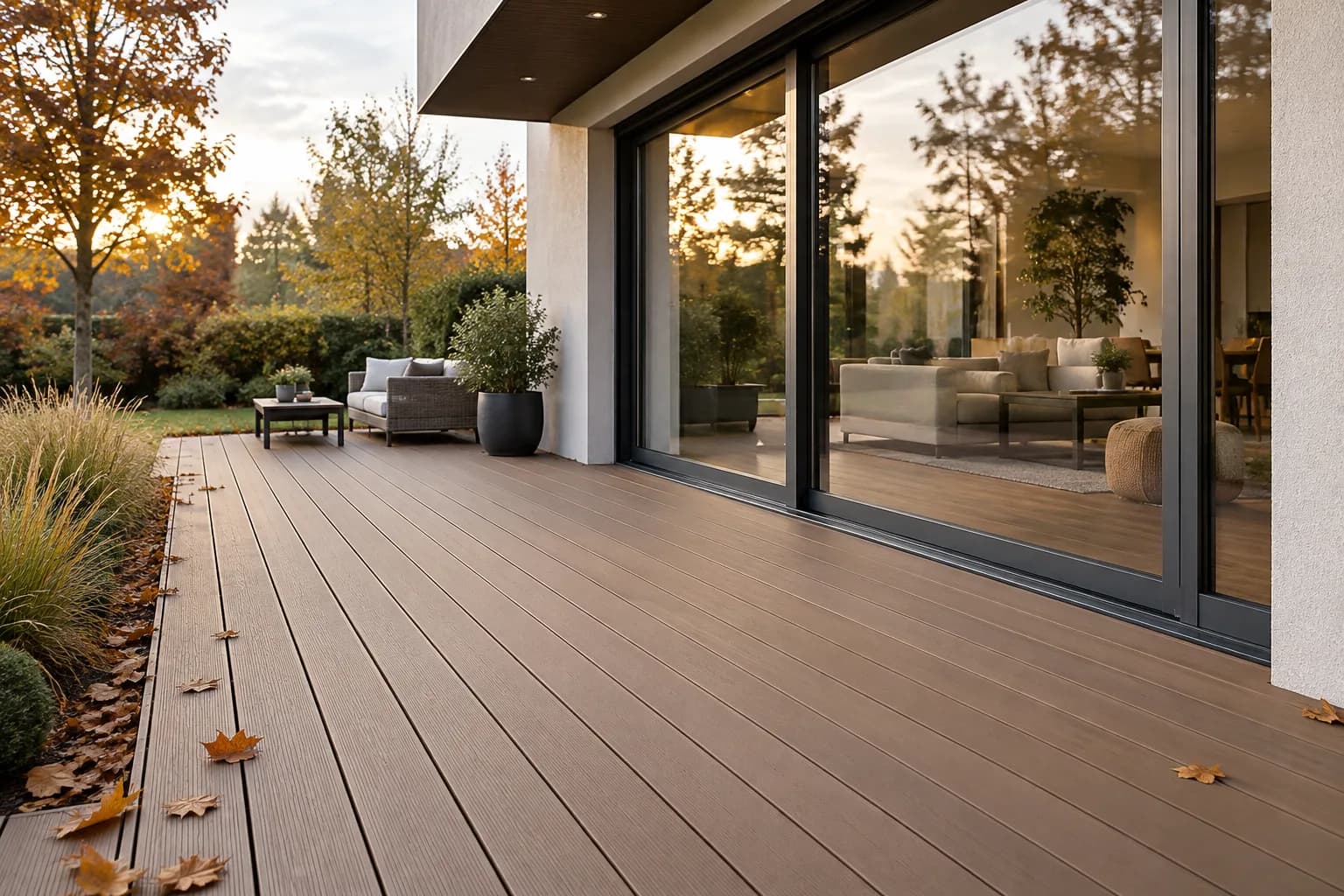
Solid or hollow boards for stairs? Which will work better?
Solid or hollow decking boards for stairs? Find out which types of composite decking boards are best suited to composite stairs and learn about the differences between hollow and solid boards.
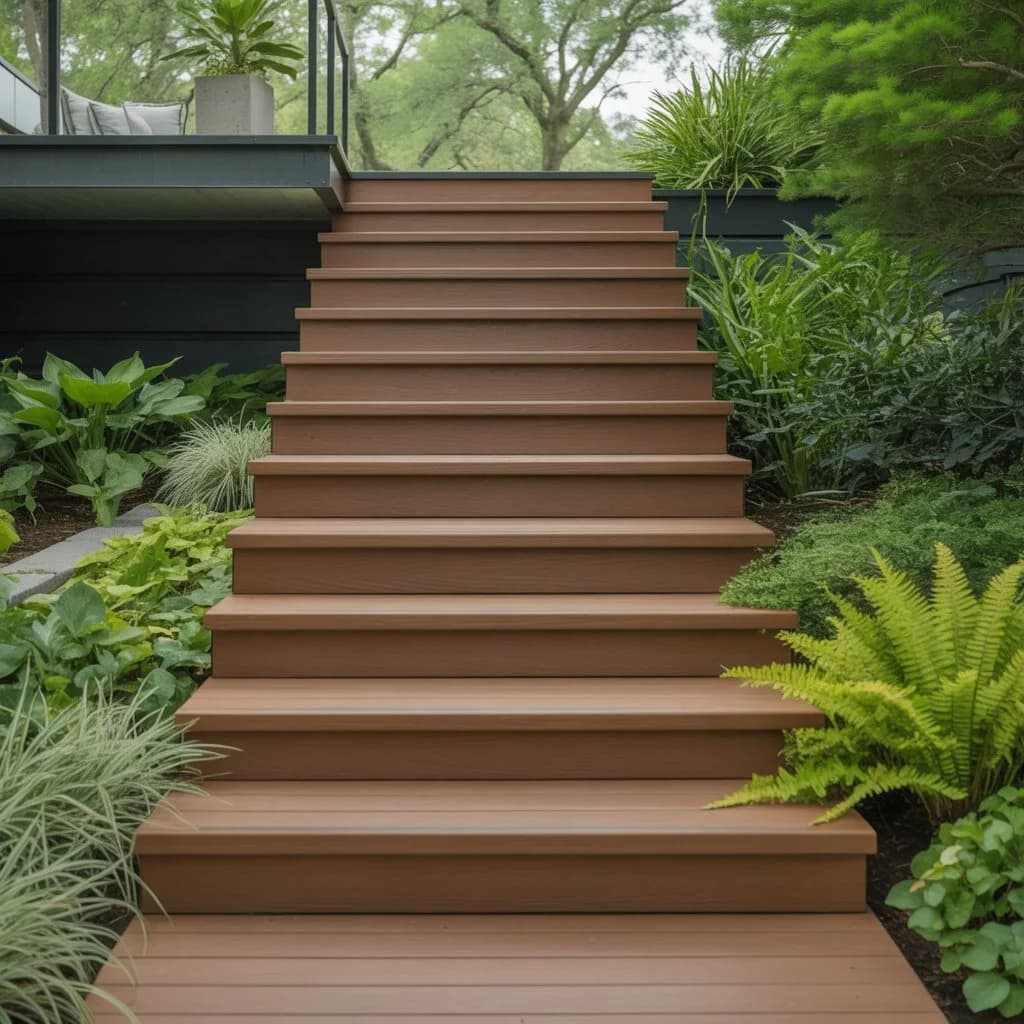
Composite decking stairs have become one of the most popular ways to finish the transition from a patio to a garden, entrances to garden shelters or steps outside detached houses. It is easy to see why – composite is durable, slip-resistant, resistant to moisture and looks great for years. The question arises when a customer has to choose the type of composite decking board: a solid board or a hollow board.
The differences between them are significant, particularly when planning a structure as demanding as a staircase. Below, you will find a detailed guide to “hollow vs solid” boards, along with advice on which option will work best.
Types of composite decking boards – what do you need to know?
Before deciding which type to choose, it is worth understanding the basics. The most popular types of composite decking boards are:
1. Solid board.
A solid board – heavier, stiffer and with no hollow spaces. Characteristics:
- high load resistance,
- minimal flexibility,
- solid construction,
- the best choice for areas exposed to intensive use.
2. Hollow board.
In other words, hollow inside, with internal chambers for reinforcement. Characteristics:
- lighter,
- often cheaper,
- suitable for a standard patio,
- conducts and dissipates heat better.
Both options work very well on conventional patios. However, with stairs, it is not just appearance that matters, but also the strength and stability of the structure. That is why analysing “hollow vs solid” is so important.
Composite decking stairs require greater strength.
Stairs are an element that behaves differently from a flat patio surface. Each step is:
- subjected to repeated point loads,
- dynamically loaded when people walk up,
- exposed to impacts (e.g. when carrying objects),
- more susceptible to deformation.
This makes choosing the right composite decking boards essential. In this case, what matters is not just the appearance of the steps, but above all safety, stability and durability.
Hollow vs solid boards – which is better for stairs?
Hollow board – is it a good choice for steps? Hollow boards work very well on patios, but they may have limitations when used on stairs. Why?
- The hollow chambers make the board more flexible.
- Point loads on stairs can cause slight deflection.
- Under heavier pressure, the edges of the boards may wear out more quickly.
- A construction without a solid core is less resistant to mechanical damage.
However, this does not mean that hollow boards are unsuitable – they simply work better on a conventional patio, where the pressure is distributed evenly.
Solid board – the best choice for stairs.
If you are planning composite decking stairs, a solid board is by far the safest option. Why?
- Maximum strength – it does not bend or deform.
- Impact resistance – excellent for intensive use.
- No chambers = no risk of cracking at a weak point.
- Ideal stability – even on high stairs.
- More secure fixing – screws, fixing clips and fascia boards hold more firmly.
A solid board is a material designed for the heaviest loads. This is why it is most often used for:
- steps,
- patio edges,
- entrance landings,
- pool surrounds.
How do you design composite decking stairs to make them durable and attractive?
Choosing between a hollow and a solid board is just the beginning. To make your stairs safe and give them a professional appearance, it is worth following a few guidelines.
1. A more substantial supporting structure.
Stairs need solid support – joists should be spaced closer together than on a standard patio. The following is recommended:
- spacing of 25–30 cm,
- composite or steel joists,
- additional reinforcement beneath the edges.
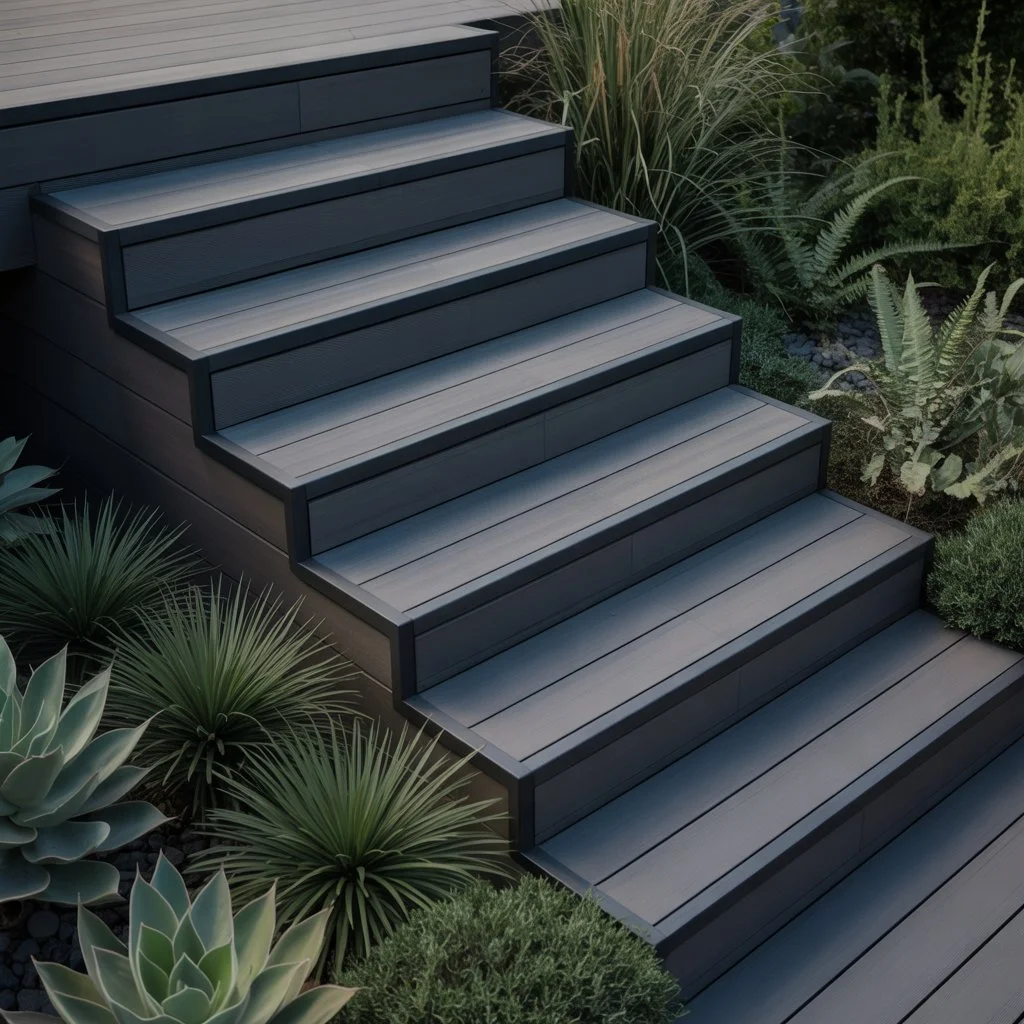
2. Finishing the edge of the step.
The most exposed part of a staircase is its edge. Special products available on the market include:
- finishing strips,
- fascia profiles,
- non-slip stair treads.
They give the stairs an attractive appearance and make them safe.
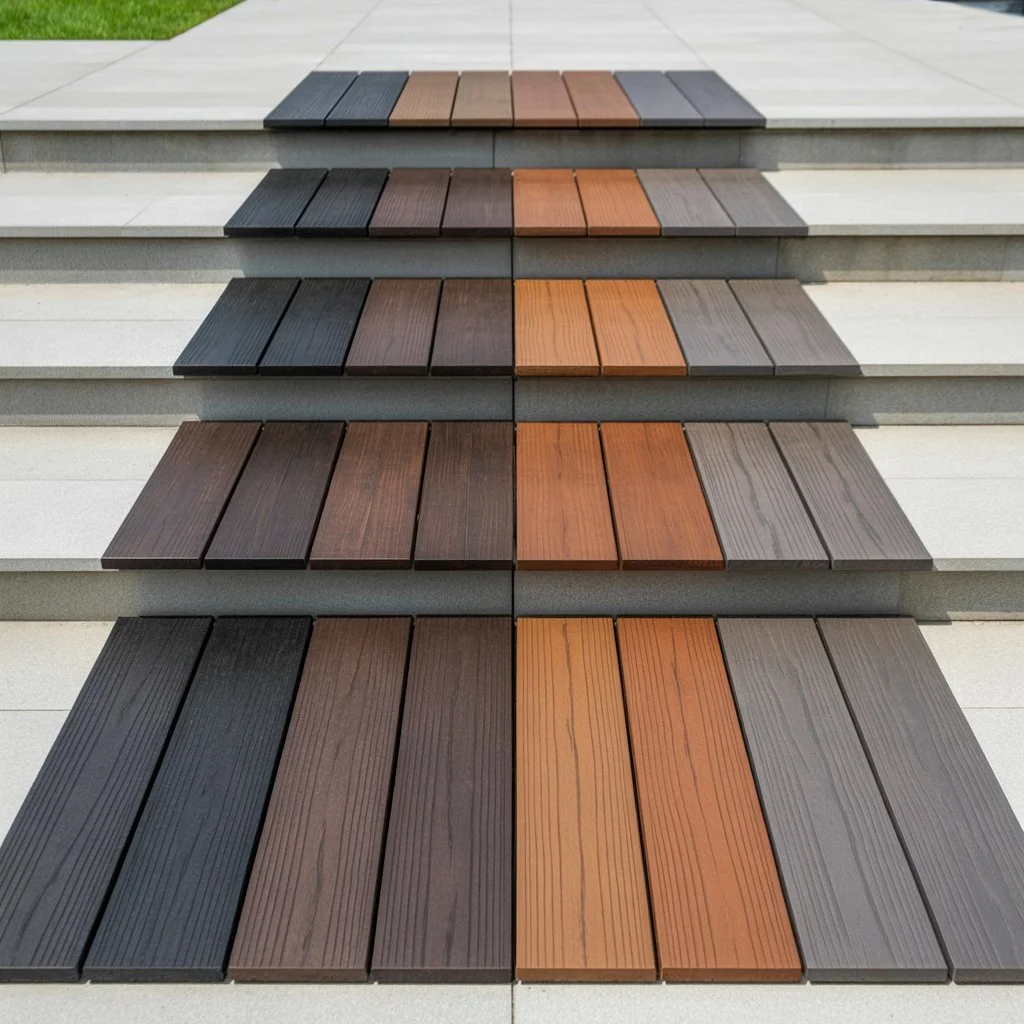
3. Colours – light or dark?
Dark composite decking boards on stairs look elegant, but they may heat up more in summer. Light ones heat up less, but are more demanding when it comes to cleaning. Customers’ most common choices:
- graphite (modern),
- dark brown (classic),
- light honey (warm, natural),
- walnut (suits gazebos),
- grey (Scandinavian style).
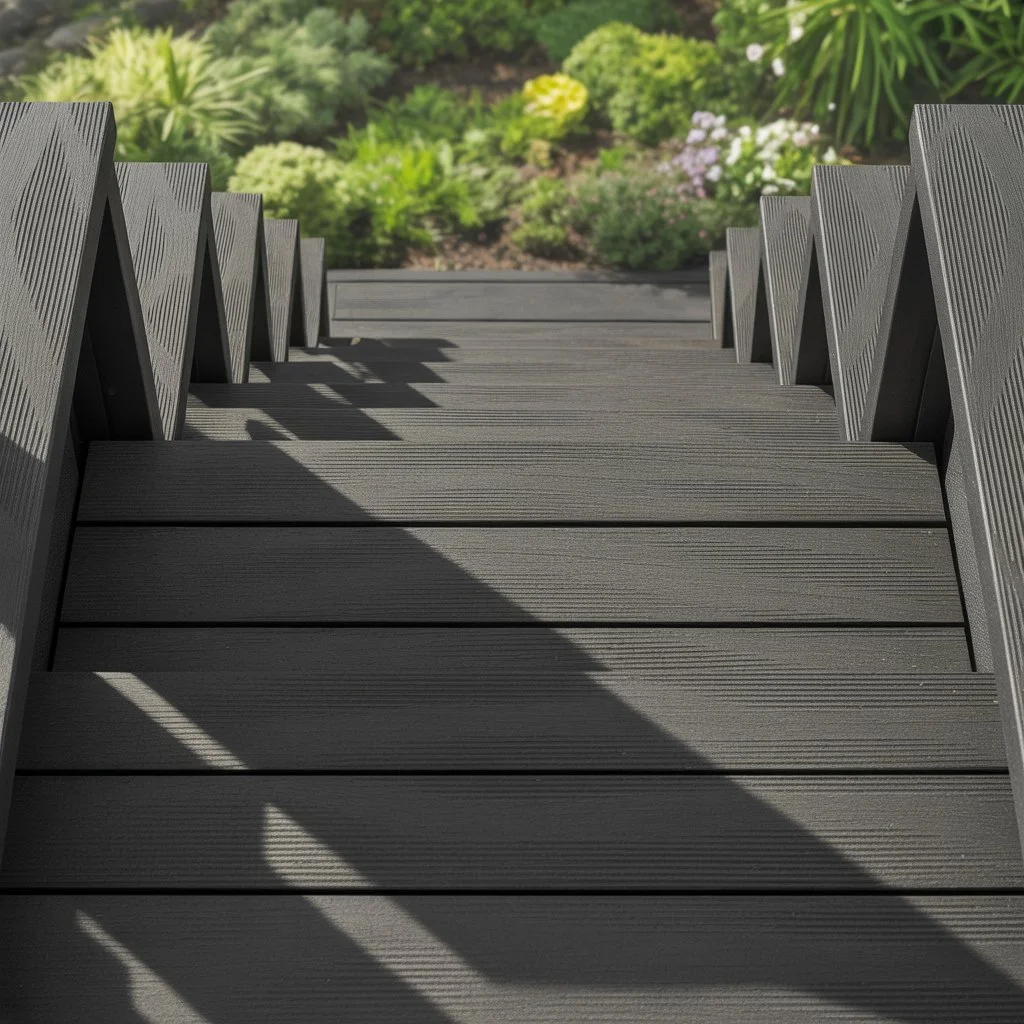
4. Slip resistance – an absolute MUST-HAVE.
Most composite decking boards have grooves or a subtle texture, but stairs are an area of increased risk. The best options are decking boards:
- with fine grooves,
- with a pronounced wood-effect texture,
- with a matt finish (glossy ones can be slippery).
Stairs should provide sure footing, even in the rain.
5. Keep the look consistent with the terrace and garden.
Composite stairs are often part of a larger structure:
- a terrace,
- a gazebo,
- a building entrance,
- a raised garden embankment.
To make the whole space look harmonious:
- choose the same colour decking boards as on the terrace,
- use the same installation style,
- keep the profiles and trims consistent,
- match the furniture and accessories.
A cohesive design enhances the visual appeal of the entire space.
Hollow vs solid – a brief summary.
Hollow decking board – better for terraces:
- lighter,
- often cheaper,
- good for horizontal surfaces,
Solid decking board – best for stairs:
- maximum strength,
- no deformation,
- impact resistance,
- stability and safety,
When choosing composite decking boards for stairs, prioritise strength – stairs are exposed to much greater loads, so solid decking boards are by far the best choice.
Summary – which composite decking boards should you choose for stairs?
If you’re wondering whether a hollow or solid decking board is better, the answer is simple:
for stairs, definitely a solid decking board. It is the strongest, safest and most durable choice. Hollow decking boards work very well on terraces, but on steps exposed to heavy, concentrated loads, they may not provide adequate stability. Composite stairs made from solid decking boards will look attractive, withstand the weather and be safe for household members. It is an investment that will pay off in comfortable use and no need for costly repairs.
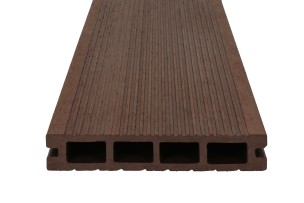
SELECT composite decking board 25x140 - 1.8 m
Price per 1 linear metre of decking board: 17,27 zł
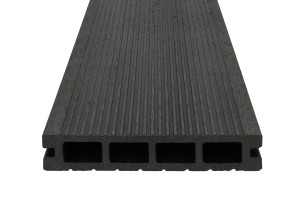
SELECT composite decking board 25x140 - 2.25 m
Price per 1 linear metre of decking board: 17.27 zł
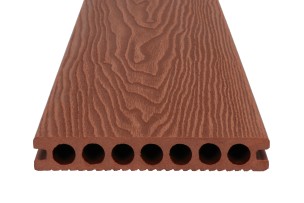
DUO composite decking board 23x148 - 4.5 m
Price per 1 linear metre of decking board: 21,30 zł
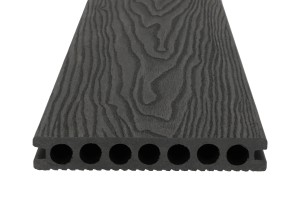
DUO composite decking board 23x148 - 5.0 m
Price per 1 linear metre of decking board: 21,30 zł