Why is impregnating a wooden terrace so important?
Discover why treating a wooden terrace is essential for its longevity and appearance. Find out about the benefits of regular treatment and how to carry it out correctly.
Wooden decking is an elegant and natural addition to any outdoor space. As a natural material, wood adds charm and warmth to any garden or patio. However, for wooden decking to last for many years and retain its beautiful appearance, it needs to be properly cared for. One of the key elements of wooden decking maintenance is its treatment. In this article, we look at why treating wooden decking is so important, the benefits of the process and how to carry it out correctly.
What is wood treatment?
Wood treatment is the process of applying special products that penetrate the structure of the wood, protecting it from harmful external factors. These products may contain fungicides, insecticides and hydrophobic substances that protect the wood from moisture. Treatment is essential to keeping wooden decking in good condition for many years.
Why is treating wooden decking essential?
- Protection against moisture. Moisture is one of the biggest enemies of wooden decking. Untreated wood readily absorbs water, causing it to swell and warp, and eventually to rot. Treatment creates a barrier that protects the wood from absorbing moisture, helping the decking stay dry and durable.
- Preventing mould and fungal growth. Damp wood is an ideal environment for mould and fungi, which can cause serious structural damage to the decking. Wood treatments contain fungicides that prevent these microorganisms from growing, protecting the wood from their destructive effects.
- Protection against pests. Wood is vulnerable to attacks from various pests, such as termites and wood-boring beetles. These pests can destroy the structure of the wood, leading to costly repairs or even the replacement of the decking. Treatments contain insecticides that deter pests, providing additional protection for wooden components.
- Preserving its appearance. Treatment also helps preserve the beautiful appearance of wooden decking. Wood treatments often contain pigments that protect the wood from fading caused by UV radiation. This helps the decking retain its natural colour and appearance for many years.
- Increased durability. Regular treatment significantly extends the lifespan of wooden decking. By protecting the wood from moisture, mould, fungi and pests, treatment helps preserve its structure and strength for longer. Investing in regular treatment can help avoid costly repairs and extend the useful life of the decking.
How to treat wooden decking
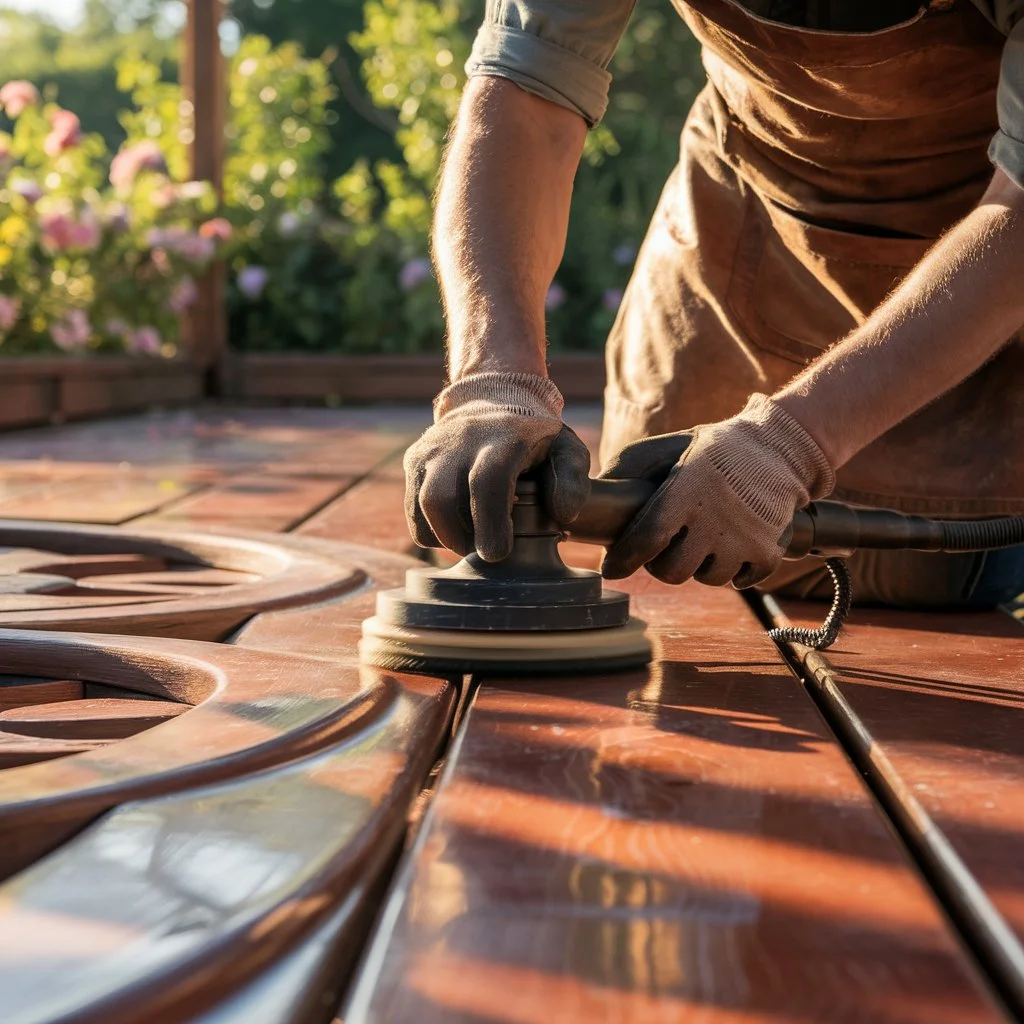
- Choosing the right treatment: The first step in treating wood is choosing the right product. Various types of wood treatments are available, including oils, stains and varnishes. Each has its advantages and disadvantages, so it is worth familiarising yourself with their properties and choosing one suited to the type of wood and the conditions in which the decking will be used.
- Preparing the surface: Before applying the treatment, the wood must be properly prepared. Remove dirt, dust and remnants of old coatings. You can do this with a brush, pressure washer or specialist cleaning products. It is also important that the wood is dry, as moisture can prevent the treatment from being absorbed properly.
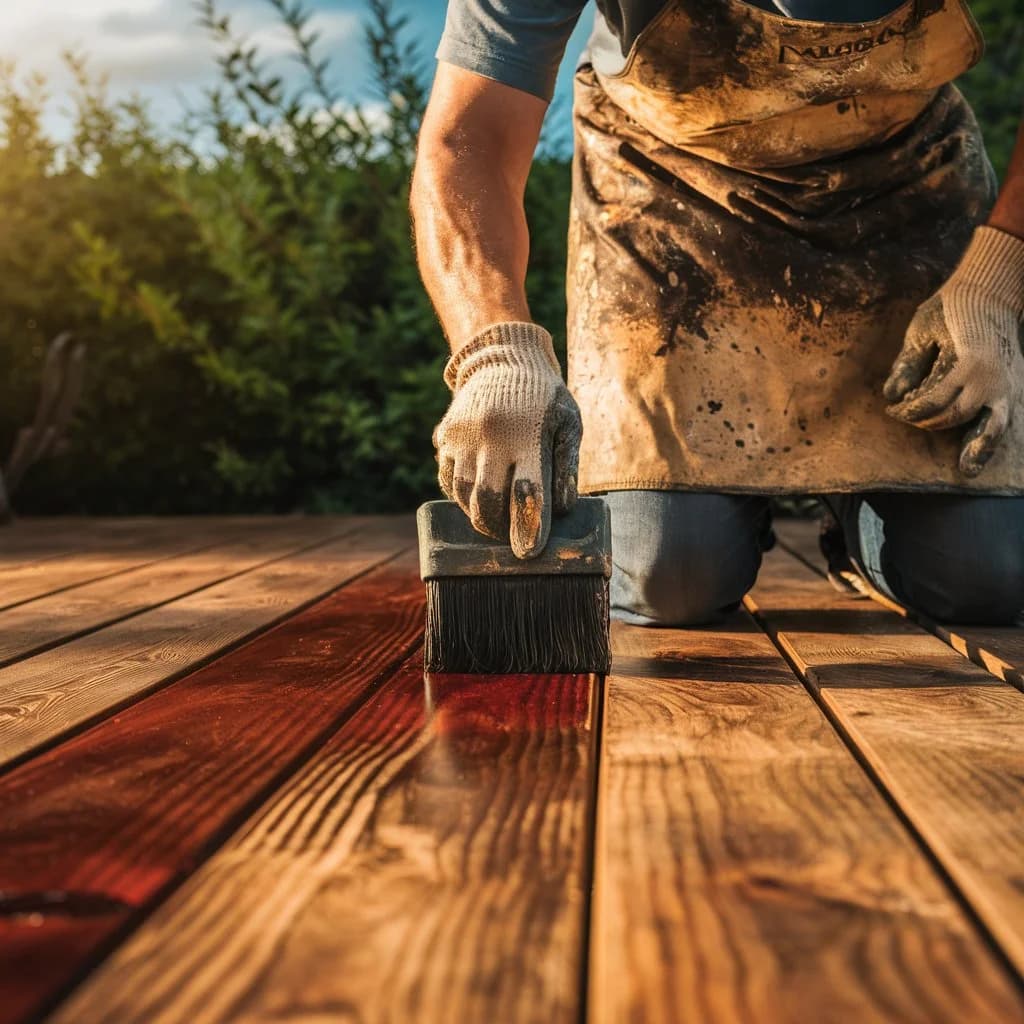
- Applying the treatment: Apply the treatment evenly using a brush, roller or sprayer. It is important to cover the entire surface, paying particular attention to the edges and hard-to-reach areas. After applying the first coat, wait for the recommended drying time, then apply another coat. Depending on the type of treatment, two or three coats may be needed.
- Regular maintenance: Treatment needs to be repeated regularly to keep wooden decking in good condition. It is generally recommended that the treatment be renewed every 1-2 years, depending on the level of use and weather conditions. Regular maintenance helps identify any damage early and prevents it from getting worse.
The most common treatment mistakes.
- Neglecting surface preparation: One of the most common mistakes is failing to prepare the wood properly before treatment. Remember that dirt, dust and moisture can significantly affect how effective the treatment is. This is why it is so important to clean and dry the wood thoroughly.
- Using the wrong treatment: Another mistake is choosing the wrong product for treating the wood. The treatment should be suited to the type of wood and the conditions in which the decking will be used. An unsuitable product may not protect the wood and could even contribute to damaging it.
- Skipping regular maintenance: Many decking owners forget about regular maintenance, causing the condition of the wood to deteriorate quickly. Treatment needs to be repeated regularly to keep the wood in good condition for many years.
Best practices for treating wooden decking.
- Choosing the season: The best time to treat decking is in spring or autumn, when temperatures are moderate and the air is not too humid. High temperatures can cause the treatment to dry too quickly, which may result in an uneven finish.
- Testing the treatment: Before applying the treatment to the entire deck, it is worth testing it on a small, inconspicuous area. This will allow you to assess how the wood reacts to the product and whether the final result will be satisfactory.
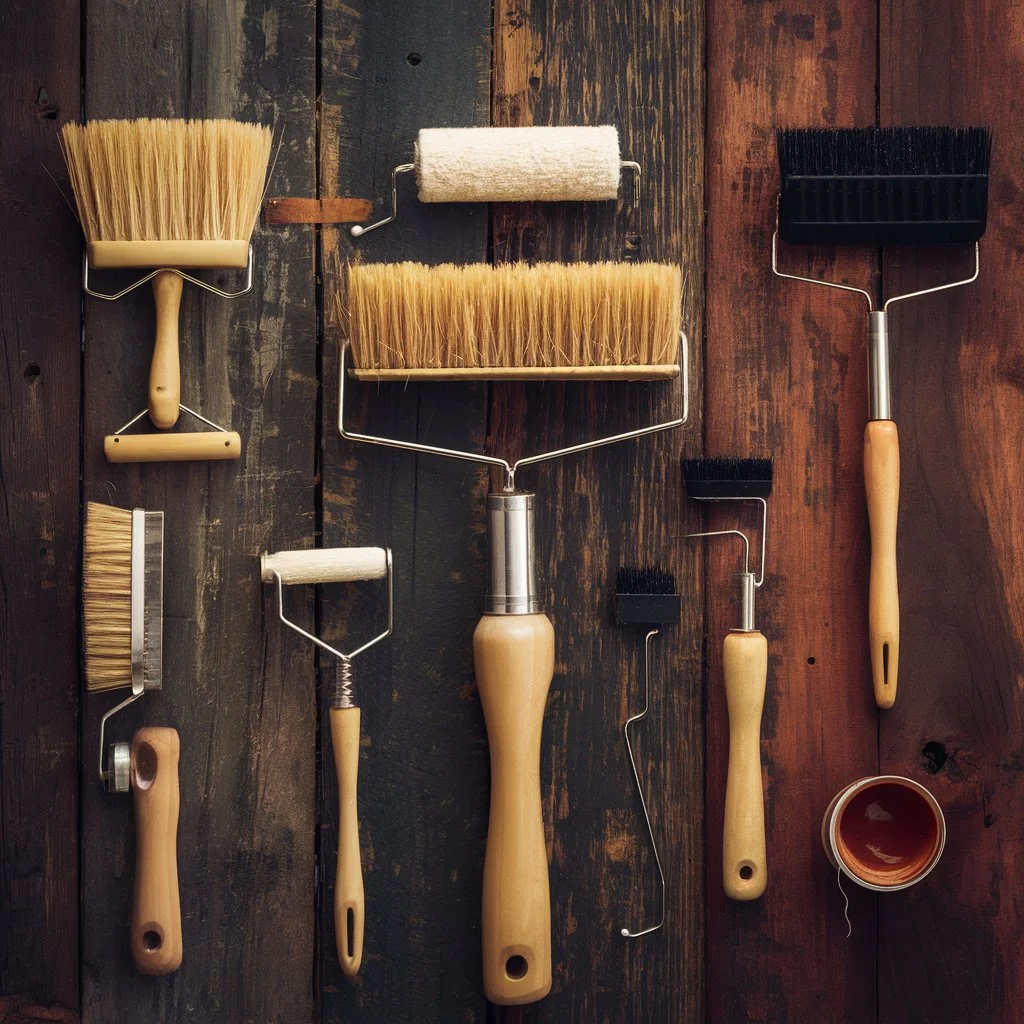
- Using high-quality tools: For applying the wood preservative, it is best to use high-quality brushes and rollers, which will ensure even coverage of the surface. Avoid cheap tools, which may leave bristles on the wood or apply the product unevenly.

Summary.
Treating a wooden terrace is a key part of its maintenance. It protects the wood from weather conditions and pests, while preserving its appearance. Regular treatment and proper maintenance will let you enjoy a beautiful terrace for many years. Remember to choose the right product, prepare the surface thoroughly and renew the treatment regularly to ensure your terrace lasts and looks attractive.
FAQ - Frequently asked questions.
How often should I treat my wooden terrace?
It is recommended that you renew the treatment every 1–2 years, depending on the weather conditions and how heavily the terrace is used.
Can I treat the terrace myself?
Yes, you can treat the terrace yourself, provided you follow the appropriate steps and use the right tools and products.
What are the most common mistakes when treating a terrace?
The most common mistakes are inadequate surface preparation, using the wrong wood preservative and neglecting regular maintenance.
Which wood preservative should I choose for my terrace?
The choice of wood preservative depends on the type of wood and the conditions in which the terrace will be used. It is worth seeking advice from a specialist or carefully reviewing the properties of the products available.