
Timber cladding – natural beauty in a modern style
Timber cladding for your home – advantages, disadvantages, types of boards, installation and maintenance. Find out whether timber is a good choice for your exterior walls.

Timber cladding is not only a way to give your home a warmer appearance, but also an investment in durability and environmentally friendly solutions. Natural timber in a modern form combines elegance with functionality and can significantly increase a property's value. In this article, you’ll learn about the advantages and disadvantages of timber cladding, the types of boards available, installation methods and care tips.
What is timber cladding?
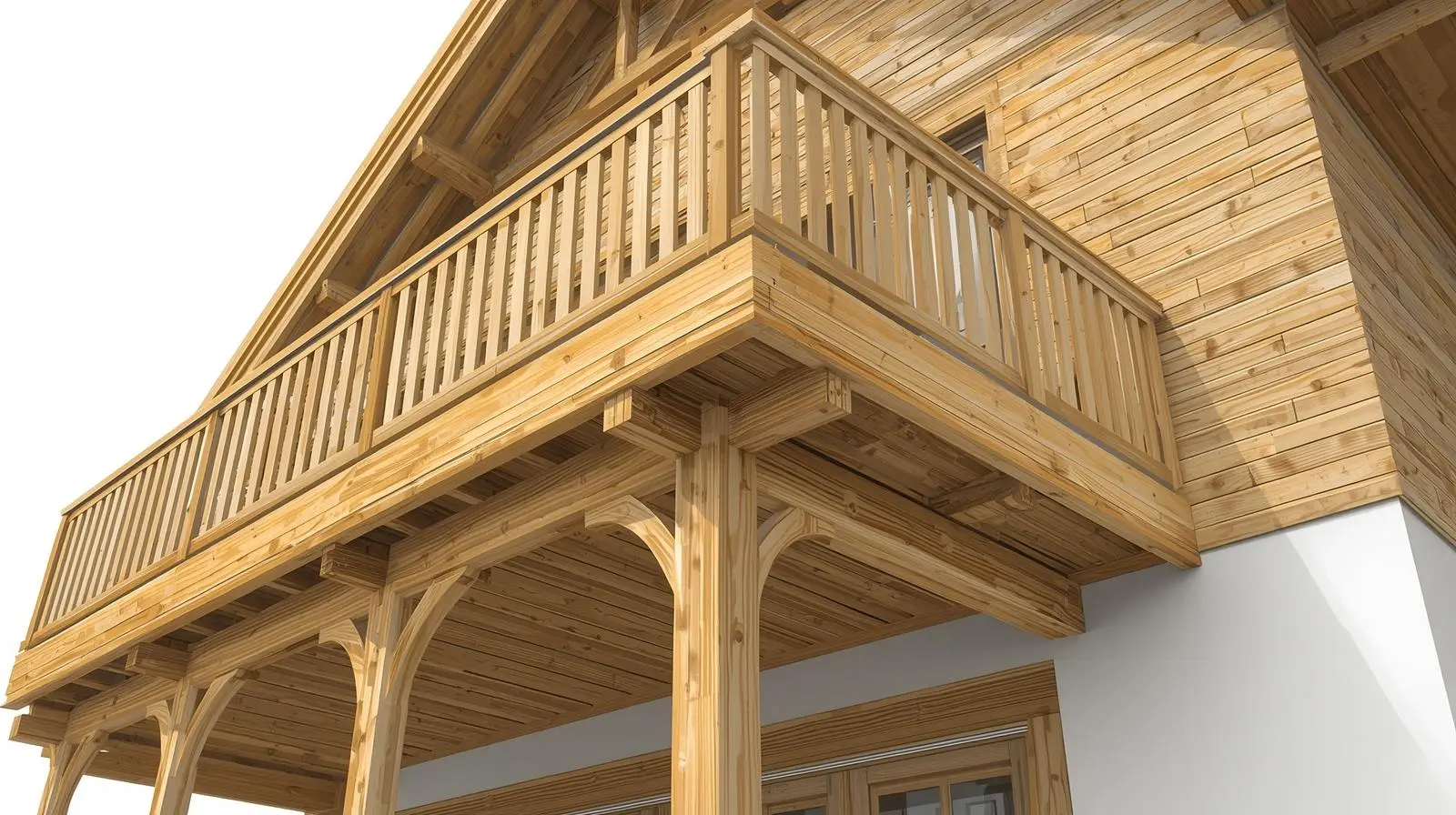
Timber cladding is the external layer of a building, made from natural timber, which serves both aesthetic and protective purposes. Timber gives a home character and warmth and, when properly treated, is resistant to the weather.
Advantages of timber cladding
Timber cladding has many advantages that make it a popular choice in modern construction:
-
Natural beauty and elegance – timber gives every building a unique character.
-
An environmentally friendly choice – timber from certified sources is a renewable and environmentally friendly material
-
Durability – when properly treated, it is resistant to the weather.
-
Thermal insulation – timber naturally insulates against heat and sound, increasing residents' comfort.
-
Can be refurbished – it can be renewed and painted when necessary.
Disadvantages of timber cladding
Timber cladding involves some compromises:
-
Requires regular maintenance – oiling, varnishing or treatment.
-
Sensitivity to weather conditions – excessive moisture, sunshine or frost can cause cracks, warping and mould.
-
Cost of exotic species – tropical timber is more expensive, and maintenance increases the cost of looking after the cladding.
Types of cladding boards
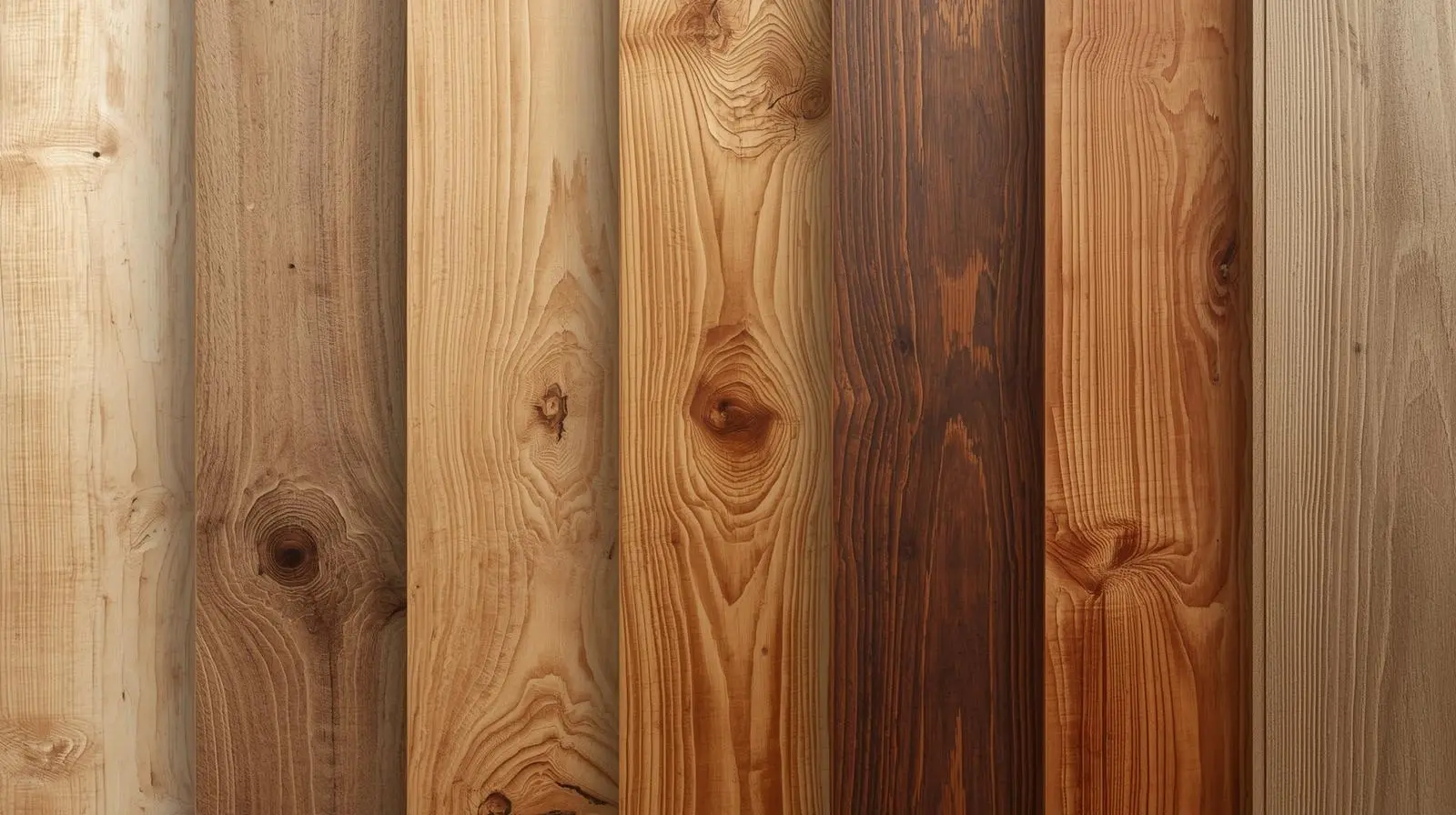
Choosing the right timber species is essential for durable, attractive cladding. The main types are:
-
Native species – pine, spruce and larch. They are relatively inexpensive, readily available and suitable for most projects. However, they require regular treatment and protection against moisture and pests.
-
Exotic species – teak, merbau and ipe. They are highly durable and resistant to moisture and insects, and have a naturally deep timber colour. They are more expensive, but their longevity makes them a worthwhile investment.
Timber profiles: Cladding boards can be grooved, brushed or smooth. Each profile gives the cladding a different character – from minimalist and modern to rustic and traditional.
Trends in timber cladding
Contemporary architecture focuses on combining modern design and natural materials. In 2025, the following are increasingly common:
-
Cladding that combines timber with render or stone to create minimalist yet warm façades.
-
Grooved boards that give the façade a three-dimensional character and depth.
-
Native timber that is brushed to highlight the grain and texture of the natural material.
-
Using exotic species in decorative elements or sections of the façade to add elegance and durability.
Natural timber cladding is a timeless trend that combines aesthetics, environmental responsibility and residents' comfort.
Installing cladding and decking – fixings and structure
Correct installation is crucial to the durability of both timber cladding and composite decking boards. Even the best material will not fulfil its purpose if it is not installed correctly.
-
Substructure – timber cladding is fixed to a timber or aluminium frame, while decking boards are fixed to joists.
-
Fixings – screws, bolts or concealed fixing clips are used, affecting both appearance and functionality.
-
Ventilation – suitable gaps between the boards allow air to circulate and moisture to drain away.
-
Wood treatment – timber should be protected before installation and periodically after the work is completed, to retain its colour and resistance to weather conditions.
This helps timber cladding and composite decking retain their durability, appearance and resistance to weather conditions for many years.
Caring for wood
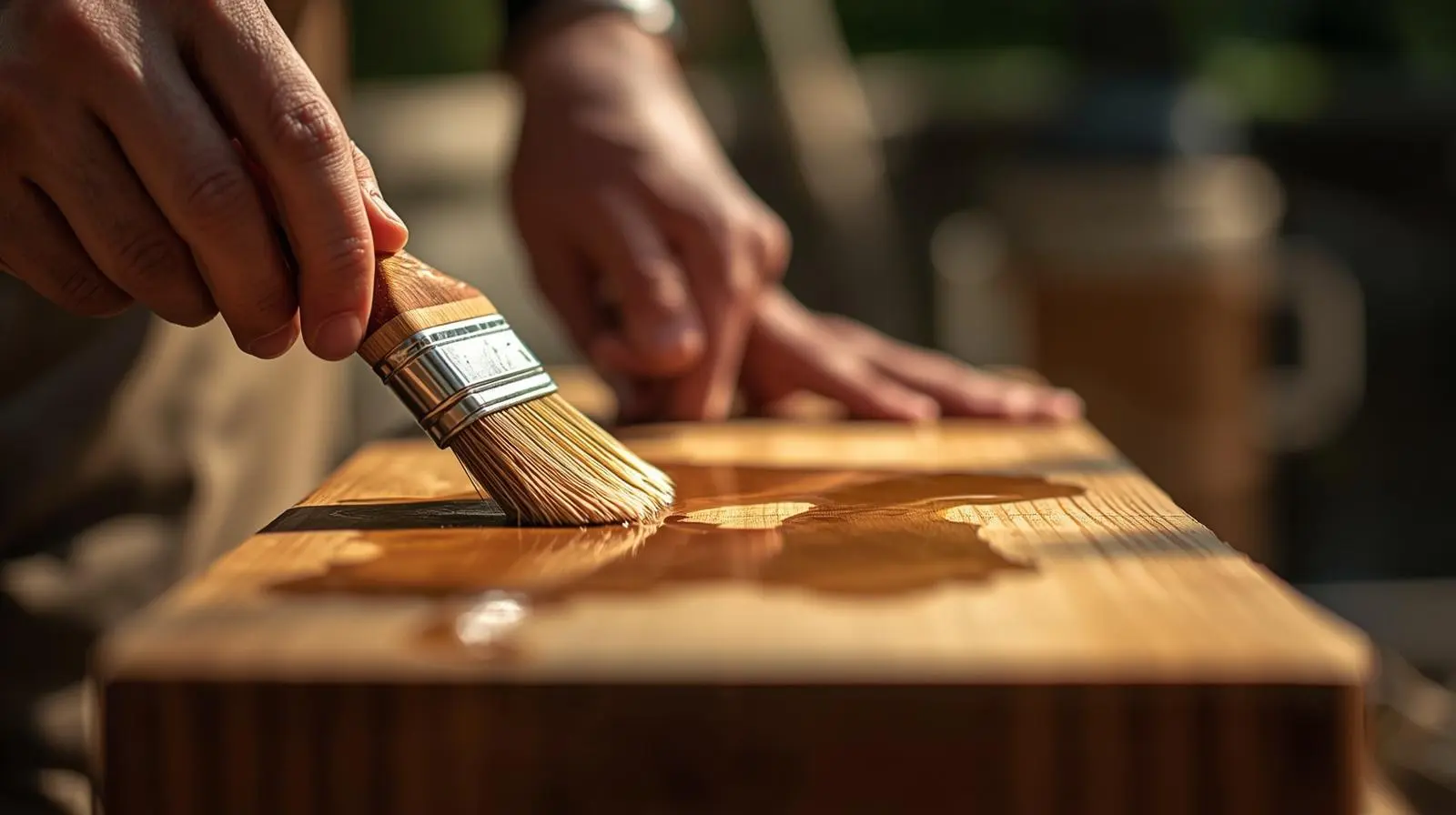
Timber cladding requires regular care to preserve its natural colour, resistance to weather conditions and structural durability. Key tasks include periodic cleaning, oiling or varnishing, depending on exposure to sun and rain. It is also important to monitor the fixings and tighten screws to prevent distortion and looseness in the structure.
Protecting wood from excessive moisture and mould is essential to keep the cladding looking good for many years. Regular care includes:
-
Cleaning – removing dust and dirt with water and a mild detergent.
-
Oiling or varnishing – every few years, depending on weather conditions.
-
Checking fixings – checking screws and bolts to prevent looseness and structural damage.
-
Protection from moisture – using wood preservatives to protect the timber from mould and fungi.
With regular maintenance, timber cladding retains its natural beauty and functionality, while investing in high-quality timber pays off in the form of a durable and attractive house façade.
Summary – an investment in comfort, appearance and durability
Timber cladding is an investment that combines natural beauty, functionality and durability. Although it requires maintenance and protection from the elements, its advantages – a natural appearance, versatility of style and good insulation properties – make it an excellent choice for any home.
Choosing the right type of wood, installing it correctly and caring for it regularly allow you to enjoy an attractive façade for many years, creating a welcoming and elegant space around your home.



