
Composite cladding and renovating an old house – is it a good solution?
Planning to modernise a building? Find out whether composite cladding is a suitable choice for renovating an old house. Discover its benefits and the principles of installing it when modernising a façade.

Renovating an old house is not only an opportunity to improve comfort, but also a great way to give the property a modern look and increase its market value. At a time when aesthetics go hand in hand with functionality, more and more investors – both private individuals and businesses – are choosing composite cladding as part of a building renovation.
It is easy to see why. Composite boards are durable, easy to install and resistant to weather conditions – and, above all, they look great. But will this type of cladding work on older walls that are often uneven or damaged? Is it suitable for renovating old houses made of brick, breeze blocks or even timber?
In this article, we clear up any doubts. We’ll show you how to use composite cladding when renovating, what to look out for and why it could be the best decision you make during the entire renovation.
Composite cladding – what is it?
Let’s start with the basics. Composite cladding is an exterior wall finish made using boards manufactured from materials such as WPC (Wood Plastic Composite) or BPC (Bamboo Plastic Composite). These are blends of wood (or bamboo) and plastics that combine the advantages of both materials:
- the appearance of wood,
- the resistance of plastics to moisture, fungi and mould,
- no need for preservative treatment or painting.
Composite boards are most commonly installed on a supporting framework, as a ventilated cladding system, allowing air to circulate between the cladding and the load-bearing wall – a key consideration when renovating older buildings!
Why choose composite cladding when renovating?
When renovating an old house, the cladding must meet several important criteria:
- Resistance to weather conditions – older buildings often lack effective damp-proofing.
- Flexible installation – uneven walls, deteriorating plaster and old paintwork.
- Appearance and the ‘wow’ factor – the cladding is the first thing visitors see.
- Low maintenance – nobody wants to repaint or refurbish the façade every year.
And this is where composite boards really excel. Here’s why:
1. Composite boards conceal unevenness and defects in old walls.Thanks to installation on a supporting framework, there is no need to level the walls or apply new plaster. This saves time and money.
2. The wall can breathe.Older buildings often have problems with damp. Ventilated composite cladding allows natural airflow and moisture to evaporate from the walls.
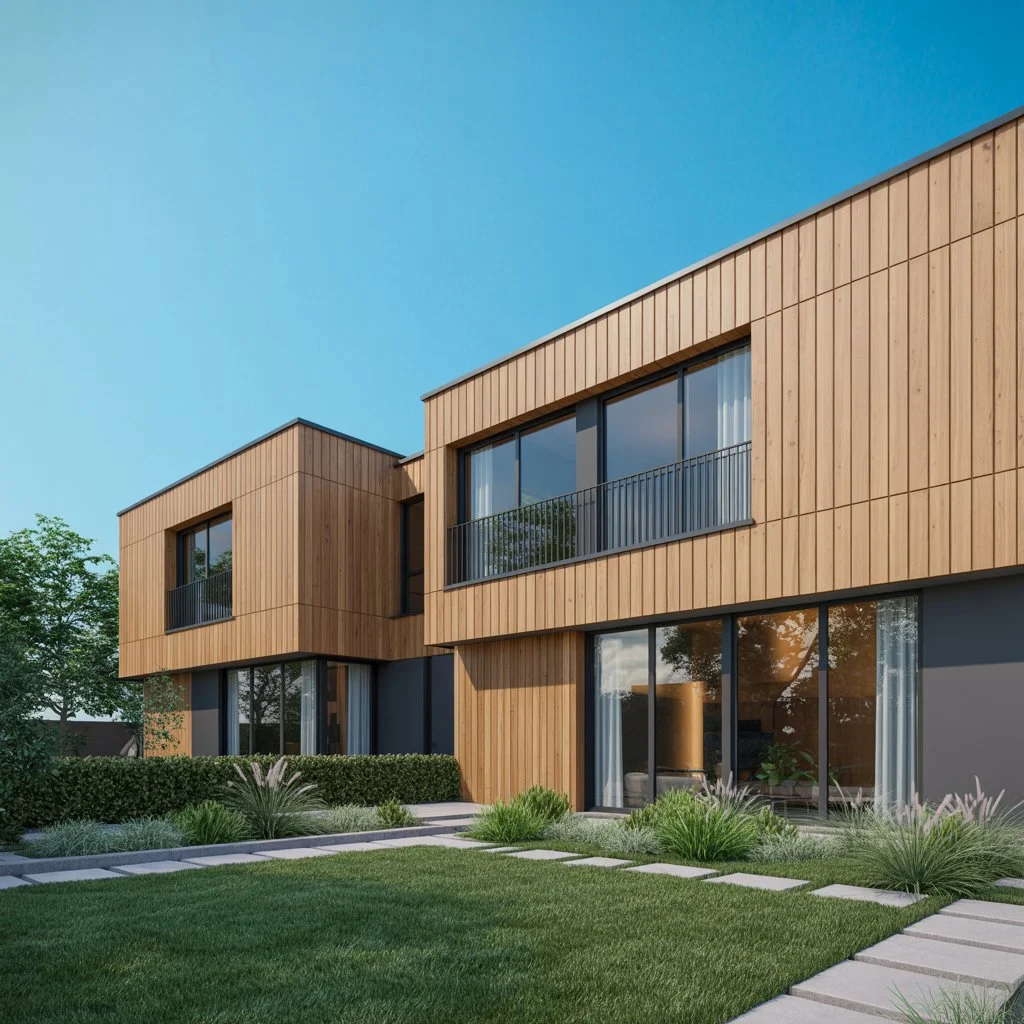
3. A modern look without compromise.Even a hundred-year-old brick house can look like a modern villa after renovation – all it takes is a well-chosen colour scheme and board layout.
4. Long-lasting durability.WPC and BPC boards are resistant to sun, rain, frost and snow. They do not fade, crack or warp.
5. Easy to maintain.Simply wash the cladding with water from time to time – and that’s it. No sanding or painting required.
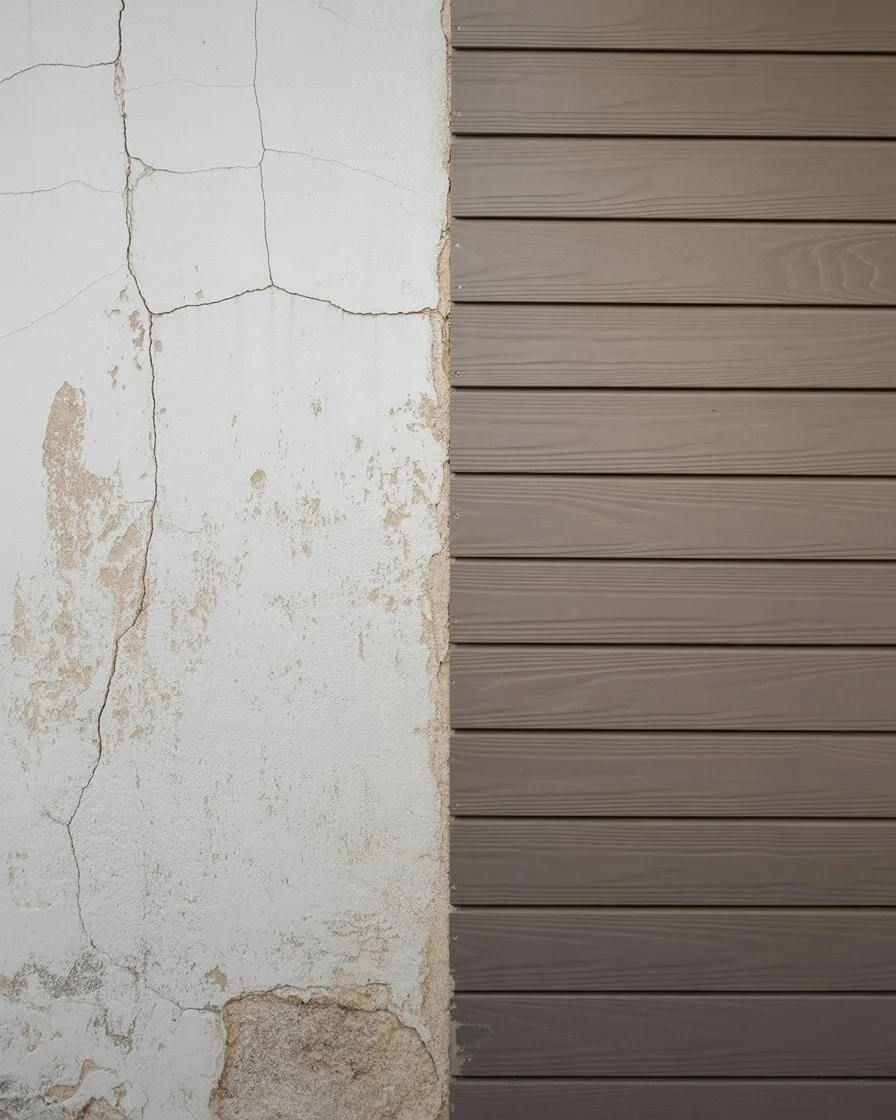
How do you prepare an old house for composite cladding?
Renovating an old building requires the right preparation. Here are the most important steps:
1. Assess the condition of the walls.
Before you start installation, check that the walls are stable and have no structural cracks. If they are damp, they need to be dried out.
2. Remove the old cladding (if necessary).
In many cases, the supporting framework can be installed without removing the old plaster, but if it is flaking, it is better to remove it.
3. Install the supporting framework.
This is a crucial stage. Aluminium profiles or pressure-treated timber are most commonly used. The framework must be securely anchored to the wall.
4. Install the composite boards.
The boards are screwed in place or clipped into the installation system, depending on the manufacturer. It is important to allow for expansion gaps and ventilation gaps.
Renovation costs using composite cladding.
The cost depends on several factors:
- the type of boards (WPC or BPC, hollow or solid),
- the length and height of the façade,
- the type of framework (aluminium is more expensive but more durable),
- additional work (removing old cladding, adding insulation).
Estimated cost:
- Composite boards: 200–350 zł/m²
- Installation with supporting framework: 100–200 zł/m²
- Total: 300–550 zł/m² for complete cladding
Although this costs more than silicone render, you benefit from durability and no maintenance costs for years to come.
When should you choose composite cladding when renovating a building?
If:
- You want to achieve a modern look without completely renovating the façade.
- You have an older house with damp walls – ventilated cladding can be the answer.
- You are looking for a solution that is durable and low-maintenance.
- You do not want to repaint the cladding every few years.
- You care about appearance – the wood-effect finish looks natural and elegant.
Frequently asked questions (FAQ).
Is composite cladding suitable for older buildings, for example those built in the 60s?Yes! The right design can combine classic and modern styles beautifully. All you need to do is choose the right colour scheme and board layout.
Can the boards be installed without a supporting framework?No. Direct installation onto the wall does not provide ventilation or durability. A supporting framework is essential.
Does composite cladding increase the value of a house?Yes. Modern cladding improves the appearance and durability of the building, which matters when selling.
How long will this type of cladding last?Composite boards come with a warranty of 10 to as many as 25 years – and with proper maintenance, they can last considerably longer.
A few practical tips to finish.
🔧 Make sure the supporting framework is installed securely – the durability of the entire façade depends on it.
🌬️ Always leave a ventilation gap – especially in old houses, where the walls ‘move’ and breathe.
🎨 Choose a board colour and texture that suit the character of the building – composite cladding can bring an old structure to life or give it a completely new style.
💰 Remember: a higher initial cost means lower expenses later.
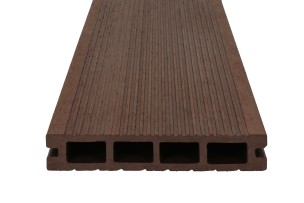
SELECT composite decking board 25x140 - 1.8 m
Price per 1 linear metre board: 17.27 zł
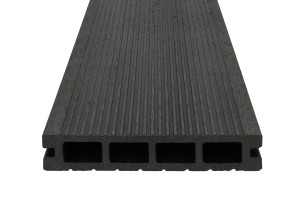
SELECT composite decking board 25x140 - 2.25 m
Price per 1 linear metre board: 17.27 zł
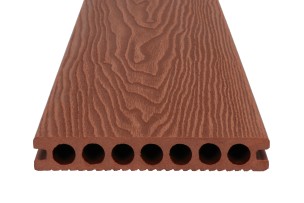
DUO composite decking board 23x148 - 4.5 m
Price per 1 linear metre board: 21.30 zł
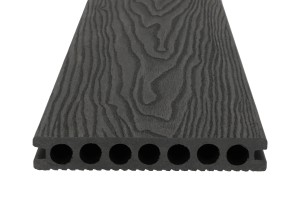
DUO composite decking board 23x148 - 5.0 m
Price per 1 linear metre board: 21.30 zł



