Timber Cladding – Which Board Should You Choose? | A Guide to the Different Types of Boards.
Wondering which board to choose for timber cladding? Read our guide to discover the different types of boards, their advantages, and tips on installation and maintenance.
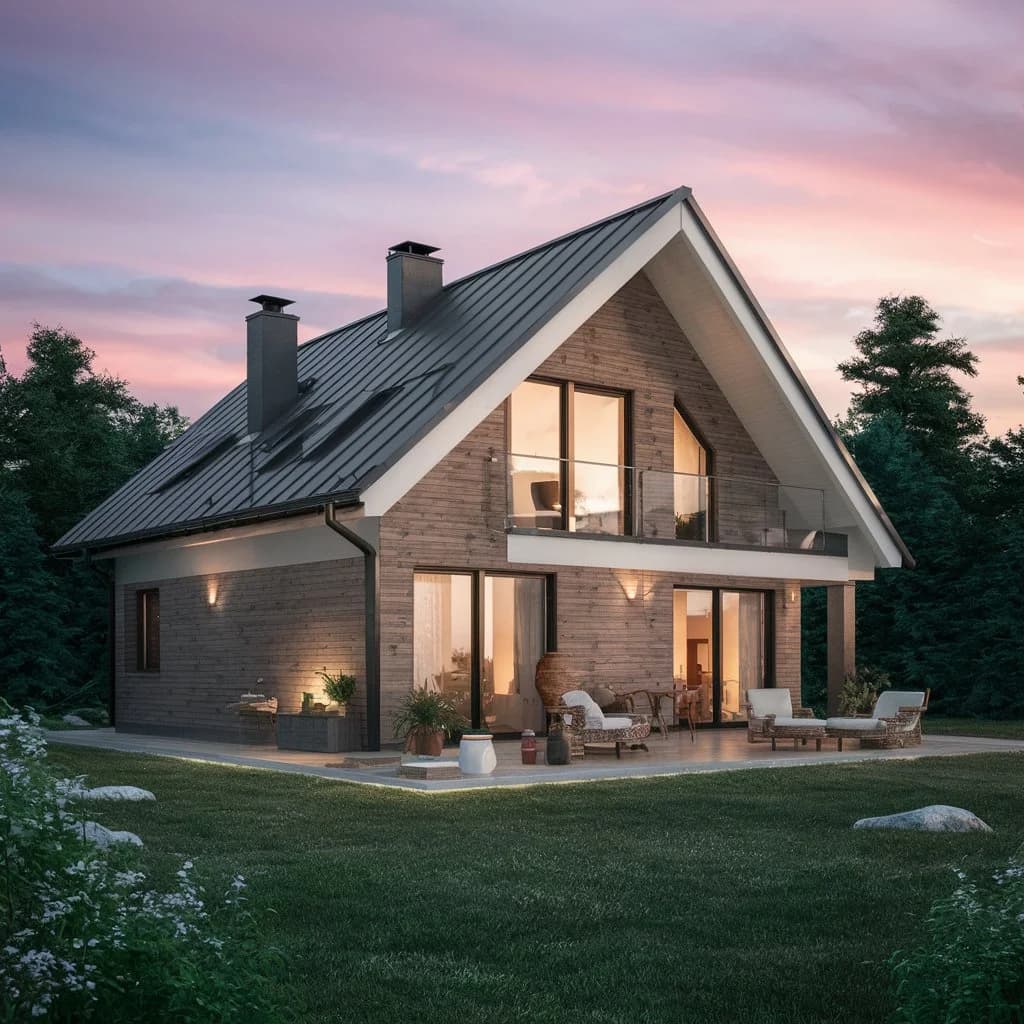
Wooden cladding – which board should you choose?
Wooden cladding is an elegant way to finish a home, adding natural charm and warmth. Choosing the right boards is key to ensuring that the cladding is not only beautiful but also durable. In this article, we discuss different types of wooden boards, their advantages and disadvantages, popular wood species, and tips on installation and maintenance.
Why choose wooden cladding?
Wooden cladding is very popular thanks to several key advantages:
- Aesthetics: Wood gives a building a natural, welcoming appearance that blends beautifully with both modern and traditional architecture.
- Thermal insulation: Wood has good insulating properties, helping to improve a building’s energy efficiency.
- Durability: With proper maintenance, wooden cladding can last for many years.
- Eco-friendliness: Wood is a renewable and environmentally friendly material, which is important to those who care about the environment.
How do you choose the right board?
When choosing a board for cladding, it is worth considering several key aspects:
- Climate: In regions with high humidity, boards with high moisture resistance, such as larch or exotic timber, are a better choice.
- Building style: The wood should harmonise with the rest of the architecture. For example, exotic timber may not suit rustic homes, but it is ideal for modern structures.
- Budget: Exotic timber and oak are more expensive, but offer greater durability. Pine and spruce are cheaper, but require regular maintenance.
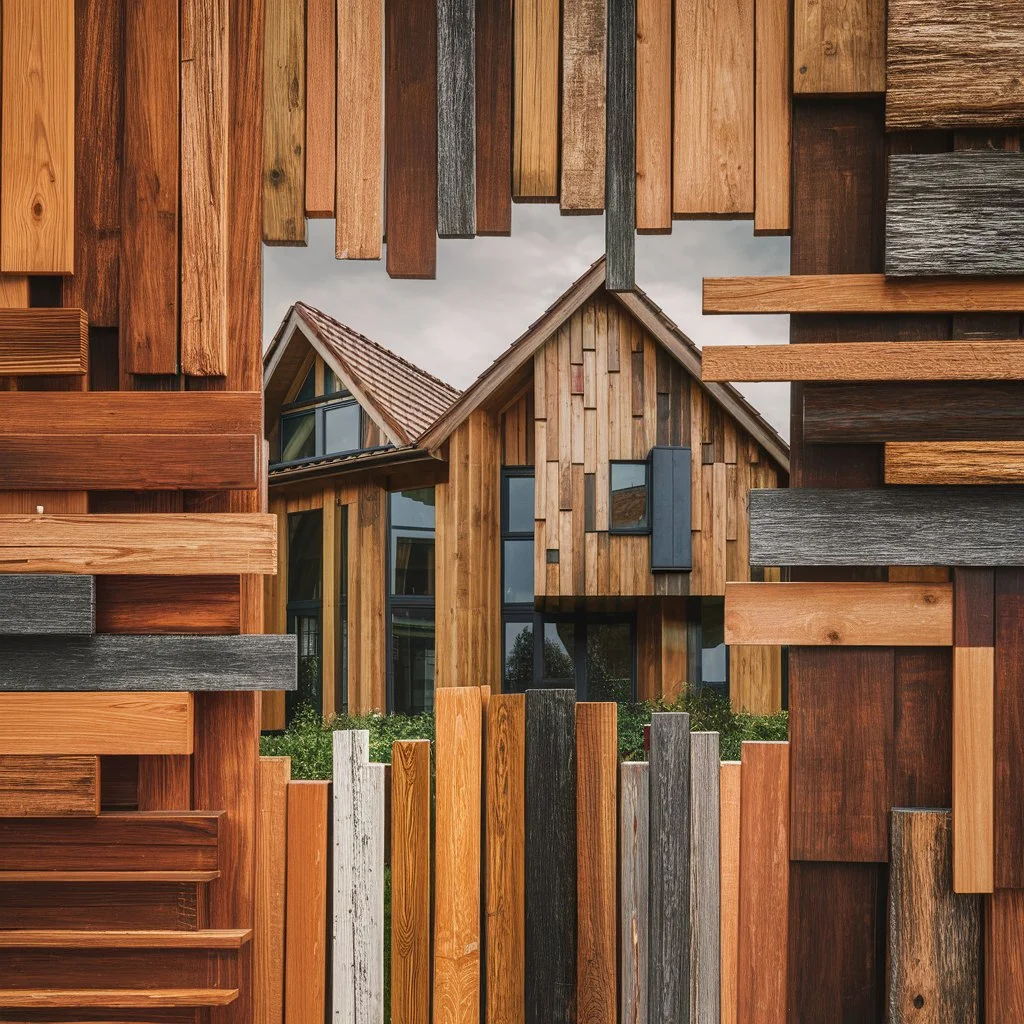
Types of wooden boards for cladding.
Choosing the right boards for cladding depends on many factors, such as the climate, the building’s style and your budget. Below are the most popular types of boards.
Softwood boards.
- Pine: One of the cheapest and most commonly used types of wood. Pine is easy to work with, but requires regular maintenance to prevent blue stain and pest attacks.
- Spruce: Like pine, spruce is a popular choice thanks to its availability and ease of working. However, it requires regular impregnation.
- Larch: Larch is more expensive than pine or spruce, but is more resistant to weather conditions and mechanical damage.
Hardwood boards.
- Oak: Oak is very durable and weather-resistant, but also expensive. It is often used in more high-end projects.
- Ash: Ash is a hard and durable wood, but is less resistant to moisture, so it requires appropriate impregnation.
- Beech: Beech is a relatively hard wood, but is not recommended for outdoor use without appropriate impregnation because of its low moisture resistance.
Exotic timber boards.
- Merbau: Very durable wood with high resistance to weather conditions. However, it is expensive and difficult to work with.
- Ipe: Also known as "ironwood", ipe is extremely durable and resistant to the effects of weather, but also very expensive.
Installing wooden boards.
Correct installation is key to the durability and appearance of wooden cladding. Here are a few tips:
- Ventilation: Make sure the cladding is well ventilated to prevent moisture from building up.
- Impregnation: The boards should be suitably impregnated before installation to increase their resistance to weather conditions.
- Gaps: Leave appropriate gaps between the boards to allow the wood to expand and contract naturally.
Maintaining wooden cladding.
Maintaining wooden cladding is essential to preserve its appearance and functionality. Here are a few tips:
- Regular inspections: Check the condition of the cladding at least once a year, looking for any damage or signs of moisture. Regular inspections will help you detect any damage early and take prompt remedial action. This will help avoid more serious problems and repair costs.
- Painting or oiling: Painting or oiling wooden cladding not only gives it an attractive appearance, but also creates an additional protective layer. It is worth choosing products intended for outdoor use.
- Impregnation: Impregnating wood protects it against moisture, mould and pests. Regular application of wood preservative will protect the wood and extend its lifespan.
- Cleaning: Remove debris such as leaves, dirt, fungi and other organic and inorganic contaminants, which can accumulate on the building’s façade, causing not only an unsightly appearance but also potential structural damage.
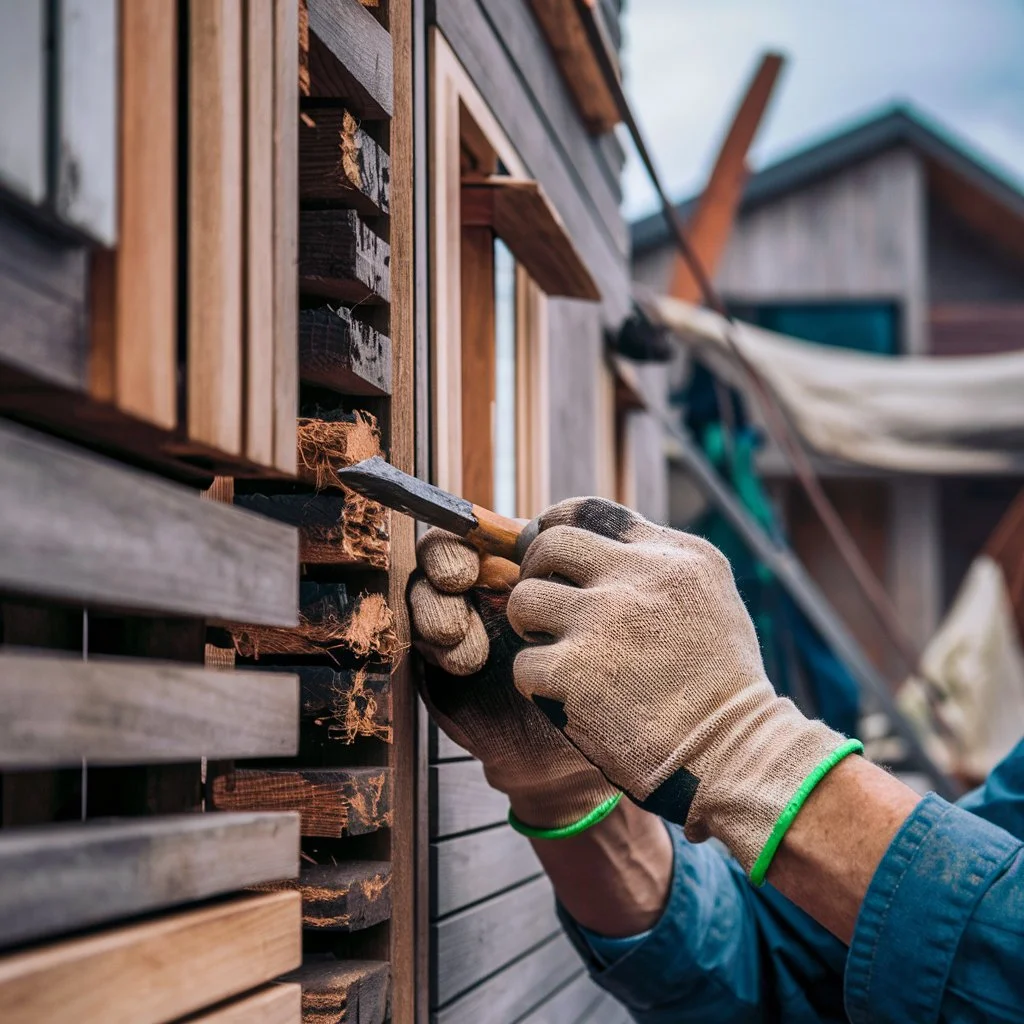
Frequently asked questions (FAQ).
Which wood is best for a façade?
It depends on your needs and budget. Larch and exotic timber are very durable, but expensive. Pine and spruce are cheaper, but require more maintenance.
Do wooden boards require a lot of maintenance?
Yes, wooden boards require regular maintenance, including impregnation, painting and cleaning, to preserve their appearance and durability.
How often should a timber façade be maintained?
It is recommended that you inspect and maintain the façade at least once a year to prevent damage and extend its service life.
Summary
Choosing the right boards for a timber façade is a key factor affecting a building’s appearance and durability. Softwood, hardwood and exotic timber each have their advantages and disadvantages, which are worth considering before making a decision. Remember to carry out regular maintenance and install the boards correctly so that you can enjoy a beautiful and durable façade for many years. Creating a timber façade is an investment that brings many aesthetic and practical benefits. By choosing the right boards and looking after them, you can enjoy your home’s beautiful appearance for a long time.
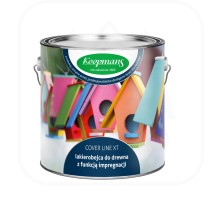
Koopmans Cover Line XT/XT WIT 1 litre coloured impregnating stain.
Coloured stain with an impregnating function, available in 7 colours.