
How much composite decking should you order as a spare? Waste from cutting, trimming around edges and rules for laying the pattern.
Find out how much WPC composite decking to order for your terrace: allowance for cuts around the edges, installation waste, laying pattern, trims, fixing clips and screws. Simple calculation rules.
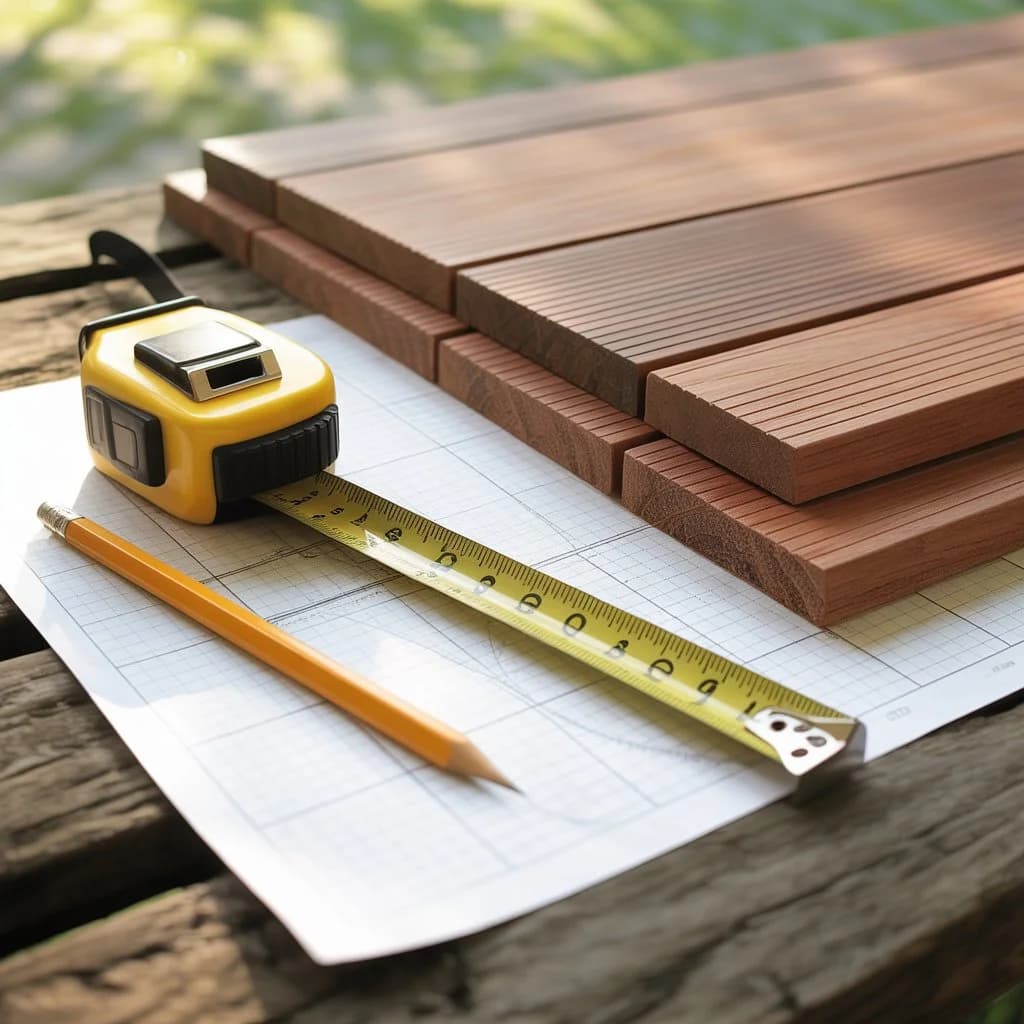
Buying composite decking for your patio and want to get your order right first time — without worrying that you’ll run short by two boards and have to pay for another delivery? Let’s get into it. With WPC (that is, WPC composite decking) the material most often gets “used up” on cuts along the edges, fitting around posts and steps, and end pieces that can’t be put to good use. Then there are the accessories: fixing clips, joists, screws and finishing trims. And since patios are rarely perfectly shaped… it’s worth calculating your allowance carefully. Below is a simple guide: how many decking boards to order as a “spare”, how to choose a waste percentage based on the laying pattern, and which composite decking accessories people most often forget.
Where does waste from cutting composite decking come from?
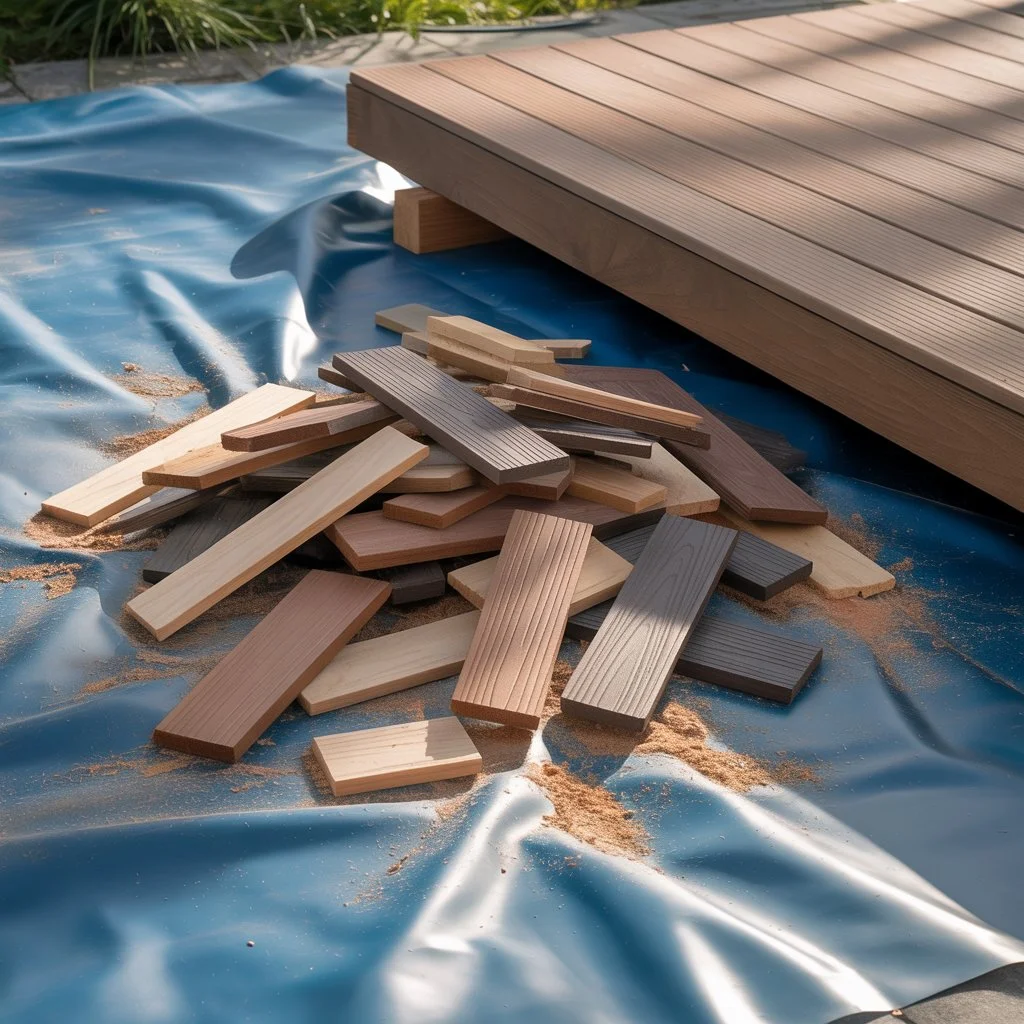
Waste when installing composite decking is perfectly normal. The most common reasons are:
- cuts along the edges of the patio (the last row along the edge almost always needs cutting),
- posts, railings, recesses, corners (lots of short pieces),
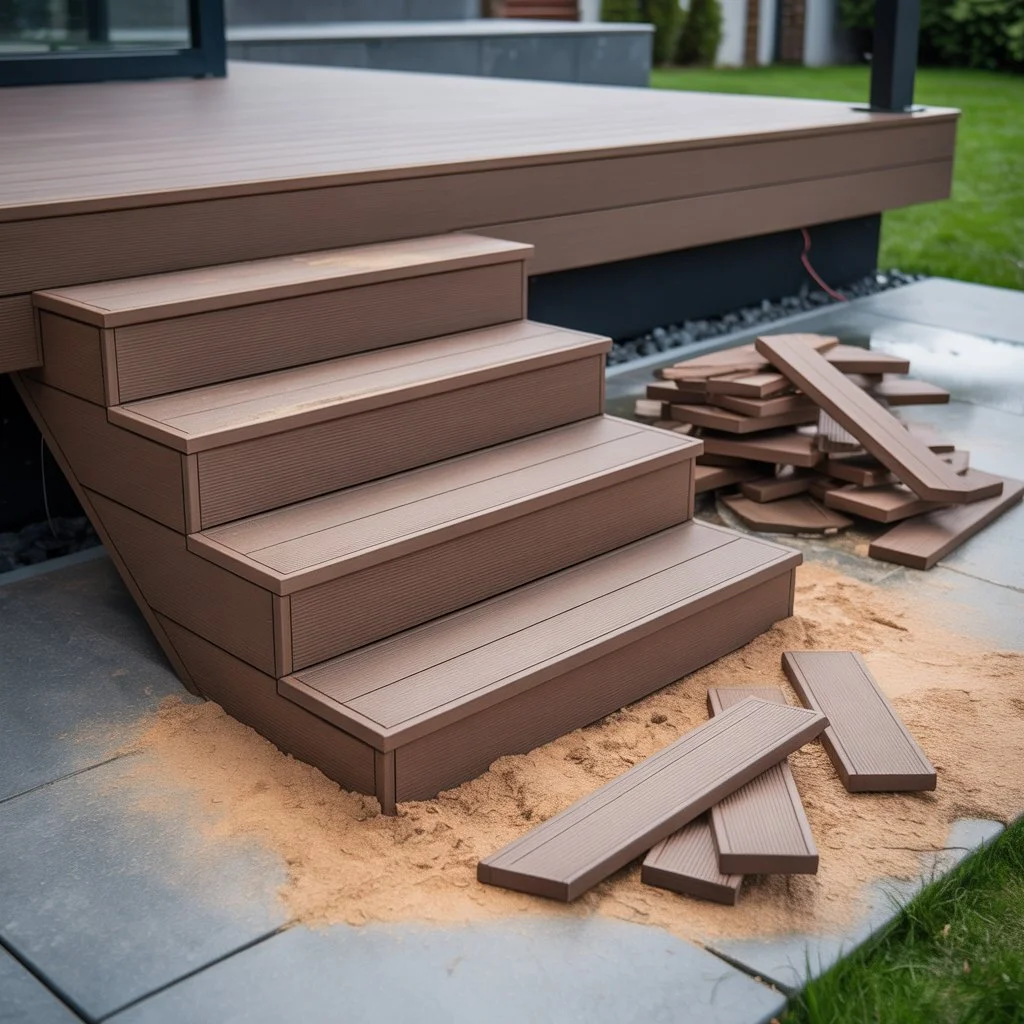
- steps and landings (lots of precise fitting),
- lengthwise joints (when the patio is longer than a board),
- aesthetic adjustments (so the ends look even, you sometimes cut “to a line”).
In short: even if the area adds up, extra composite decking still makes a difference.
How much composite decking should you buy as a spare? Simple guidelines.
This is the most important part. If you’re asking “how much composite decking should I buy?”, these ranges will cover it in 90% of cases:
- 7–10% extra – a rectangular patio, few obstacles, a classic parallel layout.
- 10–12% extra – a standard patio with a few cuts along the edges, e.g. by the house wall and border.
- 12–15% extra – a patio with lots of angles, posts, steps or many short lengths.
- 15–20% extra – a diagonal layout, “frames”, mixed directions, lots of angled cuts.
Golden rule: the more angles, steps and cuts made “for a neat finish”, the closer you should be to the upper limit.
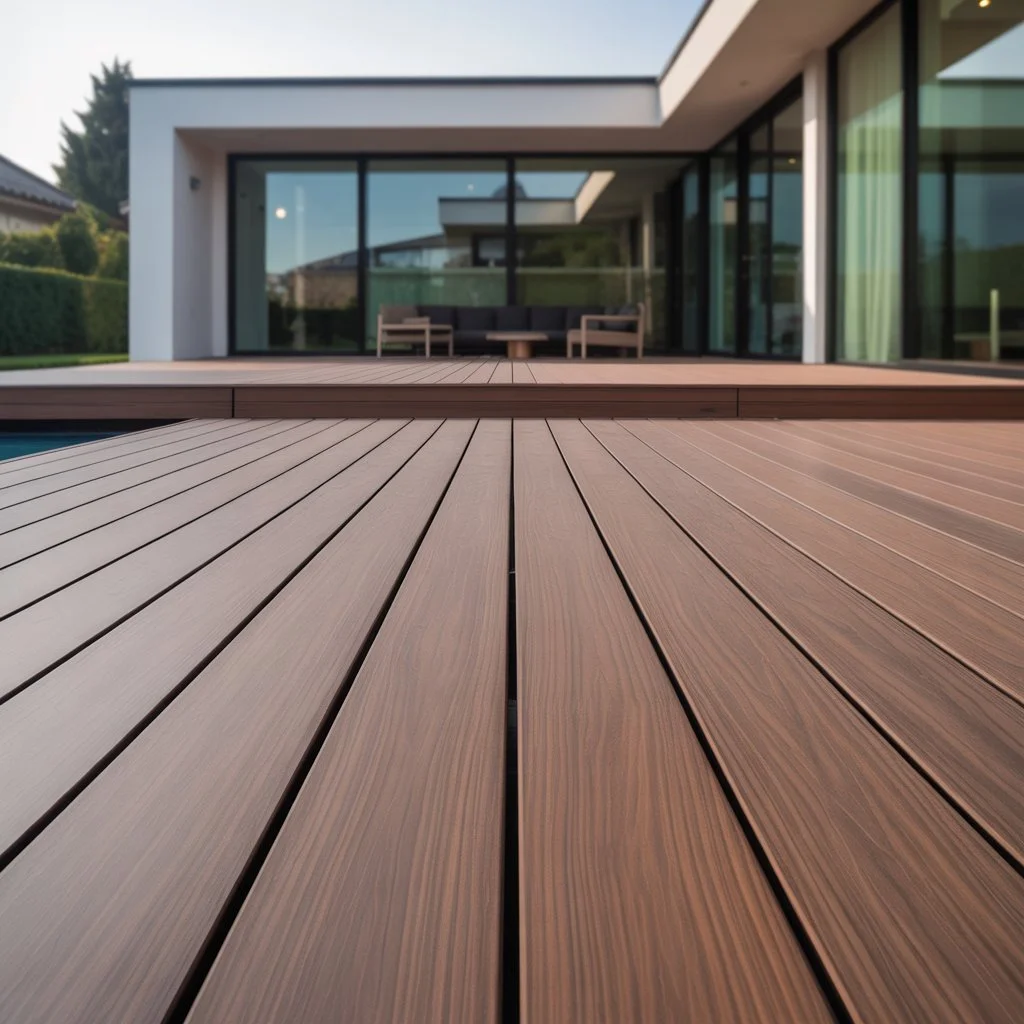
The laying pattern and material usage (where the magic happens… and the waste).
1. Straight layout (boards running in one direction).
Least waste. Offcuts from one row can often be used in the next.
Allowance: usually 7–10%.
2. “Brick” layout (1/2 or 1/3 stagger).
It looks good and is still reasonably cost-effective, but narrow patios can result in more short lengths.
Allowance: 10–12%.
3. Diagonal layout.
It looks premium, but lots of triangles and offcuts are produced, and you won’t always be able to use them.
Allowance: 15–20%.
Cuts along the edges: how to avoid them (or at least reduce them)?
You can reduce waste a little if you make a quick plan before buying:
- Check the patio width against the board width + gaps. Sometimes shifting the starting point by half a board reduces the narrow “strip” at the end.
- Plan where the joints will fall. WPC looks best when the joints are even and repeatable, which may require extra cuts.
- Avoid ultra-narrow cuts by the wall. If you’re left with 2–3 cm, it’s better to rethink the layout.
Not just boards: which composite decking accessories should you include?
When shopping for WPC, it’s usually not the boards but the missing little bits that make the basket “go off track”. Here’s a checklist:
- They’re usually calculated by the number needed per board (depending on joist spacing).
- Take 5–10% extra, because a few can get damaged or get lost in the grass.
Joists (composite or aluminium).
- The quantity depends on the spacing (often 30–40 cm, but it depends on the system).
- You may need less spare here, but it is worth allowing for 1–2 extra pieces, especially for cuts and the perimeter.
- You will need a surprisingly large number for battens, angle brackets, steps and finishing trims.
- Allowing an extra approx. 10% is a safe bet.
WPC finishing trims (L-shaped, cover trims, plinths)
- Terrace edges “eat up” metres: the perimeter can be larger than you think.
- Calculate the terrace perimeter and add 5–10% for joints and cuts.
A quick calculation formula (no maths degree required).
- Calculate the terrace area (m²).
- Choose an allowance (e.g. 10% or 15%).
- Order the m² you need plus the allowance, then round up to full packs/pieces.
Example: 20 m² terrace, simple layout, a few cuts around the edges → 10% allowance
20 × 1,10 = 22 m² of composite decking board to order.
For a diagonal layout:
20 × 1,15 = 23 m² (or even 24 m² if there are lots of cuts).
FAQ.
What is a safe allowance for WPC composite decking boards?
Usually 10% for a simple terrace. For a diagonal layout, frames and steps, allow 15–20%.
Is it worth buying more composite decking boards later?
It is better to avoid this. There may be differences between batches (shade/texture), and delivery costs are more painful than a small surplus.
Should you also allow extra WPC fixing clips?
Yes. Take 5–10% more, as they are an inexpensive “safety net” during installation.
What increases cutting waste the most?
Diagonal layouts, steps, posts and terraces with irregular shapes. And, of course, when narrow strips are left over at the end.
To wrap up (no waffle).
If you want to buy composite decking boards and have peace of mind, stick to these simple rules: allow 10% extra for a simple layout, 15–20% for diagonal layouts and patterns, and remember the accessories: WPC fixing clips, composite joists, screws and WPC finishing trims. This helps the composite decking board installation go smoothly, and your terrace will look like it came straight from a catalogue — without any last-minute “top-ups”.
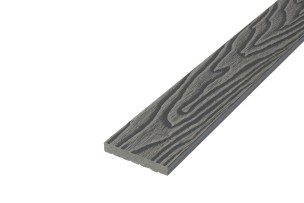
DUO composite skirting board 10x70x4000
Trims available in 5 colours
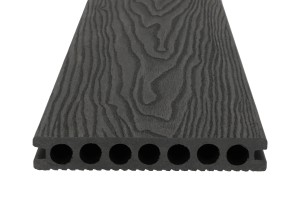
DUO composite decking board 23x148 - 5,0 m
Price per 1 linear metre of board: 21,30 zł
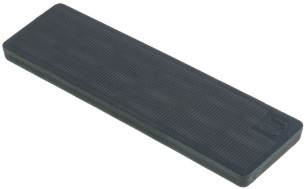
Plastic terrace joist pads 6x30x100
Available in packs of: 500pcs. | 1000pcs.
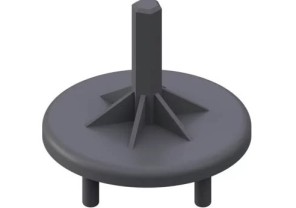
Screwdriver bit for faster screwing and height adjustment of PPK 107471 supports
A screwdriver bit for supports in the STANDARD and MAX series, designed for quickly adjusting the height of the support.



