
How can you recognise a high-quality composite decking board? 7 features to look out for.
Planning to buy decking? Find out how to choose a top-quality composite decking board. Discover 7 key features, from composition to co-extrusion technology, and avoid costly mistakes. See what to look for before you buy!
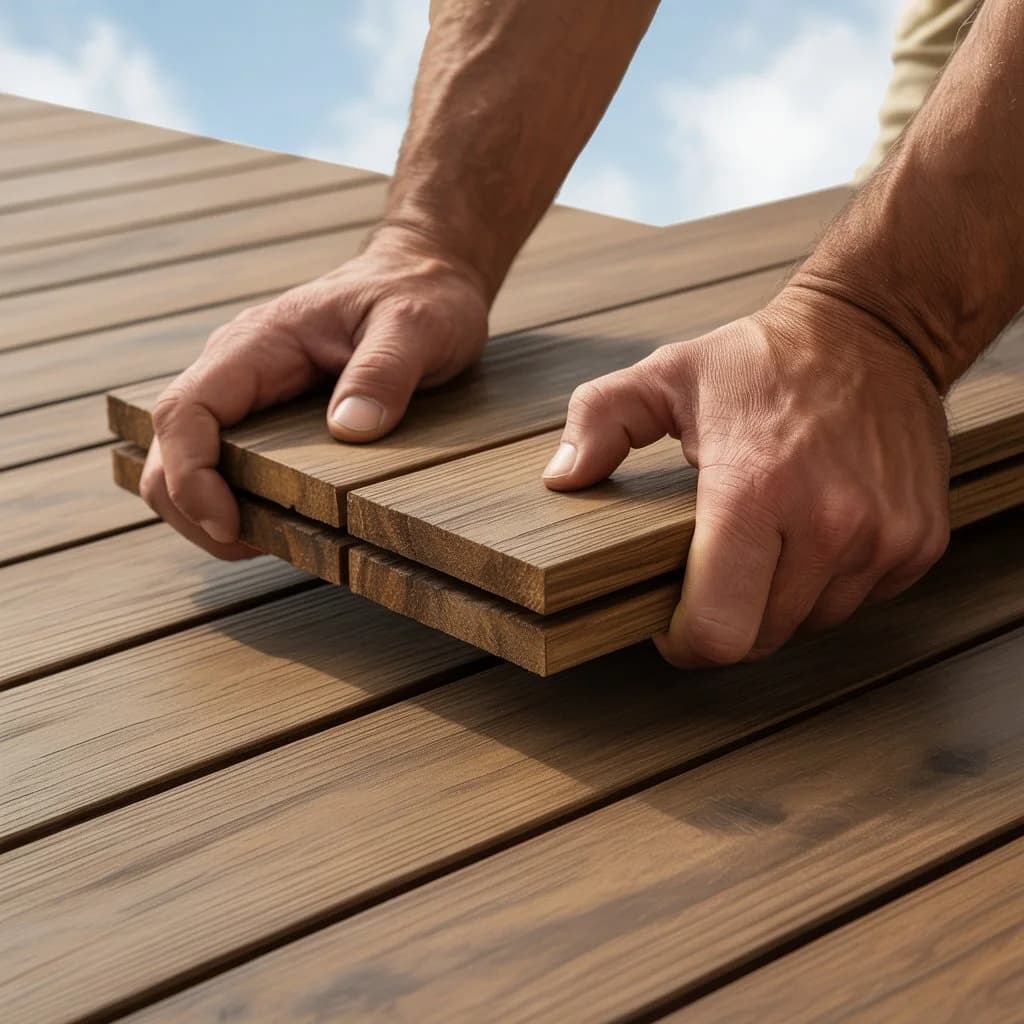
Building a patio is a long-term investment intended to improve your quality of life and the value of your property. However, hundreds of types of materials are available on the market, leaving many investors feeling lost. How do you choose a product that will not crack after its first winter or fade after a single summer? The key is knowing what characterises the quality of a composite decking board that genuinely lives up to the manufacturer's promises. In this article, we explain what to look out for so that your patio remains durable, safe and attractive for decades.
1. Raw material composition: proportions matter.
High-quality composite (WPC) is a precisely formulated blend of wood flour and polymers. The best decking boards contain around 50-60% carefully selected wood. Too much wood flour (over 70%) makes the decking board hygroscopic – it absorbs water, swells and crumbles. Too much plastic, on the other hand, gives it an unnatural, ‘cheap’ appearance and makes the surface slippery. Look for products made using high-density polyethylene (HDPE) or rigid PVC, which ensure structural stability.
2. Co-extrusion technology – your patio's protective shield.
When considering how to choose a decking board, be sure to check whether it is co-extruded (often referred to as a capped decking board). This is a modern production method in which the core of the decking board is permanently fused with an outer polymer layer. This ‘skin’ protects the patio from stains caused by fat, wine or coffee and significantly increases resistance to UV radiation. Cheap single-layer decking boards absorb dirt much more quickly, and over time it becomes impossible to remove.
3. Wall thickness and product weight.
You can feel quality in your hands. A good-quality composite decking board must have a suitable weight – a lightweight board usually indicates thin chamber walls and low material density. Look at the cross-section of the decking board: the outer walls should be thick and sturdy, while the internal supports (bridges) should be closely spaced. If the walls are too thin, the decking board may crack under the weight of garden furniture or concentrated pressure (e.g. from a heel).

4. Non-slip surface and 3D texture.
The safety of your household is a priority. When choosing a decking board, check its slip-resistance rating (look for R11 or R12 markings). High-quality products have deep embossing that imitates wood grain (3D texture), applied hot during production. This means the texture does not wear away with use, and the patio remains safe even when wet after rain.
5. Fixing system: the invisible strength of your patio.
The quality of a patio depends not only on the decking boards themselves, but on the entire fixing system. Reputable manufacturers offer systems based on stainless steel fixing clips, which allow the material to move naturally as temperatures change. Avoid cheap plastic fixing clips, which become brittle and crack in freezing conditions, causing the decking boards to loosen and the surface to ‘float’ dangerously.
6. Edge finish and material odour.
This is a simple but effective way to check quality. A good composite decking board should have smooth, precisely finished edges, with no visible air bubbles or delamination in the cross-section. Smell is also important – a high-grade product smells of wood. A strong, acrid smell of chemicals or burnt plastic suggests the use of low-quality recycled materials of unknown origin, which may negatively affect durability and users' health.
7. Manufacturer's warranty and support.
The quality of a good composite decking board is backed by a long-term warranty, of up to 25 years against rotting and decay. However, read the terms carefully – a reputable company offers technical support and holds certificates (e.g. PZH hygiene certificate, ITB fire-retardancy certificate). A lack of technical documentation is a clear sign that the product may not meet safety standards.
Why not buy ‘blind’? Order samples from Gardpol.
Choosing patio decking based solely on photos online or in a catalogue is a considerable risk. Colours on screen may be inaccurate, and it is impossible to assess the material's texture without touching it. What looks solid in a photo often turns out to be a thin, ‘plasticky’ substitute in reality.
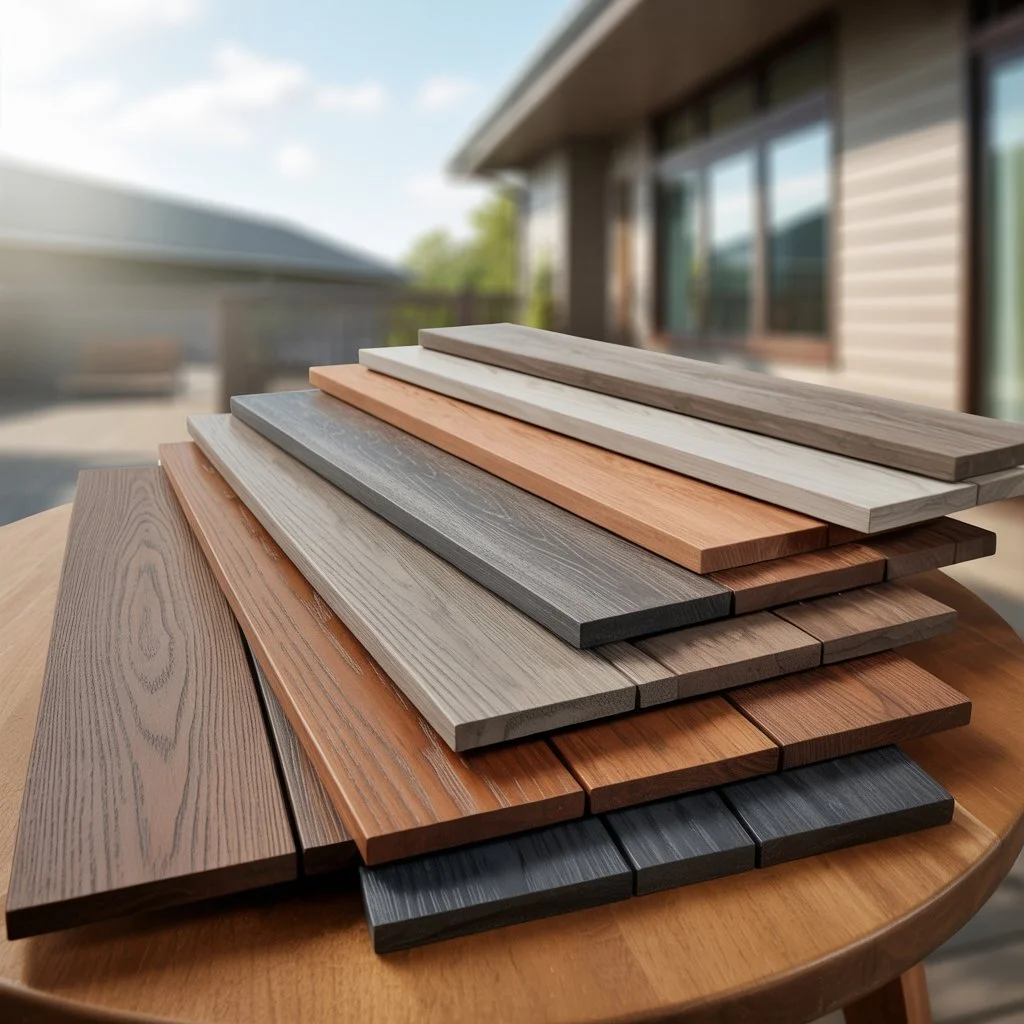
That is exactly why it is worth buying samples from Gardpol. It is the only way to check the material's hardness and wall thickness for yourself, and to see how your chosen colour looks in natural light against your property's exterior. Having a physical sample in your hand will help you avoid a costly mistake and give you confidence that you are investing in a product that will stand the test of time. At Gardpol, we believe in transparency – we want you to experience the quality you are paying for before you buy.
Summary.
Knowing what to look out for when buying helps you minimise the risk of making a mistake. A high board weight, co-extrusion technology, sturdy walls and certified origin are features that no low price can replace. Remember that a terrace is a place to relax – choose wisely, based on facts and not just marketing promises.
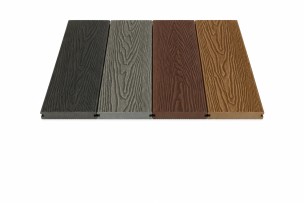
Full Premium composite decking board 20x140 - 3,5 m
Price per 1 linear metre of board 26,75 zł
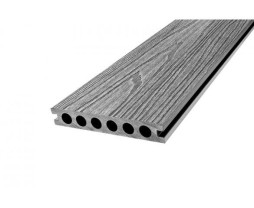
PREMIUM composite decking board 23x138 - 4,5 m
Price per 1 linear metre of board: 24,85 zł
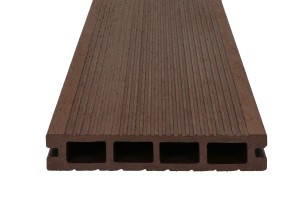
SELECT composite decking board 25x140 - 3,5 m
Price per 1 linear metre of board: 17.27 zł
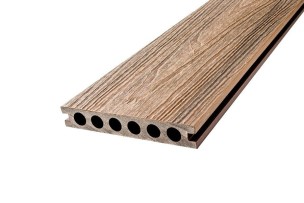
PREMIUM composite decking board 23x138 - 3,5 m
Price per 1 linear metre of board: 24,85 zł



