
How to Remove Stains from Composite Effectively: Wine, Grease and Sauces – A Practical Guide.
Find out how to effectively remove stubborn wine, grease and sauce stains from composite surfaces. Practical advice, home remedies and cleaning products, step by step.

Well, it happens to everyone. One awkward movement with a glass, sauce splattering while being stirred or fat dripping from a hot pan – and suddenly we have unwelcome guests in the form of stains. Especially if you have a composite worktop or sink, you know all too well that although this material is durable and stylish, it sometimes likes to “hold on to memories” of dinner for a little too long.
But don't worry – in this article I'll show you how to remove stains from composite after wine, grease and sauces. No unnecessary fuss, no damaging the surface and no panic.
What is composite and why does it need special care?
Before we move on to cleaning products, it's worth knowing exactly what composite is. In short, it's an engineered material, usually made from a mixture of natural minerals (e.g. quartz, granite) and acrylic or polyester resin. This means it looks great and is resistant to mechanical damage and moisture, but… it can be sensitive to strong detergents, high temperatures and some dyes.
That's why it's so important to remove stains quickly and effectively, but with care.
Types of stains and how to deal with them.
1. Red wine stains.
Ah, wine – a wonderful companion for an evening, but a nightmare for composite surfaces. Red wine contains dyes that quickly penetrate the pores of the material, especially if the surface isn't perfectly smooth. What to do:
- Act immediately! The sooner, the better.
- Blot with a paper towel, don't rub!
- Mix a solution from: 1 teaspoon of bicarbonate of soda, 1 teaspoon of washing-up liquid, 1 glass of warm water.
- Apply the mixture to the stain and leave for 10–15 minutes.
- Gently wipe with a soft cloth.
- Rinse with clean water and dry.
If the stain hasn't come out, try a homemade “OxiClean”: a mixture of hydrogen peroxide (3%) and bicarbonate of soda (1:1). But be careful – test it first in an inconspicuous area!
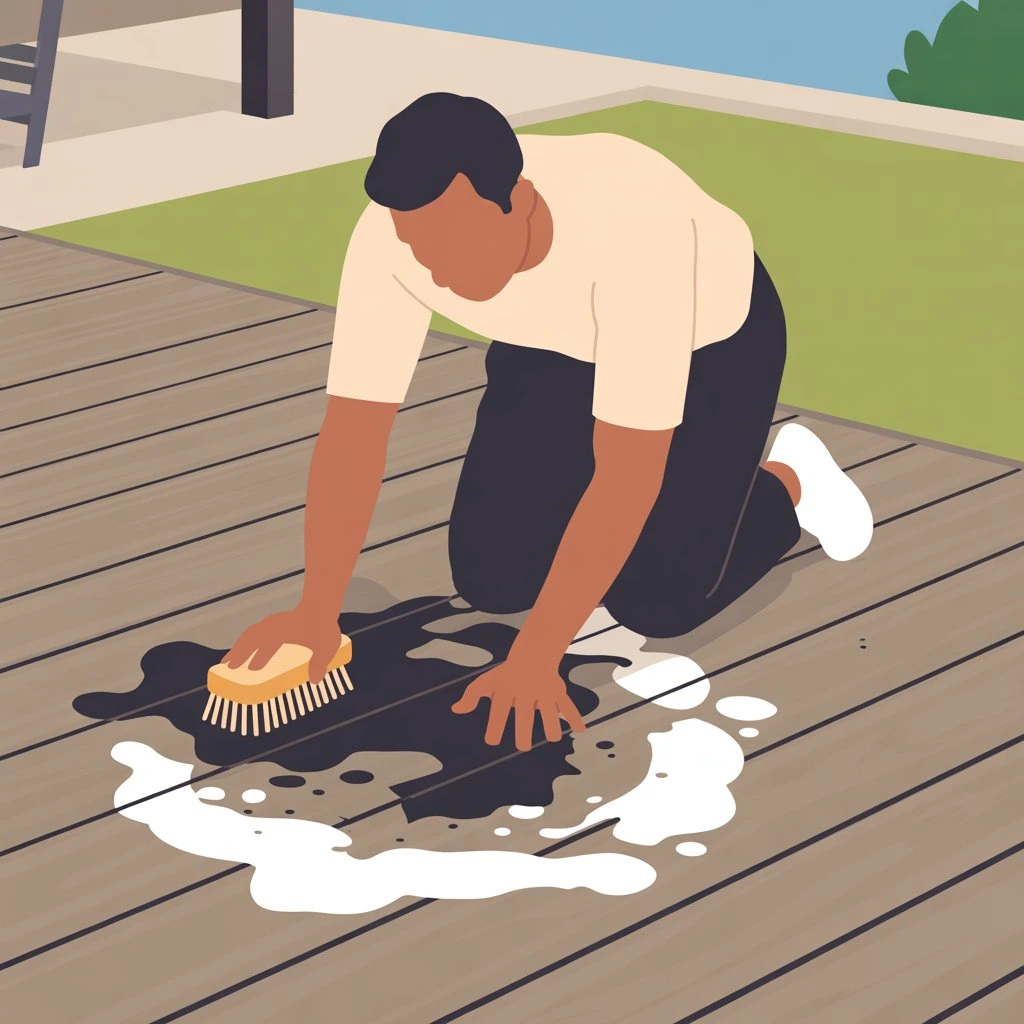
2. Grease stains.
Grease tends to leave an oily film that can darken the composite surface over time. It penetrates deeply if it isn't removed straight away. How to get rid of it:
- Sprinkle bicarbonate of soda over the stain.
- Lightly spray with vinegar (it will foam – that's good).
- Leave for 5–10 minutes.
- Clean with a soft sponge; DO NOT scrub with hard tools.
- Wipe with warm water and washing-up liquid.
- Wipe dry.
You can also use a ready-made degreaser, but make sure it doesn't contain bleach or strong solvents, which can dull the surface.
3. Sauce stains (e.g. tomato, curry, BBQ).
Sauces are true masters of staining – they contain intense dyes, oils and spices that can leave a permanent mark. Here's what to do:
- First, remove any excess sauce with paper.
- Use warm water with washing-up liquid.
- If the stain remains – mix a paste from: 2 teaspoons of bicarbonate of soda and a few drops of hydrogen peroxide.
- Apply it to the stain and cover with cling film.
- Leave overnight.
- In the morning, rinse thoroughly with water.
Warning: Do not use bleach or acetone – they can dissolve the resin and permanently damage the material.
Home remedies vs specialist products – which should you choose?
| Type of method | Advantages | Disadvantages |
|---|---|---|
| Home remedies | Cheap, safe, readily available | Sometimes less effective |
| Specialist products | Fast and powerful action | Risk of damage, expensive |
If the stain is new, a home remedy will be enough. For older or stubborn dirt, it's worth considering professional products for composite, such as special cleaning creams or active foams.
What should you absolutely NOT do to composite?
- Do not use metal scourers or abrasive sponges.
- Do not use chlorine bleach.
- Do not scrub stains when dry.
- Do not drench the surface with a greasy cleaning product.
- Do not leave stains for later – act straight away!
How to care for composite every day?
It's not just about removing stains, but also about preventing them from forming:
- Use chopping boards.
- Do not place hot pans directly on the worktop.
- Regularly wipe the surface with warm water and a mild detergent.
- Every few weeks, you can use a care product for composite.
Frequently asked questions (FAQ).
1. Will bicarbonate of soda scratch composite material?
No, as long as you use it with water and a soft cloth – it is completely safe.
2. What if the wine stain does not come off, even after several attempts?
It is worth using a specialist composite cleaner or consulting the worktop manufacturer.
3. Can I use a steam cleaner to clean composite material?
It is not recommended – the high temperature may damage the resin structure.
4. Is glass cleaner suitable for cleaning?
Only if it does not contain alcohol or ammonia – these substances can damage composite material.
Summary (or rather – time to take action!).
Stains on composite material do not have to be the end of the world. The key to success is acting quickly, choosing the right products and having a little patience. With this guide to hand, you will have no trouble dealing with wine, grease or tomato sauce – and your worktop will look as good as new again!
Do you have any tips of your own? Or are you dealing with a particularly stubborn stain? Let us know in the comments – together we will find a solution!

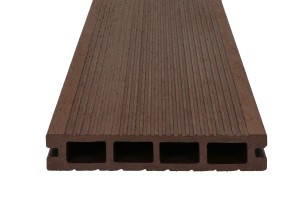
SELECT composite decking board 25x140 - 3,5 m
Price per 1 linear metre of board: 17.27 zł
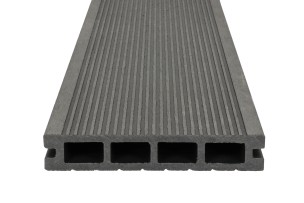
SELECT composite decking board 25x140 - 5,0 m
Price per 1 linear metre of board: 17.27 zł
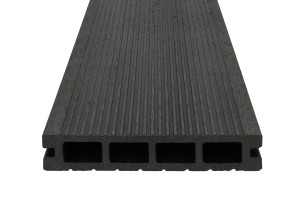
SELECT composite decking board 25x140 - 2,25 m
Price per 1 linear metre of board: 17.27 zł
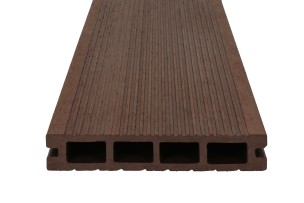
SELECT composite decking board 25x140 - 1,8 m
Price per 1 linear metre of board: 17,27 zł