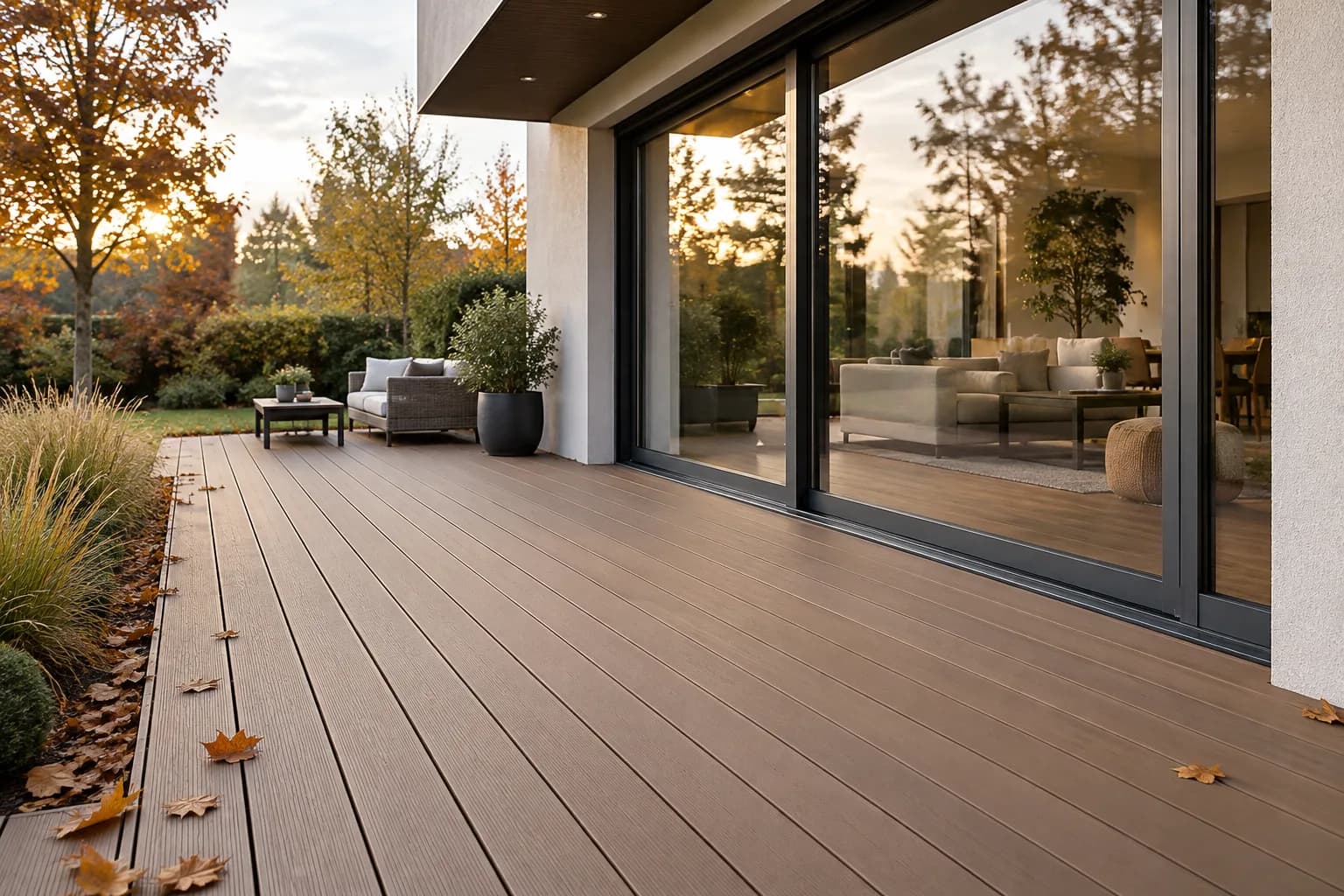
How to lay composite decking boards on a balcony | A practical installation guide.
Wondering how to lay composite decking boards correctly on a balcony? Check out our practical DIY guide and find out why laying them perpendicular to the façade is the best choice!
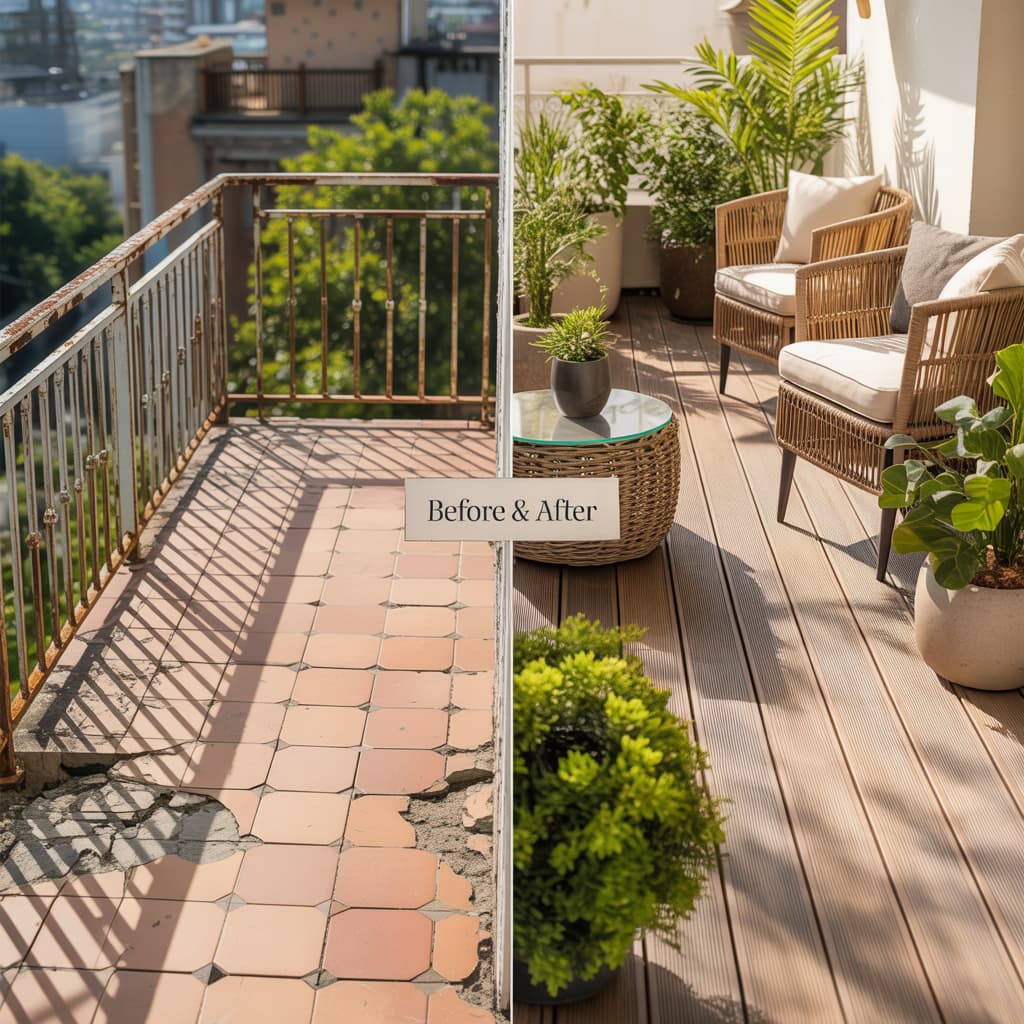
Installing composite decking boards on a balcony is a great way not only to improve the appearance of the space, but also to increase its durability and comfort. But—and this is an important “but”—you need to know how to lay them correctly, otherwise, instead of a beautiful floor, you could end up with a problem. In this article, I’ll guide you through the whole process step by step and explain why laying the boards perpendicular to the façade is not just a popular option, but the best choice.
Why are composite decking boards a good choice for a balcony?
Before we move on to the installation itself, it’s worth briefly explaining why composite decking boards are a good idea:
-
They are resistant to moisture, changing weather conditions and UV radiation.
-
They do not require painting or preservative treatment.
-
They are easy to clean—a pressure washer or a brush and water is all you need.
-
They look very natural while also being modern.
Step 1: Preparing the balcony.
Before you start installing the boards, make sure that the surface is properly prepared. Here’s what you need to do:
-
Remove the old surface, for example, tiles if they are loose or cracked.
-
Level the surface—any unevenness can make the structure unstable.
-
Ensure water can drain away—the balcony must have a slight slope (usually 1–2%) so that water does not collect beneath the boards.
-
Lay insulation mats—they prevent moisture from penetrating and increase the durability of the substructure.

Step 2: Choosing the direction in which to lay the boards.
Right—now we get to the heart of the matter: how should composite decking boards be laid? Parallel or perpendicular?
Why is it better to lay the boards perpendicular to the façade?
- Better water drainage—when the boards are laid perpendicular to the building wall, rainwater has a better route to drain away. There is less chance of water pooling.
- Better ventilation—airflow between the boards is more effective, which limits the growth of mould and damp.
- Appearance—a perpendicular layout often looks better with the shape of the building, making the balcony seem wider and more spacious.
- Less heat build-up—this layout heats up less from the façade, reducing the risk of warping.
- Easier installation—particularly on small balconies, a perpendicular layout makes it quicker and easier to fit the boards to the dimensions.
What about a parallel layout?
Of course, it is not entirely out of the question—it may look better on long, narrow balconies. But if you have a typical balcony in a block of flats or a small house, a perpendicular layout will be better technically and practically.
Step 3: Laying the joists.
Joists are the foundation—literally. The composite decking boards rest on them, so they must be installed very precisely.
-
Lay the joists every 30–40 cm—this is the standard spacing and ensures stability.
-
Use composite or aluminium joists—they are resistant to moisture and will not warp.
-
Do not install them directly on the surface—use spacers (e.g. rubber ones) to provide adequate ventilation.
-
Always remember to maintain a slope away from the wall towards the edge of the balcony.
Step 4: Installing the composite decking boards.
Now for the boards themselves! Remember these rules:
-
Leave expansion gaps – min. 5 mm by the walls and 2–3 mm between the boards. The boards expand and contract with changes in temperature.
-
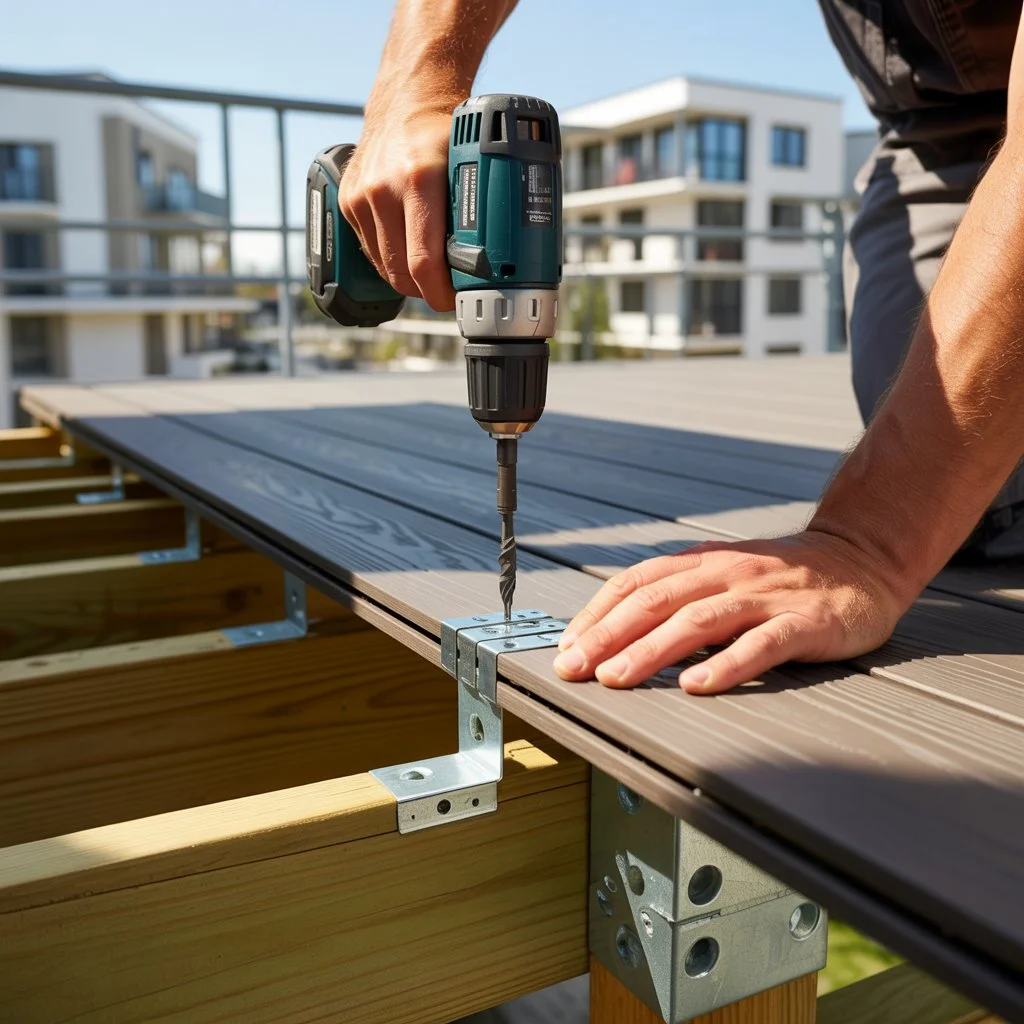
Fixing clip installation – this is the best method: no visible screws and quick removal if needed.
-
Always start from the outer edge of the balcony – it is easier to trim the last board by the wall than to make things complicated at the start.
-
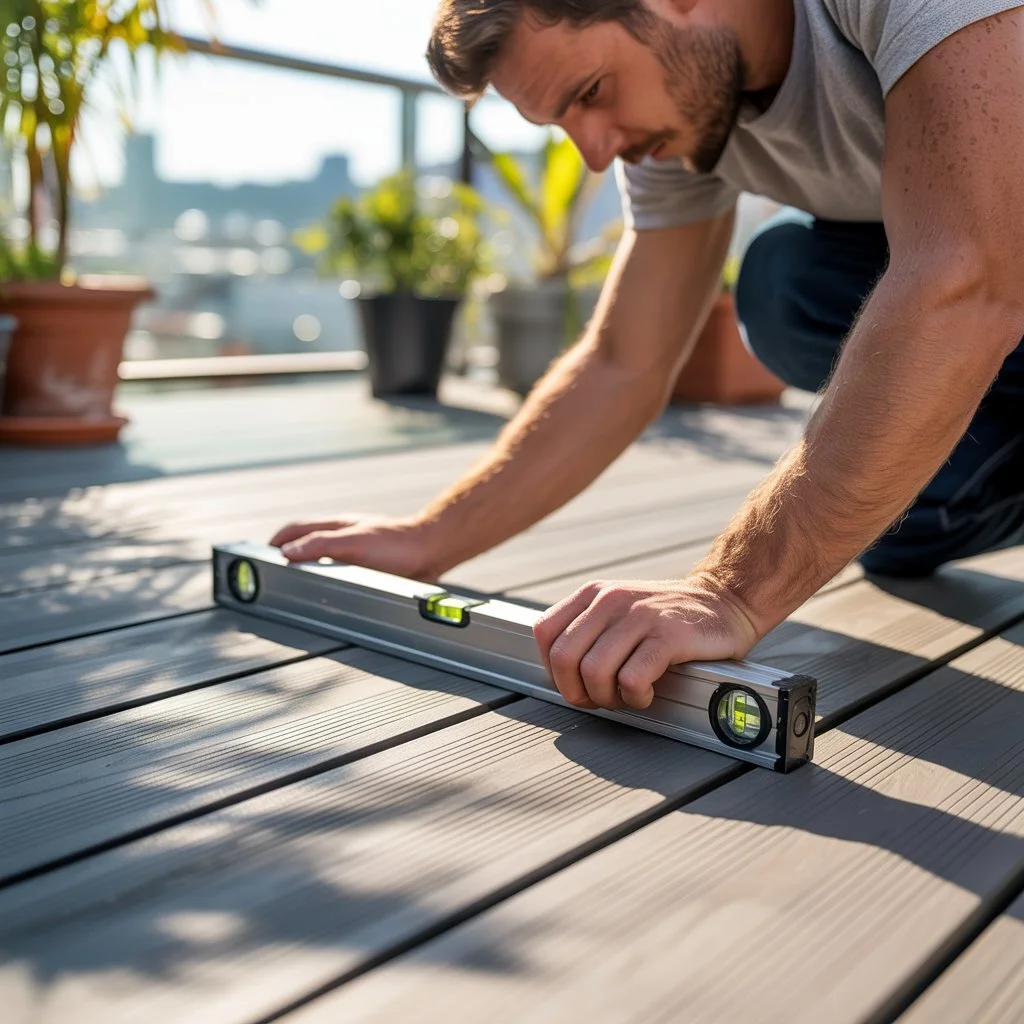
Check each board with a spirit level – once laid, boards are difficult to adjust.
The most common mistakes – avoid them at all costs:
- No slope on the balcony – this causes water to collect and damages the boards.
- Laying boards without a supporting structure – this leads to instability and shortens the lifespan of the decking.
- No expansion gaps – on hot days, the boards may warp or crack.
- Installation without levelling – the boards may become uneven and look unsightly.
A few practical tips to finish:
🔧 Use boards with an anti-slip coating – especially if the balcony is exposed to rain.
🌦 After installation, it is a good idea to avoid placing heavy furniture on them for a few days – give the structure time to settle.
🌱 If you are planning to have plants in pots, make sure you use additional pads so that water does not collect directly beneath the pots.
FAQ – Frequently asked questions.
Can composite decking boards be laid without joists?
This is not recommended – joists provide adequate support and ventilation. Without them, the boards may quickly become damaged.
How do you care for composite decking boards after installation?
Simply sweep them regularly and wash them with water from time to time. Do not use harsh chemicals.
Is laying the boards perpendicular always best?
In 90% of cases – yes. It provides better water drainage, ventilation and appearance.
Worth remembering:
-
Composite decking boards are an excellent solution for a balcony – durable and attractive.
-
It is best to lay them perpendicular to the wall to ensure proper water drainage and better ventilation.
-
The key to success is thorough preparation of the surface, correctly laid joists and precise installation.
What next?
If you are planning to install it yourself – great, this guide is just for you. But if you have any doubts, do not hesitate to ask a professional for help. A well-laid composite decking floor will serve you for years!
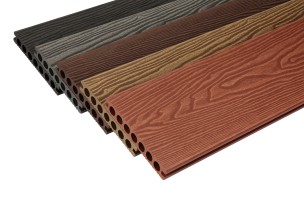
DUO composite decking board 23x148 - 5.8 m
Price per 1 linear metre of board: 21,30 zł
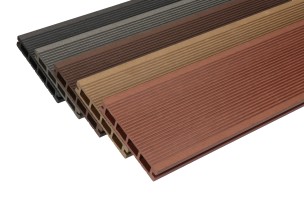
SELECT composite decking board 25x140 - 5.8 m
Price per 1 linear metre of board: 17,27 zł
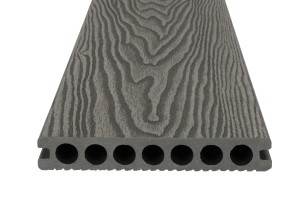
DUO composite decking board 23x148 - 1.8 m
Price per 1 linear metre of board: 21,30 zł
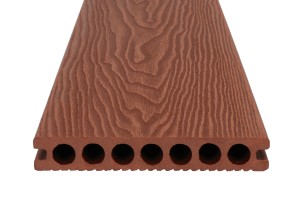
DUO composite decking board 23x148 - 2.25 m
Price per 1 linear metre of board: 21,30 zł