
How to choose the perfect cladding boards for your home?
Cladding boards for your home – explore the types, prices, durability and installation. A guide to help you choose the best solution for your façade.
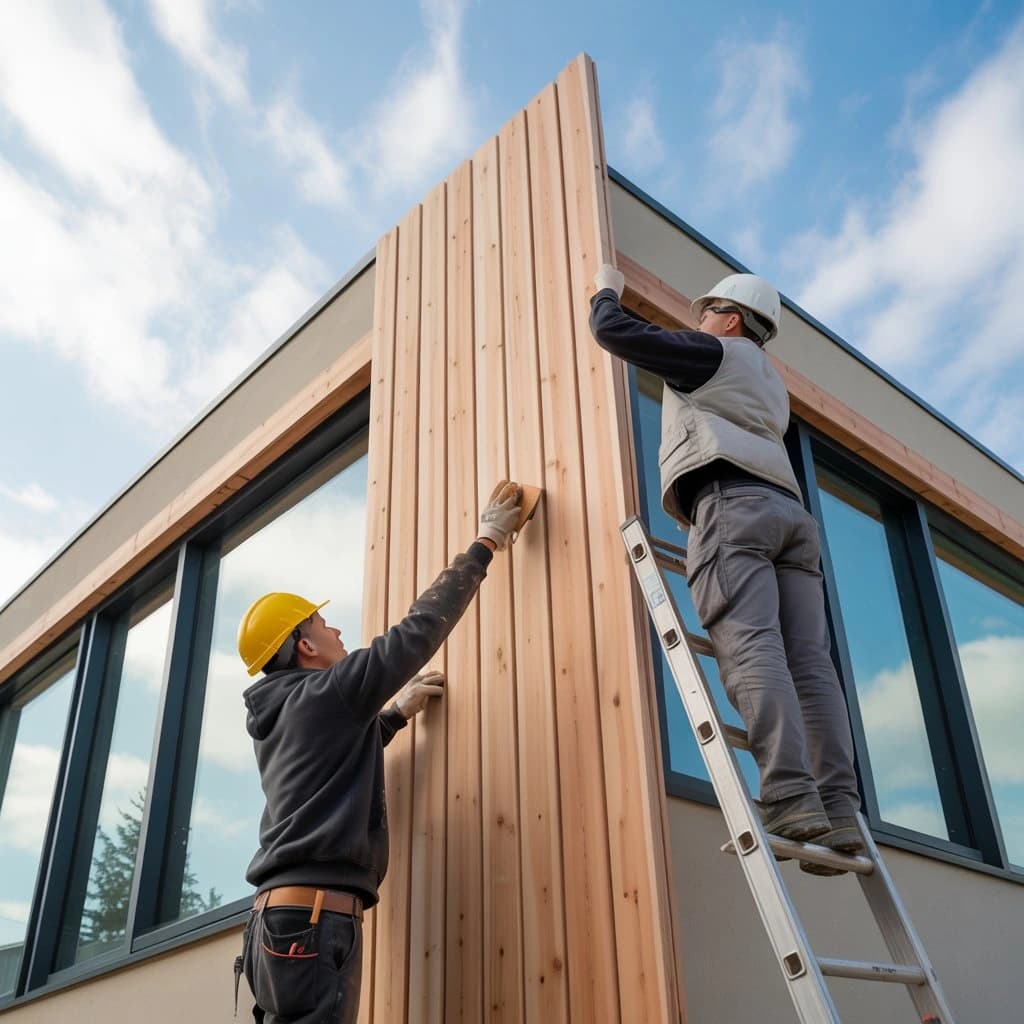
The façade is every home's calling card – it is the first thing people notice. The right materials affect not only the building's appearance, but also its durability, insulation and resistance to changing weather conditions. In recent years, cladding boards have become increasingly popular, combining the natural beauty of wood with modern technology and ease of installation.
Choosing cladding boards is not straightforward, however. The market offers many options – from natural wood and composite to wood-effect panels. Each of these solutions has its pros and cons, so it is worth knowing what to look for before buying.
This guide offers tips to help you make the right decision and choose cladding boards that are ideal for your home.
Why choose cladding boards?
Cladding boards have become one of the most frequently chosen finishing materials for good reason. They offer many advantages, making them an excellent solution for both new projects and façade renovations.
The main advantages are:
-
appearance – they give the building a natural, elegant look,
-
durability – well-chosen cladding boards withstand changing weather conditions,
-
insulation – an additional insulating layer and protection against moisture,
-
ease of installation – system solutions enable quick installation,
- a variety of designs and colours – it is easy to match the façade to your home's style.
Types of cladding boards – which should you choose?
When choosing cladding boards, the first thing to consider is the material. Each type differs in appearance, durability and cost.
Natural wood is a classic that never goes out of fashion. It fits perfectly with Scandinavian, rustic and modern styles. However, it requires regular maintenance – treating, oiling and sometimes painting.
Advantages: beautiful appearance, naturalness, eco-friendliness.
Disadvantages: the need for frequent maintenance, susceptibility to moisture and pests.
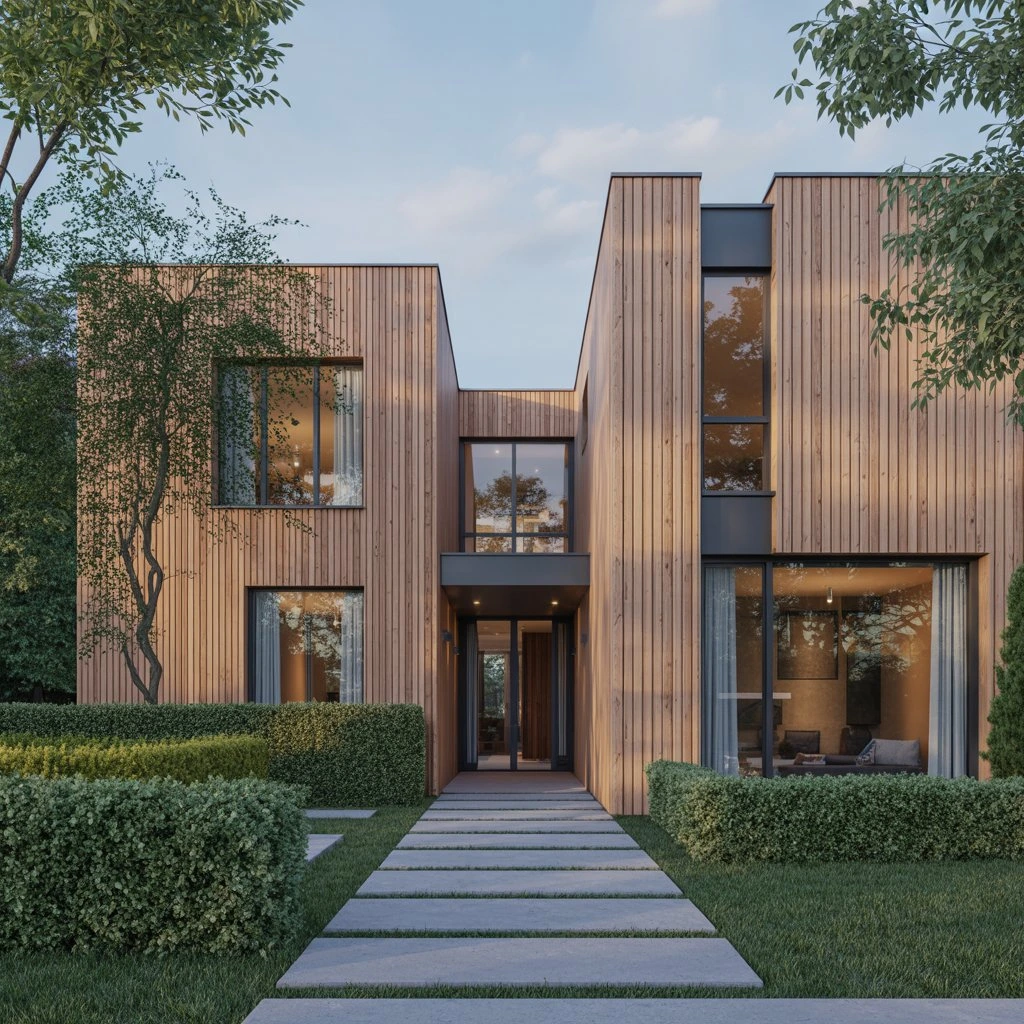
Made from a mixture of wood fibres and polymers, they are much more resistant to external factors than natural wood. They do not require painting or treatment, and are quick and clean to install.
Advantages: durability, no need for maintenance, resistance to moisture and UV rays.
Disadvantages: more expensive than wood, less natural appearance in cheaper models.
-
Wood-effect façade panels.
This is an option for people who want to enjoy the look of wood without the need for frequent maintenance. They are most often made from PVC or other synthetic materials.
Advantages: easy maintenance, a wide choice of designs, resistance to weather conditions.
Disadvantages: they may look less natural than wood.
What should you look for when choosing cladding boards?
The decision to buy cladding boards should be carefully considered. Here are the most important criteria:
-
Material – match it to your home's style and your expectations regarding maintenance.
-
Durability – check whether the boards are resistant to UV radiation, rain and frost.
-
Installation – choose a system that allows for easy and quick fastening.
-
Colour and texture – match the cladding to the rest of the building and its surroundings.
-
Price – compare offers, but remember that the cheapest options are not always cost-effective in the long term.
Cladding boards and maintenance.
How often you need to carry out maintenance depends on the material you choose. Timber cladding boards need regular protection against moisture and UV rays, whereas composite and PVC boards require virtually no additional care.
However, it is worth remembering that even the most resistant materials need cleaning – ideally with water and a mild detergent.
Installing cladding boards – DIY or with a professional?
Installing cladding boards may seem simple, especially with modular systems. However, if you have no experience, it is better to entrust the job to professionals. Why?
-
assurance of correct fastening,
-
proper protection of the insulation layers,
-
avoiding mistakes that could lead to damp walls.
Professional installation is an investment in the durability of the entire façade.
How much do cladding boards cost?
The price depends on the material and manufacturer. Natural timber may cost less initially, but it requires regular maintenance, which increases costs in the long term. Composite cladding boards are more expensive, but require virtually no maintenance.
Average prices (indicative):
-
timber: from 100 zł/m²,
-
composite: from 200 zł/m²,
-
PVC: from 120 zł/m².
Your choice depends on your budget and expectations regarding durability.
Summary
Cladding boards are a solution that combines aesthetics and functionality. Whether you choose timber, composite or PVC panels, well-chosen cladding will enhance the character of your home and increase its value.
Remember to consider:
✅ the type of material,
✅ resistance to weather conditions,
✅ ease of installation and maintenance,
✅ colour coordination,
✅ purchase and upkeep costs.
With these tips, you can choose cladding boards that are ideal for your home, which will last for years and bring you joy every day.
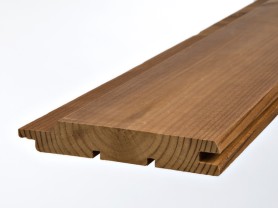
Cladding board 19x117 Thermo Scots pine UTV A Lunawood 4.5 m
Available lengths: 4.2 m, 4.5 m, 4.8 m, 5.1 m
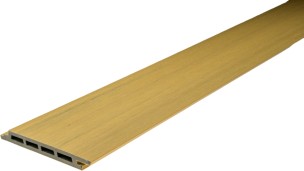
Smooth Composite Cladding Board Premium OAK
Dimensions: 14x138x2950
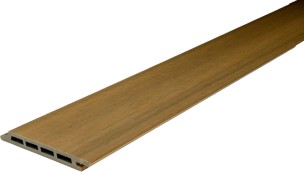
Smooth Composite Cladding Board Premium TEAK
Dimensions: 14x138x2950
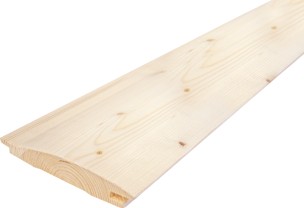
Half-round spruce cladding board PÓŁBAL 28x146 Scandinavian Spruce 5.4 m
Available lengths: 3.9 m and 5.4 m



