
How to protect composite decking from scratches caused by furniture?
How can you protect composite decking from scratches? Discover effective ways to protect decking boards and furniture on your terrace, helping them keep their perfect appearance for years.

Composite decking is a solution that is becoming increasingly popular thanks to its durability, appearance and lack of need for regular maintenance. However, even the best material is not completely resistant to mechanical damage. One of the most common problems is scratches caused by moving chairs, tables or sun loungers. That is why protecting the surface of composite decking against marks and scuffs is a key step in maintaining its appearance for many years. In this article, we explain how to protect decking boards effectively and which accessories work best, especially if you often use furniture on the patio.
Why can composite decking get scratched?
Although composite is resistant to moisture, UV radiation and mould, protecting the decking board also involves mechanical damage. Scratches can be caused by:
- moving heavy furniture across the surface,
- sharp edges on table and chair legs,
- sand and small stones brought in on the soles of shoes,
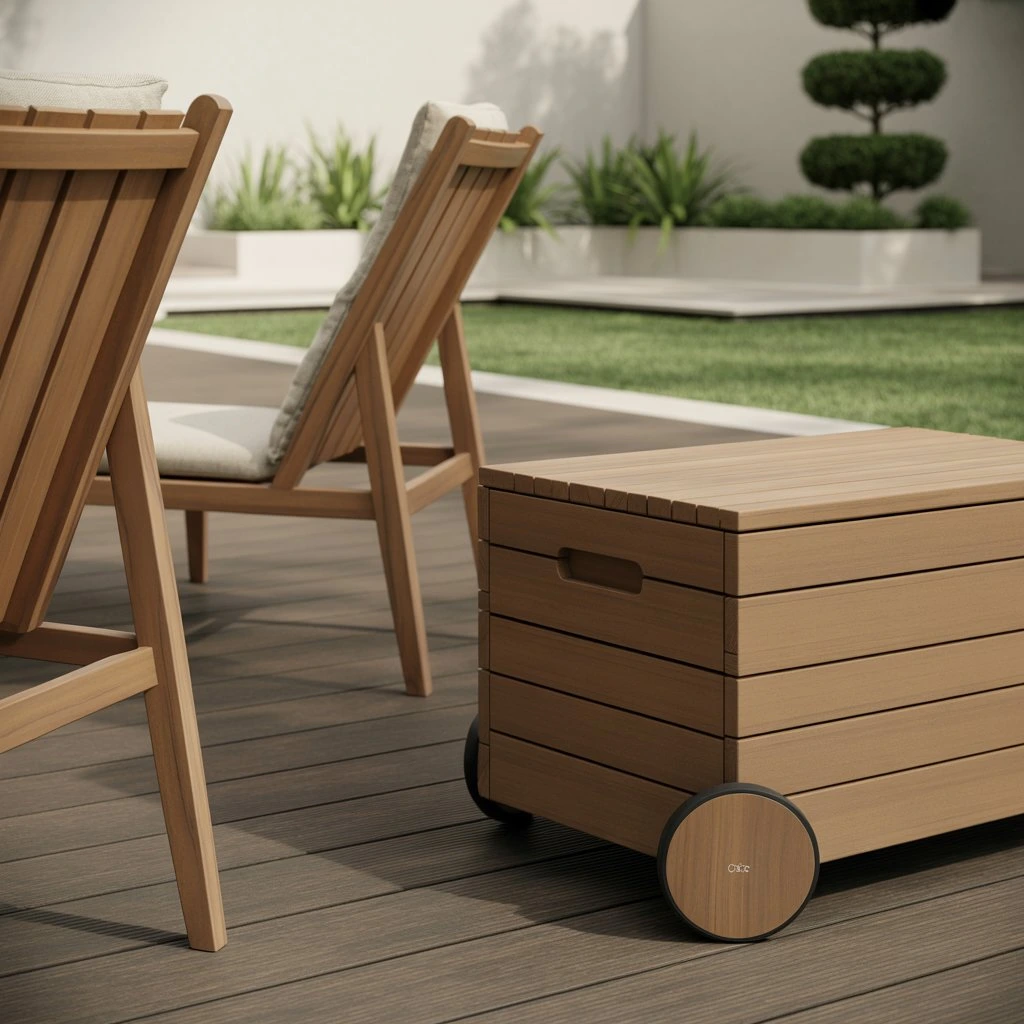
- wheels that are too hard on mobile chairs or wheeled garden storage boxes.
Over time, small scratches can form larger, matt marks, so it is best to plan protection for the surface of composite decking as soon as you arrange your furniture.
Which patio furniture is safest for composite decking?
If you are just furnishing the space, consider what kind of furniture for your patio you choose. The least likely to cause scratches are:
- furniture with wide, rounded legs,
- lightweight furniture that does not need to be moved frequently,
- garden furniture made from synthetic rattan or wood, with pads under the legs,
- sets with soft rubber or silicone feet.
On the other hand, avoid:
- metal furniture without any pads,
- cheap aluminium legs with sharp edges,
- garden storage boxes with hard plastic wheels.
This does not mean you cannot use them – it simply makes protection for the decking board with specialist accessories more important.
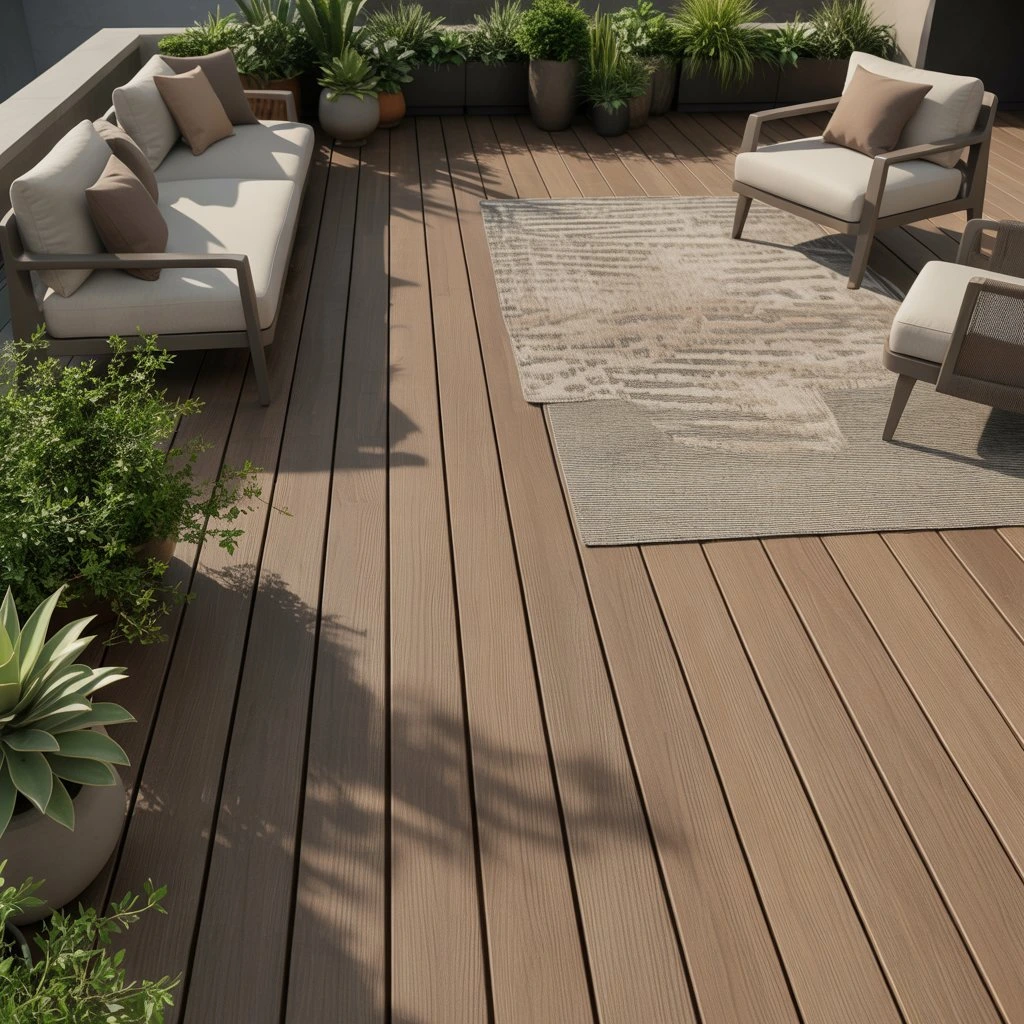
Effective ways to protect the surface of composite decking.
1. Felt or silicone pads.
The simplest and most commonly used method is to fit pads under furniture legs. Felt works well on dry patios, while silicone or rubber is better where the surface may get wet. They allow furniture on the patio to move without friction, minimising the risk of scratches.
2. Protective mats for the dining area.
If you have a large table and lots of chairs, consider using a floor mat made from moisture-resistant material. These mats create a barrier between the furniture legs and the decking boards.
3. Outdoor rug.
Outdoor rugs are resistant to the elements and can also enhance the feel of the space. They protect not only against scratches, but also against the floor heating up in full sun.
4. Premium option: soft castor covers.
If you have storage boxes or chairs on wheels, replace the wheels with rubber “soft roll” castors. This is a great way to protect the decking board, as rubber absorbs pressure and does not scratch the surface.
5. Regular patio cleaning.
Dirt, sand and small stones act like sandpaper. Gentle sweeping and rinsing with water once a week is one of the simplest ways to protect the surface of composite decking at no extra cost.
Are oils or wood preservatives worth using?
Wood must be treated with a preservative, but composite decking does not require it. Composite is coloured throughout, so scratches do not make it lose its colour as quickly as wood. It does not need to be treated with a preservative, but protection for the decking board against mechanical damage is still necessary – using accessories under furniture and handling it properly.
Summary.
Protecting the surface of composite decking does not require a great deal of effort or expensive products. All you need to do is:
- use pads under furniture legs,
- consider mats or outdoor rugs,
- use rubber wheels instead of plastic ones,
- regularly remove sand and dirt.
This means furniture on the terrace won’t scratch the surface, and your terrace will retain its attractive appearance for many years. Protecting composite decking is a simple investment that genuinely extends its lifespan.
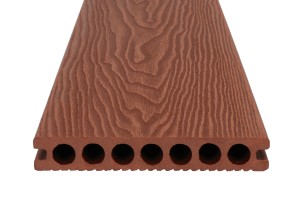
DUO composite decking board 23x148 - 2.25 m
Price per 1 linear metre of decking board: 21,30 zł
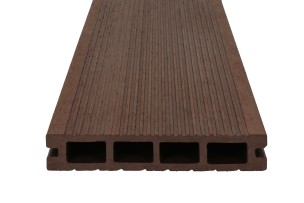
SELECT composite decking board 25x140 - 1.8 m
Price per 1 linear metre of decking board: 17,27 zł
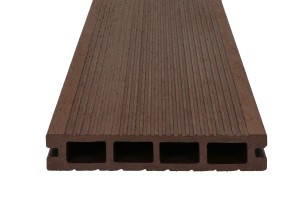
SELECT composite decking board 25x140 - 3.5 m
Price per 1 linear metre of decking board: 17.27 zł
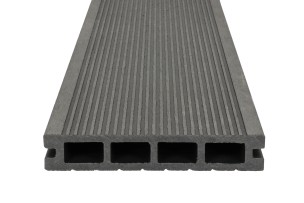
SELECT composite decking board 25x140 - 5.0 m
Price per 1 linear metre of decking board: 17.27 zł



