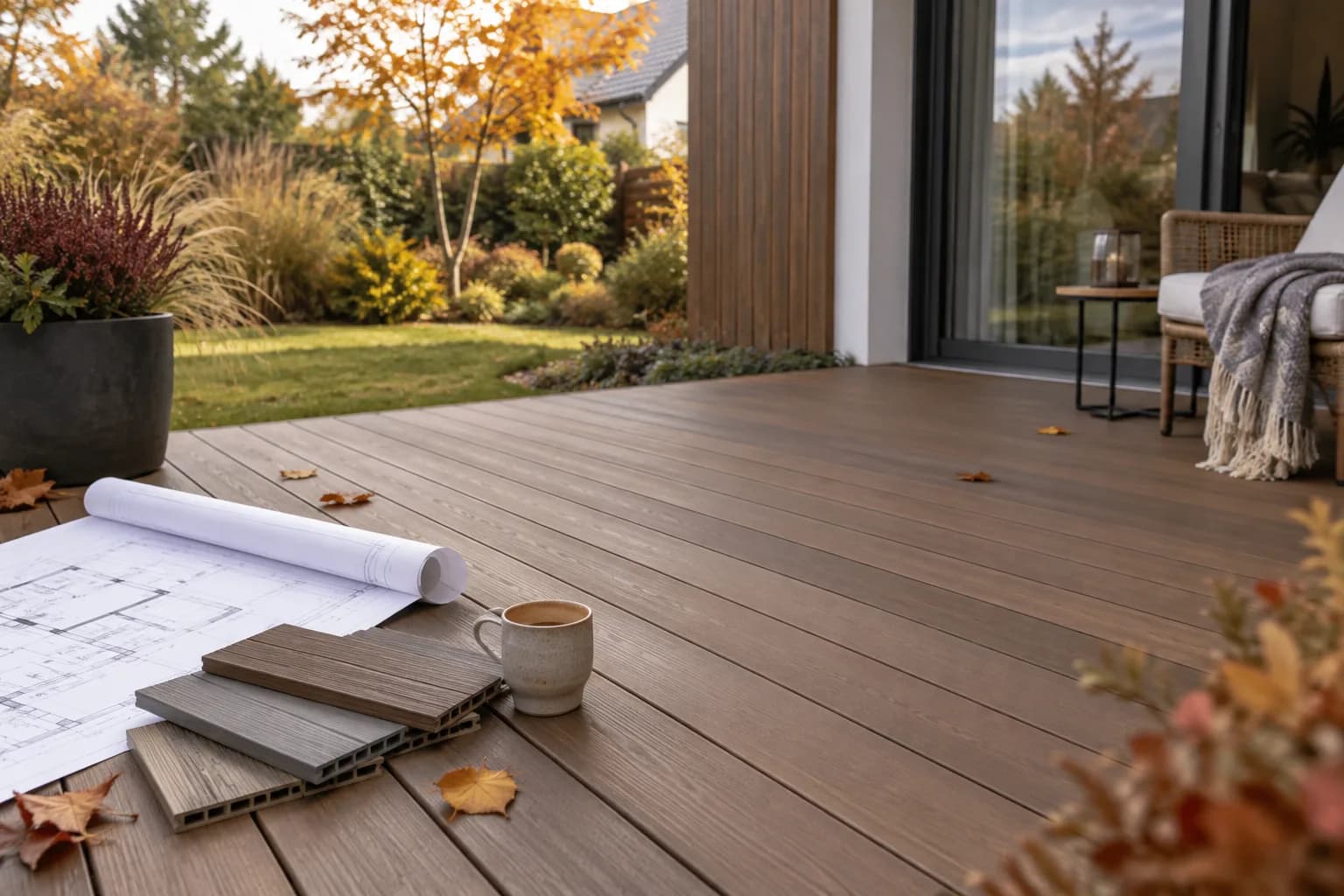
How does a composite decking board change after 10 years of use?
What does a composite decking board look like after 10 years of use? Find out whether it fades or warps, and how the weather affects it. Learn the facts about the durability of a composite deck.
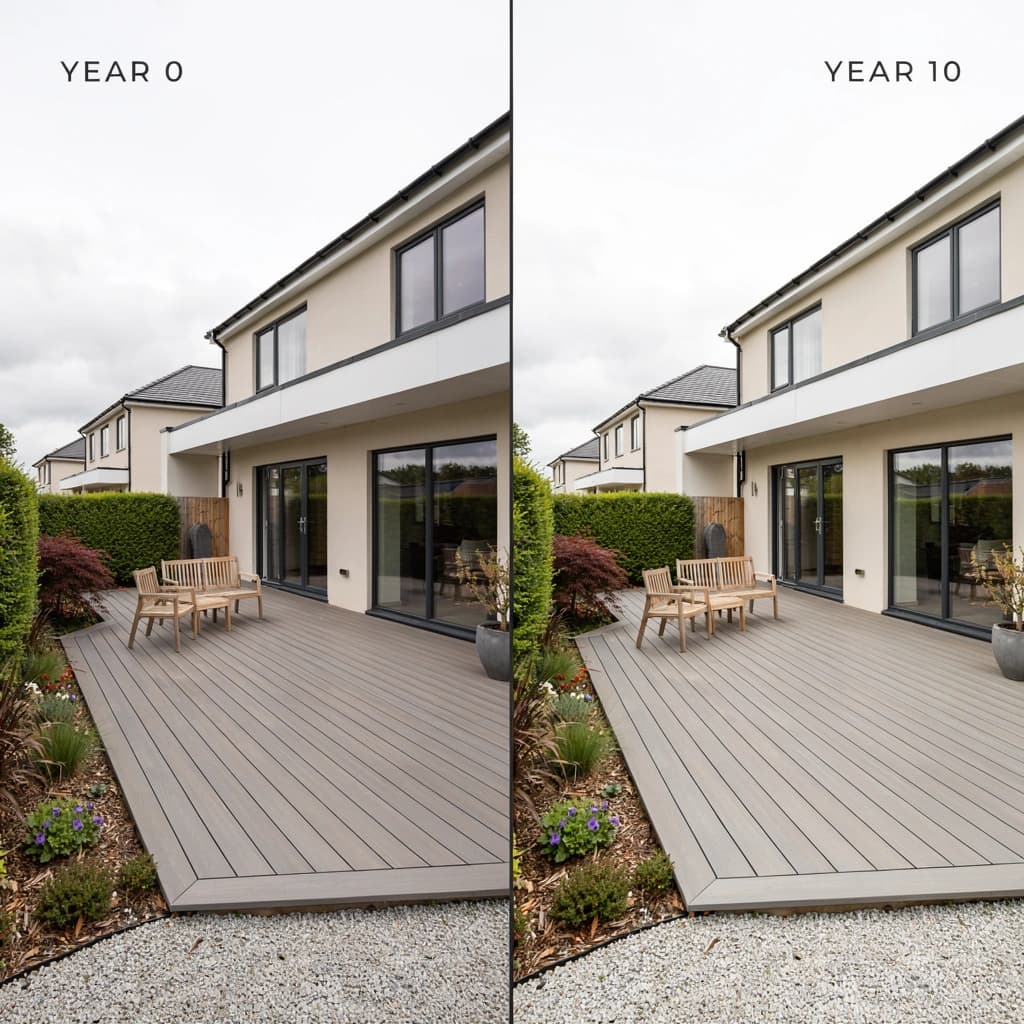
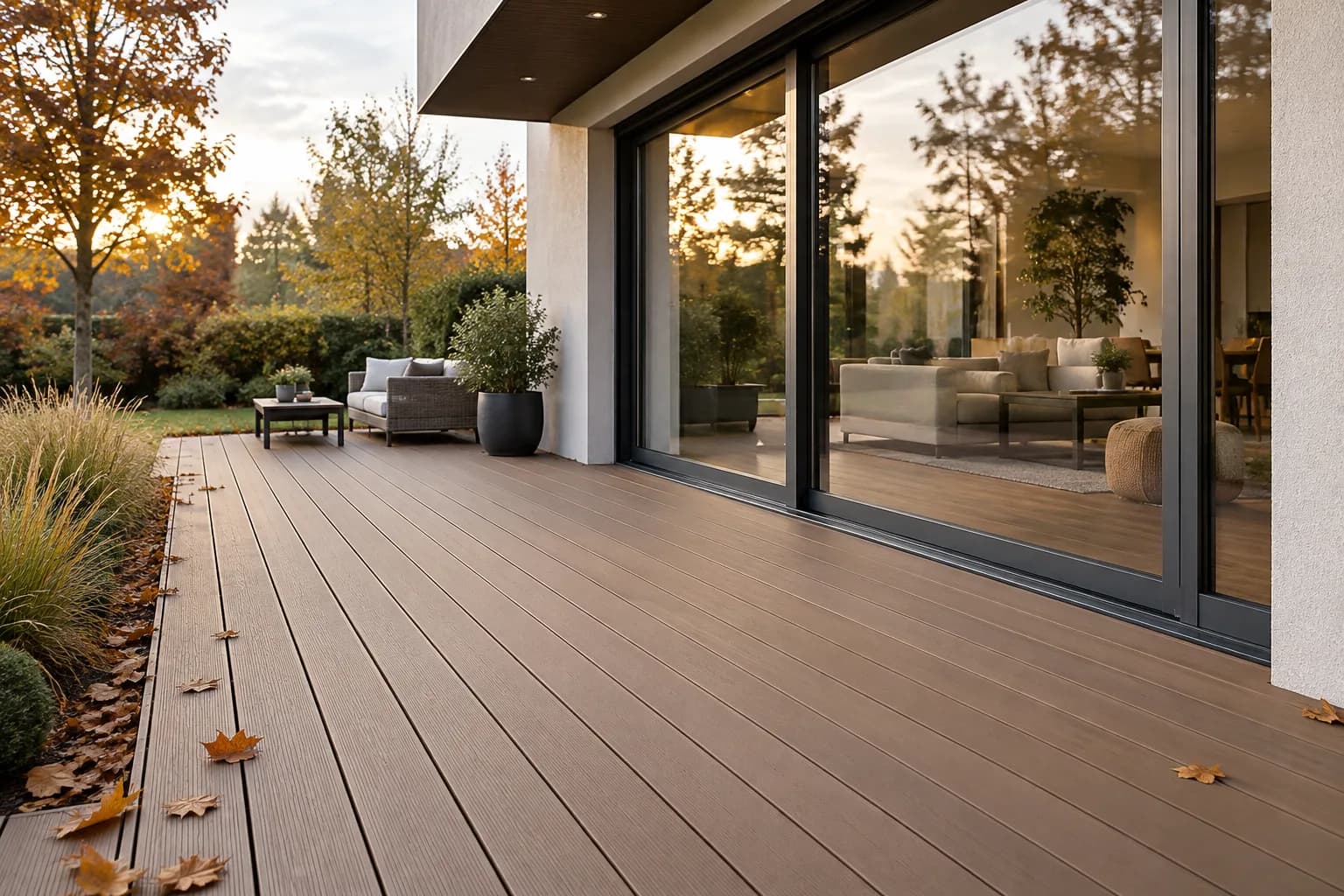
One of the most frequently asked questions by people planning to build a deck is how a composite decking board will look after many years of use. After all, a deck is a long-term investment, so everyone wants to be sure that their chosen material will retain its appearance and functionality for many seasons to come. Modern composite decking boards are designed for many years of use. Unlike timber, they do not need regular painting, preservative treatment or oiling. However, this does not mean they will look exactly the same after 10 years as they did on the day they were installed. Every material naturally ages under the effects of sun, rain, snow and everyday use. What changes might you notice after a decade of use? Does a composite deck still retain its properties? We answer the most frequently asked questions.
Does a composite decking board fade?
This is one of the biggest concerns for people planning to buy decking. Modern WPC composite decking boards contain UV stabilisers that significantly reduce fading. In practice, most manufacturers say that the greatest colour change occurs in the first few months after installation. This is a natural stabilisation process.
After this period, the colour generally remains at a similar level for many years. The rate of change is mainly affected by:
- sunlight intensity,
- the quality of the board,
- the colour of the composite,
- how it is used,
- how regularly it is cleaned.
Low-quality boards can lose their colour noticeably after just a few seasons. Products from reputable manufacturers retain their attractive appearance for much longer.
Will the board still be durable after 10 years?
One of the main advantages of a composite decking board deck is its resistance to weather conditions. A well-made composite deck, installed in accordance with the manufacturer’s recommendations, retains its high mechanical strength even after many years of use. This does not mean, however, that the material is completely indestructible. Durability is affected by, among other things:
- the quality of the frame,
- the correct joist spacing,
- proper installation,
- the use of original fixing clips,
- adequate ventilation beneath the deck.
It is often the frame that determines the durability of the whole system, not just the board itself.

What does the surface look like after years of use?
After around 10 years of use, minor signs of everyday wear may appear on the surface. These are most commonly:
- small scratches,
- slight dulling of the surface,
- natural dirt in the board’s texture.
These do not affect safe use. Regular washing with water and occasional brushing will keep composite decking boards in very good condition, even after many seasons.
Can a composite decking board crack?
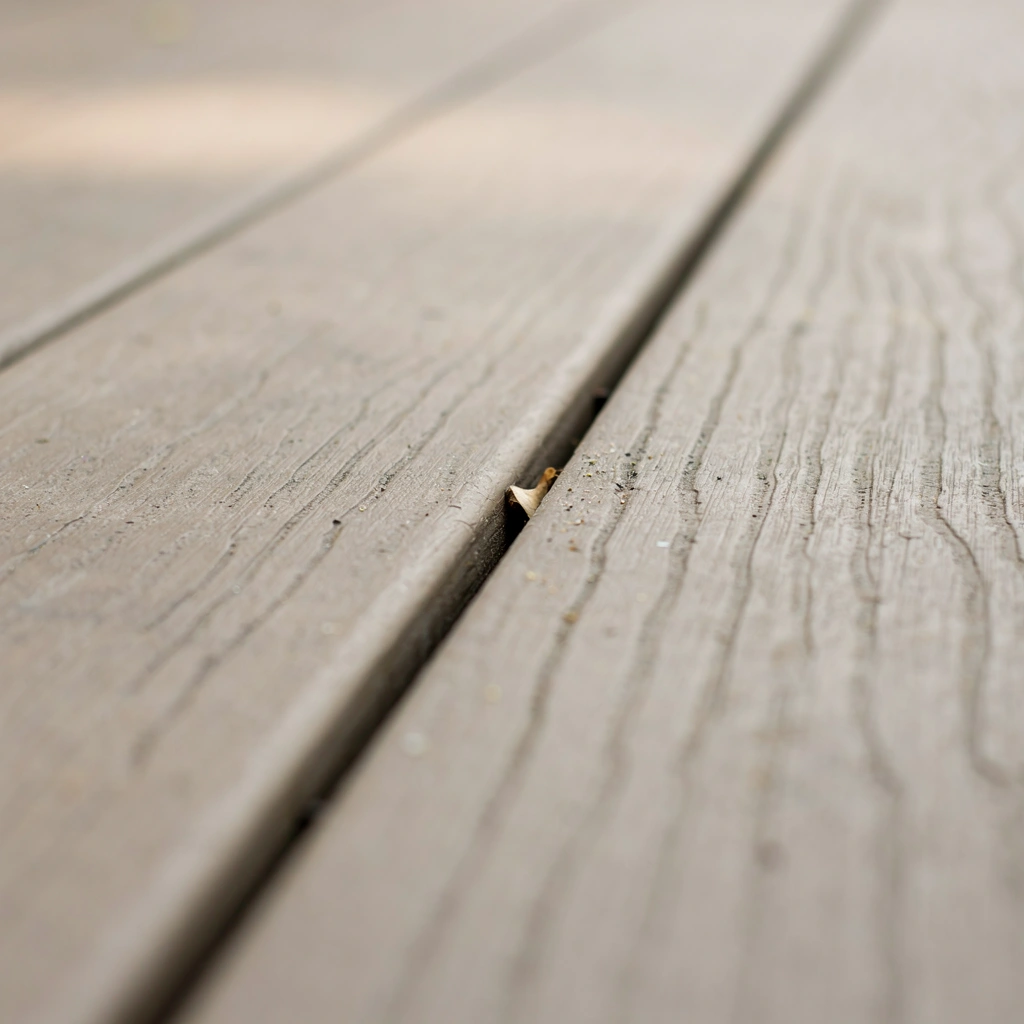
This depends primarily on the product’s quality and how it is installed. A correctly installed composite decking board has suitable expansion gaps that allow the material to move naturally as the temperature changes. Damage is most often caused by:
- a lack of expansion gaps,
- gaps that are too small,
- incorrect installation,
- the use of non-original accessories.
That is why it is so important to use complete installation systems from a single manufacturer.
How do weather conditions affect the board?
Decking is exposed to a range of factors all year round, including:
- UV radiation, rain, snow, frost, high temperatures, moisture.
High-quality composite decking boards are designed specifically for these conditions. However, this does not mean that proper drainage and ventilation of the frame can be neglected.
Does a composite deck need maintenance?
One reason for the growing popularity of composite decking boards is that they require very little maintenance. Unlike timber, they do not need:
- preservative treatment,
- oiling,
- varnishing,
- painting.
In practice, it is enough to:
- remove leaves regularly,
- wash the deck with water,
- use mild cleaning products,
- clean up dirt as it appears.
This helps the surface retain its attractive appearance for many years.
Can moss and mould appear after years of use?
A composite decking board is much more resistant to mould growth than timber. However, biological growth may appear in areas that are constantly shaded and damp, particularly if the deck is not cleaned regularly. To prevent this, it is worth:
- removing leaves,
- ensuring water can drain away,
- maintaining air circulation,
- cleaning the deck several times a year.
Does the frame age faster than the boards?
Very often, yes. In many cases, it is the structural components that cause problems with the deck later on. That is why it is worth choosing:
- aluminium joists,
- high-quality composite joists,
- stainless steel screws,
- original fixing clips.
A solid frame helps keep the deck stable for many years.
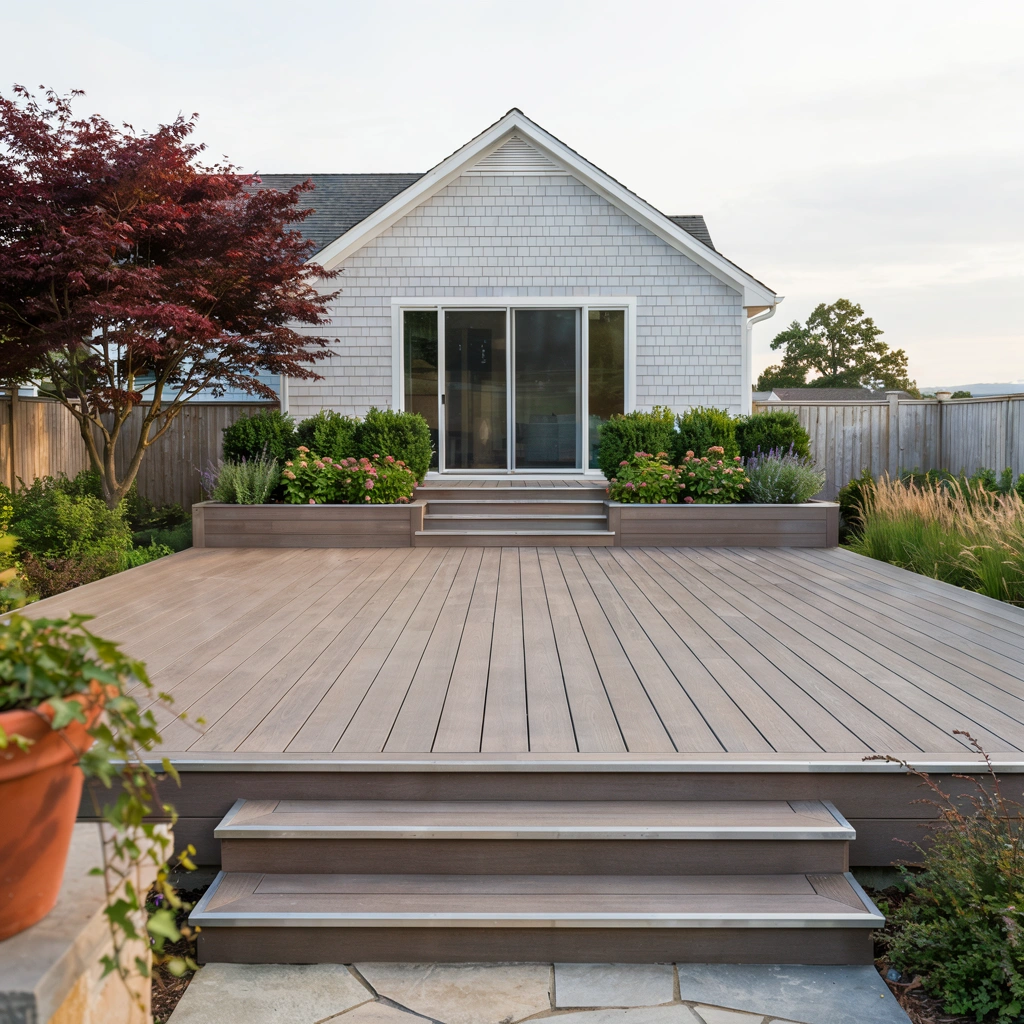
What most shortens the lifespan of a composite deck?
Most often, it is not the material itself, but mistakes made during installation. The most common include:
- a lack of expansion gaps,
- incorrect joist spacing,
- a lack of ventilation,
- inadequate drainage,
- installation on an unstable surface,
- using cheap substitute accessories.
Correct installation has a major impact on the durability of the entire composite deck.
How can you extend the lifespan of a composite decking board?
Although a composite decking board is a very durable material, it is worth following a few simple rules. The most important are:
- choose products from reputable manufacturers,
- use complete installation systems,
- clean regularly,
- remove accumulated leaves and snow,
- do not block water drainage,
- check the condition of the frame every few years.
These steps will help the deck retain its attractive appearance for a very long time.
Timber or composite decking boards after 10 years?
This comparison comes up very often. Traditional timber needs regular maintenance to retain its properties. Without preservative treatment, it may crack, turn blue, warp and develop fungal growth. Composite decking boards do not eliminate the ageing process entirely, but they significantly reduce the amount of maintenance required. In practice, after 10 years, a well-made composite deck usually looks better than a timber deck that has not been maintained regularly.
FAQ.
Does a composite decking board change colour after 10 years?
Yes, but in most cases these are minor, natural changes caused by exposure to UV radiation. The greatest colour stabilisation usually occurs during the first few months of use.
Does a composite deck need to be refinished?
No. Unlike timber, a composite decking board does not need preservative treatment or painting. Regular cleaning is enough.
Can a composite decking board warp?
It can, if it has been installed incorrectly. Maintaining the correct expansion gaps and using system accessories effectively reduces this risk.
How many years does composite decking last?
Many systems offered by reputable manufacturers are designed for years of use. Actual durability depends on the quality of the materials, the construction, the installation method and the conditions of use.
Summary
After 10 years of use, a composite decking board can still look very good, provided it was made from high-quality materials and installed in accordance with the manufacturer's recommendations. Natural colour changes, minor signs of wear or slight surface dulling are normal effects of use and do not mean the material has lost its properties.
If you are planning to build a composite decking, pay attention not only to the appearance of the boards, but also to the quality of the entire system – joists, fixing clips and finishing components. Choosing the right materials and ensuring professional installation have the greatest impact on the durability of your investment. This will help your composite deck remain attractive, functional and resistant to the effects of the weather for many years to come.
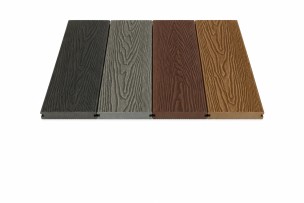
Full Premium composite decking board 20x140 - 5 m
Price for 1 linear metre boards: 26.75 zł
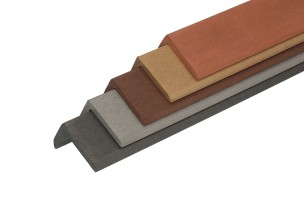
DUO composite angle trim 60x40x4000
Available in 5 trim colours
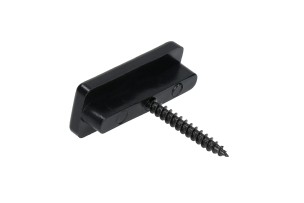
PLASTIC fixing clip + screw (100 pcs)
For boards: DUO | PREMIUM
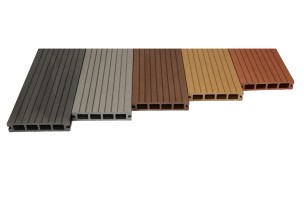
SELECT composite decking board samples 25x140 SET
Colours in the set: honey, copper, chocolate, light grey and graphite.