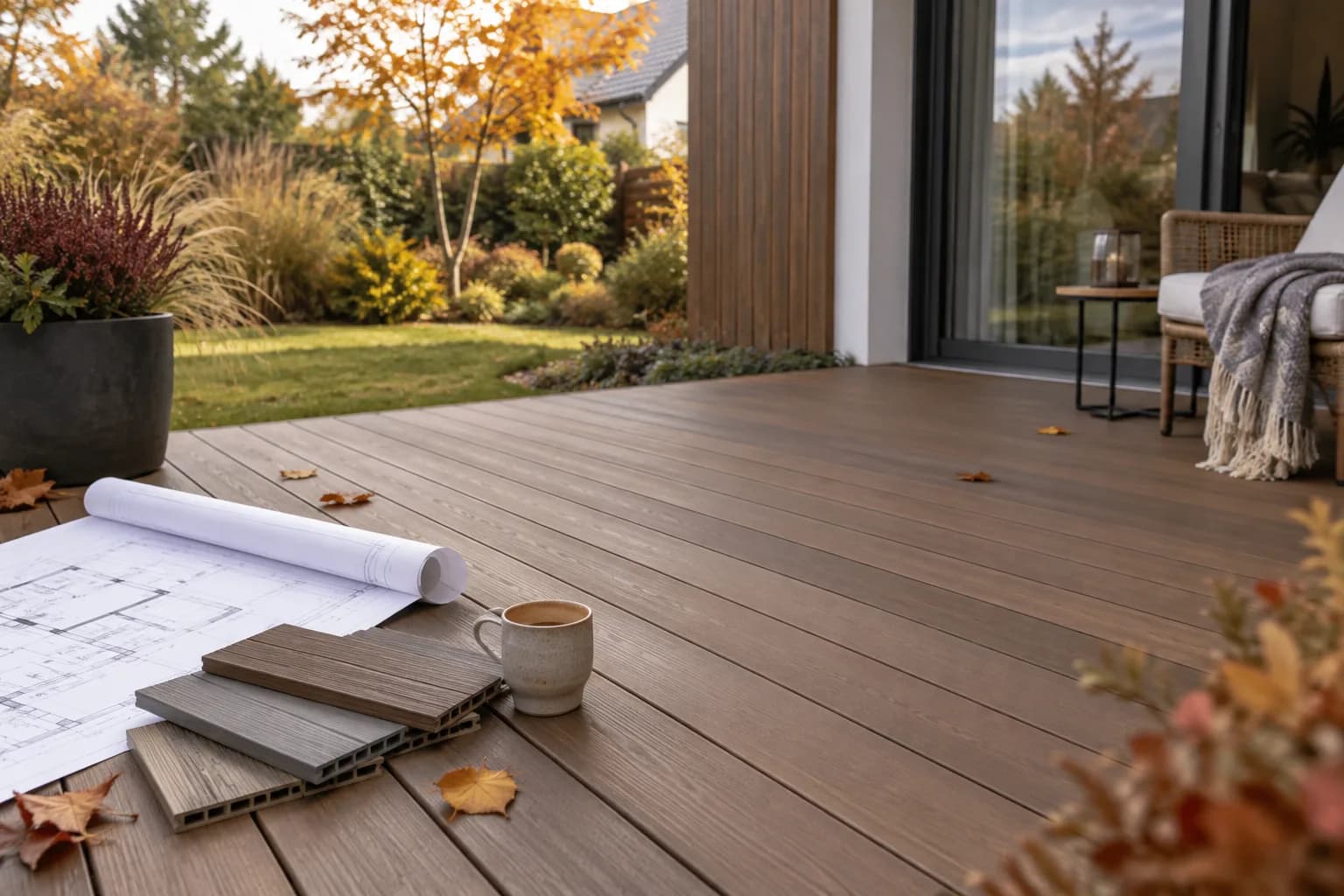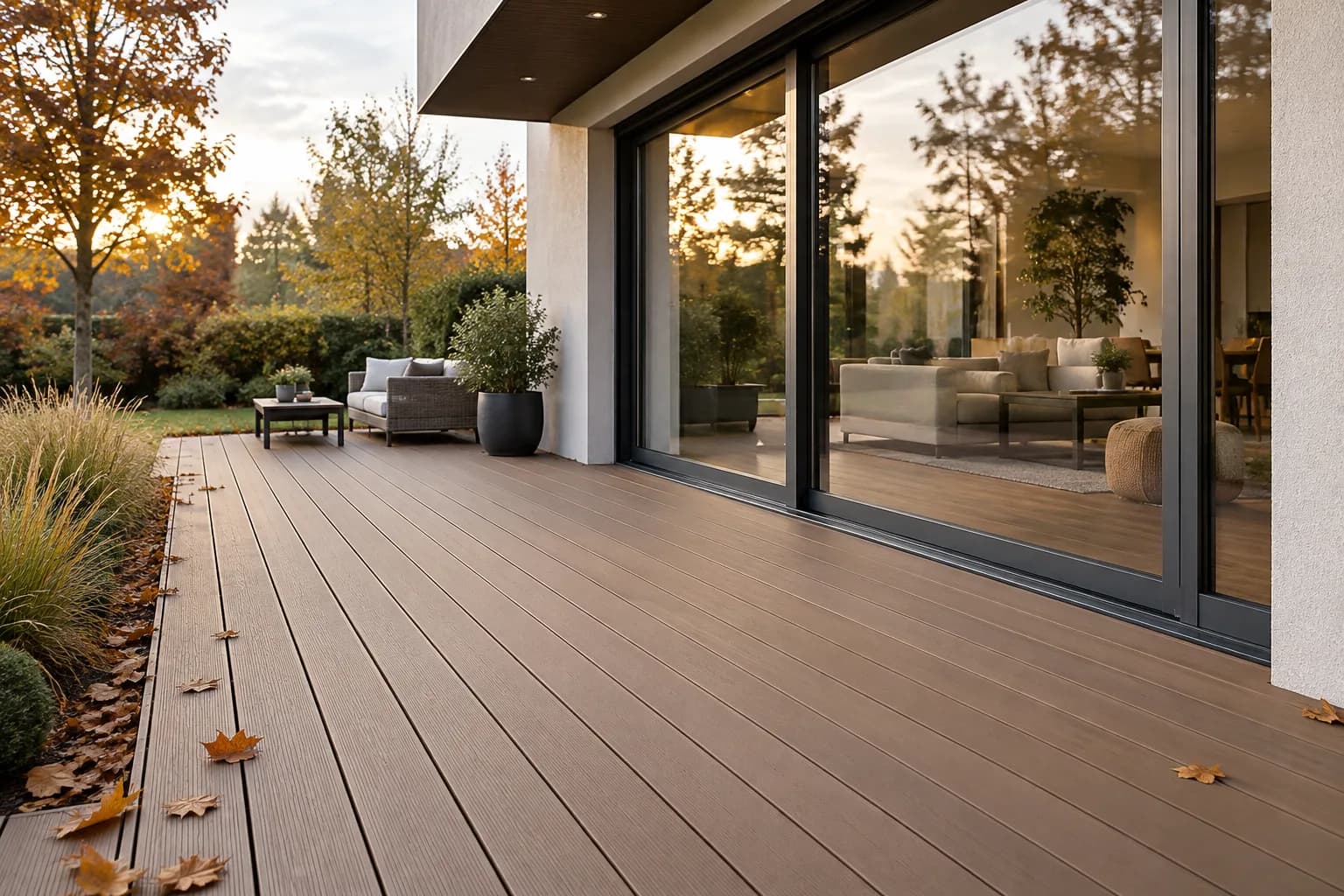
What price changes did 2025 bring for companies installing composite decking?
Did 2025 bring an increase in the cost of composite decking installation services? Find out which factors affected changes in material and labour costs.
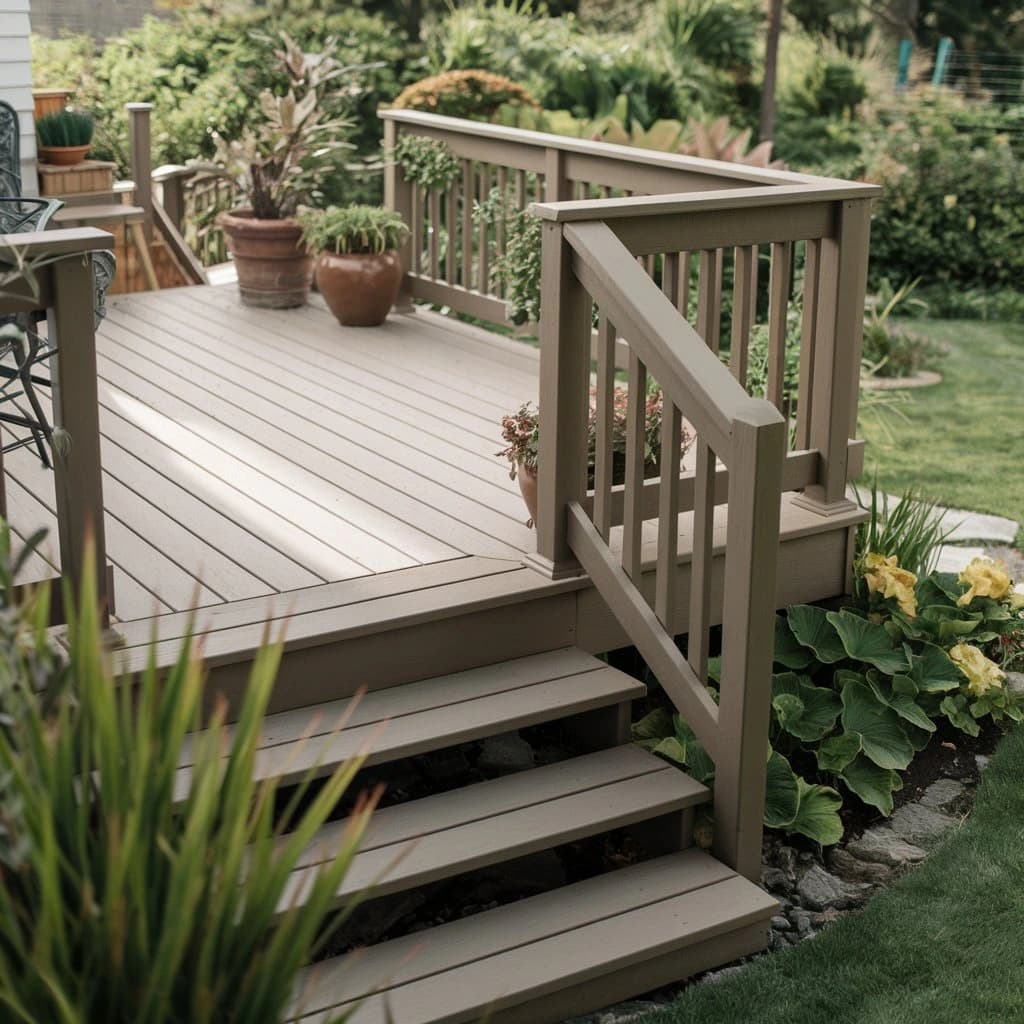
Composite decking has remained consistently popular for several years. It is a solution that combines durability, appearance and low maintenance requirements. In 2025, however, the composite decking installation market experienced significant price changes, affecting both contractors and individual customers. In this article, we analyse what affected the costs of services and materials, and what the outlook is for the coming years.
Rising raw material costs – the main factor behind price changes.
One of the most important factors driving price increases in the composite decking industry in 2025 is the cost of raw materials. Composite, which combines wood and plastics, is affected by the prices of these two key components.
Why have raw material prices risen?
- Rising oil prices: Plastics such as PVC and HDPE are directly affected by oil prices, which rose significantly in 2025 due to global disruption in the energy market.
- More expensive timber: Wood, which is an ingredient in composite, has also become more expensive due to rising demand and restrictions on raw material sourcing related to forest protection policies.
- Transport and logistics: Fuel price rises and disruption to the global supply chain have contributed to higher costs for importing raw materials.
Higher labour costs in the construction industry.
Another factor affecting the cost of composite decking installation is labour. In 2025, a marked increase in wages in the construction sector was observed in Poland and across Europe.
Reasons for rising labour costs:
- Shortage of skilled workers: Fewer and fewer people are choosing installation and construction-related occupations, resulting in higher rates for specialists.
- Rising employment costs: Changes in employment law and higher social insurance contributions have increased the overall cost of employing workers.
- Complexity of projects: Customers increasingly expect more complex decking designs, which require additional time and labour.
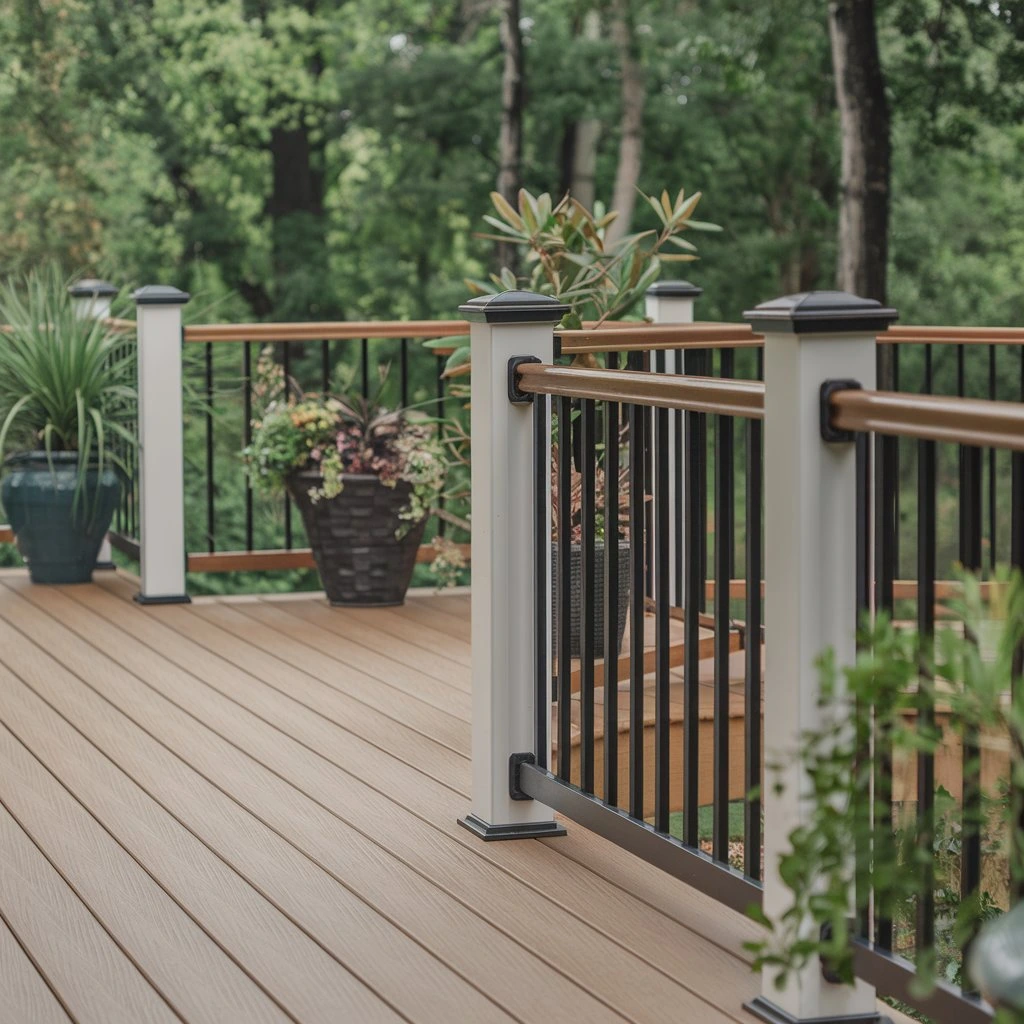
Rising energy prices and their impact on production.
In 2025, rising electricity and gas prices had a significant impact on the cost of producing composite decking boards.
What does this mean in practice?
- Composite production: The production of composite decking boards requires a large amount of energy, so rising electricity prices translate into higher unit costs for the product.
- Transport and storage: Higher energy costs have also affected logistics – storing and transporting materials have become more expensive, which in turn has increased the final price of products.
Growing demand for composite decking.
Despite higher prices, interest in composite decking did not decline in 2025 – quite the opposite. Customers continue to choose this solution because of its many advantages, such as durability, weather resistance and ease of maintenance.
Why is demand growing?
- Eco-friendly approach: Composite decking boards are more environmentally friendly than traditional exotic timber, in line with the trend towards sustainability.
- Style and appearance: Composite decking offers a wide range of colours and patterns to suit modern garden designs.
- More private investment: The COVID-19 pandemic changed people’s approach to spending time at home. Homeowners prefer to invest in decking as a place to relax and meet with family.
Changes in installation service prices.
In addition to increases in the prices of the materials themselves, companies installing composite decking have raised the prices of their services.
Average installation prices in 2025:
- The cost of installing composite decking in Poland ranges from 250 to 400 zł per m².
- In large cities such as Warsaw and Kraków, prices can be even higher due to greater demand and a higher cost of living.
What has led to higher service prices?
- Time-consuming projects: Increasingly advanced designs require more labour.
- Specialist tools: Installing modern composite systems often requires specialist tools, which increases project costs.
Outlook for the coming years: will prices continue to rise?
Experts predict that prices for materials and services related to composite decking installation may continue to rise over the next few years. This is mainly due to:
- Persistently high raw material prices.
- Further increases in labour costs in the construction industry.
- Technological development and the introduction of more advanced composite materials.
At the same time, growing competition in the market may prompt companies to look for ways to lower prices or offer promotions to attract customers.
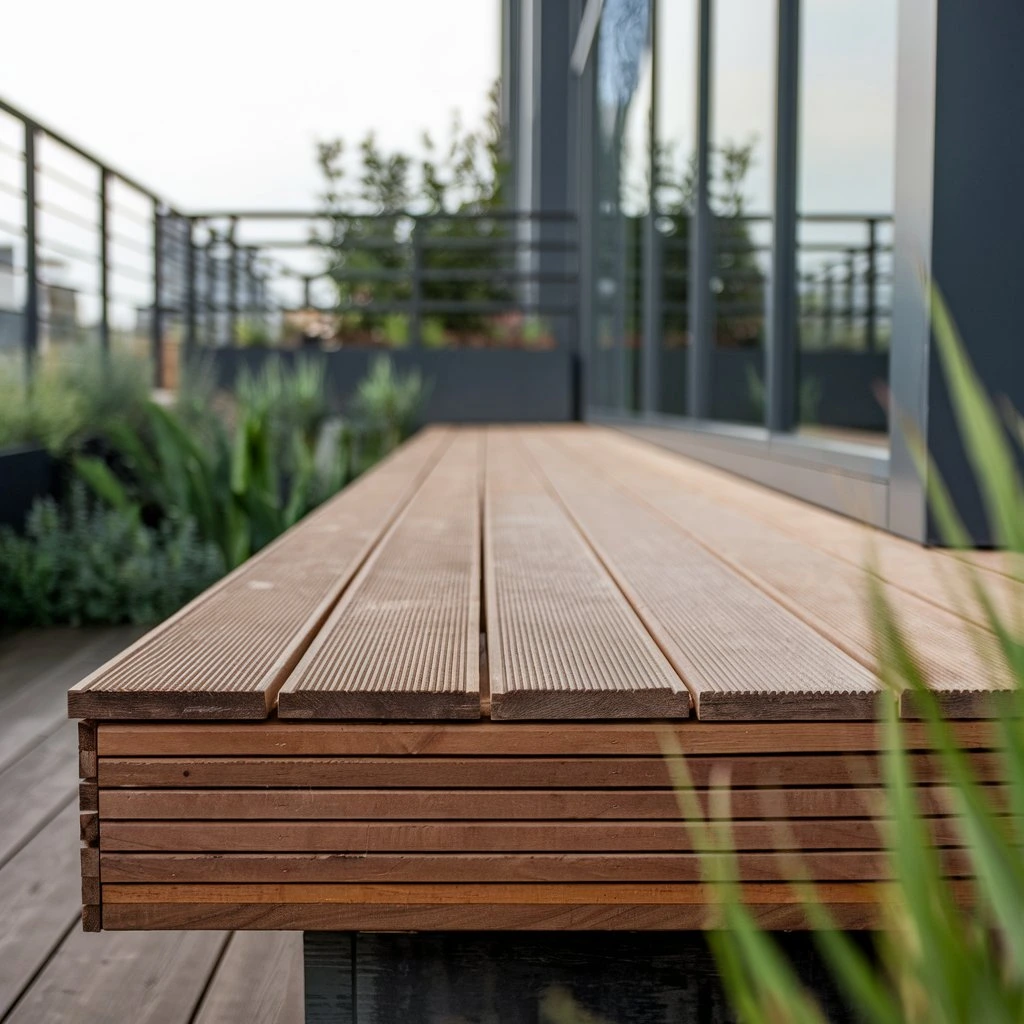
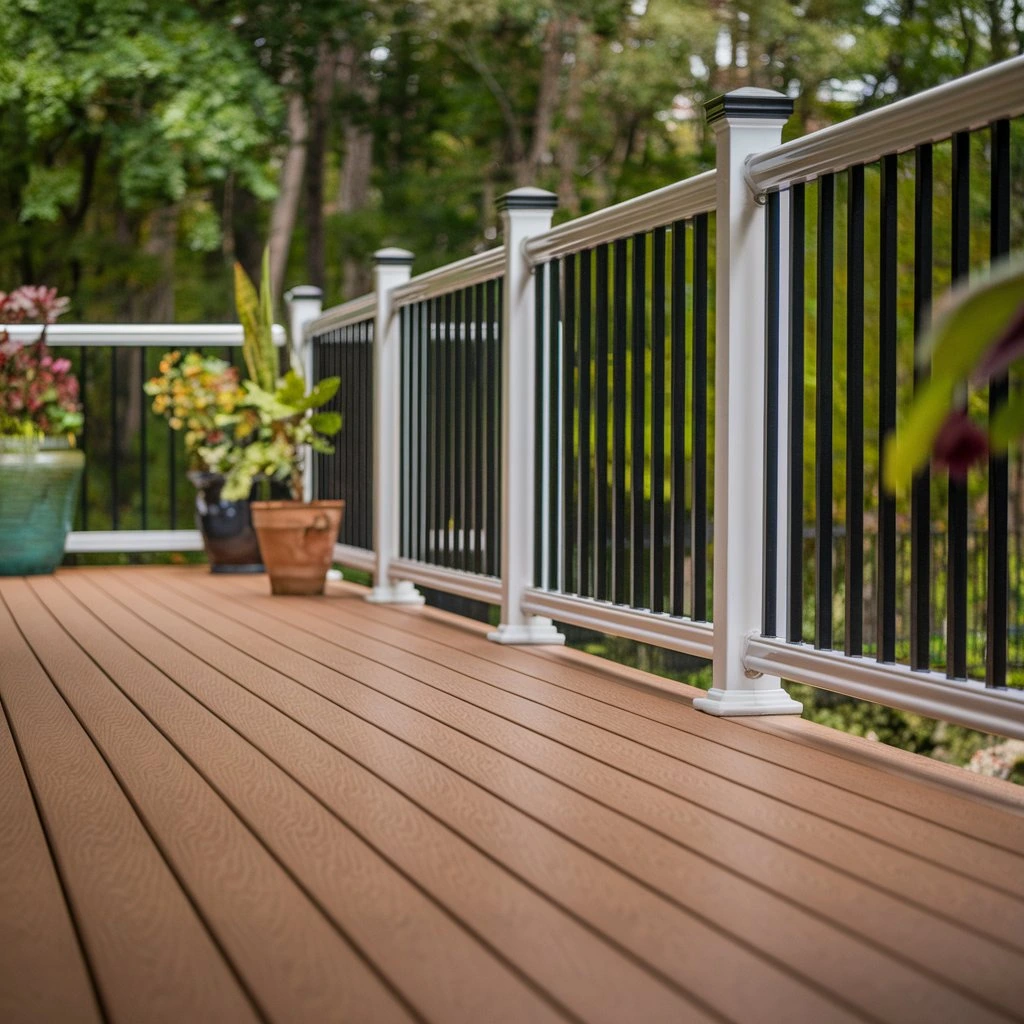
Summary: 2025 and composite decking prices.
2025 brought significant changes to the composite decking market. Rising material prices, higher labour costs and growing customer interest have led to price increases across the industry. Despite this, composite decking remains very popular thanks to its advantages – durability, appearance and low maintenance requirements.
If you are planning to invest in a composite decking terrace, it is worth comparing offers from different companies and choosing the one that offers the best value for money. Remember that a well-built terrace is an investment for years to come!
Do you have questions about the costs or installation process? Leave a comment – we will be happy to help!
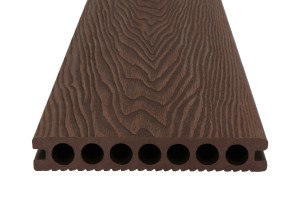
DUO composite decking board 23x148 - 3,5 m
Price per 1 linear metre of board: 21,30 zł
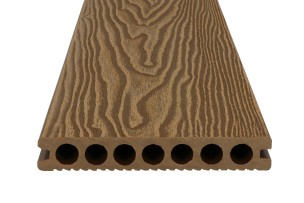
DUO composite decking board 23x148 - 4,0 m
Price per 1 linear metre of board: 21,29 zł
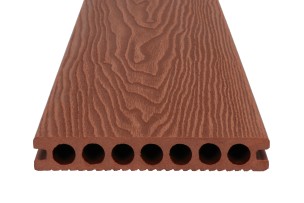
DUO composite decking board 23x148 - 4,5 m
Price per 1 linear metre of board: 21,30 zł
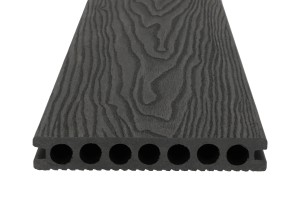
DUO composite decking board 23x148 - 5,0 m
Price per 1 linear metre of board: 21,30 zł