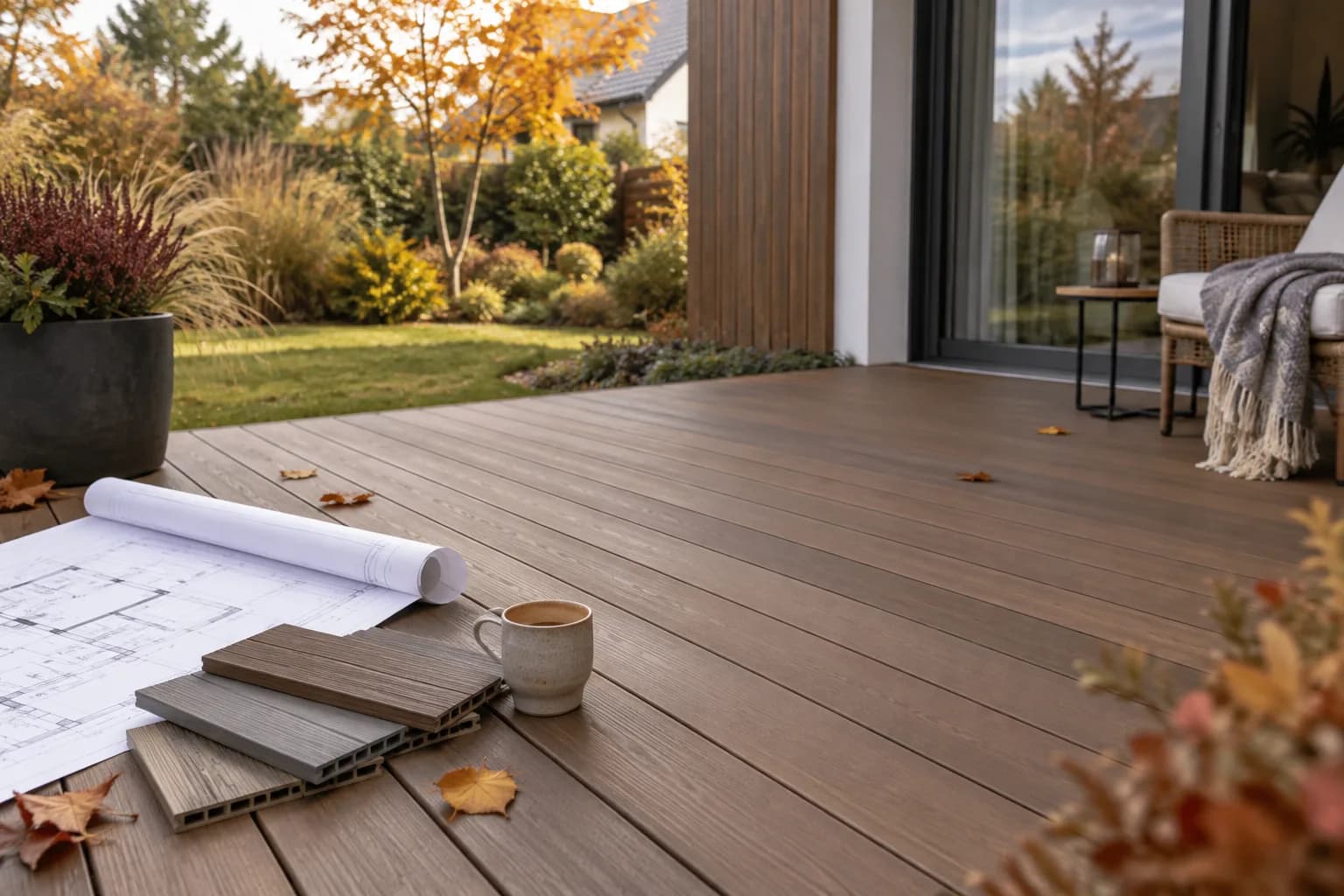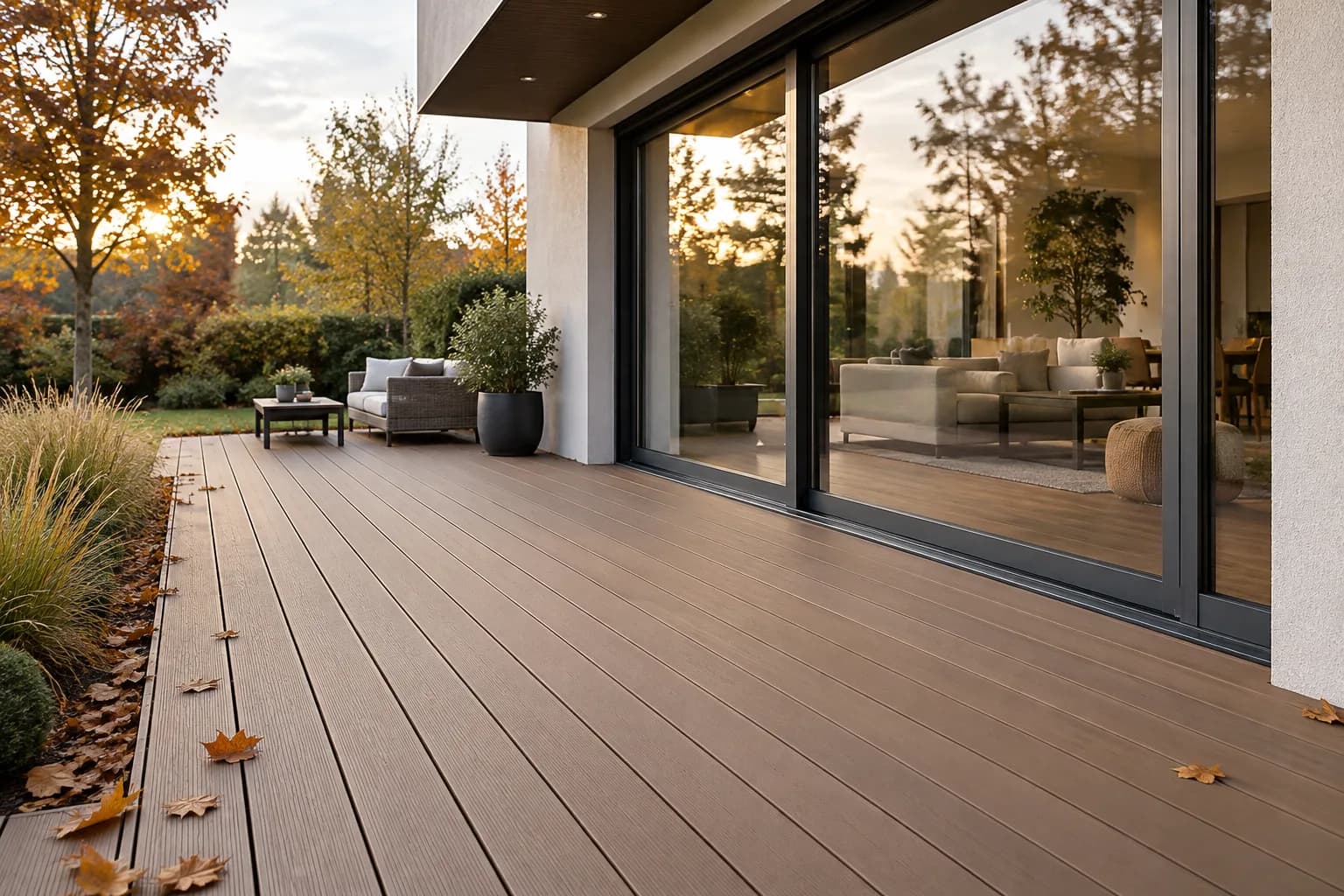
Light or dark decking? How to choose the colour of composite decking boards to suit your house exterior and surroundings.
Looking for the perfect decking colour? Find out how to match composite decking boards to the style of your home and garden. Discover which colours can make a space look bigger.
Light or dark decking? How to choose the colour of composite decking boards to complement your home's exterior and surroundings
Building a deck is a long-term investment that transforms not only the appearance of a building but also the way we spend our free time. Choosing composite decking as a surfacing material is a step towards maximum durability and convenience – no need for annual treatment, resistance to moisture and no dangerous splinters are key benefits. Once the decision about the material has been made, however, investors face another, equally important dilemma: which colour should they choose?
The colour palette of composite decking boards is extremely extensive – from very light, sandy beiges and classic browns to modern graphite shades and deep black. The colour of the deck acts as a link between the interior of the house, its exterior and the surrounding garden. What should you consider to make a choice that will delight the eye for decades?
The home's architectural style as a starting point
The first and most important design principle is cohesion. The deck should not look arbitrarily detached from the building, but should form a natural extension of it.
Modern and minimalist homes
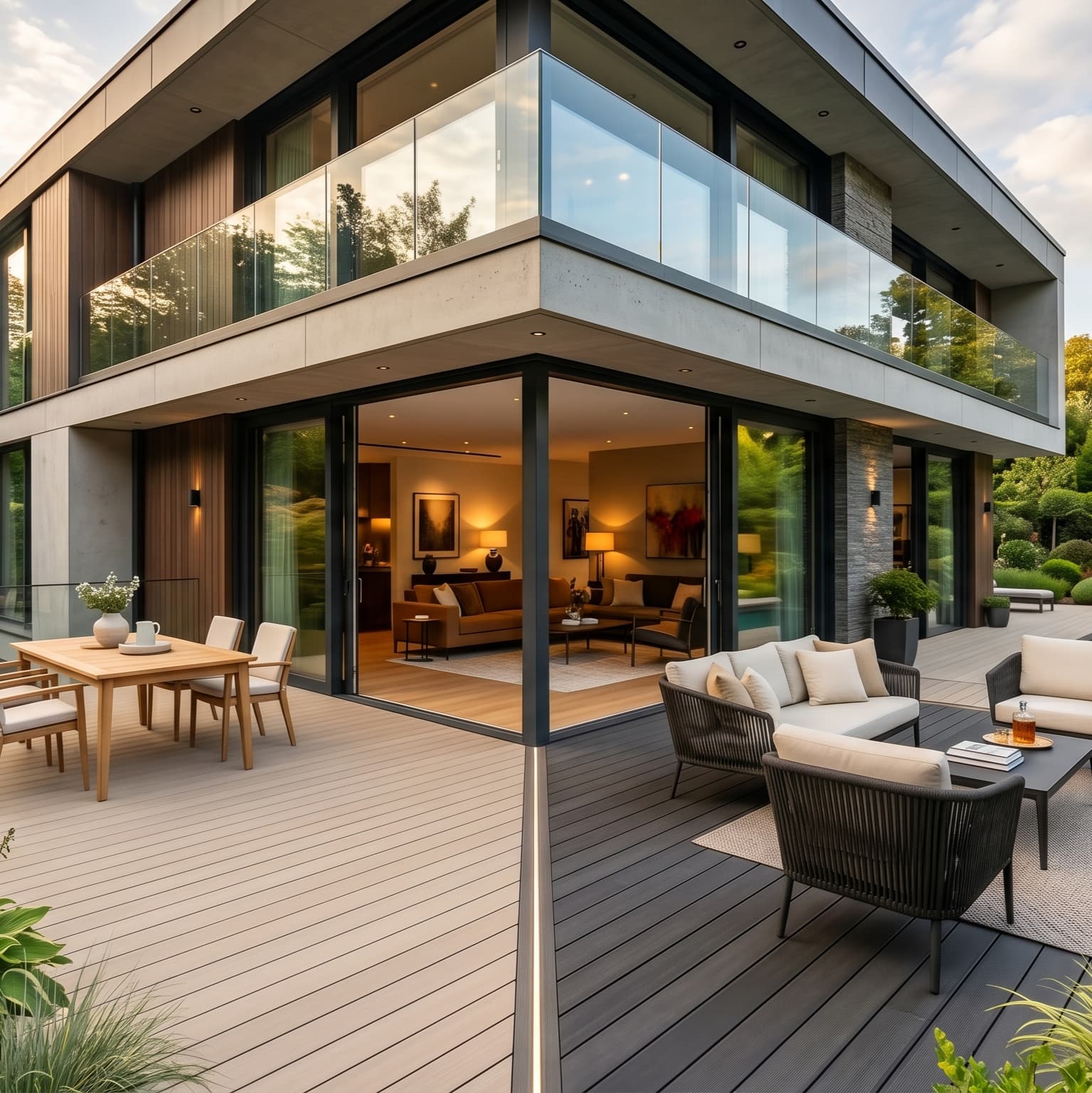
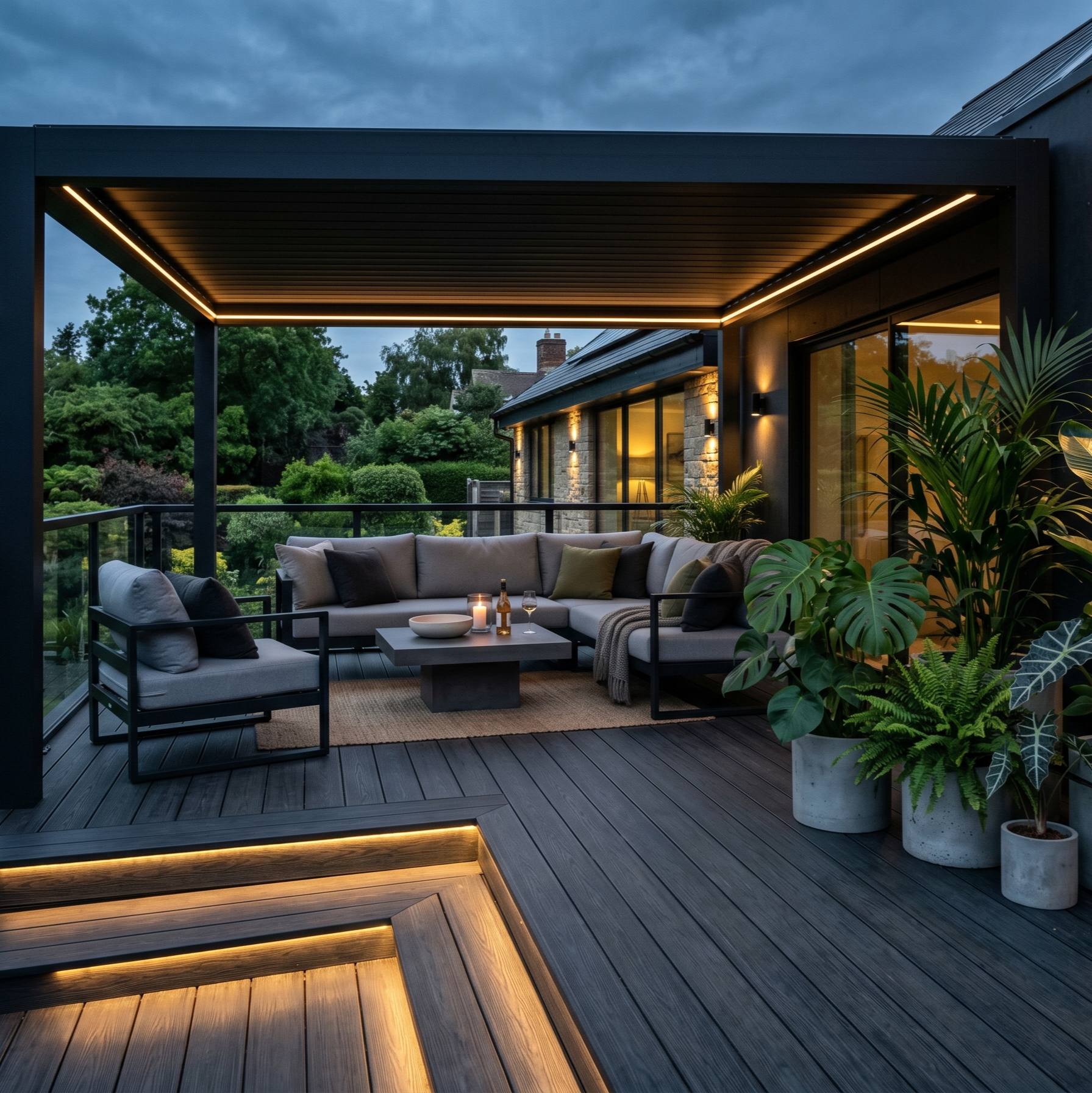
In architecture dominated by large windows, flat roofs and raw materials (concrete, steel and glass), decking boards in shades of grey, graphite and anthracite work particularly well. A dark deck pairs perfectly with white, grey or black render and aluminium window frames. Almost black boards are also an excellent choice, giving the whole space a luxurious feel.
Traditional, rustic and Scandinavian homes
Traditional architecture, roofs covered with red or brown tiles, and details in warm colours naturally call for wood shades – from light oak and warm teak to dark rosewood or chocolate brown. Scandinavian style also works well with light grey boards, which visually brighten the space and are a perfect match for pastel or light-coloured façades.
Light composite decking boards – benefits and uses
Light composite shades (bleached greys, beiges, light oak and sandy shades) are extremely popular, especially in smaller spaces.
A greater sense of space and lightness
Light colours reflect light, making a small deck or narrow balcony seem much larger and more spacious than it really is. If your deck is partially covered or located in a part of the garden that gets little sun, light-coloured boards will brighten it effectively.
Thermal comfort in summer
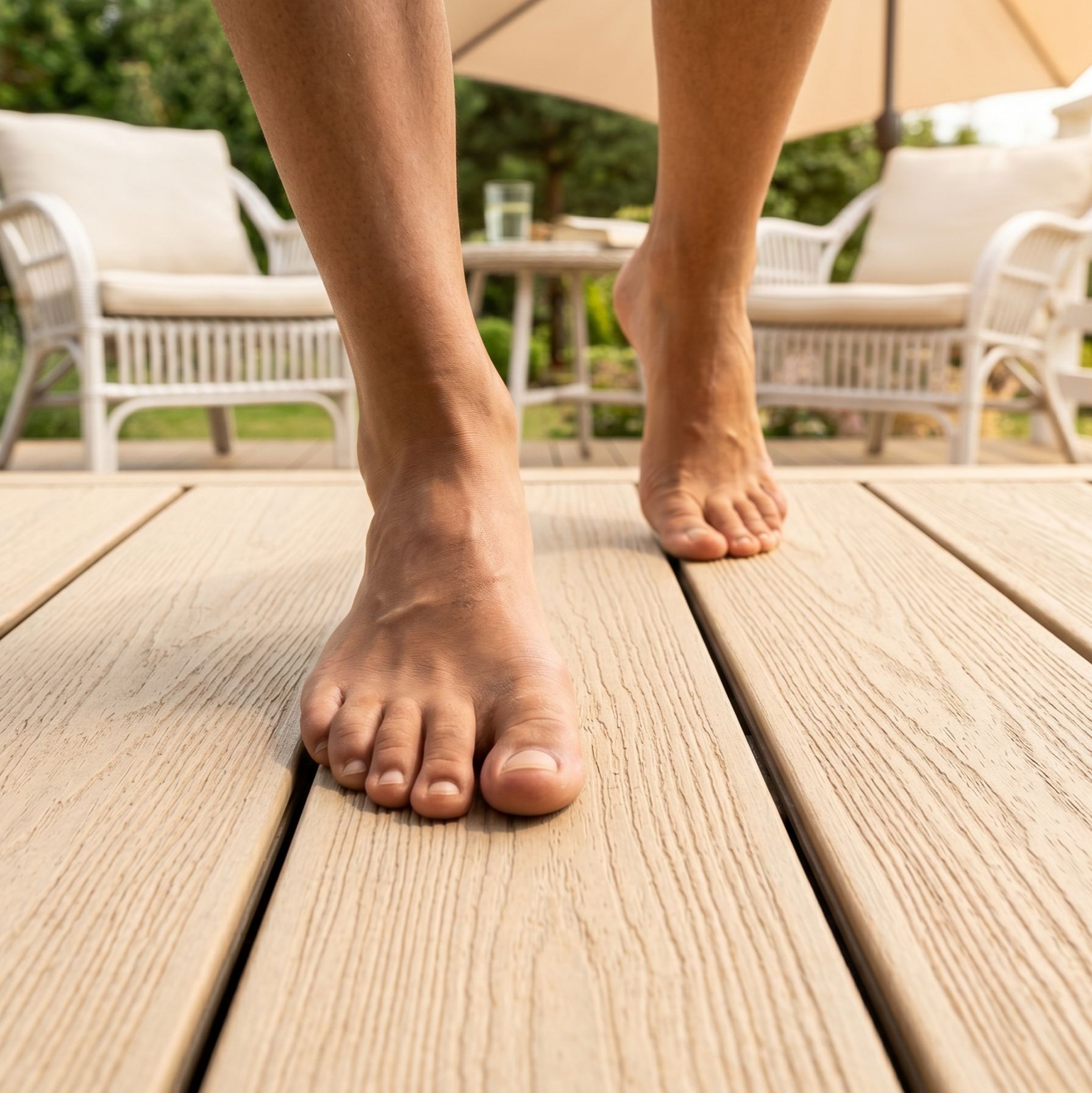
This is a key aspect of material physics. Light surfaces heat up much more slowly and to lower temperatures in the sun than dark surfaces. If you are planning a south-facing deck where household members (including children and pets) will often go barefoot, light composite decking will provide considerably greater comfort on hot summer days.
Visibility of dirt
Plant dust, ordinary dust and rainwater marks are less noticeable on light-coloured boards. It is worth remembering, however, that stains from dark liquids (such as spilled red wine or barbecue grease) will be more visible, although modern polymer coatings on new-generation (so-called co-extruded / 2.0) composite decking boards make them much easier to clean off.
Dark composite decking boards – characterful elegance
Dark decks (anthracite, wenge, deep brown, rosewood) are synonymous with elegance, modernity and architectural boldness.
Striking contrast and elegance
A dark deck provides a fantastic backdrop for contrasting garden furniture and lush greenery. Gold, beige or white accessories look exceptionally luxurious against graphite-coloured boards. This makes it possible to create a relaxation area with the feel of a luxurious open-air living room.
Use and sunlight
When choosing dark boards, you must take the amount of sunlight into account. Dark composite decking exposed to direct sunlight for many hours can heat up to very high temperatures. One solution is to install the deck in a naturally shaded spot beneath trees, use a pergola or awnings, or choose solid boards with a high density, which cope better with heat accumulation.
Tip: The harmony principle for your living room floor
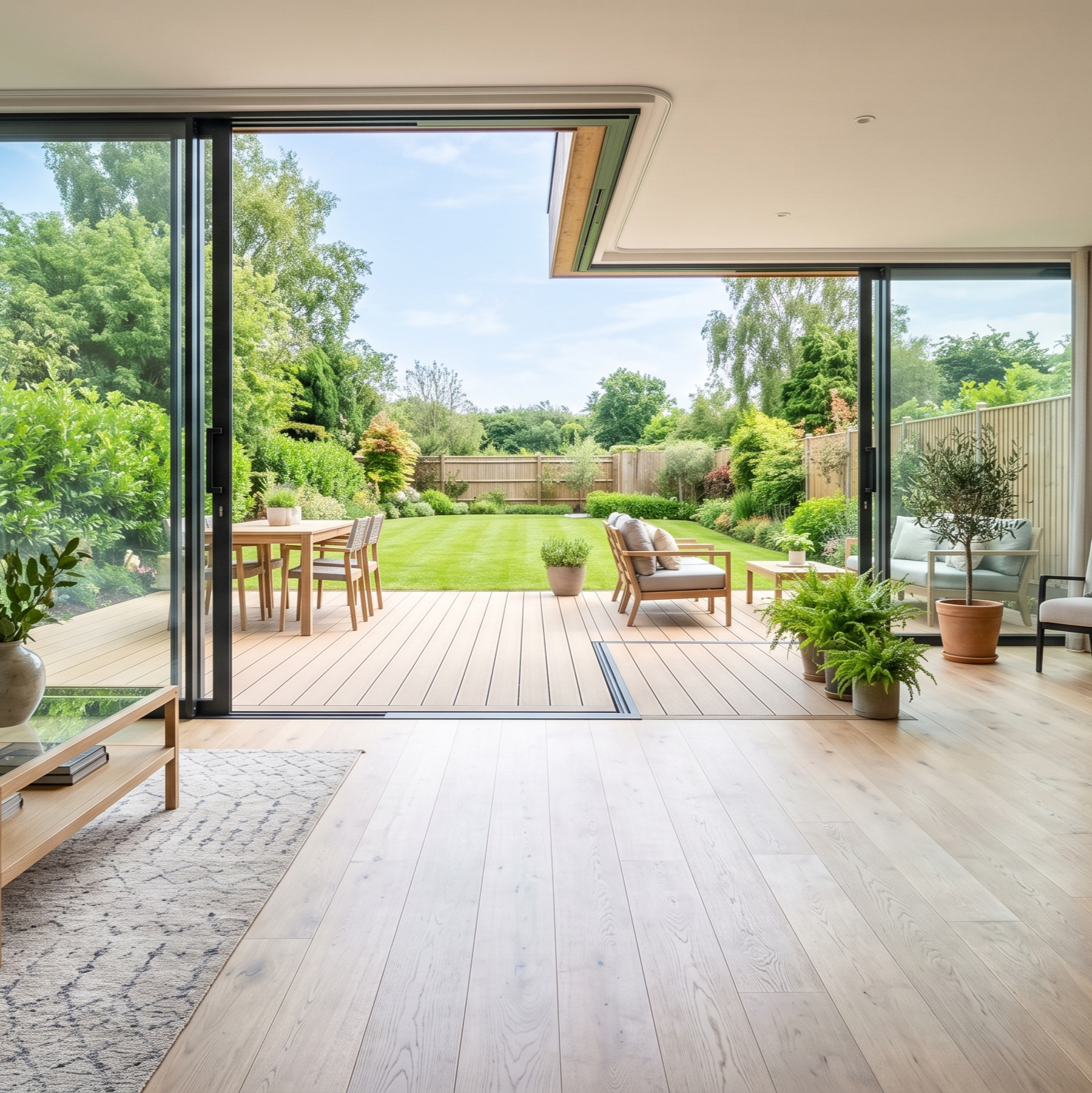
To achieve a fashionable effect of a seamless transition (the so-called blurring of the boundary between the interior and the garden), choose a composite decking board colour to match the colour of your living room floor. If you have light-coloured laminate flooring or tiles in your living room, a light-coloured terrace just beyond the sliding doors will make the room appear to gain extra square metres.
The surroundings of your home and the colour of your terrace
When designing your terrace, take a broader view – look beyond the building's walls. Consider what is in the immediate surroundings. If the area around your home is dominated by driveways and paths paved with grey granite setts, a graphite or light grey terrace will be an excellent choice. If, on the other hand, your plot is surrounded by a dense pine forest or a traditional wooden fence, natural, warm browns will help the house blend harmoniously and unobtrusively into the existing landscape.
Whatever colour you choose, the key to success is the quality of the decking board itself and the precision of the construction. Incorrect expansion gaps or improper ground preparation will spoil the charm of even the most beautiful colour.
FAQ
Do composite decking boards get very hot in the sun?
Like any material exposed to direct sunlight (including wood and paving stones), composite absorbs heat. How hot it gets depends mainly on the colour of the decking board – dark shades (anthracite, wenge) get hotter than lighter versions (beige, light grey). If your terrace is to be built on the south side and you plan to walk on it barefoot, we recommend choosing lighter shades or installing a canopy (e.g. a pergola).
How should I care for a composite terrace? Does it require special maintenance?
This is one of the greatest advantages of composite – maintenance is kept to a minimum. Simply sweep the terrace regularly and wash it with water and a mild detergent (e.g. washing-up liquid), using a pressure washer or a rice-bristle brush. You don't need to buy expensive oils or wood preservatives.
How long does it take your company to install a terrace?
It all depends on the area and the complexity of the project (steps, pool edging, irregular shapes). We usually install a standard 30–40 m² terrace at a private home on a previously prepared base in 1 to 2 working days.
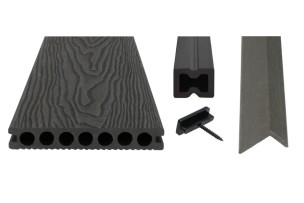
DUO composite system for a 50m2 terrace - GRAPHITE
DUO composite system designed for a terrace measuring 5m x 10m
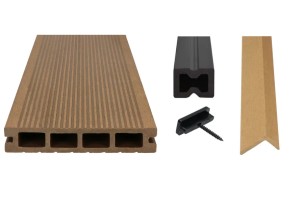
SELECT composite system for a 50m2 terrace - Honey
Composite system designed for a terrace measuring 5m x 10m
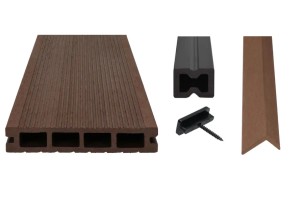
SELECT composite system for a 30m2 terrace - Chocolate
Composite system designed for a terrace measuring 5m x 6m
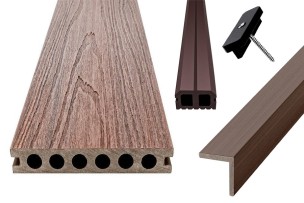
PREMIUM composite system for a 20m2 terrace - DARK BROWN
PREMIUM composite system designed for a terrace measuring 4m x 5m