
DIY Composite Planters from Offcuts – How to Use Leftovers to Create Something Durable?
Discover how to make your own composite planters from offcuts left over after installing a terrace or cladding. Practical tips, zero waste and creativity all in one!
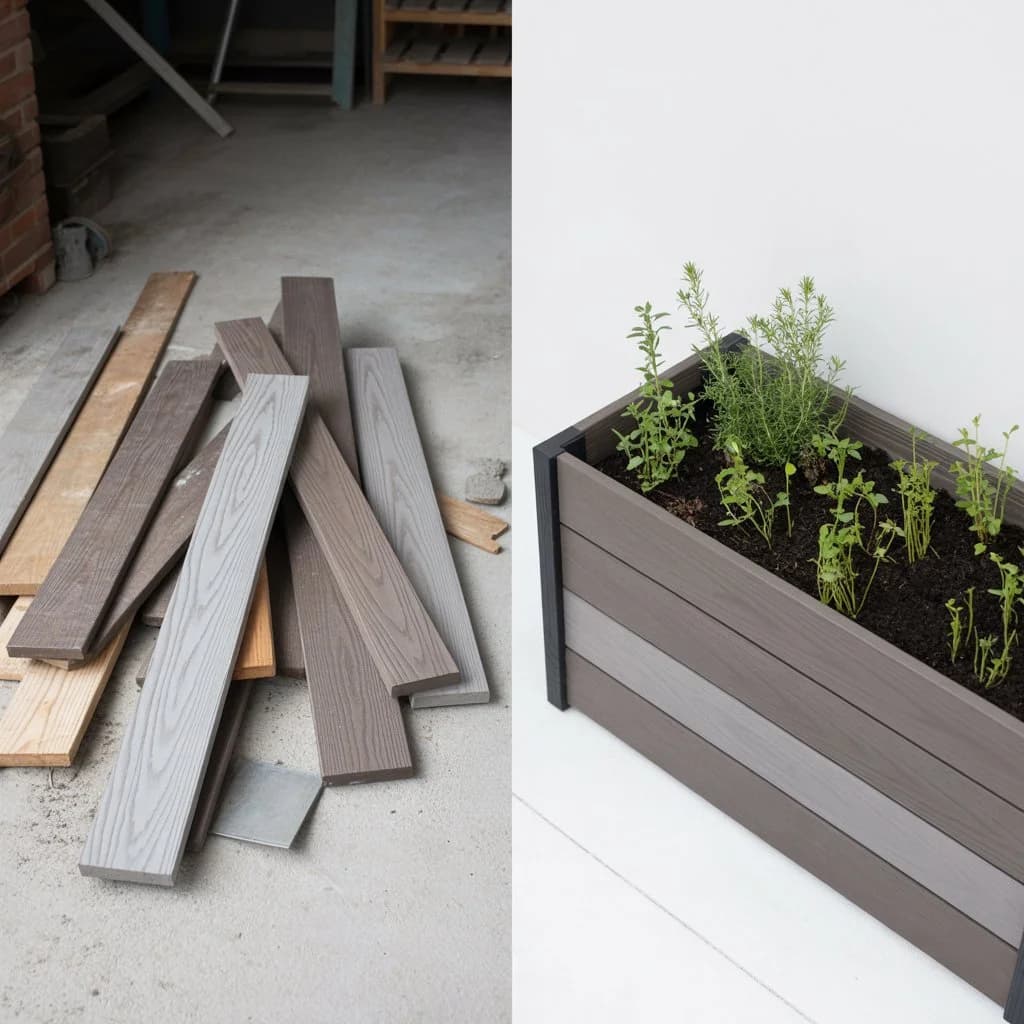
Why reuse leftover composite material?
Do you know that feeling when, after finishing a big project – such as installing a patio or a composite decking board façade – you’re left with lots of offcuts that are "too good to throw away", but you don’t know what to do with them? Exactly! The good news is that composite material is ideal for reuse. It is durable, weather-resistant and easy to work with. That’s why making planters from it is a brilliant idea.
Advantages of composite decking boards in DIY projects:
- They do not become mouldy or rot like wood.
- Resistant to rain, snow and UV rays.
- They do not require treating or painting.
- They are easy to clean.
- They have a modern, attractive appearance.
And best of all? Reusing them is a great step towards zero waste!
How to design a planter from composite decking boards?
Before you pick up the screwdriver, it’s worth thinking a few things through:
1. What materials do you have?
Check exactly how many offcuts you have and what kind: lengths, shapes and colours. This will determine whether you make a small balcony planter or a large garden box.
2. Which plants do you want to grow?
Some plants have extensive root systems, while others need plenty of space. If you plan to grow lavender, ornamental grasses or small conifers, the planter should be suitably deep and stable.
3. Style and functionality.
Do you want the planter to be purely practical, or could it also be a decoration for your patio? Perhaps you’ll add castors? Or a seat? Feel free to get creative – composite material offers plenty of possibilities.
What will you need?
Tools:
Screwdriver, drill, saw for cutting composite material (manual or electric), tape measure, set square, carpenter’s pencil, work gloves.
Materials:
Offcuts of composite decking boards, stainless steel screws for composite material, aluminium profile (optional, to reinforce the corners), geotextile membrane or studded membrane (for the base), drainage grid (optional), stones, expanded clay aggregate, soil, plants.
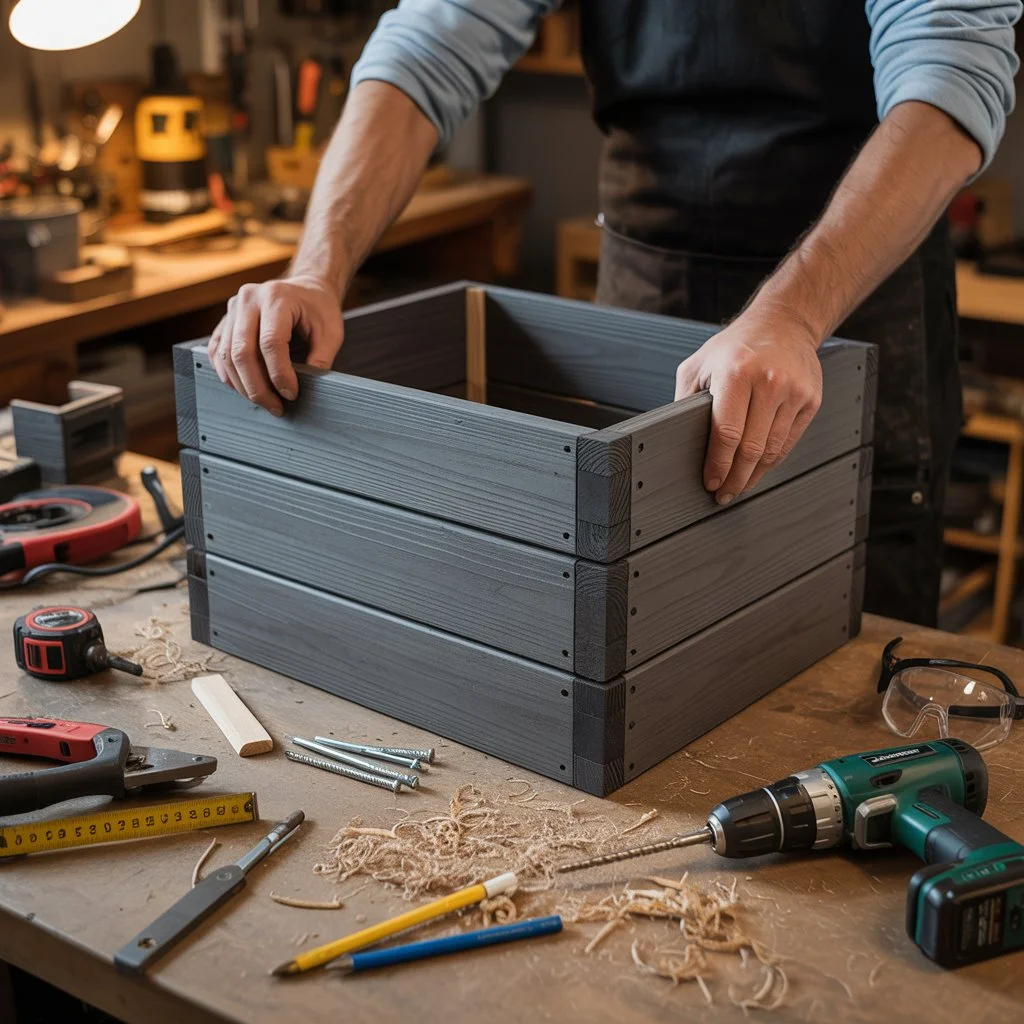
Step by step: How to make a DIY composite planter?
Step 1: Preparing the design.
Draw a simple sketch. Decide on the dimensions. Work out how many boards you need for the sides, base and any reinforcements.
Step 2: Cutting the boards.
Cut the components to match your design. Remember to keep the angles square – this is key to a stable construction.
Step 3: Assembling the sides.
Join the sides of the planter with screws to create a box without a base. For greater durability, add corner brackets or aluminium profiles at the corners.
Step 4: The planter base.
You can make the base from the same composite decking board or use a plastic grid. Be sure to make several holes for water drainage.
Step 5: Protecting the inside.
Spread expanded clay aggregate on the base and line it with geotextile membrane or studded membrane – this will prevent the soil from coming into direct contact with the composite material and extend its lifespan.
Step 6: Planting.
Add soil, plant your plants, water them… and you’re done!
How to care for composite planters?
You don’t need to paint or treat them – that’s a huge advantage. However, it’s worth washing them with water and a mild detergent from time to time, especially after the winter season. Avoid using pressure washers, as they may damage the surface texture.
Which plants thrive in composite planters?
There’s plenty to choose from, but here are a few suggestions that look great and grow well in these planters:
- Lavender – smells lovely and repels mosquitoes.
- Ornamental grasses – a modern look and low maintenance.
- Herbs (basil, mint, rosemary) – practical and aromatic.
- Dwarf conifers – long-lasting and attractive all year round.
- Geraniums and surfinia petunias – classics for balconies and patios.
Styling ideas and inspiration.
- Industrial-style planters – combine composite material with metal elements.
- Rustic boxes – add wooden handles or weathered boards.
- Modern modules – build several planters of the same size and place them next to one another.
Frequently asked questions (FAQ).
Is composite material suitable for planters all year round?
Yes! Composite decking boards are resistant to frost, moisture and UV radiation.
Do composite planters need to be painted?
No, that’s completely unnecessary. Composite material does not require additional chemical protection.
What can I do to make the planter stable?
Add reinforcements at the corners and make sure the right base. If the planter is to stand on a balcony, you can screw it to the railing.
Can I add wheels or handles?
Of course! Composite material is easy to drill through – you can fit anything you need.
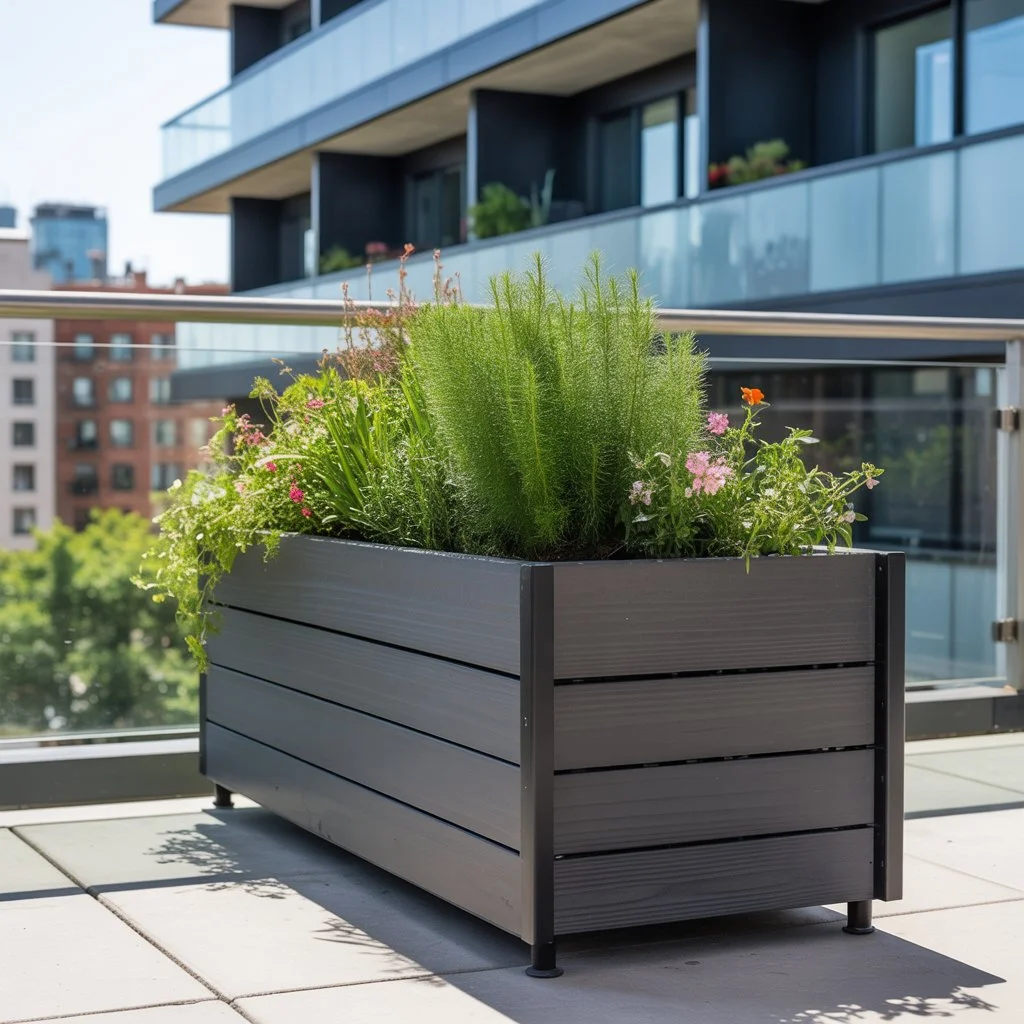
What next?
Reuse instead of throwing away! Composite decking boards left over after installation are ideal for making eco-friendly, durable and stylish planters. You’ll not only save money, but also do something good for the planet. And while you’re at it... you’ll have great fun making something yourself.
You don’t need extensive skills or expensive equipment – just a little enthusiasm, leftover materials and a few hours of free time.
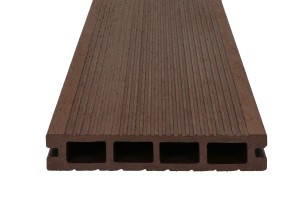
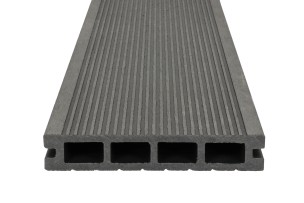
SELECT composite decking board 25x140 - 3,5 m
Price per 1 m of board: 17.27 zł
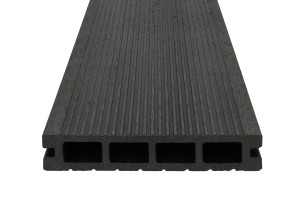
SELECT composite decking board 25x140 - 5,0 m
Price per 1 m of board: 17.27 zł
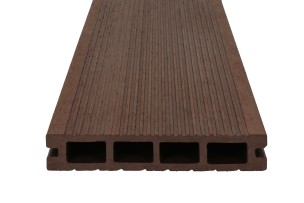
SELECT composite decking board 25x140 - 2,25 m
Price per 1 m of board: 17.27 zł
SELECT composite decking board 25x140 - 1,8 m
Price per 1 m of board: 17,27 zł



