
Composite fencing panels – modernity and durability for years to come.
Discover why composite fencing panels combine modern style with lasting durability. Attractive, weather-resistant and easy to maintain – the ideal fence for years to come.
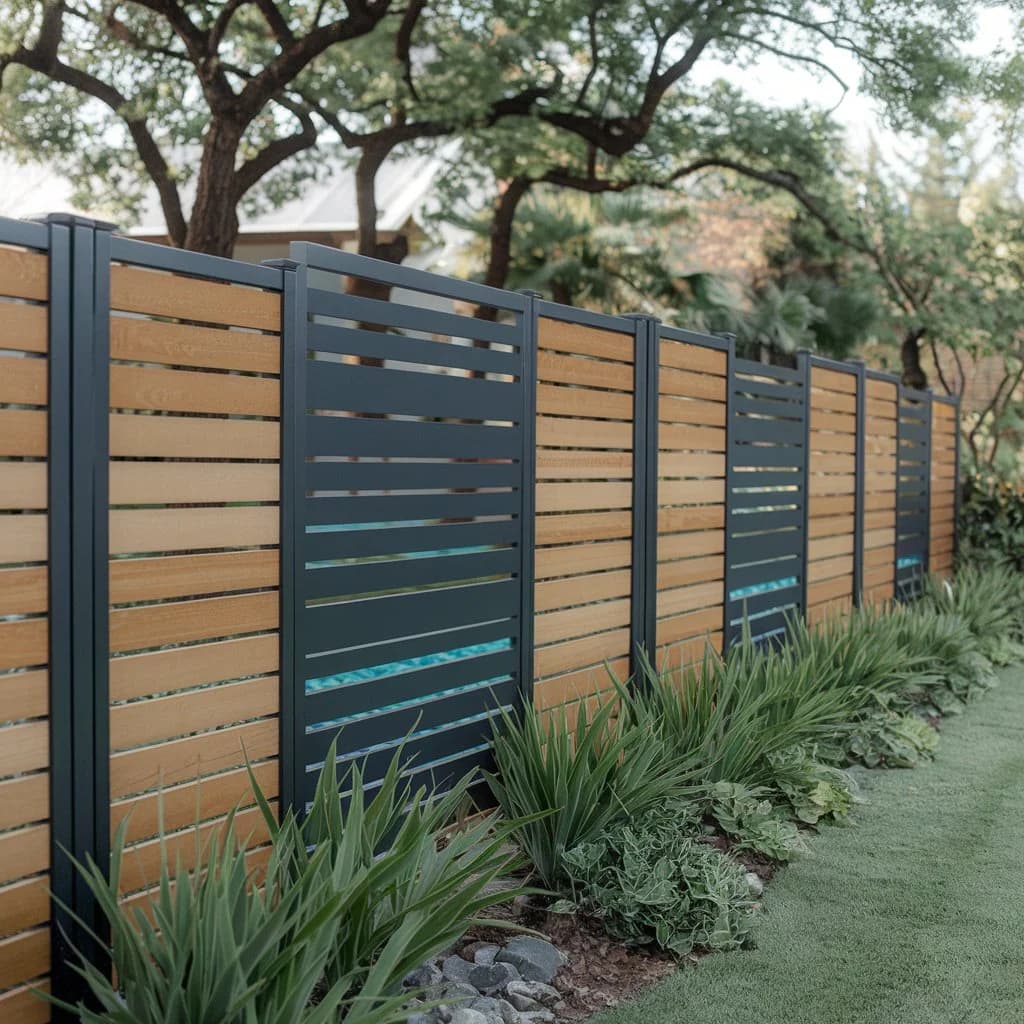
Choosing the right fence is a key decision that will affect both the appearance and functionality of your property for many years. Traditional wooden fences are gradually becoming a thing of the past, making way for modern, more durable and safer solutions such as composite fence panels. Composite is an innovative material that combines the aesthetic appeal of natural wood with the strength and resistance of plastics, making it an ideal choice for anyone looking for a durable and elegant fence. In this article, we take a closer look at composite fence panels – we’ll explore their main advantages, how they compare with other materials, and why this modern solution is worth investing in.
What are composite fence panels?
Composite fence panels are fencing systems made from composite material, produced from a mixture of wood fibres and plastics (most commonly high-density polyethylene, known as HDPE). This combination gives the material the natural appearance of wood and the strength of plastic, making it exceptionally durable and resistant to external factors such as moisture, UV radiation and changing temperatures.
The main advantages of composite fence panels.
1. Durability and resistance to weather conditions.
One of the greatest advantages of composite fence panels is their durability. Thanks to advanced manufacturing technology, these panels are resistant to moisture, frost, rain and UV radiation. Unlike traditional wood, which requires regular maintenance and is susceptible to mould, rotting and fading in the sun, composite panels retain their appearance and properties for many years without requiring any maintenance.
Moisture resistance – composite does not absorb water, making it resistant to rot and deformation caused by changes in humidity. This is particularly important in climates with high levels of rainfall, where traditional wooden fences quickly lose their functionality and appearance.
UV resistance – composite panels are protected against fading in the sun. This means their colour does not change over time, giving them a significant advantage over wood, which requires regular painting or treatment with preservative.
2. Minimal maintenance.
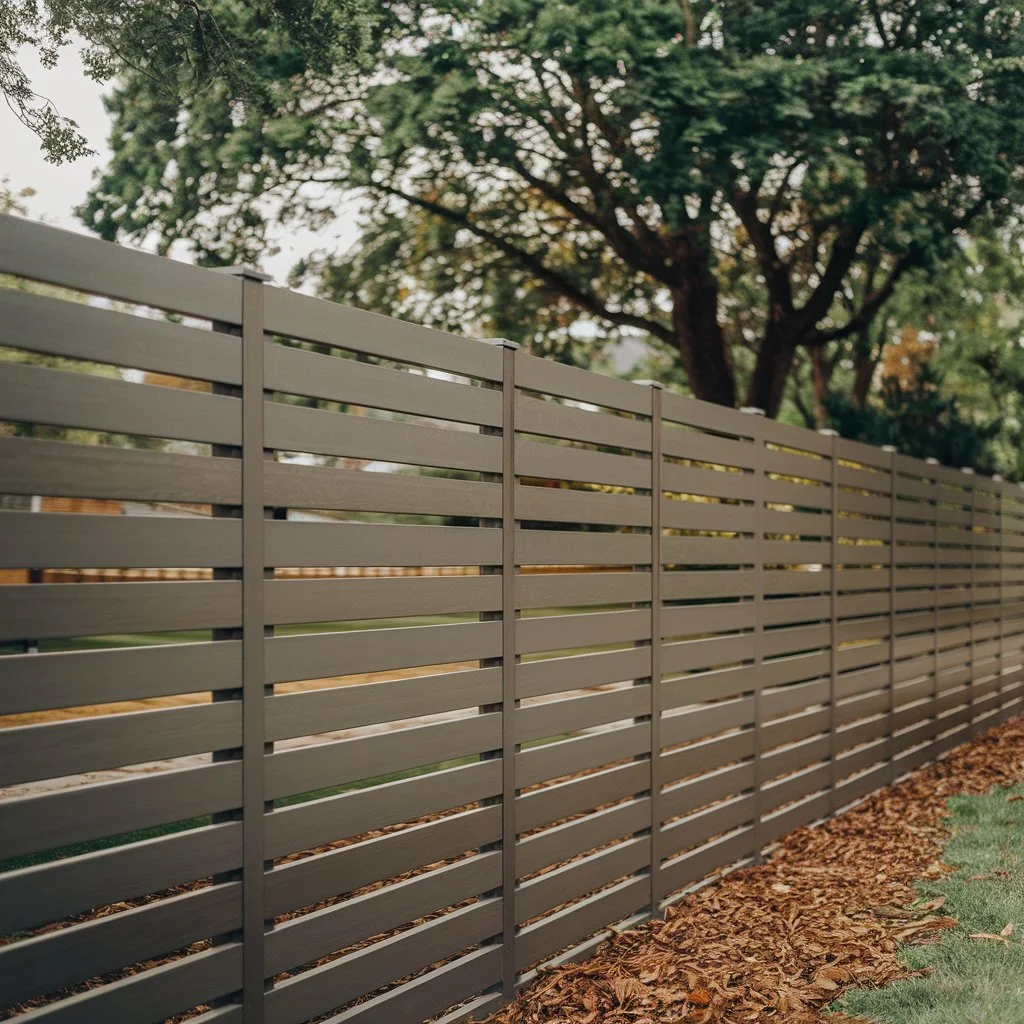
One of the main reasons why many people choose composite fence panels is that they require very little maintenance. Traditional wooden fences must be painted, treated with preservative and repaired regularly to keep them in good condition. With composite panels, keeping the fence clean is as simple as washing it with water. There is no need to use paints, varnishes or preservative treatments, saving both time and money.
3. Modern design.
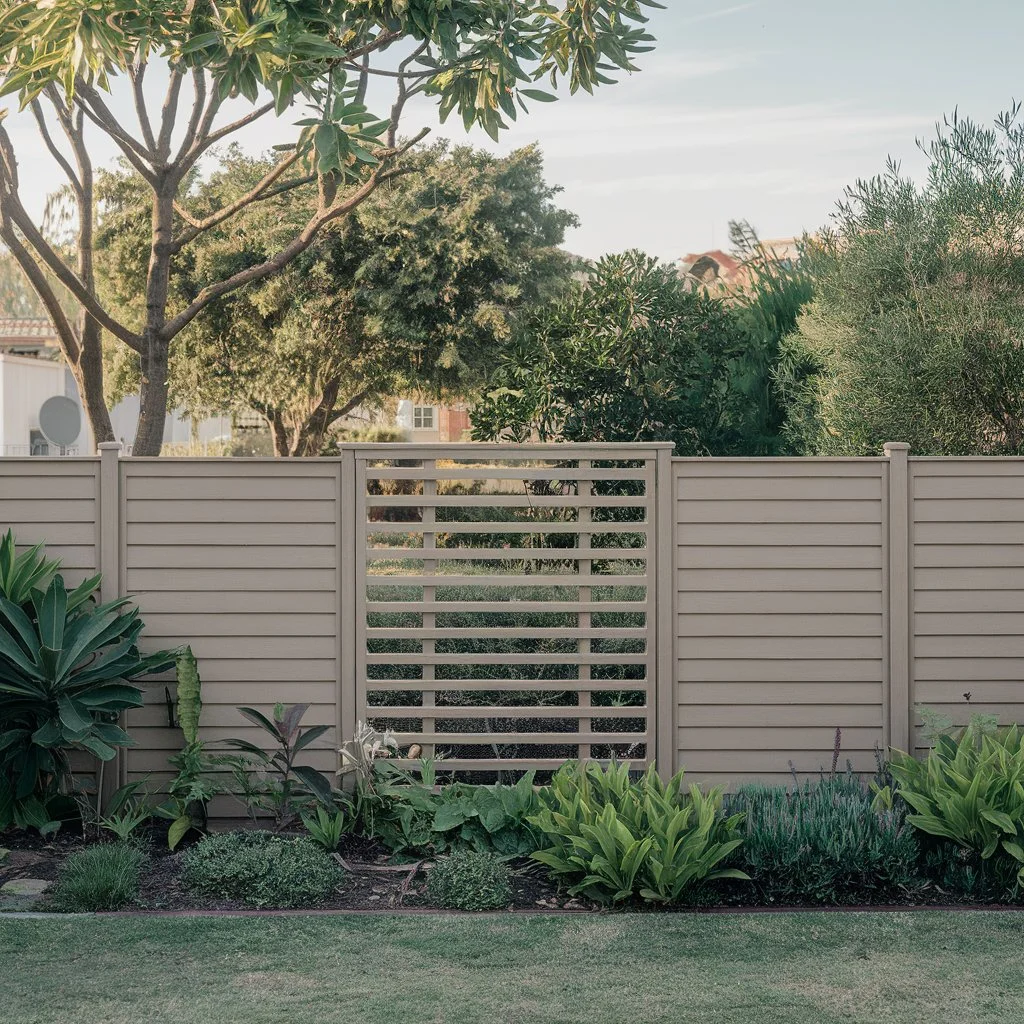
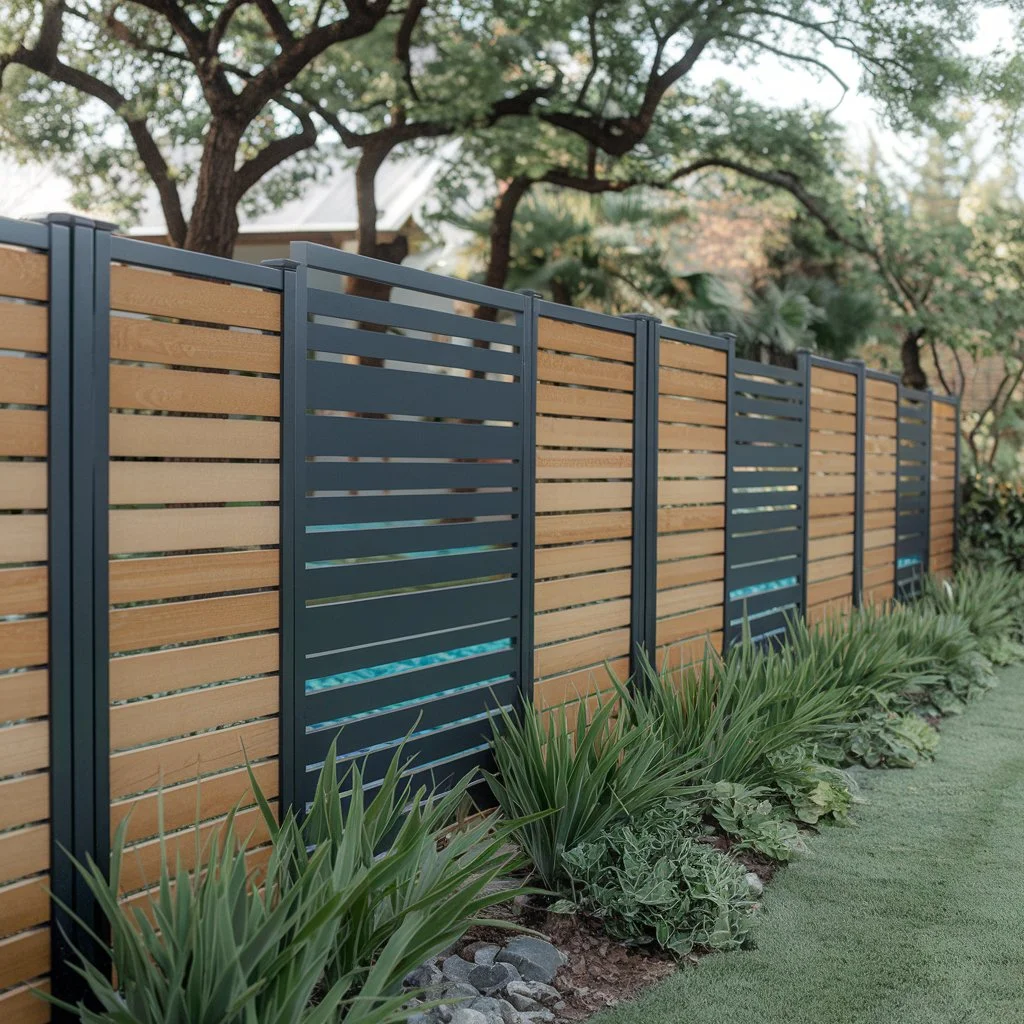
Composite fence panels combine elegance and modernity, offering a wide range of patterns, colours and textures. Many imitate natural wood, allowing you to enjoy the appearance of traditional materials while benefiting from modern technology. The choice of different colours and finishes makes it possible to match the fence to the style of your home, garden or property, creating a cohesive and harmonious whole.
Some of the available finishes for composite panels include:
- Wood effect – panels that closely imitate the appearance of wooden boards, but are much more durable and resistant to external factors.
- Smooth, minimalist surfaces – for fans of modern, minimalist garden designs.
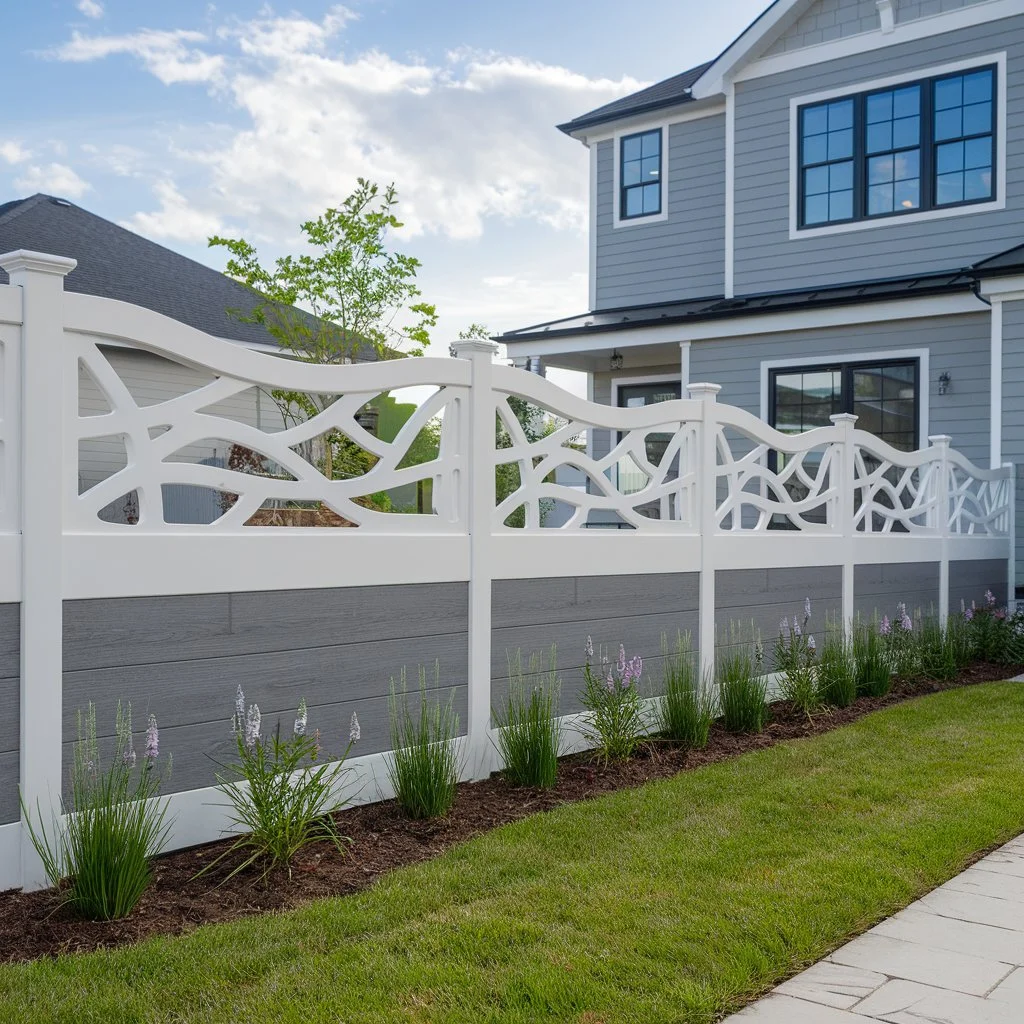
- Decorative patterns – panels with a variety of patterns and perforations are also available, adding a unique character to the fence.
4. Environmental benefits.
Composite fence panels are often made from recycled materials, making them more environmentally friendly than traditional wooden or metal fences. The wood used in composite production comes from renewable sources, and the plastics are often recovered through recycling processes. This makes composite an eco-friendly alternative that helps reduce the use of natural resources and the amount of waste produced.
5. Pest resistance.
One of the main problems with traditional wooden fences is pests such as termites, which can damage the fence and shorten its lifespan. Composite panels are resistant to insect attack because their structure and material do not provide a food source for pests. This means you do not need to worry about regularly using wood preservatives or the risk of damage caused by insects.
6. Easy installation.
Another advantage of composite fence panels is that they are easy to install. Compared with traditional fences, composite panels are much simpler and quicker to install. Thanks to their modular system, the panels are easy to fit, which means installation can even be carried out by people with little experience of building work. What’s more, they do not require specialist tools, and some fencing systems can even be installed without the need to dig foundations.
Composite fencing panels compared with other types of fencing.
When comparing composite fencing panels with other popular materials, it is worth noting several key differences that favour composite:
1. Wood vs composite.
Traditional wooden fences are attractive and natural, but require considerably more attention and care than composite. Wood is susceptible to mould, fungi, pests and rot, which means it needs regular painting, impregnation and repairs. Composite, on the other hand, offers the look of wood without the maintenance issues and durability concerns associated with it.
2. Metal vs composite.
Metal fences, such as steel or aluminium, are durable, but tend to corrode, especially in humid climates or near the sea. Composite panels are resistant to corrosion and rust, while also being much lighter, making them easier to install and transport.
3. PVC vs composite.
Fences made from PVC (polyvinyl chloride) are inexpensive and easy to maintain, but often do not look as attractive as composite. PVC is also less durable and may crack or fade when exposed to the sun. Composite fencing panels are stronger, and their appearance mimics natural wood, making them more visually appealing.
How to care for composite fencing panels?
One of the greatest advantages of composite fencing panels is that they require little maintenance. To keep your fence looking its best for many years, a few simple steps are all that is needed:
- Regular cleaning – simply rinse the panels with water to remove dust, dirt and other contaminants. You can use ordinary soapy water or a garden hose.
- Avoiding harsh detergents – strong chemicals can damage the surface of the panels, so it is best to use mild cleaning products.
- Checking stability – although composite panels are very durable, it is worth checking from time to time that all the fence components are correctly secured and stable, especially after strong winds or storms.
Summary.
Composite fencing panels are an excellent combination of modernity, durability and aesthetics. Thanks to their resistance to weather conditions, minimal maintenance requirements and elegant appearance, they are an ideal solution for anyone looking for a sturdy fence that will last for years. By investing in composite, you gain not only a beautiful, modern look, but also the confidence that your fence will serve you for a long time without the need for constant maintenance and repairs.
FAQ – Frequently asked questions.
1. Are composite fencing panels more expensive than wooden ones?
The initial cost of composite fencing panels may be higher than that of traditional wood, but thanks to their durability and low maintenance requirements, they are more cost-effective in the long term.
2. Do composite fencing panels fade in the sun?
Composite panels are protected against UV radiation, which minimises the risk of fading. High-quality composite panels retain their colour for many years.
3. How long does it take to install composite fencing panels?
Installing composite fencing panels is quick and straightforward, especially compared with traditional materials. Depending on the size of the fence, installation can take from a few hours to a few days.
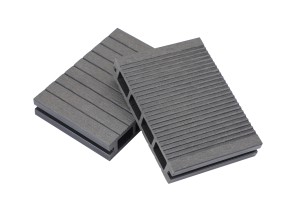
GARDPOL composite decking board 25x140 - 2.9 m
Price per 1 linear metre of board: 21,73 zł
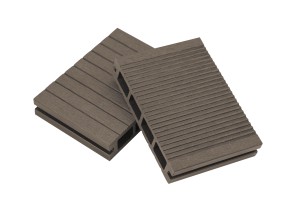
GARDPOL composite decking board 25x140 - 1.45 m
Price per 1 linear metre of board: 21,73 zł
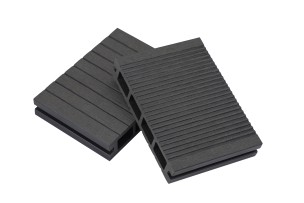
GARDPOL composite decking board 25x140 - 1.9 m
Price per 1 linear metre of board: 21,73 zł
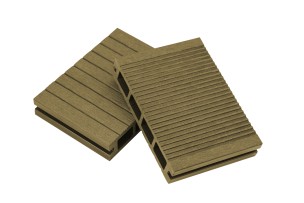
GARDPOL composite decking board 25x140 - 5.8 m
Price per 1 linear metre of decking board: 21,73 zł



