Slats on felt – modern wall decoration with added acoustic benefits
Felt-backed slats are acoustic panels that enhance your interior and reduce echo. Discover their benefits, uses, trends and simple installation.

Contemporary interiors prioritise aesthetics, functionality and comfort. That is why we increasingly turn to solutions that combine these three qualities. One such trend is slats on felt – elegant wall panels that not only decorate a space but also improve its acoustics.
They are an ideal choice for homes as well as offices, restaurants and hotels. They add character to walls and make interiors more welcoming for everyday use.
What makes slats on felt stand out?
At first glance, slats on felt may seem like ordinary wall decoration, but in reality they offer much more – combining aesthetics and functionality, which makes them one of the most popular solutions in contemporary interior design.
1. Design – modernity and elegance
Slats give an interior a light and spacious feel. Vertical strips make walls appear taller, while their three-dimensional structure adds dynamism and depth. With a variety of colours and finishes – from natural wood to veneer and laminates – they are easy to match with Scandinavian, industrial, minimalist or classic styles. Slats therefore become not only a decorative feature, but also a striking focal point in the interior.
2. Acoustics – a practical function
The felt backing on which the slats are mounted serves an acoustic purpose. Felt effectively absorbs sound and reduces reverberation, which is particularly important in modern homes with open-plan spaces, open-plan offices and food-service venues. The result is more pleasant acoustics, greater comfort and a quieter, more sound-absorbent interior.
3. Versatility – suitable for different interiors
Slats on felt suit almost any interior design style. They work equally well in modern lofts, where they emphasise the industrial character of the interior, and in cosy Scandinavian homes, where wood and felt create a warm, natural atmosphere. Their modular construction allows them to be installed on walls and ceilings, offering plenty of scope for creative interior design.
How are acoustic slats constructed?
Each slatted panel consists of two main elements which together provide both a decorative effect and an acoustic function:
1. Slats
Usually made from MDF board or natural wood and covered with veneer or decorative foil, the slats give the wall an attractive appearance. They are available in a range of widths, heights and colours, allowing you to create unique compositions to suit the interior style.
2. Felt backing
Beneath the slats is flexible, sound-absorbing felt, which plays a key role in improving a room’s acoustics. The felt absorbs some of the sound, reducing echo and reverberation, so the interior feels more comfortable and cosy.
The end result
This combination means that a wall or ceiling with slats not only looks elegant, but also acts as an acoustic panel. The vertical slats create a three-dimensional effect, while the felt ensures better sound quality in the room – an ideal solution for homes and commercial spaces alike.

Benefits of using slats on felt
Felt-backed slats combine aesthetics with functionality. They make an interior not only more elegant, but also comfortable and pleasant to use. Below, we present the key benefits of using them.
1. Improved room acoustics
Modern homes, especially those with large glazed areas, open-plan kitchens or concrete walls, often suffer from reverberation and echo. Felt-backed slats effectively reduce this problem thanks to the felt backing, which absorbs sound and reduces echo.
The result is a more peaceful environment, greater everyday comfort and better acoustic conditions in living rooms, bedrooms, offices and public spaces.
2. Aesthetics and elegance
Vertical slats give an interior a three-dimensional character and make the room appear taller, making it seem larger and more spacious.
A range of finishes – from natural wood to veneer and laminates – makes it possible to match the slats to almost any interior style. They are an ideal way to create a unique design that will become the visual focal point of the room.
3. Functionality
Felt-backed slats are also a practical, easy-to-use solution:
-
Easy to install – they can be attached with construction adhesive or fixed with screws,
-
Can be cut to size and adapted – the modular design allows them to be perfectly adjusted to the dimensions of a wall or ceiling,
-
Durable and resistant to damage – high-quality materials ensure the decoration lasts, and is resistant to impact and deformation.
4. Versatile applications
Felt-backed slats work well in a wide range of spaces:
-
Living rooms and bedrooms – decorative walls, an elegant interior finish and a quieter room,
-
Offices and conference rooms – improved acoustics, space division and an elegant appearance,
-
Restaurants and hotels – acoustic comfort, a welcoming atmosphere and a stylish finish.
Thanks to these qualities, felt-backed slats are a choice not only for homeowners, but also for interior architects and public-space designers looking for solutions that combine design and functionality.
Using felt-backed slats in practice
Felt-backed slats are not just an eye-catching decoration, but also a functional solution that works in a variety of spaces – from homes and offices to commercial premises. Below are some examples showing just how versatile this material can be.
1. Living room
In a living room, slats can serve as a decorative TV wall or an eye-catching backdrop for a sofa. The vertical strips add elegance and character to the space, while the felt backing improves acoustics by reducing reverberation in open-plan spaces. This makes the living room both attractive and pleasant for everyday use.
2. Bedroom
In a bedroom, slats work best on the wall behind the bed. They create a cosy atmosphere and also help to dampen sound, making the room an ideal place to relax. In addition, the three-dimensional effect of the slats gives the interior a light, modern character.
3. Office
In open-plan offices, felt-backed slats can be used to divide the space while also improving acoustics. They reduce noise, make working more comfortable and help employees concentrate. This solution combines functionality with elegant design, raising the standard of a modern office.
4. Restaurant
In restaurants, felt-backed slats help create a pleasant acoustic environment by reducing reverberation and tiring conversational noise. They make the space feel more intimate, allowing guests to enjoy both comfort and attractive interiors. Wooden slats paired with felt add elegance and a modern character to the restaurant.
5. Hotel
In hotels, slats can be used in both guest rooms and communal areas. They provide an elegant interior finish, improve acoustic comfort and give the space a stylish, modern appearance. This solution helps guests feel comfortable as soon as they arrive.
6. Ceiling
Slats can also be installed on the ceiling, creating an original, design-led feature. They emphasise the interior architecture, create a sense of space and draw the eye, while also improving the room's acoustics.


How to install felt-backed slats?
Installing felt-backed slats is a simple and intuitive process that does not require specialist skills. This means anyone can transform their interior themselves, giving it a modern and elegant look.
1. Preparing the surface
Before starting the installation, it is worth preparing the wall or ceiling properly:
-
The surface should be clean, dry and smooth – remove dust, paint residue or wallpaper.
-
For walls with poor adhesion, we recommend applying a primer for adhesive, which will make the installation more durable.
2. Choosing an installation method
Felt-backed slats can be installed in two main ways:
-
Using installation adhesive – a quick and neat method, ideal for smooth surfaces. Apply the adhesive in dots or strips, then press the panels against the wall for a few seconds.
-
Using screws or wall plugs – a more durable solution, suitable for spaces exposed to heavier loads or public areas.
3. Fitting the panels
Thanks to the modular design of the slats, each panel can be cut and joined to create a decorative feature that fits the dimensions of the room perfectly.
-
The panels can be cut, making them suitable for installation even in unusual spaces.
-
The modular system makes it easy to create different patterns and colour combinations.
4. The end result
Once the slats have been installed correctly, the interior gains:
-
An attractive, modern look – walls and ceilings become designer decorative features.
-
Better acoustics – the felt in the panels absorbs echo and reverberation, making the room more comfortable.
-
A three-dimensional effect – vertical slats add a sense of lightness to the interior and make the space appear larger.
5. Why install slats yourself?
Installing them yourself is ideal for anyone who wants to transform their interior themselves. It not only gives you full control over the look of your design, but also the satisfaction of completing the project with your own hands.
Trends and design inspiration
Current inspiration shows that felt-backed slats work brilliantly when combined with other materials:
-
architectural concrete – a modern, loft-style feel,
-
natural wood – warmth and cosiness,
-
LED lighting – emphasises the depth of the slats and creates a striking visual effect,
-
wallpaper and textured paints – an elegant contrast.
The most popular choice at present is oak slats on black felt, which fit in with minimalist trends.
FAQ – Frequently asked questions
1. Do felt-backed slats improve acoustics?
Yes. Thanks to their felt backing, they effectively reduce echo and reverberation, improving acoustic comfort in rooms.
2. Where can they be used?
They are suitable for living rooms, bedrooms, offices, restaurants, hotels and even ceilings.
3. How are they installed?
The panels can be glued to the wall or fixed with screws. Their modular design makes them easy to fit to the dimensions of the interior.
4. Are slats suitable for small rooms?
Yes – vertical lines make an interior appear larger and taller.
5. How do you clean felt-backed slats?
A soft cloth or a vacuum cleaner with a gentle attachment is all you need. The use of harsh cleaning products is not recommended.

Summary
Felt-backed slats are not only a fashionable wall decoration, but also a solution that genuinely improves quality of life. They make an interior:
-
cosier,
-
quieter,
-
more modern and elegant.
This investment combines aesthetics and functionality, which is why it is increasingly popular not only with homeowners and flat owners, but also with interior designers looking for modern and practical solutions.
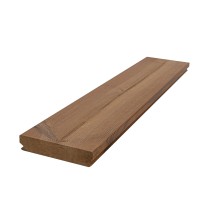
THERMO Pine 26x117 AB Grade smooth Thermo-wood
THERMO PINE 2,6x11,7x420 / 480 cm. Price per m2 199,99 zł.
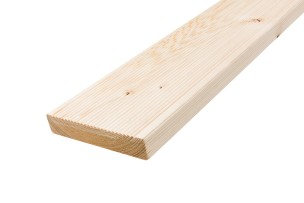
Scandinavian spruce decking board AB grade 28x145 fine reeded/smooth 5,1 m
28 x 145 x 5100 [GRADE:AB]
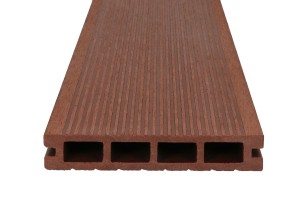
SELECT composite decking board 25x140 - 4,5 m
Price per 1 linear metre of board: 17.27 zł
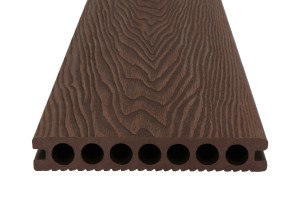
DUO composite decking board 23x148 - 3,5 m
Price per 1 linear metre of board: 21,30 zł