
Exterior wall slats – are they resistant to rain, sunlight and frost?
Wondering whether exterior wall slats can withstand rain, sunshine and frost? Find out how durable they are and how resistant they are to the weather.
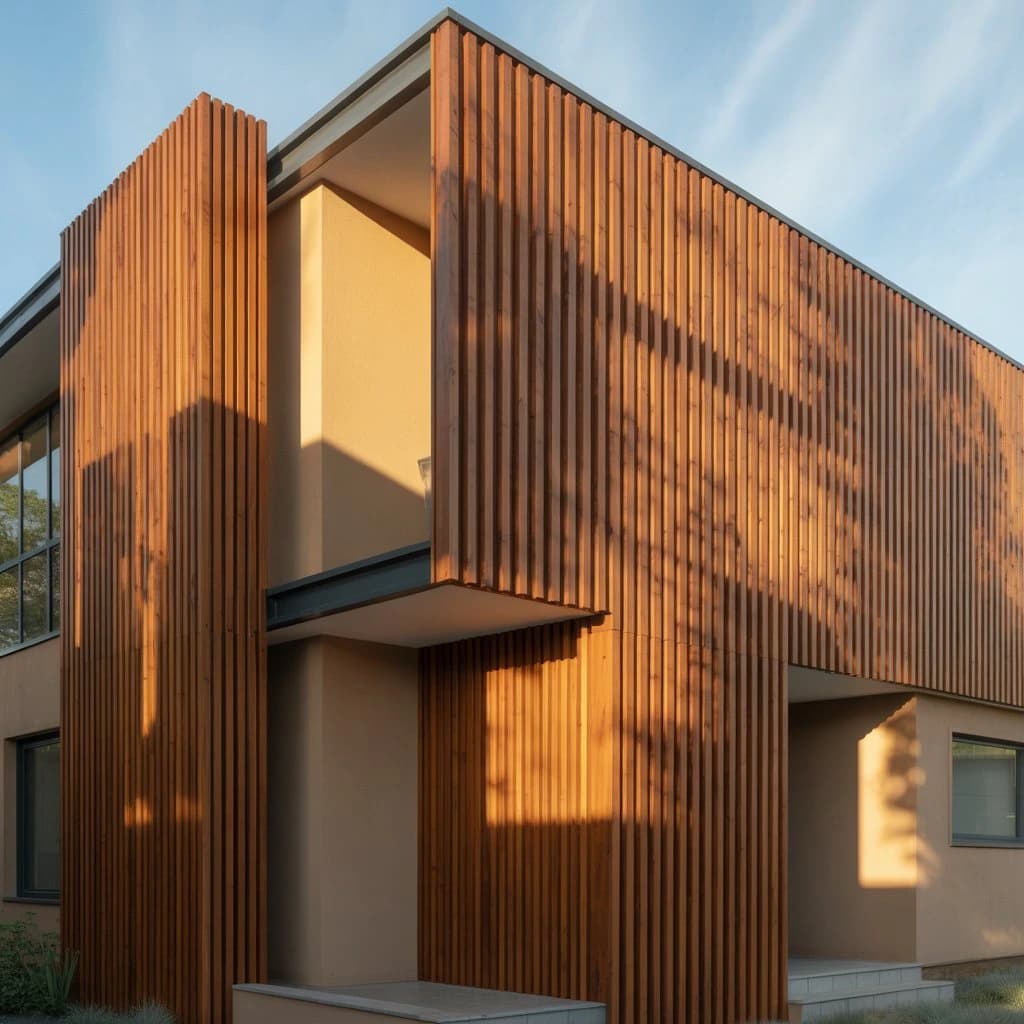
Wall slats have taken the interior design and façade market by storm. Their modern look, lightweight construction and suitability for installation both inside and outside buildings mean that more and more people are choosing them. But hold on – looks are one thing, but what about functionality?
Exactly. Are external wall slats really resistant to rain, sunshine and frost? Will they survive more than one winter, or fade after their first summer? Let’s take a closer look at the facts, materials and expert opinions.
What exactly are external wall slats?
Slats are vertical or horizontal strips fitted to walls – decorative, but also functional. They are used, among other things, for:
- decorating building façades,
- creating modern fencing,
- enclosing balconies and terraces,
- improving acoustic and thermal insulation.
External slats, however, must meet additional requirements – above all, they need to withstand changing weather conditions.
What materials are used to make external wall slats?
This is a key question, because their resistance to rain, sunshine and frost depends on the material.
1. Wooden slats (treated).
- Natural look and excellent appearance.
- Require regular maintenance.
- Exposure to moisture can cause them to crack, warp or develop mould.
- Sunlight can cause the colour to fade.
Resistance: moderate. Wooden slats are suitable for outdoor use, but only if they are properly protected and regularly maintained.
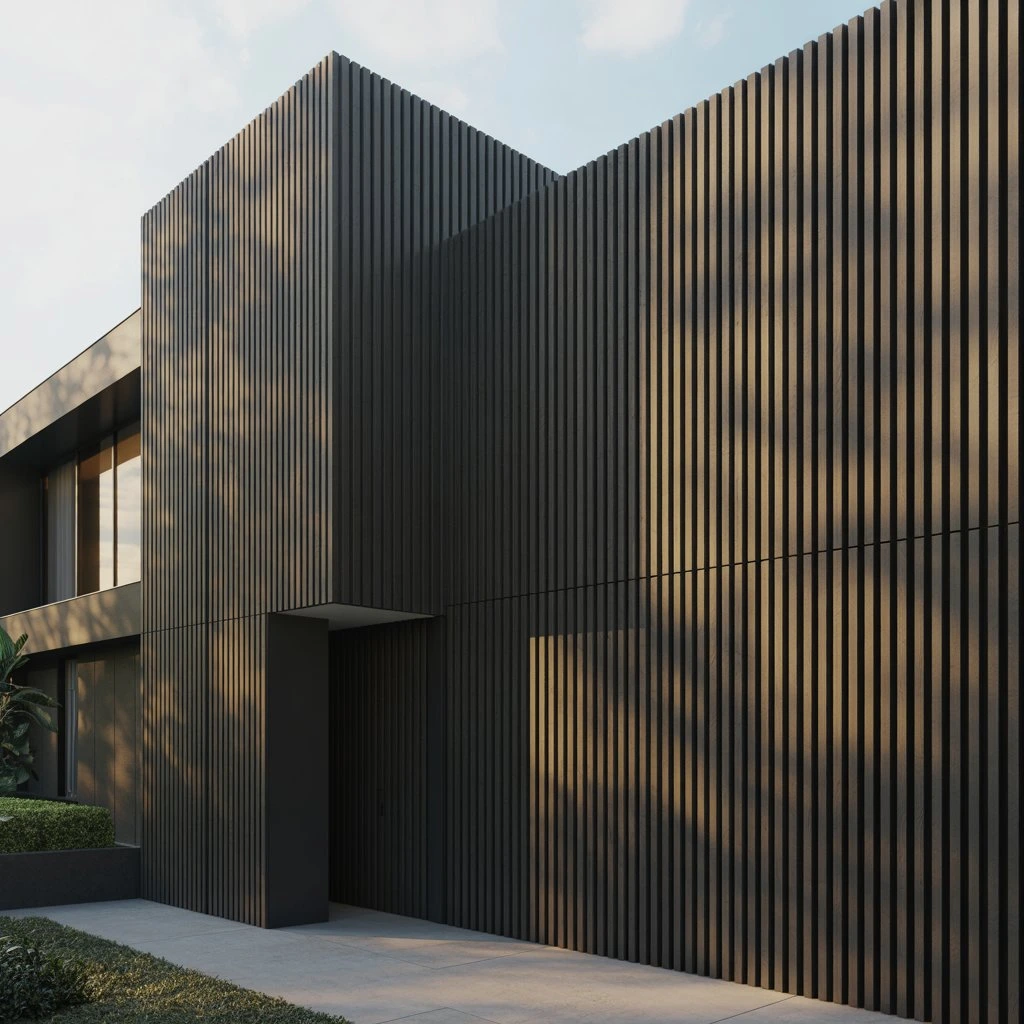
2. Composite slats (WPC).
- Plastic containing wood fibres.
- Resistant to moisture, UV rays and frost.
- No painting or varnishing required.
- They do not rot, crack or change colour.
Resistance: very high. Ideal for outdoor use.
3. Aluminium slats.
- Exceptionally durable, lightweight and rust-resistant.
- Do not deform under the influence of temperature.
- Can be powder-coated.
- Perform exceptionally well even in extreme weather conditions.
Resistance: highest. Aluminium is the best choice where exposure to sunshine, rain and frost is high.
Rain – the number one enemy?
Moisture is the biggest challenge for building materials, especially when they are exposed to it all year round.
- Wooden slats absorb water – they can warp, crack and deteriorate from the inside.
- WPC slats absorb very little moisture – they do not warp or rot.
- Aluminium slats are completely corrosion-resistant – rain is no problem for them.
If resistance to rain is important to you, choose composites or aluminium.
UV rays – do external wall slats fade?
Yes, the sun can be relentless. Over time, UV radiation damages the structure and colour of materials. But not all slats are susceptible to it.
- Wood fades and turns grey, especially in the midday sun.
- WPC composite has UV filters – it does not fade.
- Aluminium coated with powder paint retains its colour for many years.
If you want it to look good for years to come, choose UV-resistant materials.
Frost – what about winter?
Winter puts durability to the test. Water freezing in tiny cracks can damage any material that absorbs moisture.
- Wooden slats can crack and split into layers.
- Composite slats and aluminium slats do not have this problem – they are resistant to freezing.
Tip: Install external slats with a small gap between them and the wall – this improves ventilation and moisture drainage.
How do you install external slats, to make them last longer?
Material resistance is one thing, but correct installation is just as important!
A few tips:
- Use dedicated installation systems (clips, frames).
- Protect the space behind the slats from water build-up.
- Do not install slats directly onto a damp surface.
- Avoid cutting components without protecting the edges (especially WPC and aluminium).
- Follow the manufacturer’s instructions – each material may have different requirements.
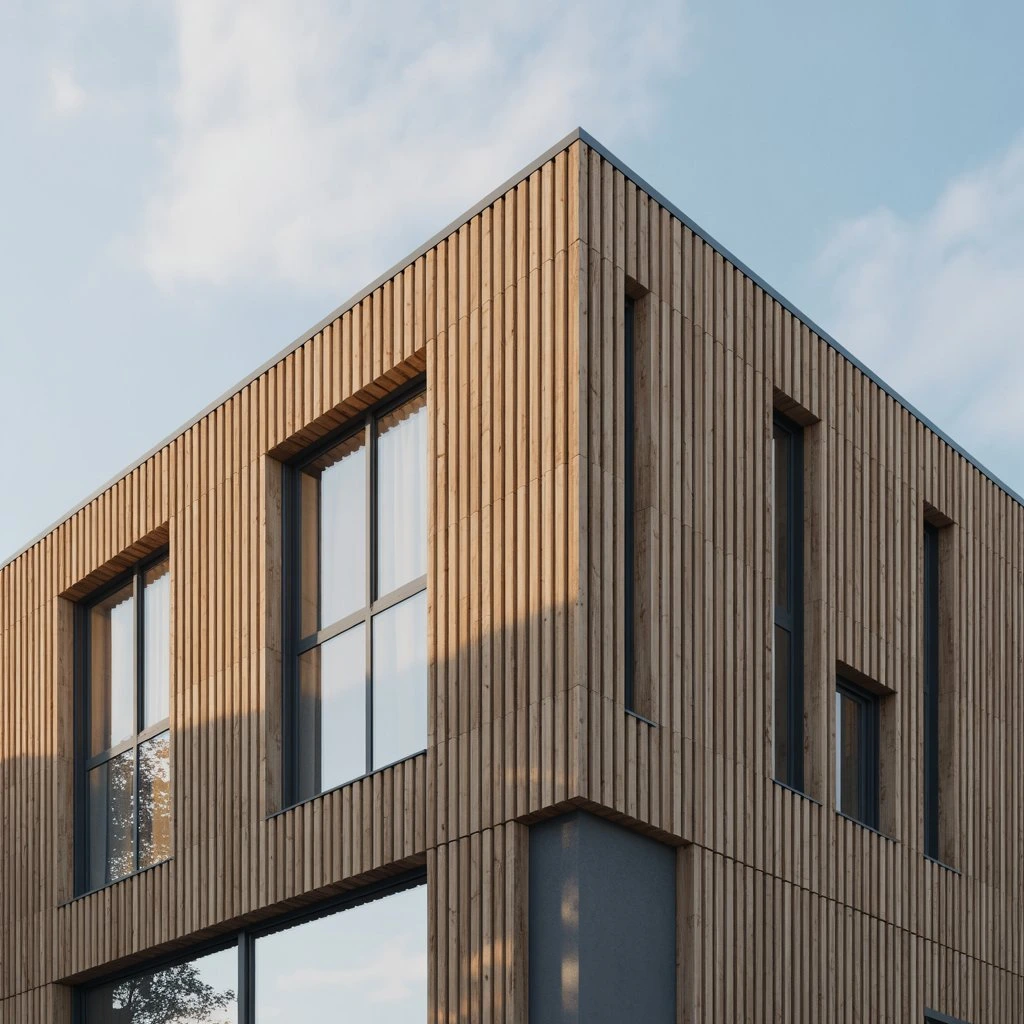
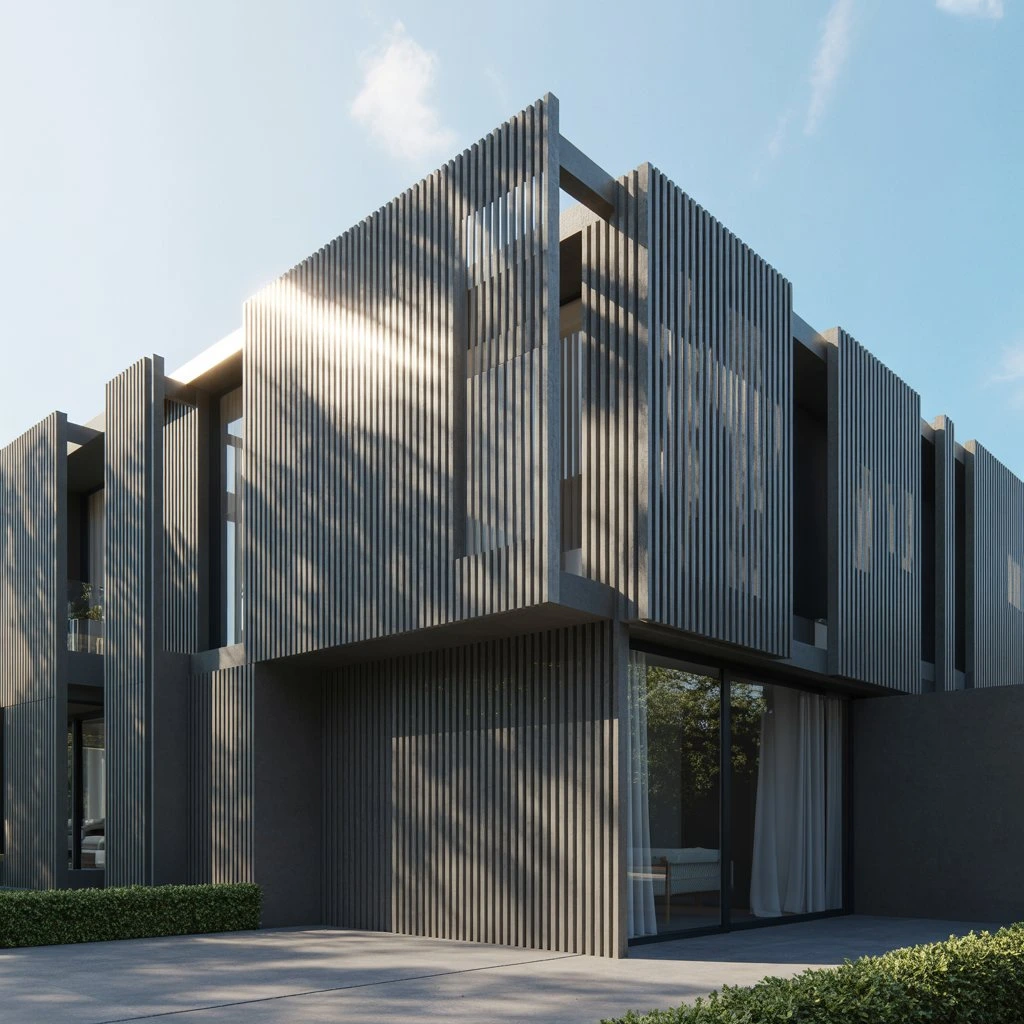
Advantages of external wall slats.
Why choose external wall slats – especially those made from durable materials?
- A modern, minimalist look,
- Protection for the wall against the weather,
- An additional layer of insulation,
- The option to customise colours and layout,
- Low maintenance (for WPC and aluminium).
What about the price?
Of course, we always ask: “OK, but how much does it cost?”
- Wood – the cheapest to start with, but it requires regular maintenance costs.
- WPC composite – slightly more expensive, but virtually maintenance-free.
- Aluminium – the most expensive, but also the most durable.
In the long term, you’ll get the most value by choosing durable materials, which won’t need replacing after a few seasons.
Summary – are external wall slats resistant to rain, sunshine and frost?
Yes – but it depends on the material. If you choose well and install them properly, external wall slats will easily withstand years of exposure to:
- rain – if they do not absorb moisture, it will not harm them,
- sunshine – if they have a UV filter, they will not fade,
- frost – if they are resistant to cracking and freezing, there is nothing to worry about.
Want your home’s façade to be stylish as well as durable? Choose aluminium or WPC and enjoy peace of mind for years to come.
Frequently asked questions (FAQ).
1. Can WPC slats be painted?
No, painting them is not recommended – they come with a finished surface that is UV-resistant.
2. Can aluminium slats rust?
No. Aluminium is corrosion-resistant, particularly when powder-coated.
3. Can slats be installed yourself?
Yes, but it is recommended that you read the instructions beforehand and buy an installation system.
4. How often do wooden slats need maintenance?
At least once a year – ideally before winter.
5. Do slats reduce noise?
Yes – particularly composite and wooden slats, which have good acoustic properties.
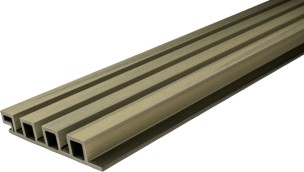
Composite Slatted Cladding Board 3D SILVER FIR
Dimensions: 25x160x2950
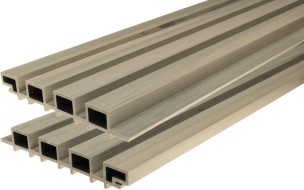
PREMIUM SILVER FIR Composite Slatted Cladding Board
Dimensions: 33x226x2950
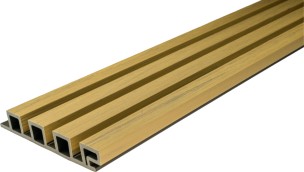
Composite Slatted Cladding Board 3D OAK
Dimensions: 25x160x2950
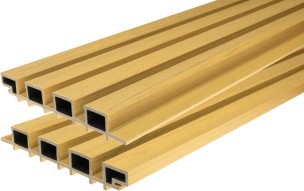
PREMIUM OAK Composite Slatted Cladding Board
Dimensions: 33x226x2950



