Exterior Slats – An Elegant and Durable Finish for Your Façade
A slatted façade offers a modern look, durability and protection from the sun and moisture. Discover 9 reasons to choose exterior slats.
Modern construction is about more than functionality; it is also about aesthetics and contemporary design. More and more developers, architects and homeowners are opting for solutions that make a building stand out, give it a distinctive character and, at the same time, meet high durability requirements. One such feature is external slats – an innovative façade finish that has become hugely popular on the market.
A slatted façade is more than just decoration – it also offers protection from the elements, improved energy efficiency and an investment that increases the value of the property. Slats can be used on detached houses as well as large apartment blocks, office buildings and commercial premises, offering virtually unlimited design possibilities.
Discover 8 key reasons to choose slats and see how they can transform the appearance of your building.
1. Contemporary design and timeless elegance.
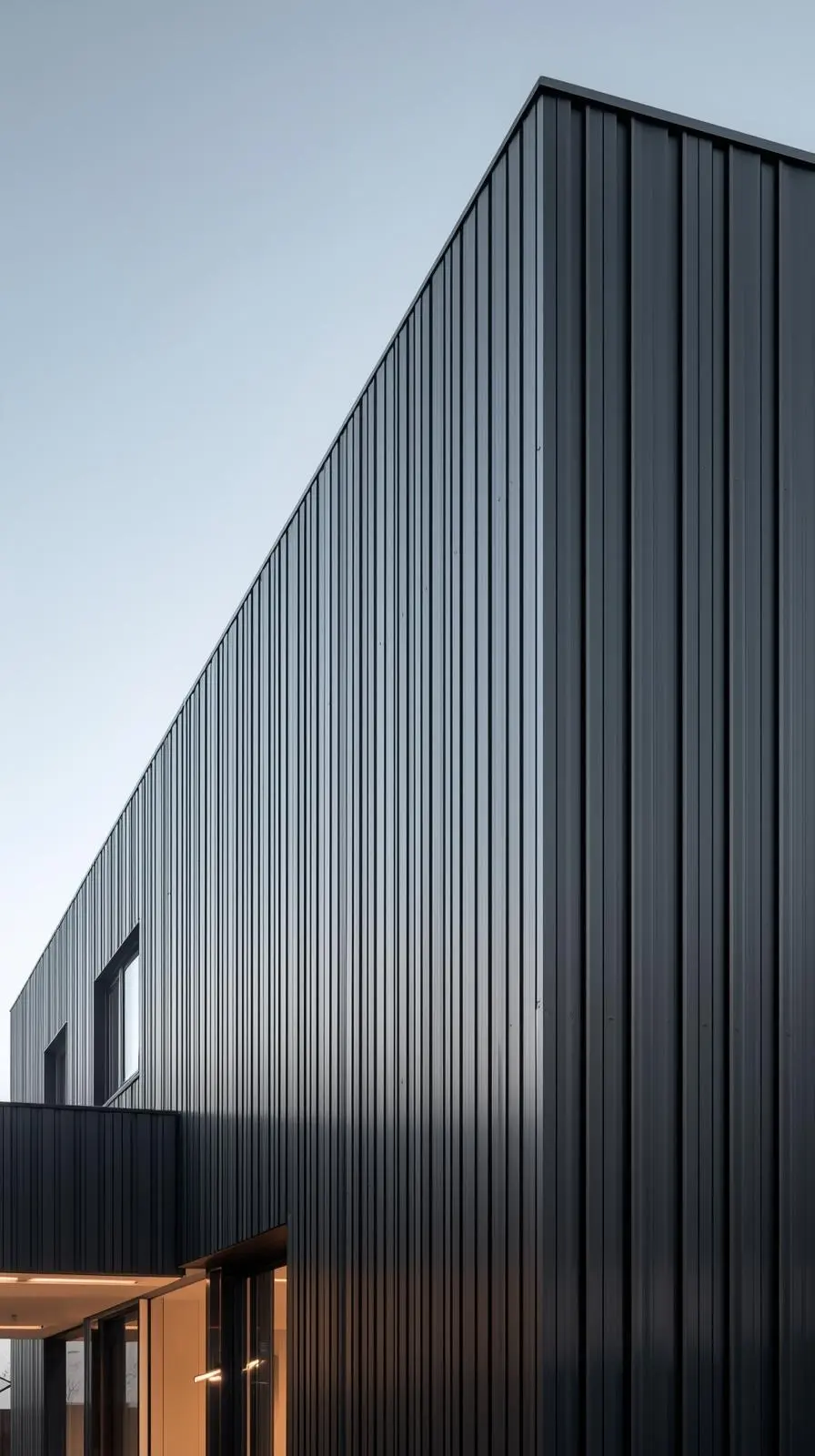
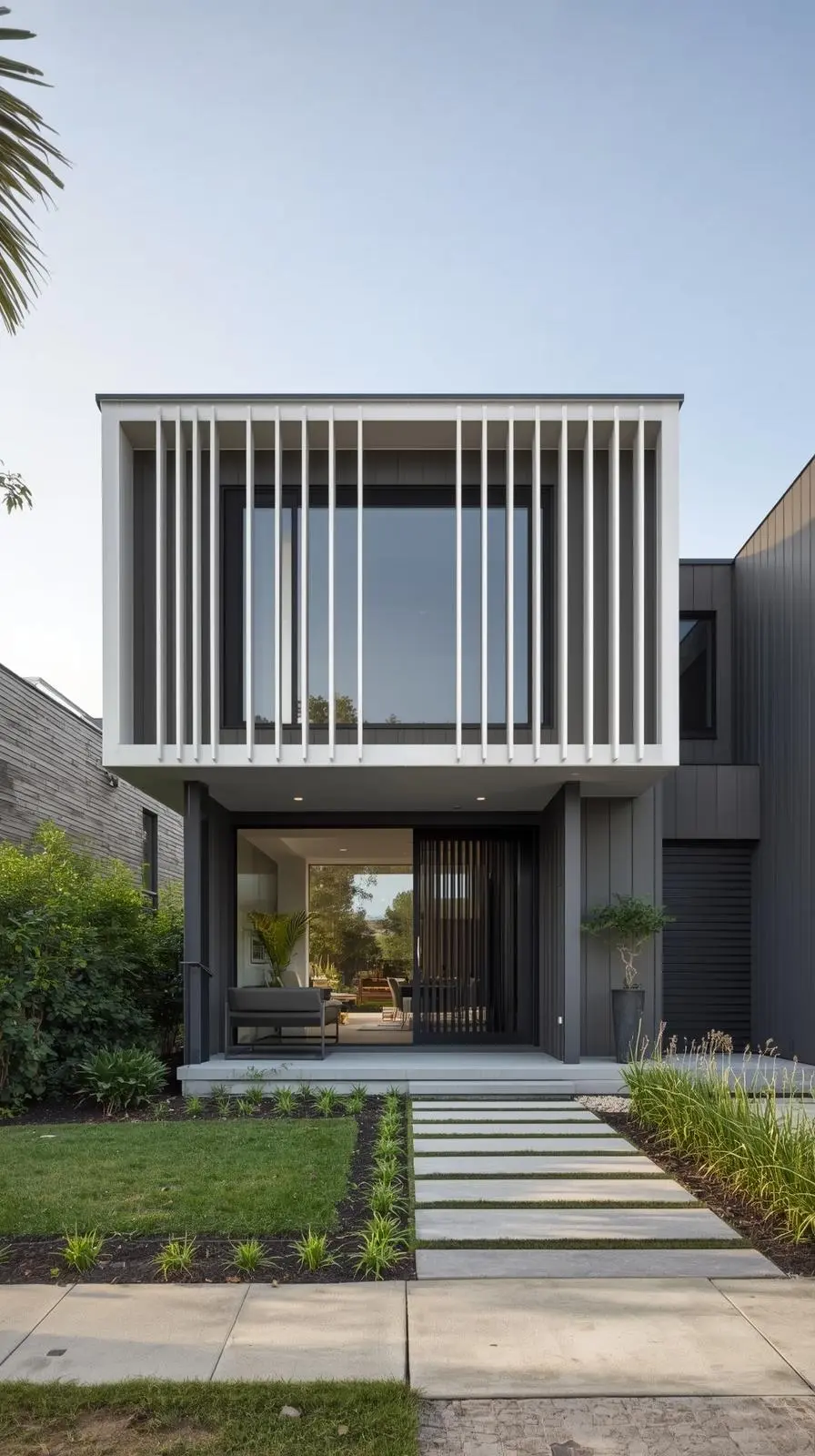
The greatest advantage of façade slats is their unique, elegant appearance, which immediately sets a building apart from others. Slats create a sense of depth and dimension, creating a façade that looks exceptionally stylish both close up and from a distance.
-
Minimalist lines fit perfectly with current architectural trends, which favour simplicity and geometric shapes.
-
A wide choice of colours and textures – from natural wood in warm shades to modern shades of graphite, white and black, which pair beautifully with metal, glass and architectural concrete.
-
A luxurious effect – slats bring an element of prestige to a façade, associated with high-end construction.
-
Versatility – they work just as well on detached houses as on modern apartment buildings and commercial properties.
What is more, a slatted façade can be a subtle addition to one part of a building or a dominant feature across the entire façade. This makes it easy to tailor the design to individual preferences and highlight the character of the property.
Another advantage is the play of light and shadow created by the slats throughout the day. The rising and setting sun gives the façade a dynamic appearance, making the building look different at every time of day and throughout the year.
2. Exceptional durability and resistance to weather conditions.
External slats are designed for many years of use, even in difficult climatic conditions. Unlike traditional render, which can crack and require frequent repairs, slats retain their properties and attractive appearance for decades.
The materials most commonly used to make slats:
-
Aluminium – lightweight and corrosion-resistant, it does not require painting or impregnation. Ideal for those who value durability and a contemporary look.
-
Galvanised or stainless steel – exceptionally durable and recommended for structures exposed to extreme weather, such as strong winds or damp climates.
-
Exotic timber – natural, elegant and durable, particularly when oiled or treated with preservative.
-
Wood-effect composites – combining the natural look of wood with the durability of plastics, they require no maintenance.
Slats are resistant to rain, snow, frost, UV radiation and sudden temperature changes. Thanks to special protective coatings, they do not fade, warp or crack, even after many years of use. This is particularly important in our climate, where façades have to withstand a variety of weather conditions throughout the year.
As a result, a slatted façade retains its attractive appearance for decades, helping to avoid costly renovations and constant touch-ups.
3. Effective protection from the sun and building overheating.
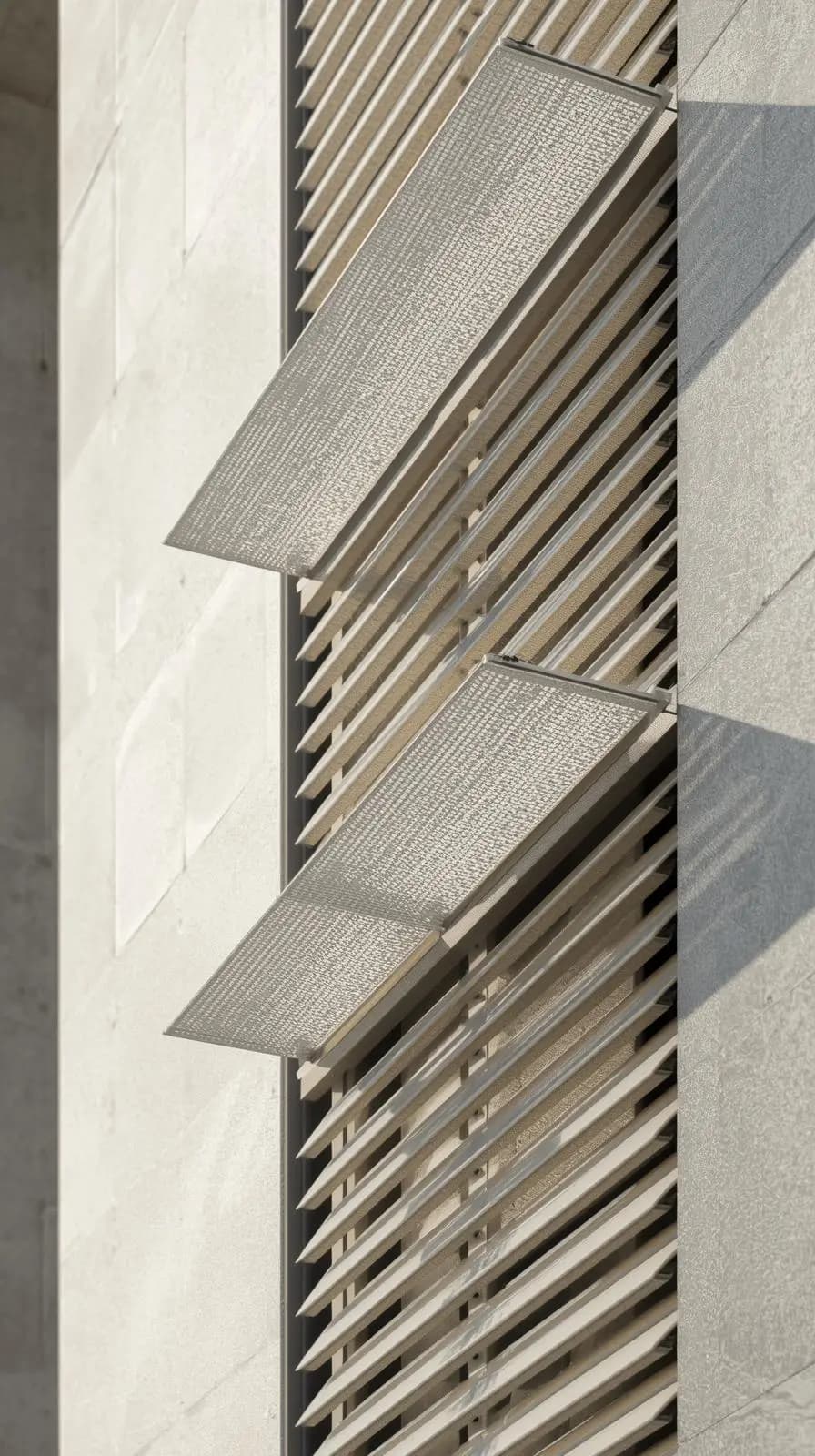
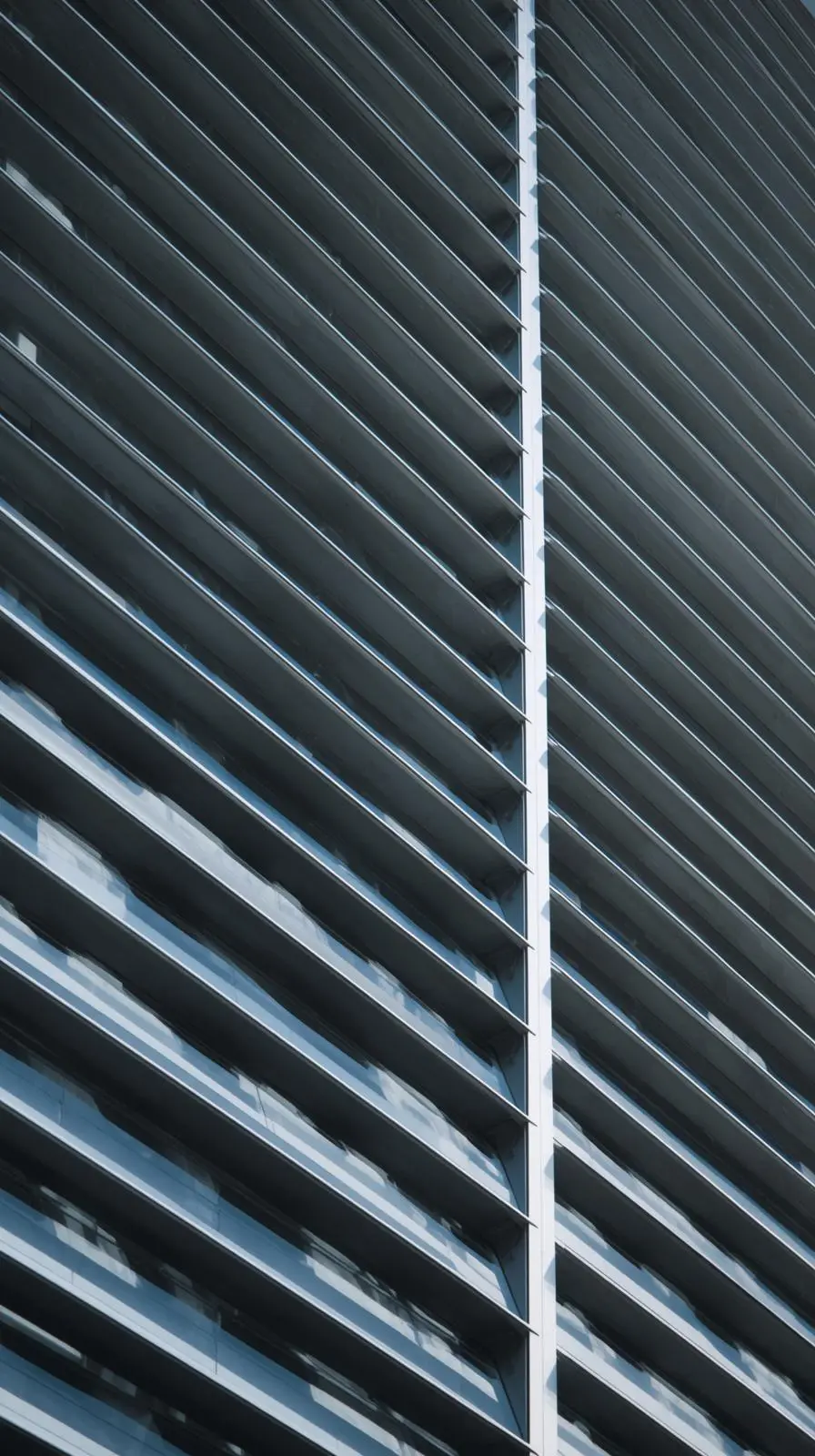
Facade slats perform an important protective function. Positioned at the right angle, they provide natural sun protection, regulating the amount of light entering the interior.
-
Reduced overheating of rooms – on hot days, the slats block excess sunlight, helping to maintain a comfortable temperature inside the building.
-
Energy savings – less heat build-up means less need for air conditioning, resulting in lower electricity bills.
-
Protection for furniture and furnishings – limiting direct sunlight prevents furniture, floors and curtains from fading, extending their lifespan.
-
Greater comfort – thanks to the slats, interiors remain bright without being dazzling, creating a more pleasant environment for relaxing and working.
This is particularly important in buildings with large glazed areas, where excessive light can be a problem. The slats work like natural blinds, but on the outside, further enhancing the appearance of the façade.
4. Natural façade ventilation and protection for the building structure.
One of the less obvious but extremely important functions of external slats is to provide natural façade ventilation. Their design creates an air gap between the wall and the outer layer, allowing air to flow freely. This solution works in a similar way to ventilated façades, which are standard in modern, energy-efficient construction.
Why is this so important? Moisture is one of the greatest enemies of any structure. When water vapour penetrates the walls and cannot evaporate, this leads to serious problems, such as:
-
the growth of mould and fungi, which pose a health risk to residents,
-
corrosion of steel components, which weakens the structure,
-
reduced thermal insulation efficiency,
-
cracking and peeling plaster, or the formation of salt deposits.
Facade slats prevent these problems by allowing continuous air movement behind the cladding. In summer, air circulating in this space protects the walls from overheating, while in winter it prevents condensation of water vapour that could freeze and damage the building structure. As a result, the walls remain dry, stable and durable, significantly extending the lifespan of the entire structure.
What is more, a well-ventilated façade contributes to resident comfort and energy savings. Dry insulating materials retain their properties, helping to keep heat inside the house in winter and limit indoor heat build-up in summer. The result is lower heating and air-conditioning bills, as well as a healthier indoor climate.
In practice, this means that a slatted façade serves a dual purpose – it is decorative, giving the building a modern appearance, and protective, safeguarding it against the damaging effects of moisture and time. This solution has a real impact on the durability, comfort and cost-effectiveness of using a property.
5. Unlimited design possibilities and a wide range of uses
External slats are an extremely flexible and versatile solution, offering almost unlimited design possibilities.
-
They can be installed vertically, horizontally or even at an angle, creating unique patterns and arrangements.
-
With slats available in different widths, thicknesses and shapes, you can achieve either a subtle, minimalist effect or a striking, dynamic façade that catches the eye.
-
Slats can be used not only on façades, but also as:
-
decoration for balconies and terraces,
-
pergola and gazebo roofing,
-
garden partition screens,
-
modern fences and entrance gates.
-
Combining slats on the façade and fence creates a cohesive, elegant look for the entire property, enhancing its prestige and value.
6. No-fuss maintenance and easy-to-clean façades.
Traditional façades require regular painting and repairs, involving significant costs and time-consuming work. Facade slats are virtually maintenance-free, making them an ideal choice for those who value convenience.
-
Cleaning is simple – all it takes is a pressure washer and water to restore the slats’ fresh appearance.
-
Aluminium and composite slats do not need treating or painting, saving time and money.
-
Thanks to special protective coatings, they are also resistant to dirt, while dust and grime do not penetrate deep into the material.
This solution is particularly recommended for buildings located beside busy roads, where façades are exposed to heavy pollution.
7. Ecology and sustainable development.
With environmental awareness on the rise, more and more people are looking for environmentally friendly solutions. External slats fit perfectly into this trend.
-
FSC-certified materials – the wood used to produce the slats comes from controlled sources.
-
Recycled composites – modern technologies make it possible to create durable materials from recovered raw materials.
-
Energy savings – slats limit the building’s heat gain, reducing the need for air conditioning.
-
Long lifespan – durable materials mean less waste and lower consumption of natural resources.
By choosing slatted cladding, you’re investing in a solution that benefits both you and the environment.
8. Increased property value and prestige.
Finishing a façade with slats is an investment that increases property value and enhances its prestige.
-
Buildings with slats stand out from others, attracting the attention of potential buyers or tenants.
-
A modern, elegant façade is an asset when selling or letting a property.
-
Developers who use slats can expect greater interest in their development and higher prices for the flats they sell.
This solution combines aesthetics, functionality and tangible financial benefits.
9. Easy and quick installation that saves time and money.
One of the arguments in favour of choosing façade slats is the simple and relatively quick installation process. Compared with traditional façade finishing methods, such as rendering or stone cladding, installing slats takes less time and does not require heavy equipment.
Key advantages of installing slats:
-
Modular system – most manufacturers offer slats as ready-made elements that can be joined easily, without needing to cut them to size on site.
-
No wet construction work – installation is carried out dry, which means it can be done at any time of year, regardless of the weather.
-
Minimal impact on the building’s structure – the slats are fixed to special battens or support structures, so they do not place an excessive load on the walls.
-
Easy replacement of damaged elements – if necessary, an individual slat can be replaced quickly without dismantling the entire façade.
For investors, this means saving time and reducing labour costs. In practice, a medium-sized slatted façade can be installed within a few days, whereas traditional finishing would take considerably longer and involve more stages of work.
Importantly, the simple installation system makes it possible for people with basic technical skills to carry out some of the work themselves. This is a great option for those who want to reduce the cost of their investment or have full control over the project.
As a result, slatted cladding is not only an attractive and durable solution, but also a practical one. Quick installation means you can enjoy your building’s new look in a short time, without lengthy renovation work or disruptive mess around your property.
Summary.
External slats combine design, durability and functionality, making them ideally suited to the needs of modern construction.
-
They give façades a modern, elegant appearance.
-
They protect buildings from sunlight, moisture and pollution.
-
They support energy efficiency and sustainability.
-
They are easy to maintain and virtually maintenance-free.
-
They increase property value and its appeal on the market.
If you are planning to build a new house or modernise an existing building, slatted cladding is an investment that will bring benefits for years to come – both aesthetically and financially.