
Decking joists
Explore the category and get advice on choosing the right products ↓Categories and filters ▾
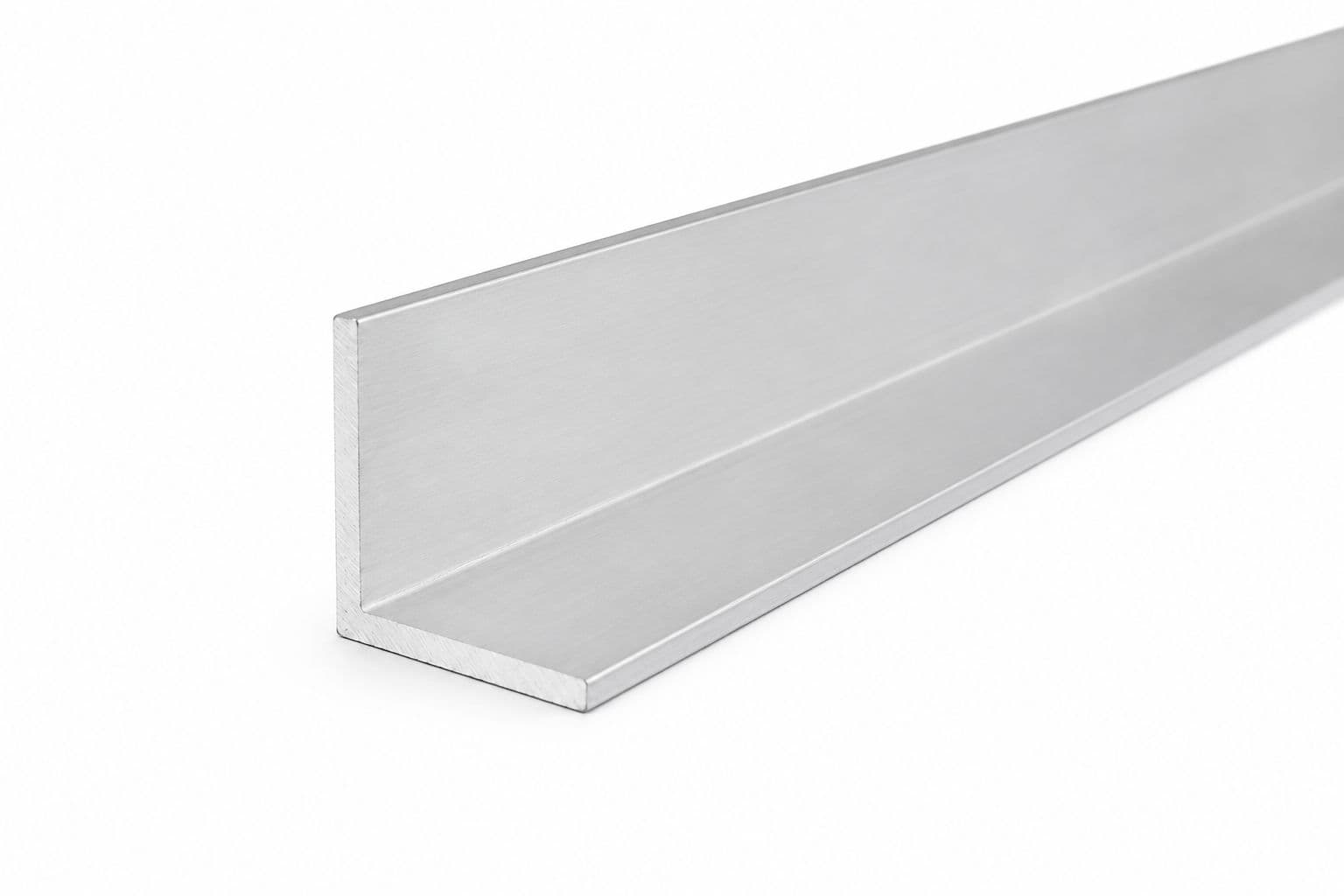 Aluminium angle 40x25x3 mm€5.28Request a quote
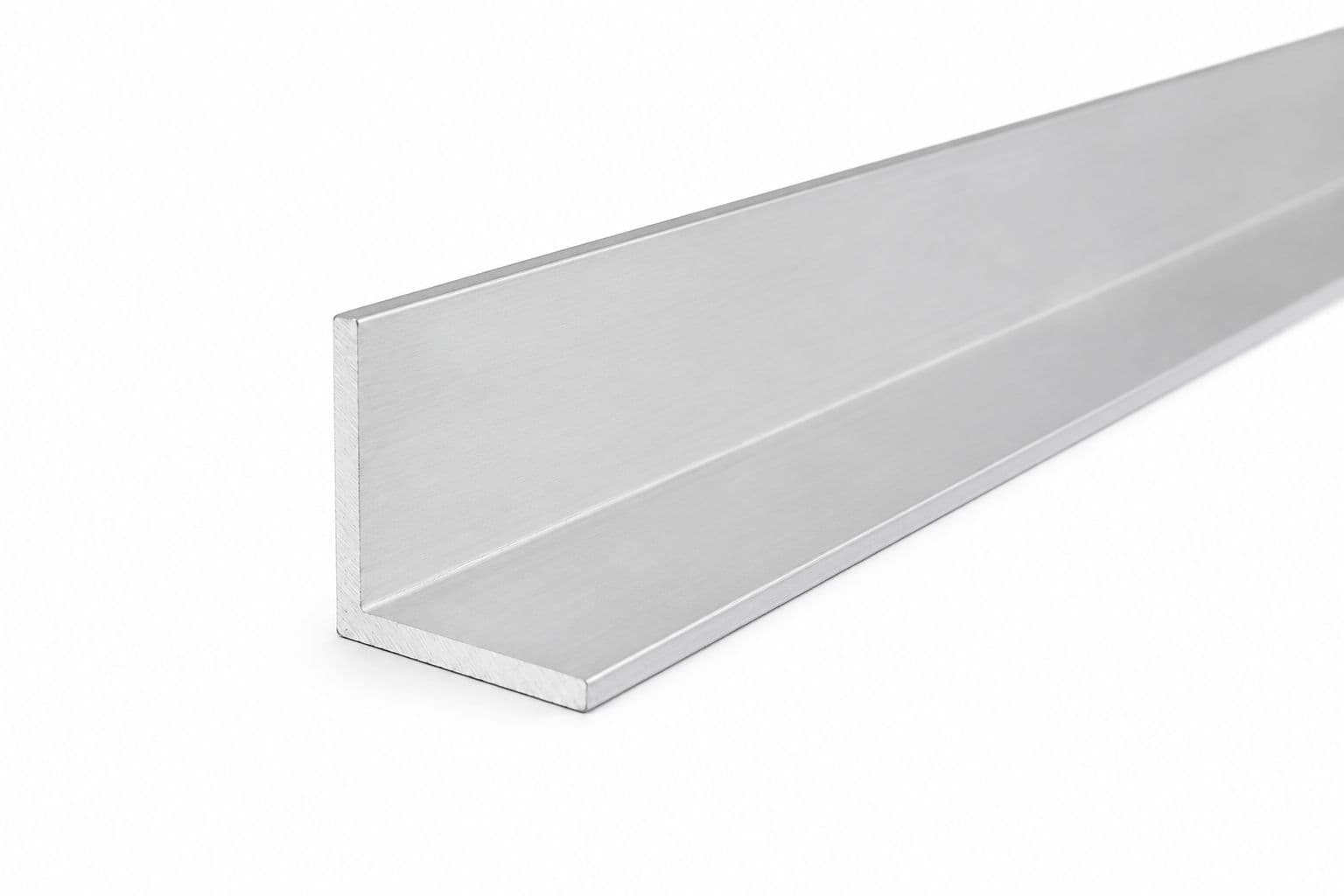 Aluminium angle 40x30x3 mm€5.70Request a quote
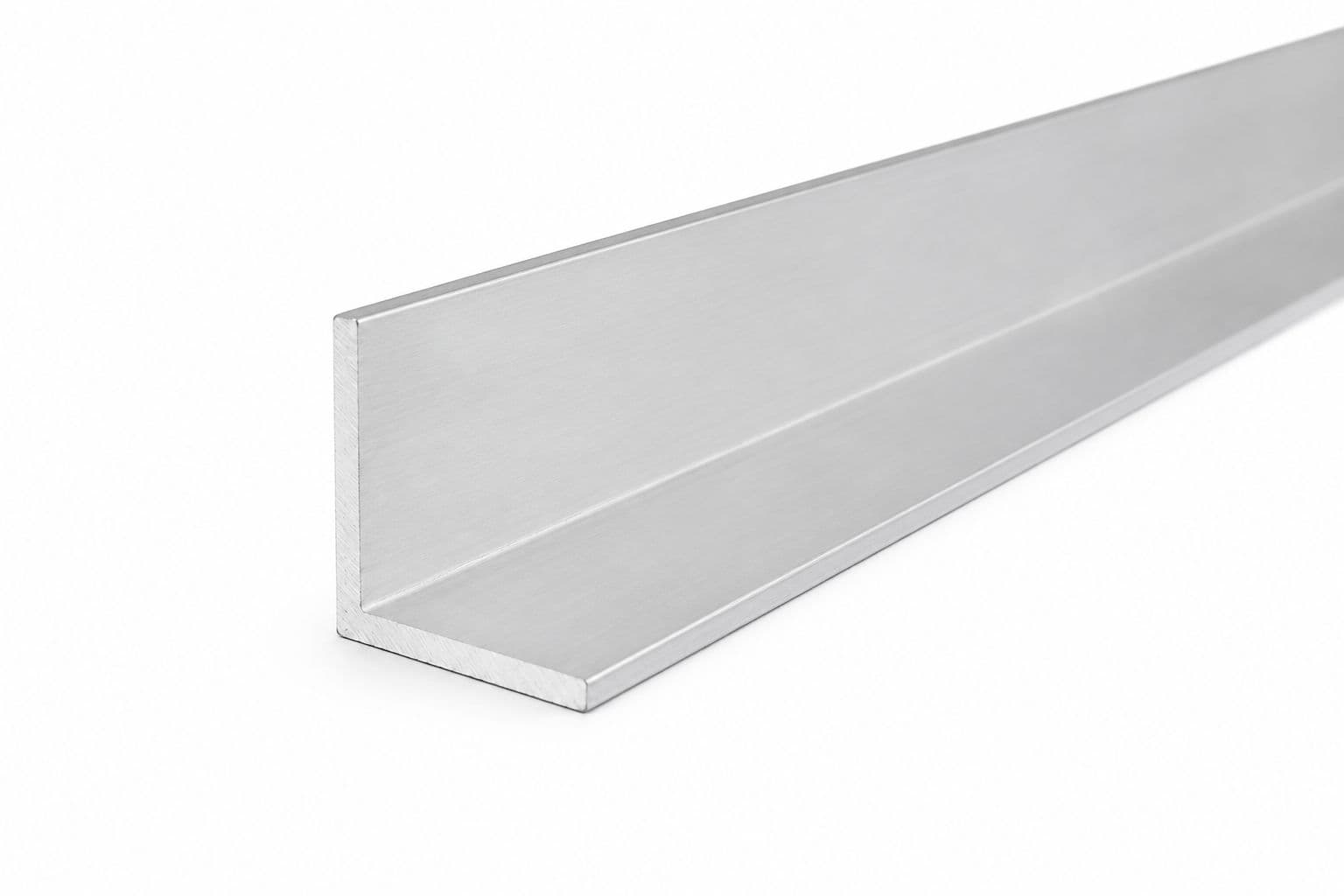 Aluminium angle 40x40x2 mm€4.43Request a quote
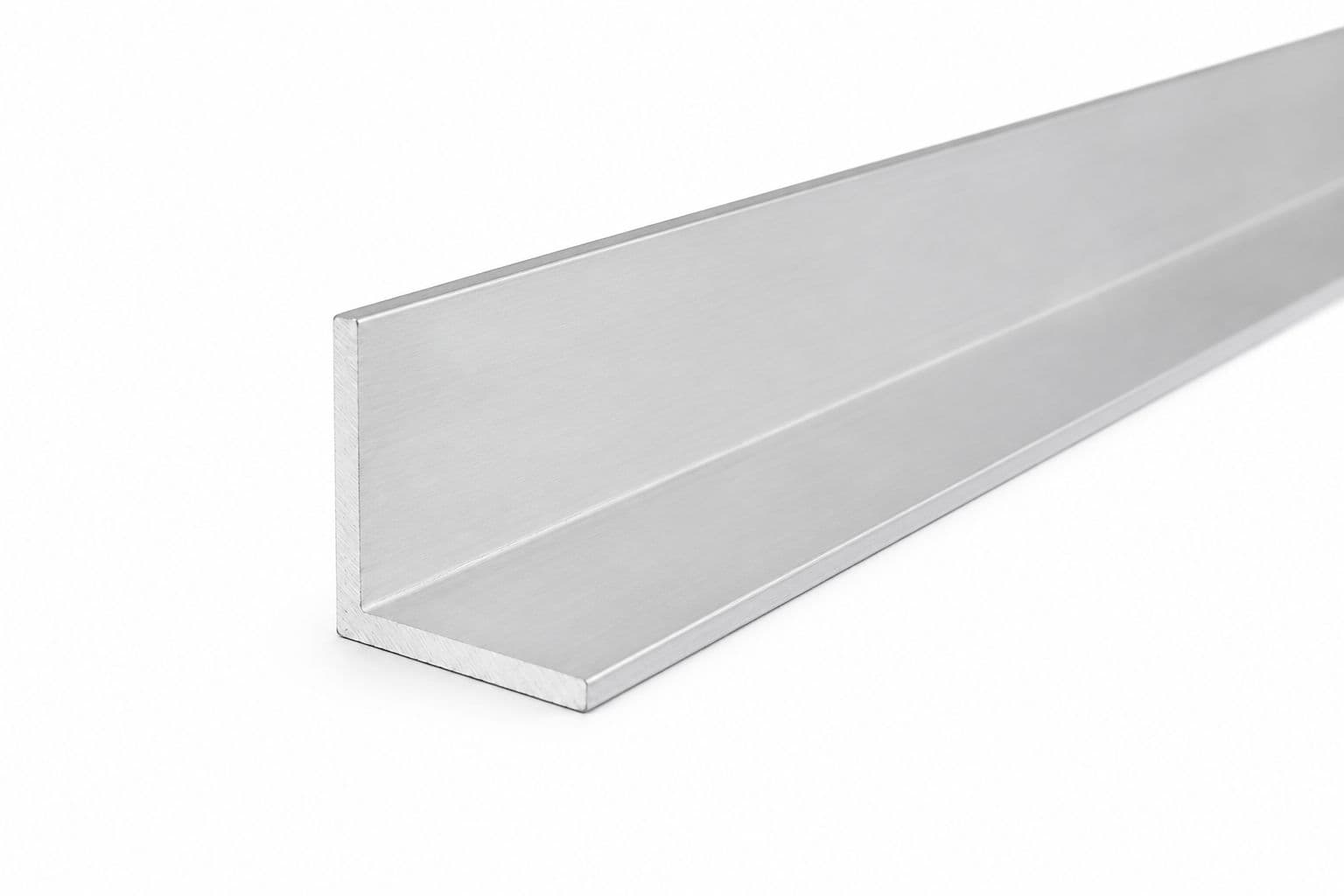 Aluminium angle 40x40x3 mm€6.54Request a quote
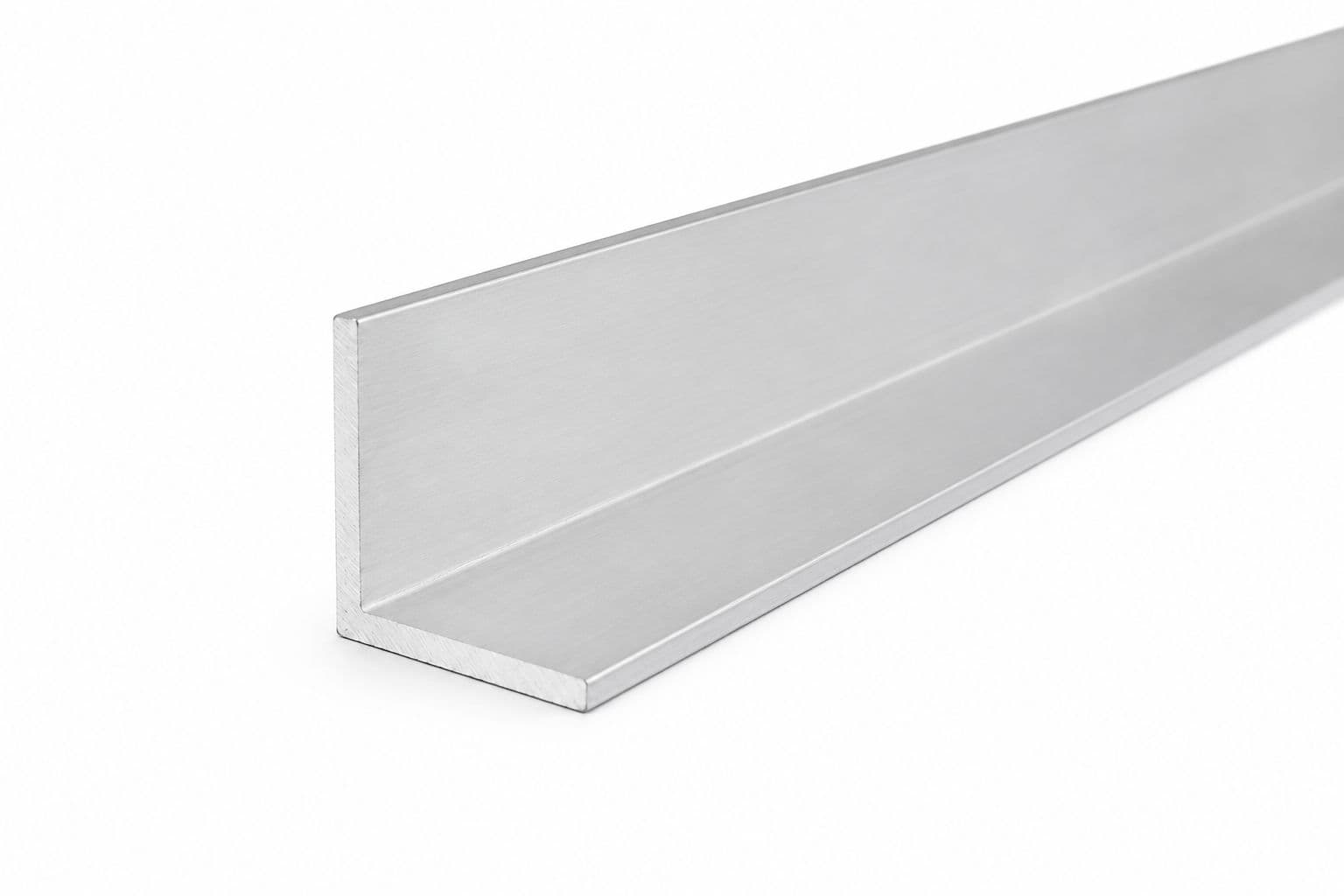 Aluminium angle 40x40x4 mm€8.76Request a quote
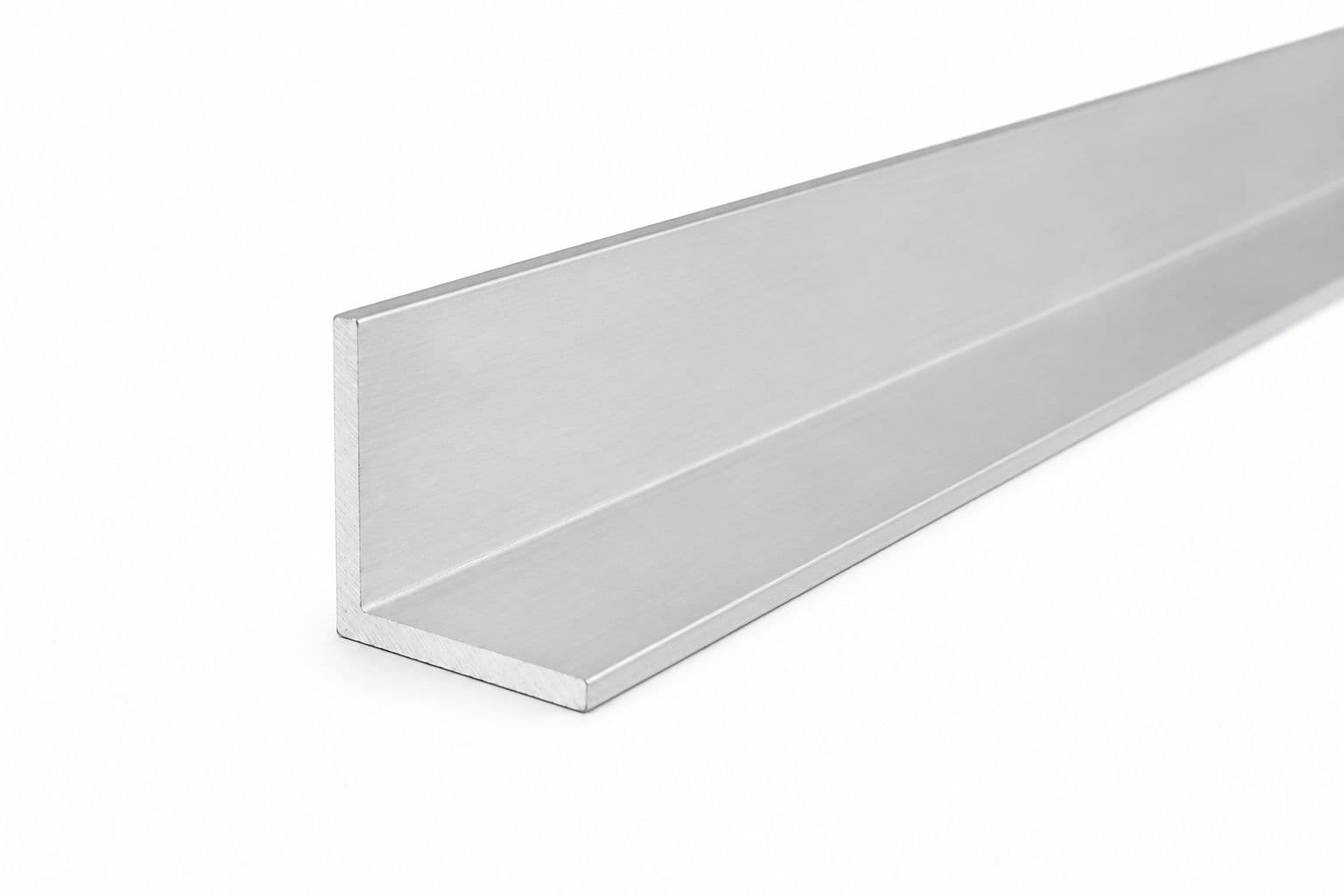 Aluminium angle 40x40x5 mm€10.87Request a quote
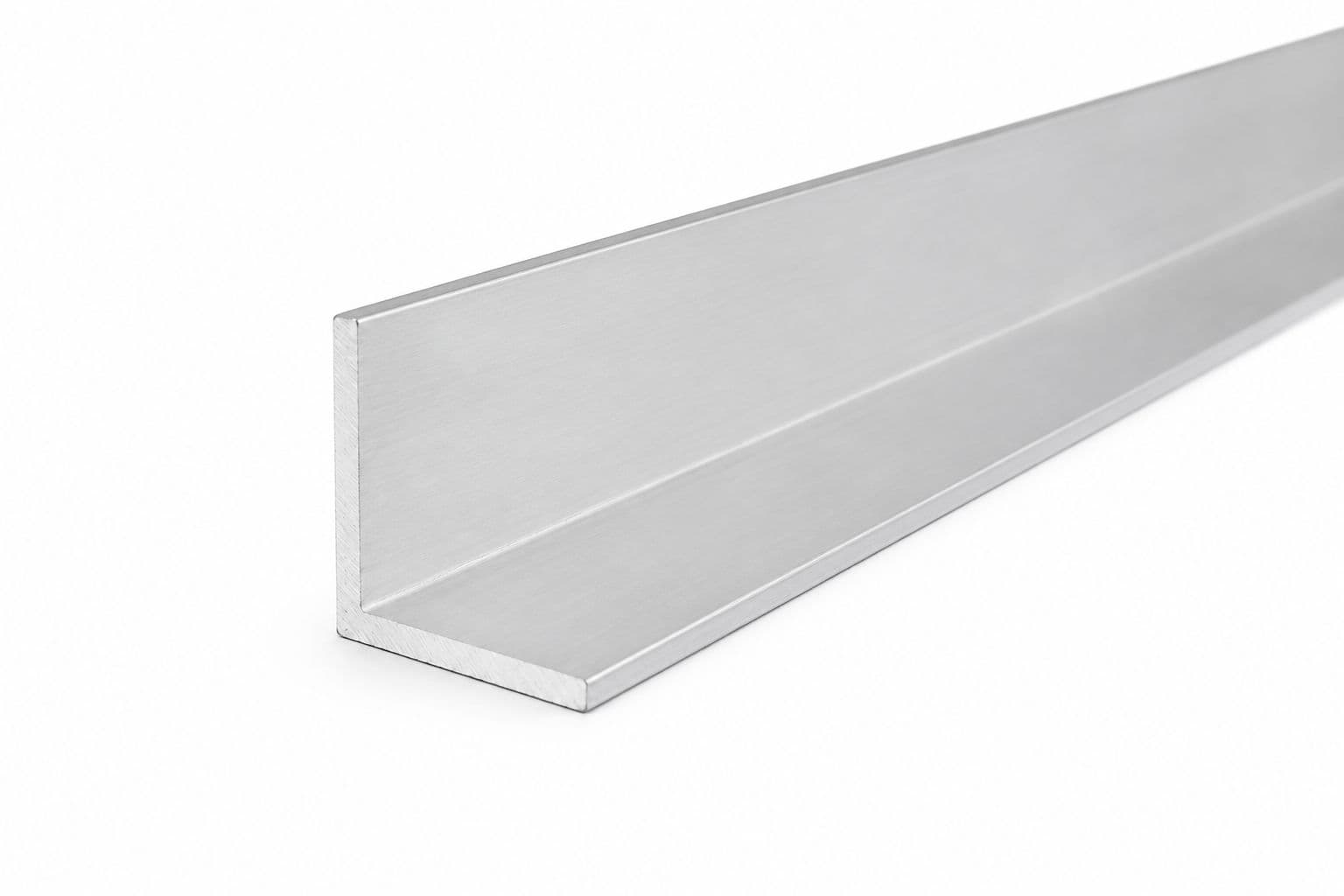 Aluminium angle 50x25x2 mm€4.11Request a quote
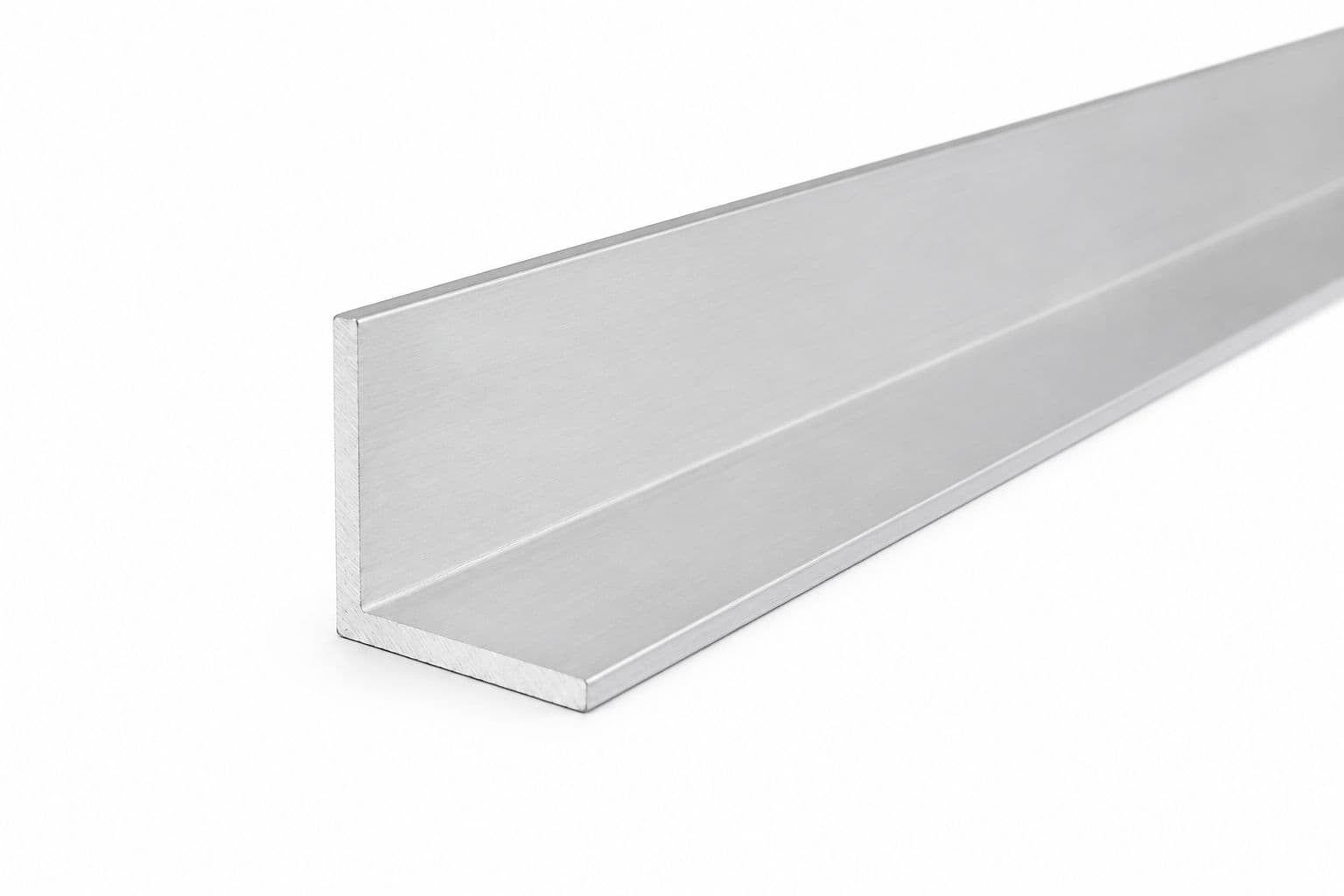 Aluminium angle 50x30x2 mm€4.43Request a quote
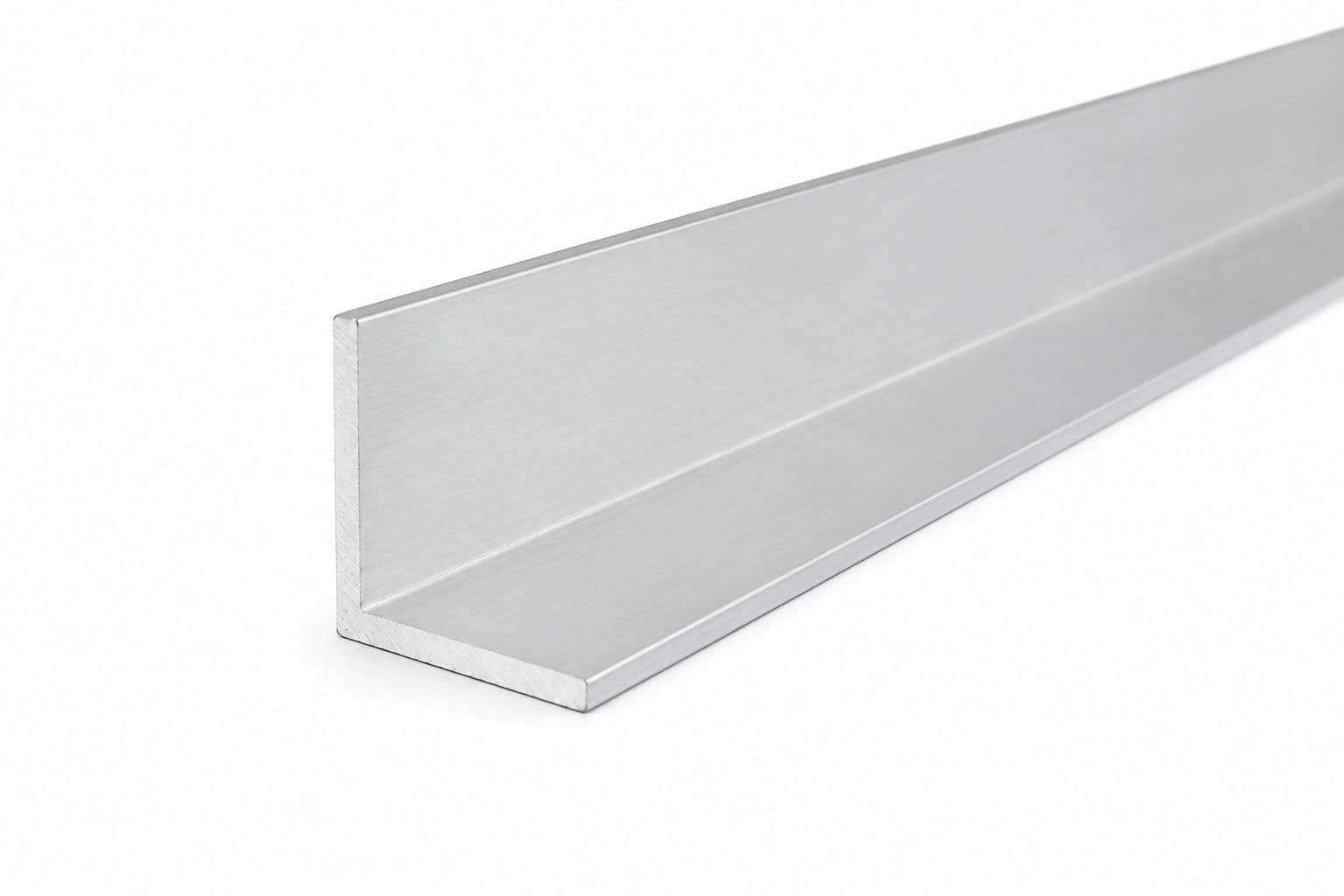 Aluminium angle 50x30x4 mm€8.76Request a quote
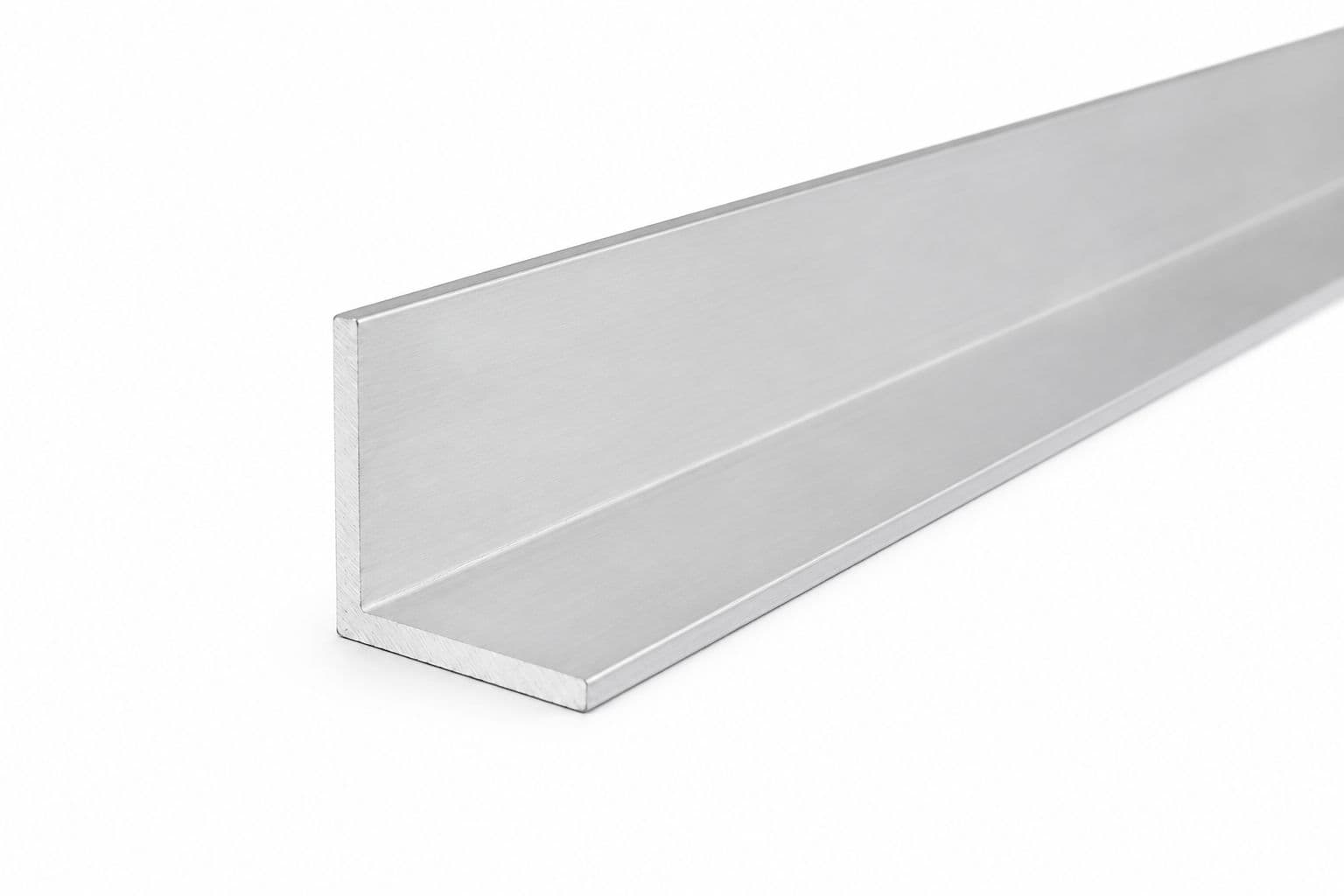 Aluminium angle 50x30x5 mm€10.66Request a quote
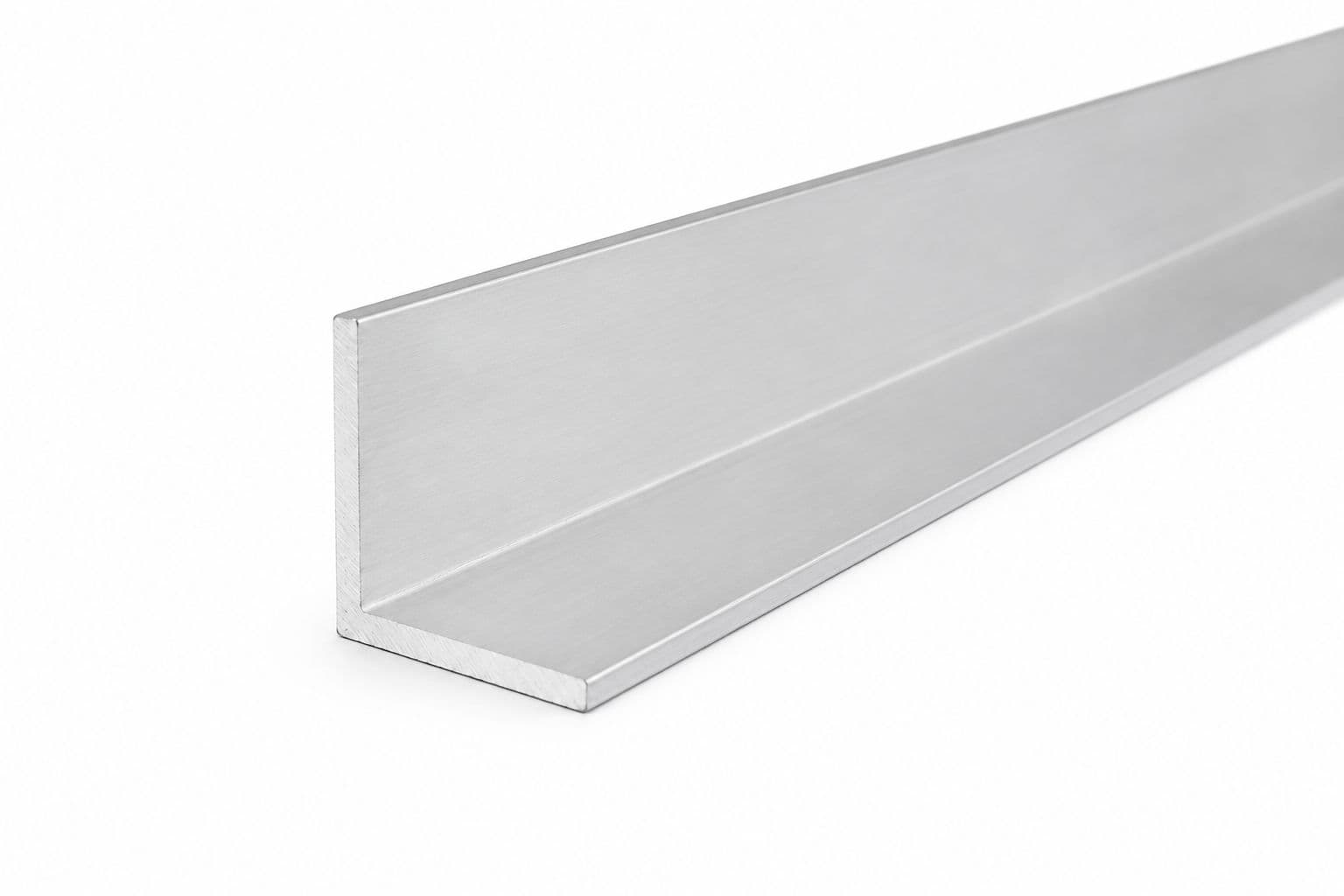 Aluminium angle 50x50x2 mm€5.59Request a quote
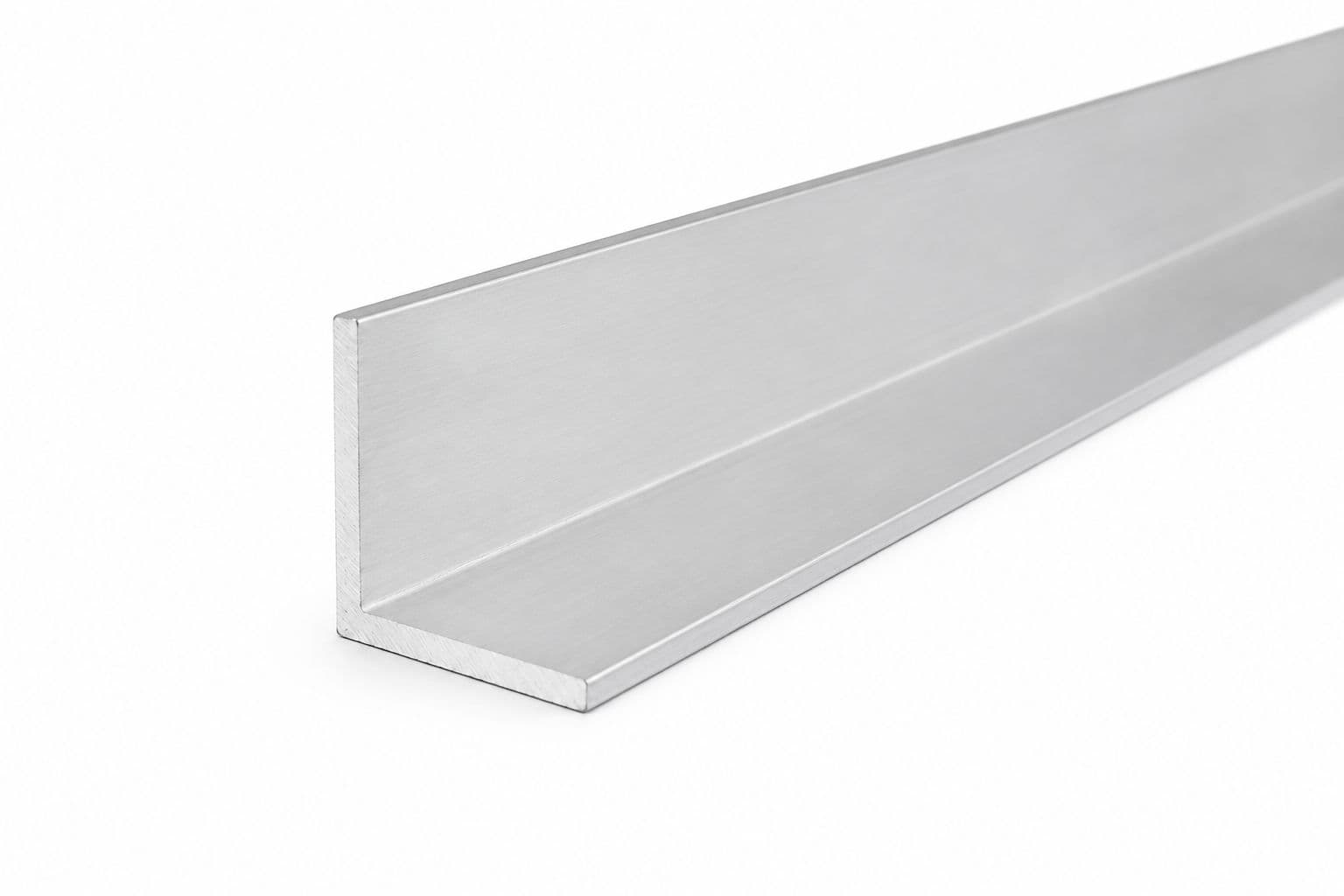 Aluminium angle 50x50x3 mm€8.34Request a quote
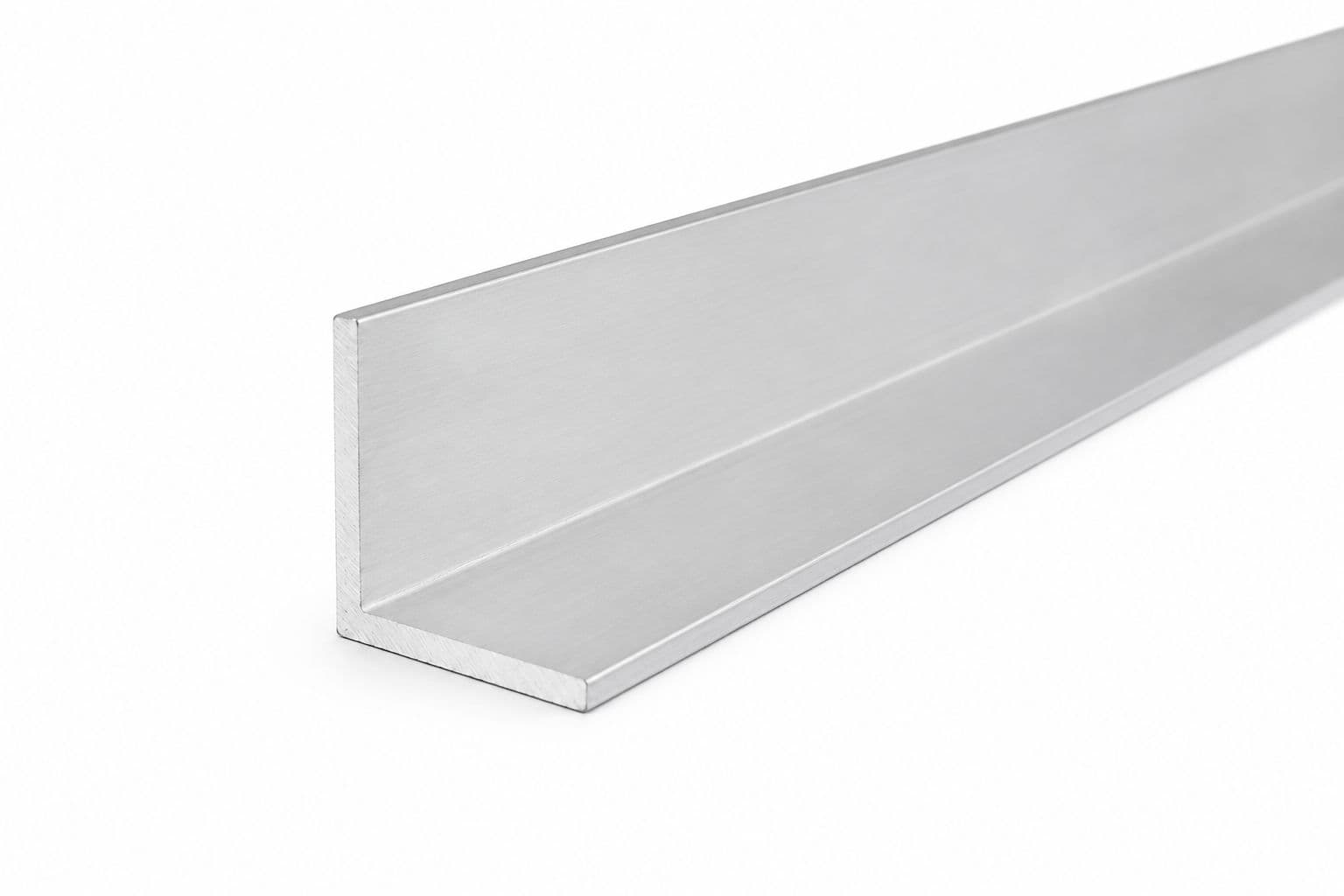 Aluminium angle 50x50x4 mm€10.98Request a quote
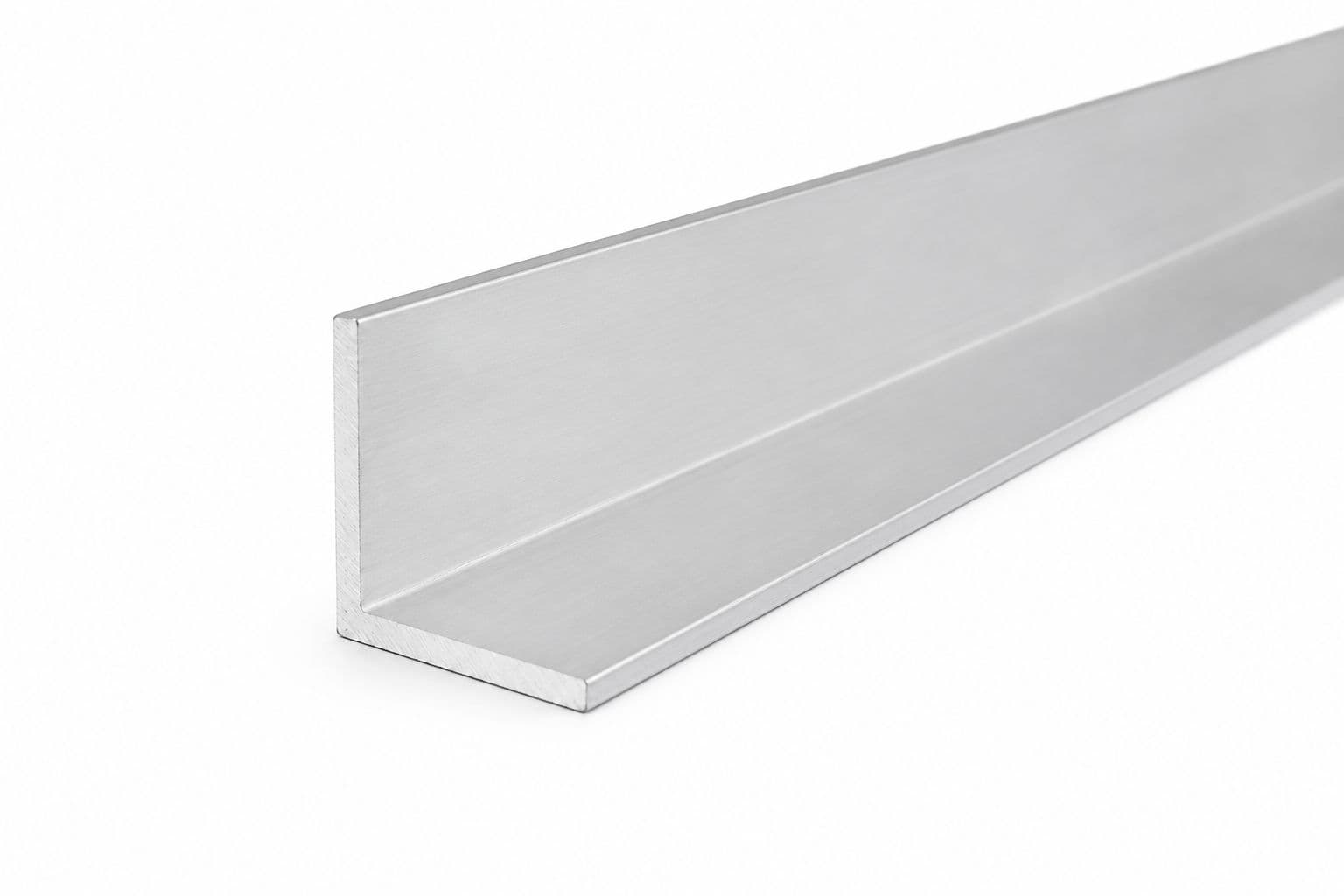 Aluminium angle 50x50x5 mm€13.51Request a quote
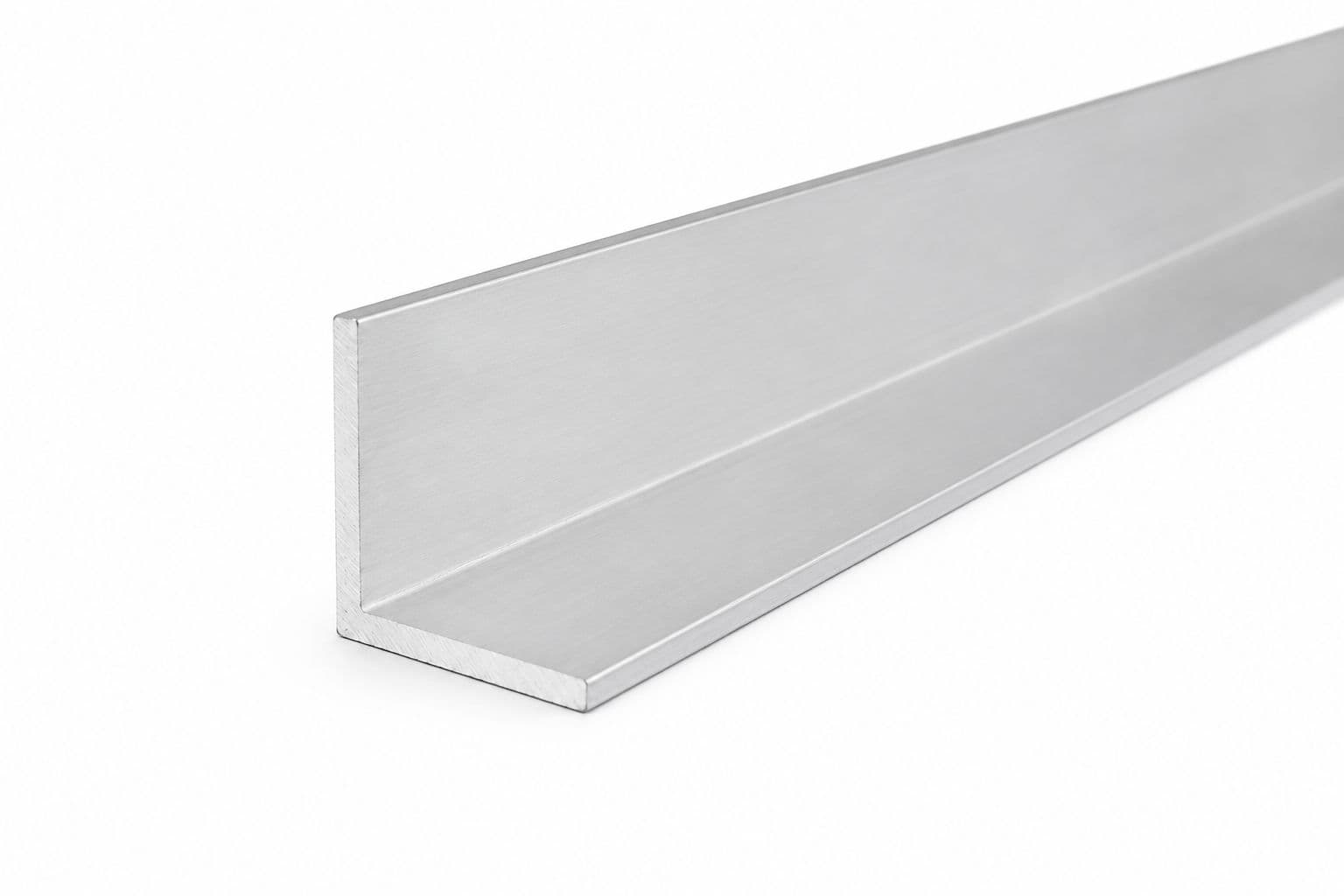 Aluminium angle 60x20x2 mm€4.43Request a quote
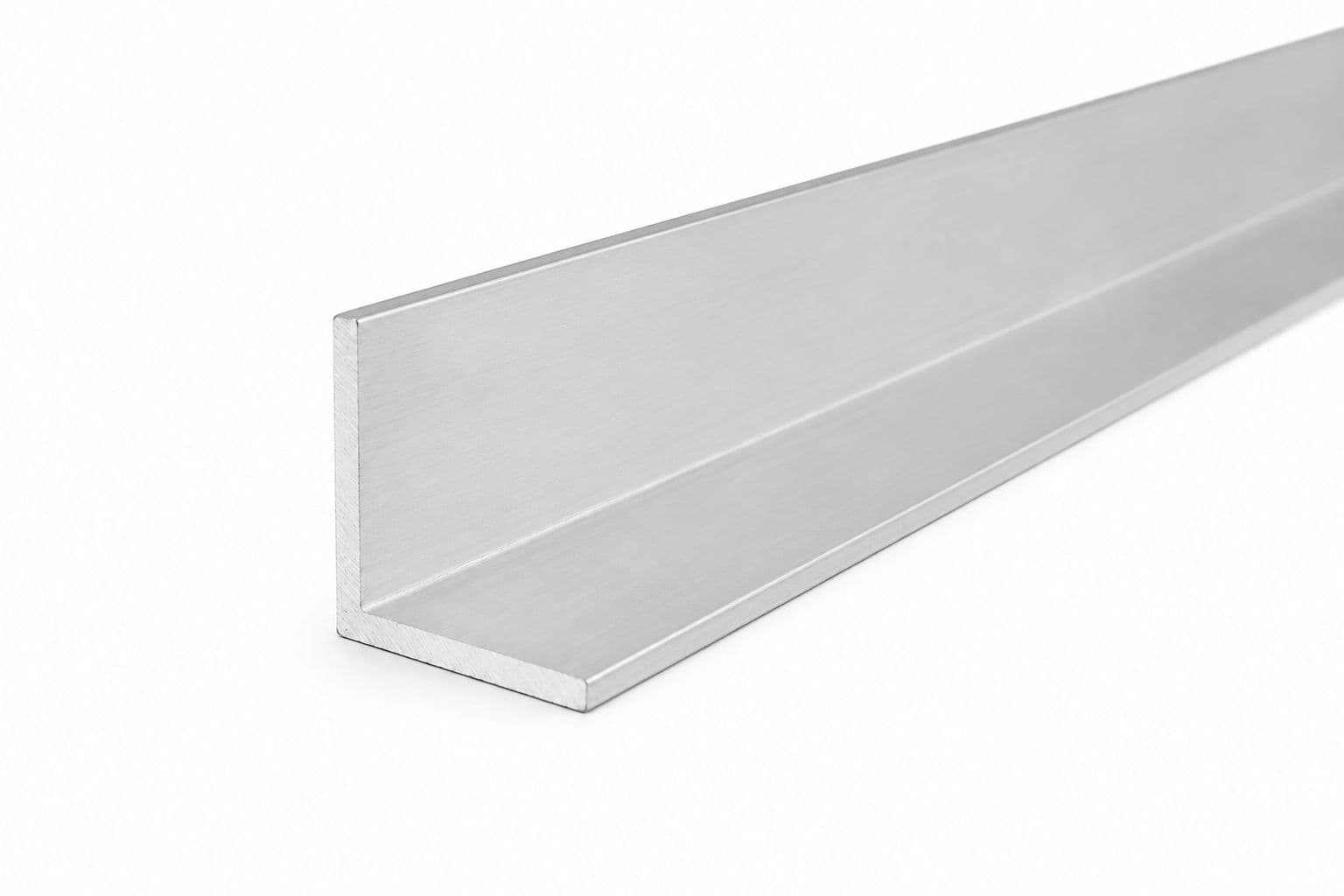 Aluminium angle 60x30x3 mm€7.49Request a quote
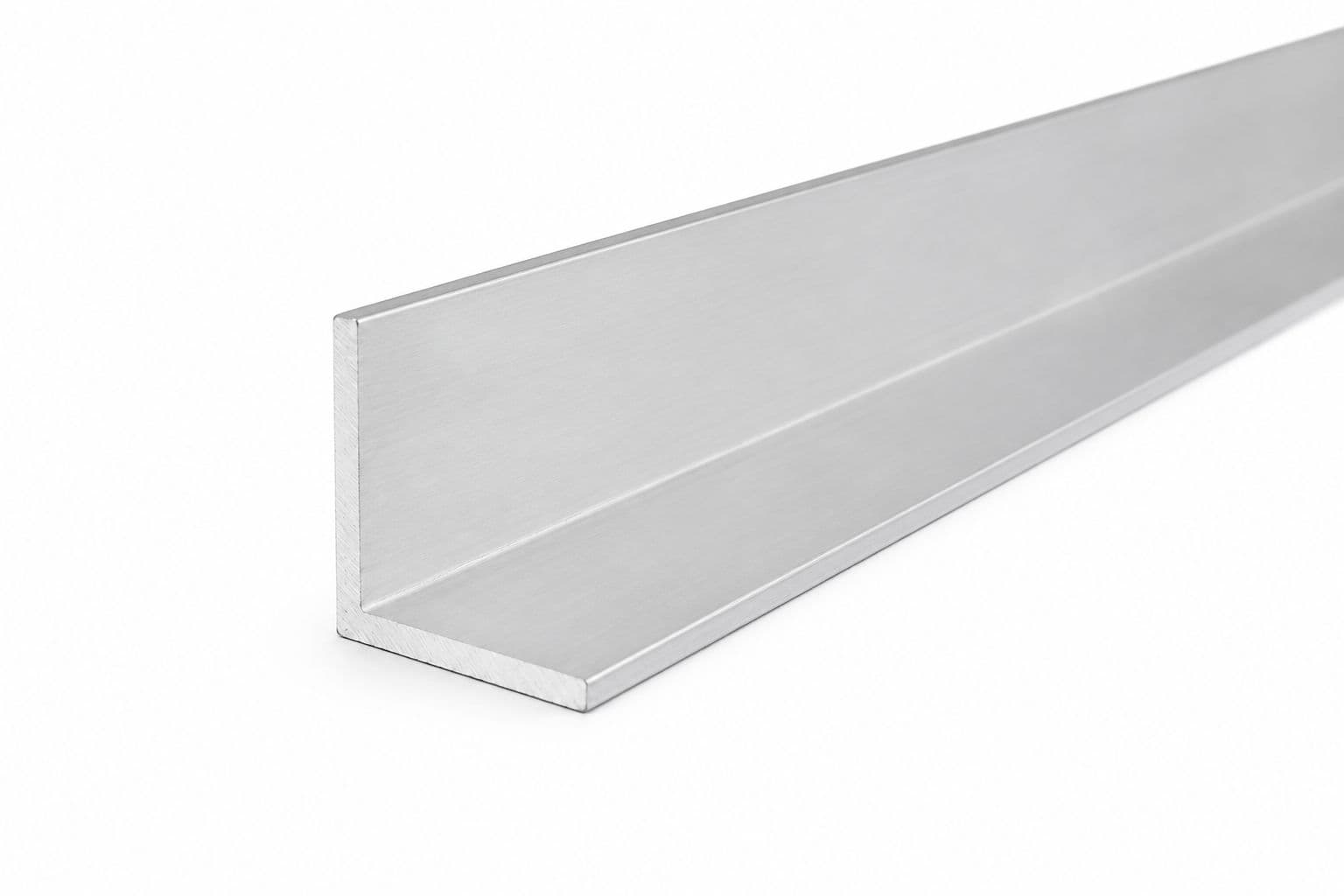 Aluminium angle 60x40x3 mm€8.34Request a quote
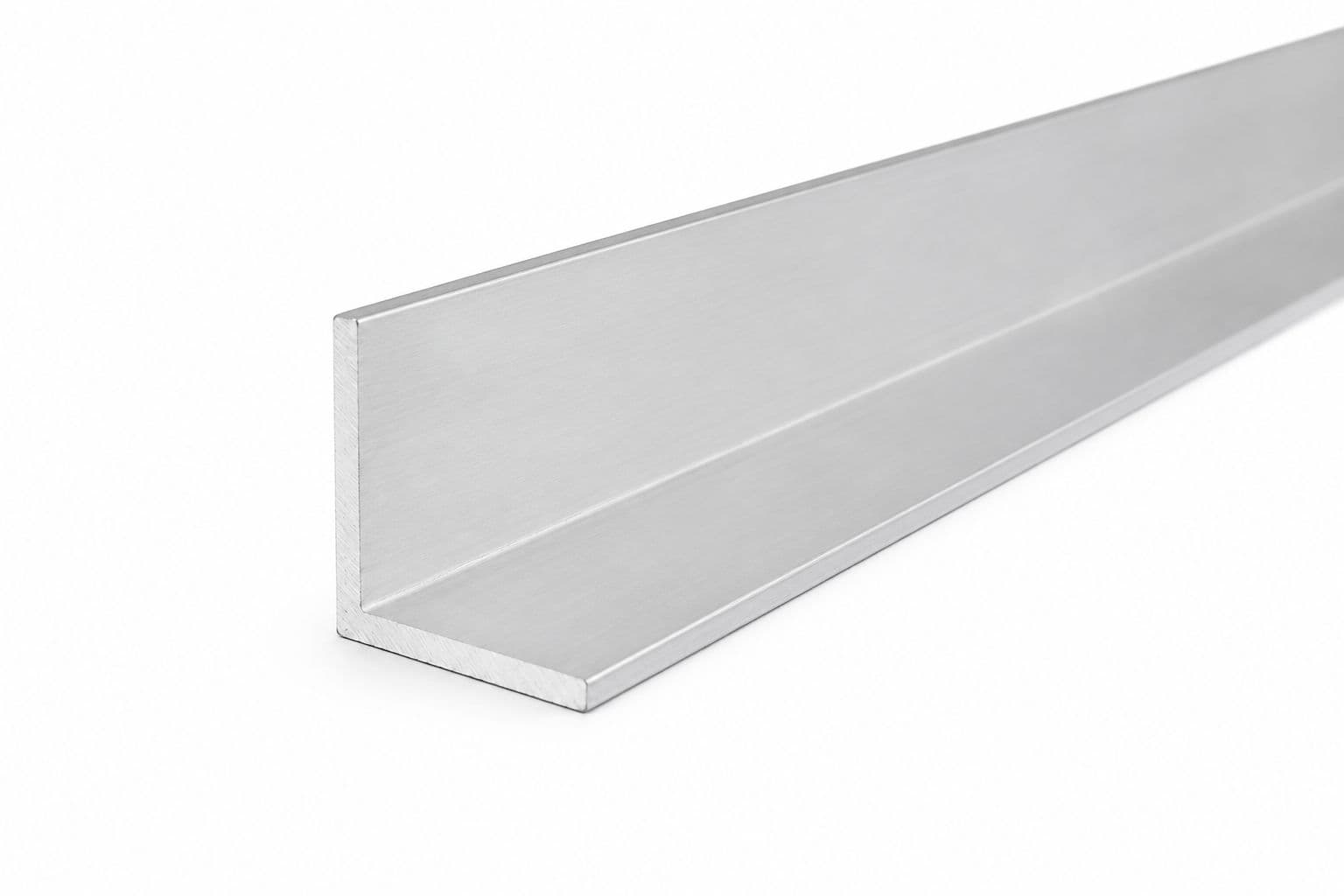 Aluminium angle 60x40x5 mm€13.62Request a quote
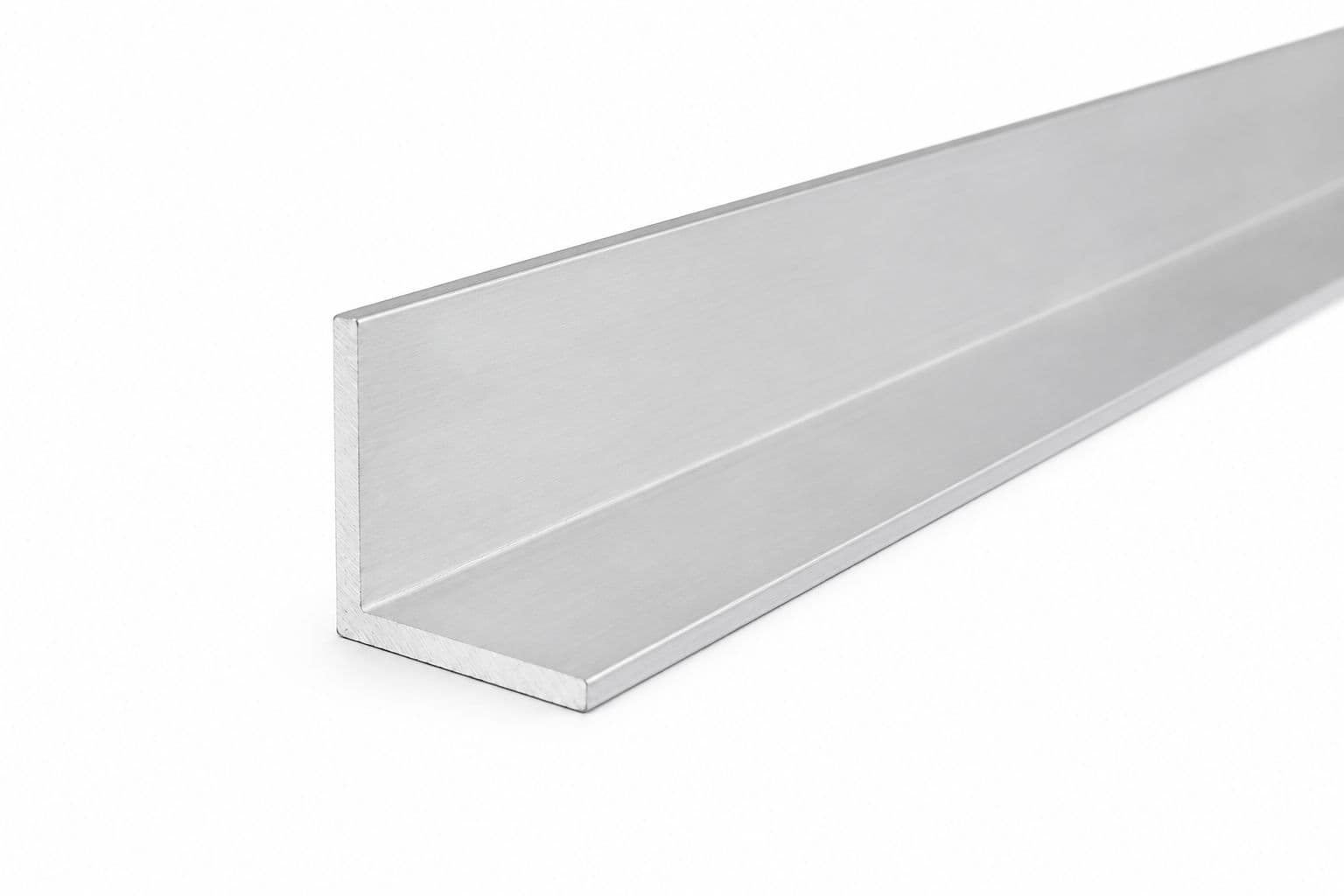 Aluminium angle 60x60x3 mm€10.03Request a quote
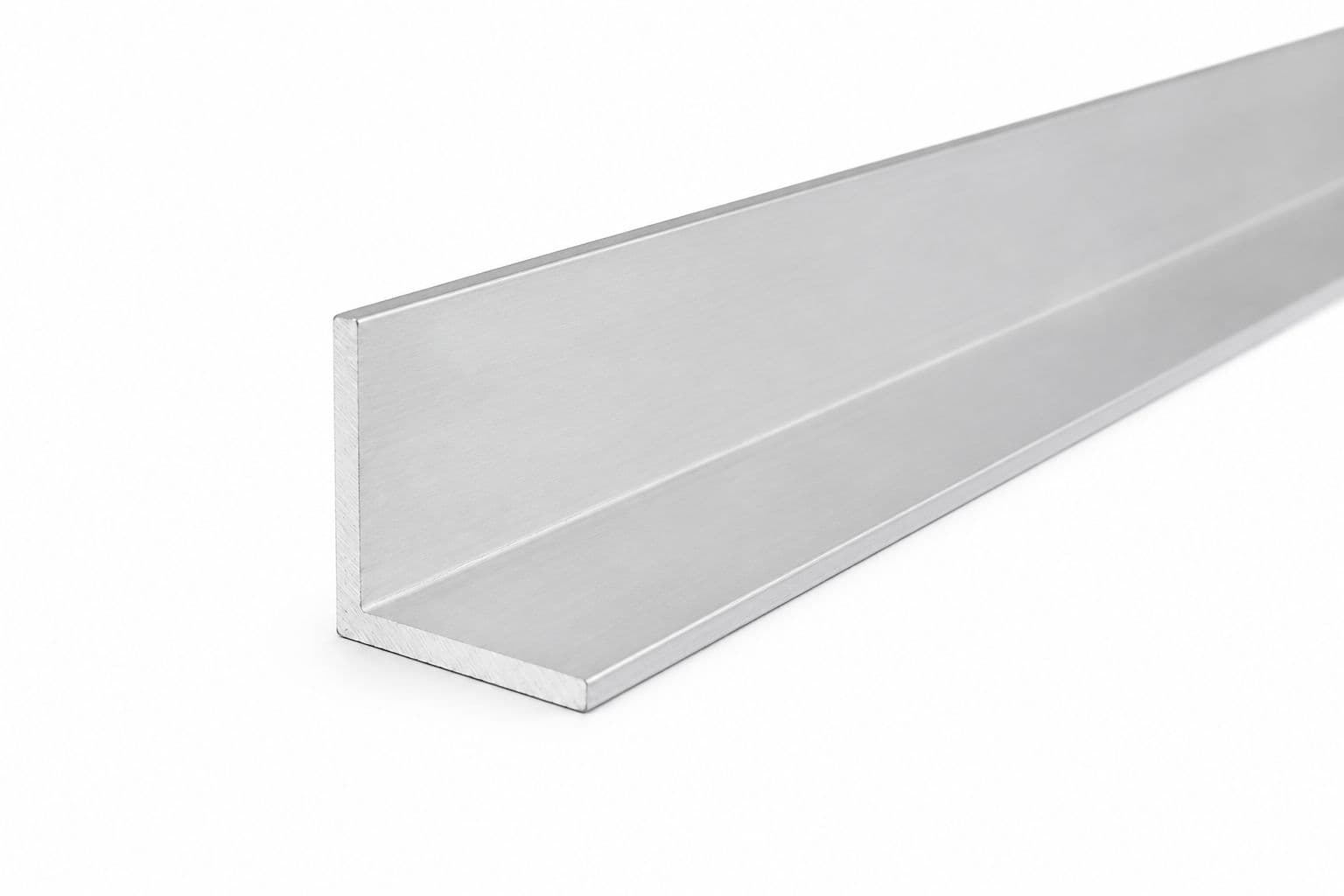 Aluminium angle 60x60x5 mm€16.46Request a quote
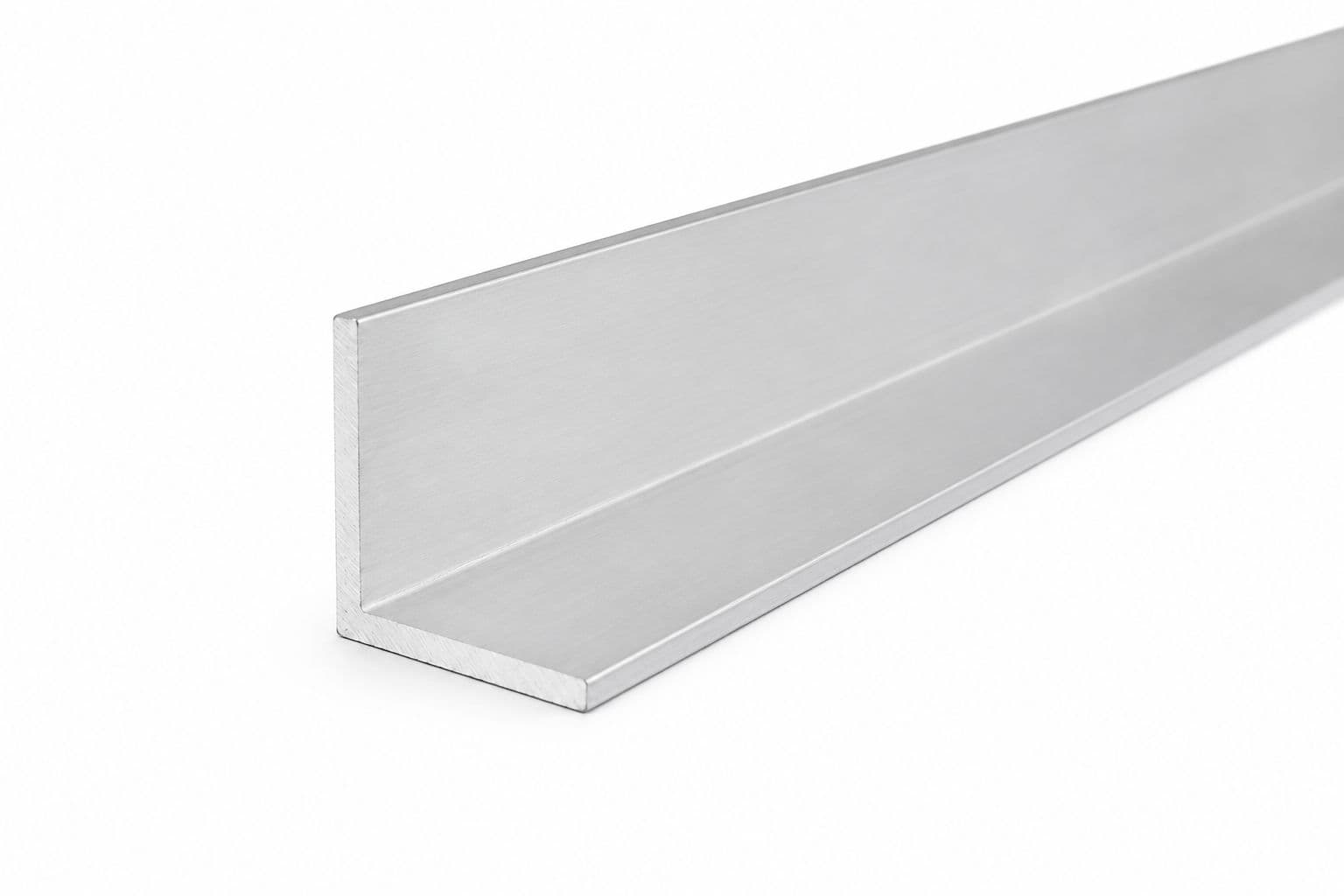 Aluminium angle 80x20x2 mm€5.59Request a quote
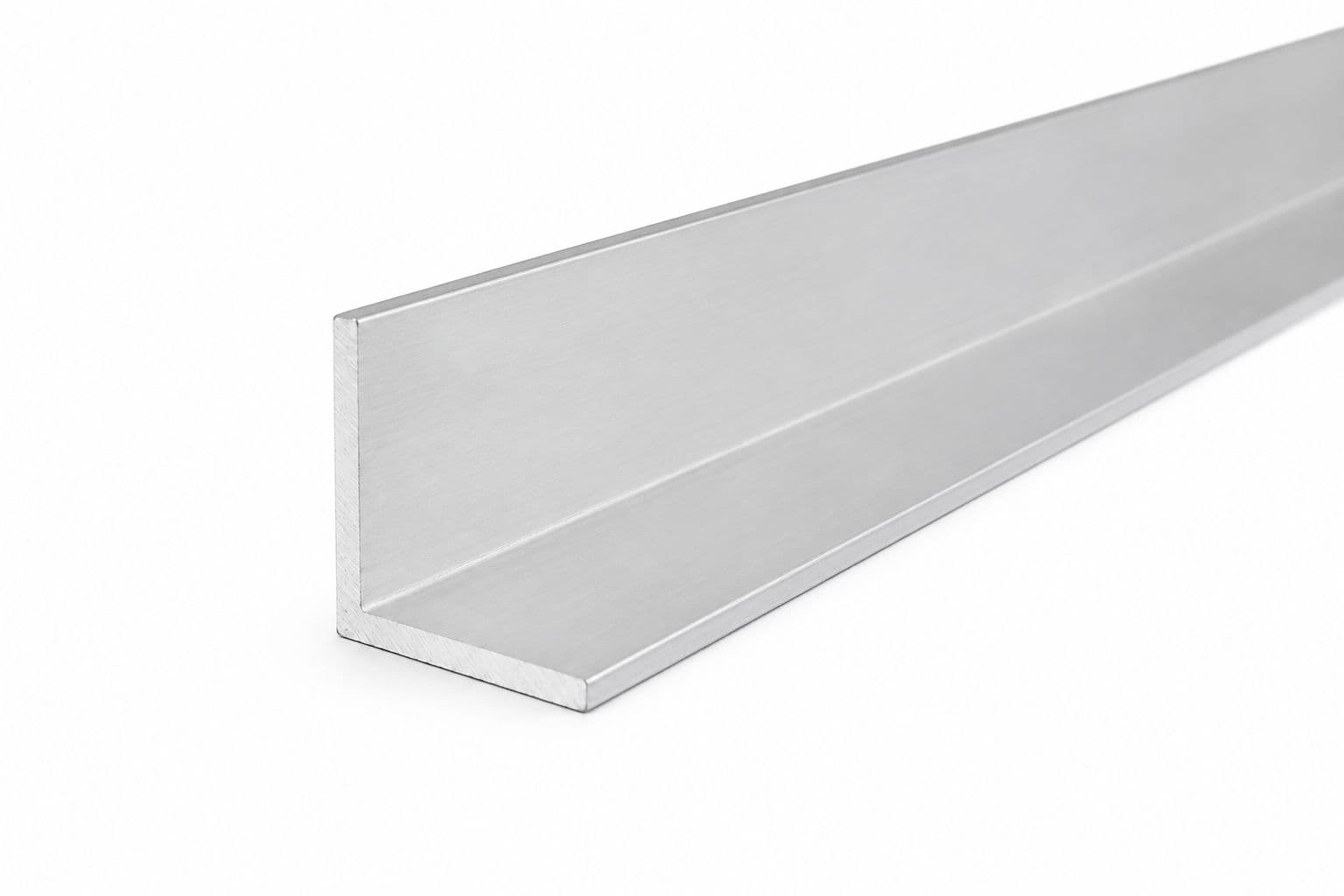 Aluminium angle 80x40x3 mm€9.82Request a quote
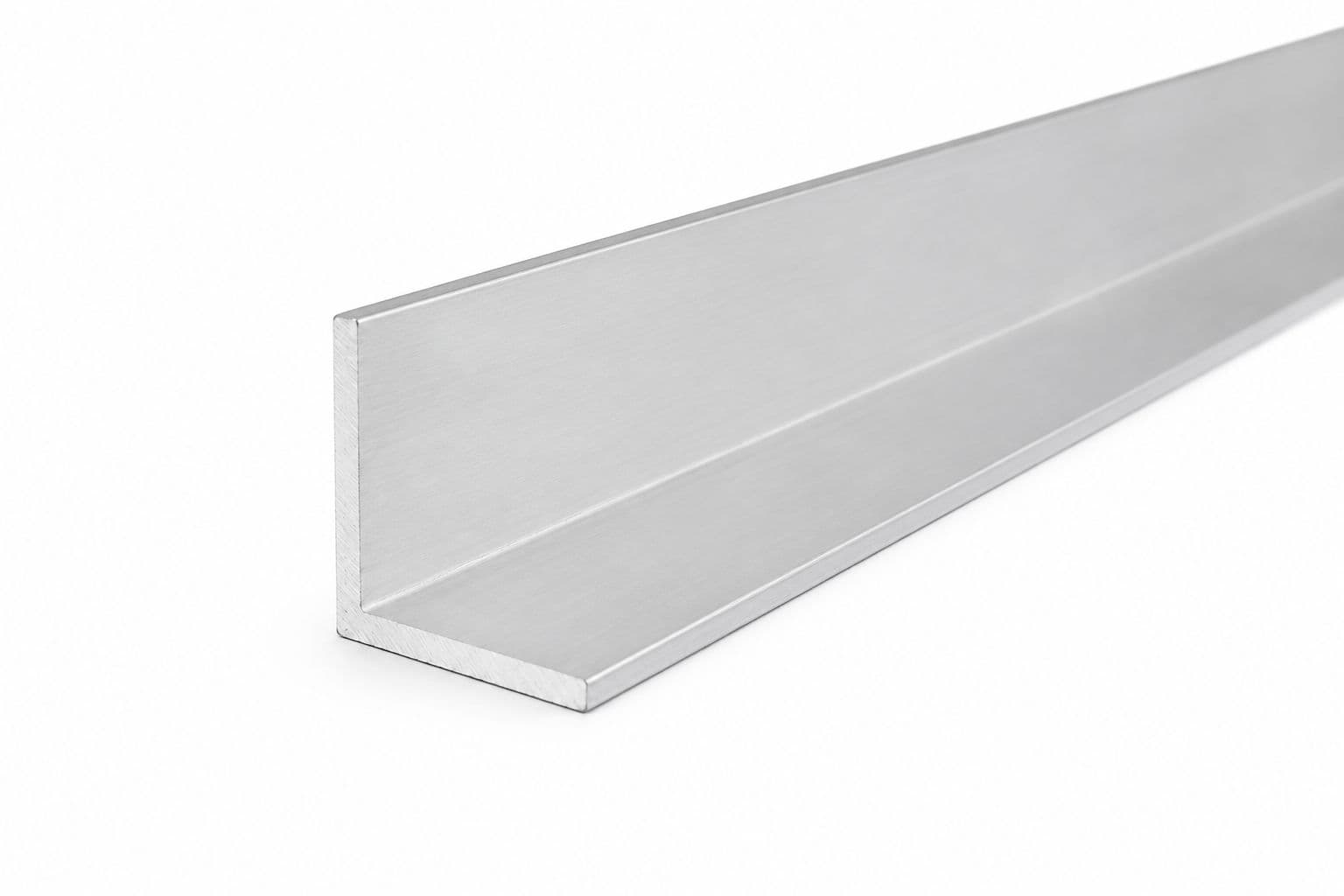 Aluminium angle 80x50x6 mm€21.22Request a quote
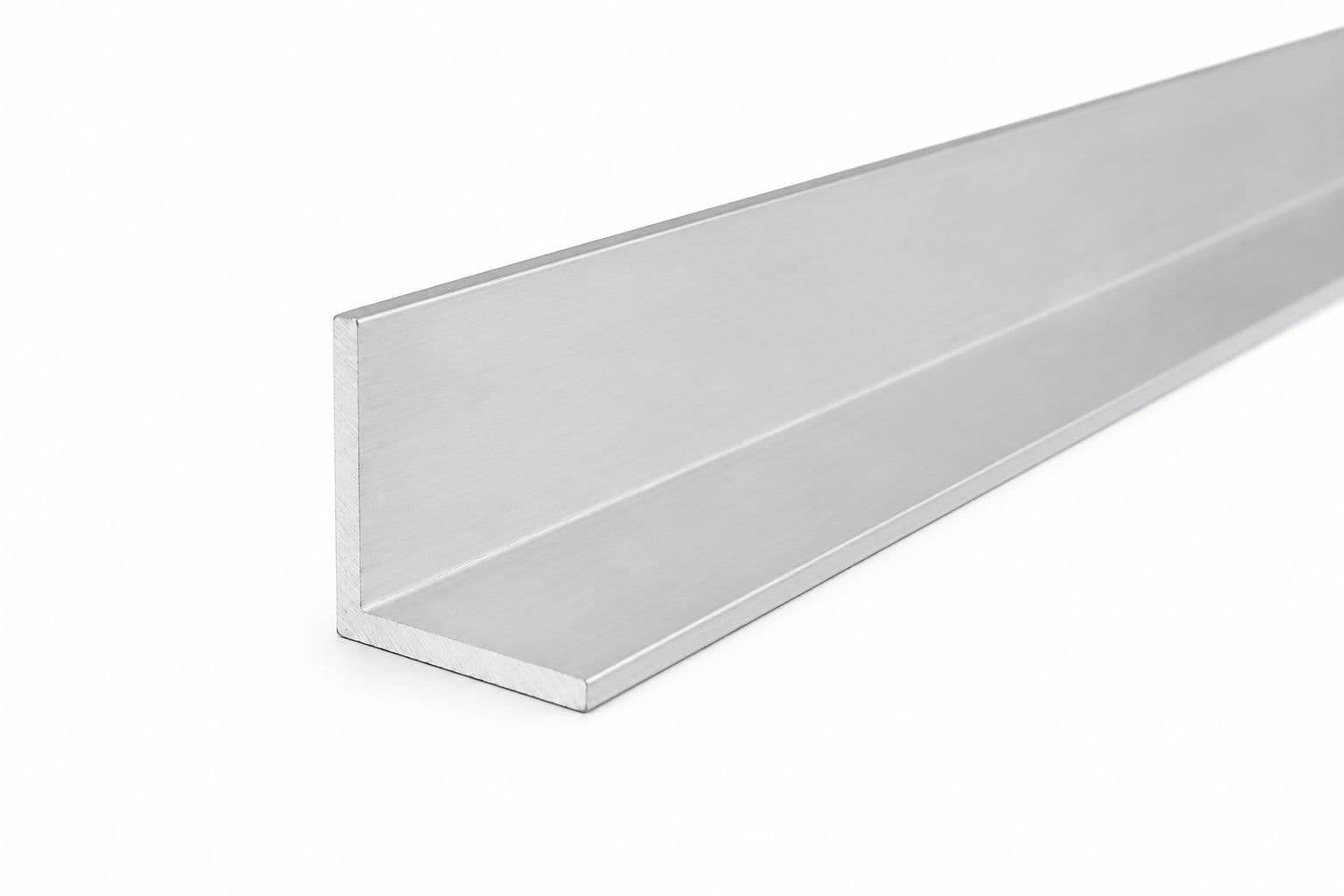 Aluminium angle 80x80x5 mm€22.17Request a quote
About this category: Decking joistsRead more ↓
Decking joists – components supporting the entire deck structure
Joists are structural components of a deck designed to support and stabilise decking boards, keeping them in the correct position while the deck is in use. They are long beams laid parallel to one another, distributing the weight of the boards, furniture and people across their surface. They prevent the boards forming the deck surface from moving, with the boards secured to the joists using screws.
Decking joists separate the boards from the damp ground, which could damage them. They provide indirect protection against moisture for the visible parts of the deck by directing water run-off appropriately. Decking boards are laid perpendicular to the joists, which support the entire deck structure, so the choice of material and professional installation of these structural components are extremely important for the durability and service life of the whole structure.
Functions of decking joists
Joists are very important structural components of a deck because they perform several essential functions:
- they form the foundation of the deck. The entire weight of the structure rests on them. They bear the loads of the boards forming the deck surface, everything placed on it (e.g. furniture, railings, equipment, etc.) and its users;
- they transfer the load from the boards or slabs to the ground. This ensures the safety of everyone on the deck. Proper weight distribution and, above all, the ability to withstand heavy loads help keep the structure in good condition for a long time;
- they ensure the deck's resistance to the damaging effects of weather conditions, such as fluctuating temperatures, rain or snow and moisture, by directing water drainage.
Decking joists – types
Depending on the specifics of the project, budget, intended use and the customer's individual needs, different types of decking joists are used as the foundation of the structure being built. The types most commonly offered by garden construction contractors are timber joists, composite joists and aluminium joists.
Timber joists
Timber structural components seem a natural choice for decks with a wooden surface. Despite its imperfections, wood remains a frequently used material for decking joists. This is due to its natural, warm appearance and relatively high strength. Wood species used for joists include bangkirai, keruing, Siberian larch, spruce and pine,
Timber joists need maintenance using various preservative treatments. This increases their resistance to the damaging effects of weather conditions, especially moisture, which can cause timber joists to rot.
Composite joists
Composite is a material that combines the natural appearance of wood with the strength of plastic. Composite joists are becoming an increasingly popular choice for garden structures, especially when the decking surface will also be made from composite.
Their greatest advantage is their high resistance to weather conditions, especially moisture, mould and insect damage. They do not require complicated preservative treatments to keep the deck structure in good condition for a long time. Despite a higher initial construction cost than timber joists, composite joists are cheaper to maintain in the long term.
Aluminium joists
This type of structural component provides a modern, minimalist appearance. Aluminium joists are weather-resistant and very strong. Aluminium is a lightweight, non-combustible material – the joists are easy to install, and using this component reduces the risk of fire to a minimum.
Which decking joists should you choose?
Joists are usually chosen based on the type of boards. We recommend choosing composite joists for composite decking boards and timber joists for wooden boards to maintain a natural, consistent appearance throughout the structure.
How do timber joists differ from composite joists?
Timber joists are harder and allow greater spacing between supports, whereas composite joists are more durable and last longer because they are largely made of plastic.
What are joists used for?
Joists provide a base for the boards so that they are not installed directly onto the ground but are kept separate from it.
What affects the price of decking joists?
The price of decking joists depends on the material they are made from – aluminium joists are the best choice, so they are considerably more expensive than the others. Timber joists have different properties depending on the wood they are made from.
How does the type of joist affect the deck structure?
When building a deck, choosing the joists is just as important as choosing the boards. The joists form the foundation of the entire structure. That is why you should always think carefully before making a purchase.
Why are some joists better than others?
This comes down to the material used. Aluminium is lightweight and durable; wood is attractive and hard but susceptible to weather conditions; and composite is durable but only suitable for lighter loads.
Which type of joist is the most durable?
The most durable are aluminium joists with a large cross-section and thick walls, e.g. 8 x 4 cm. This type of joist does not need many supports and does not suffer any damage.
Which joists are the cheapest?
Timber joists are the cheapest, especially pine joists, because pine itself is an inexpensive wood. However, this does not mean that joists made from it are the worst, as it is very hard.
Why is the choice of joists so important?
The choice of joists affects the subsequent stages of the work. A poor decision results in a joist that is unsuitable for the structure, which can have disastrous consequences.
How do you install joists?
Joists are fixed to the substrate using hammer-in fixings, or adhesive if the substrate's insulation cannot be disturbed.