
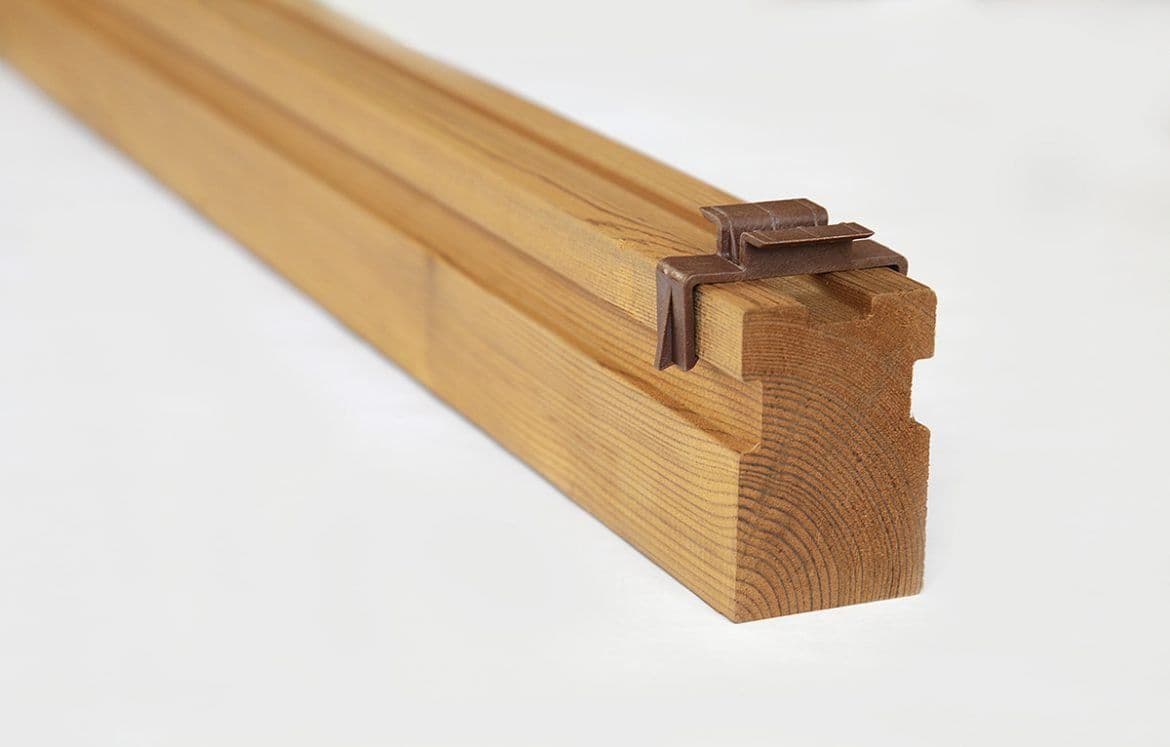
 Thermally modified pine CLIP timber decking joist 45x68€43.71Request a quote →
Categories and filters ▾
Categories
Width [mm]
45 – 70 mm45–70
9 series
Thermally modified pine CLIP timber decking joist 45x68€43.71Request a quote →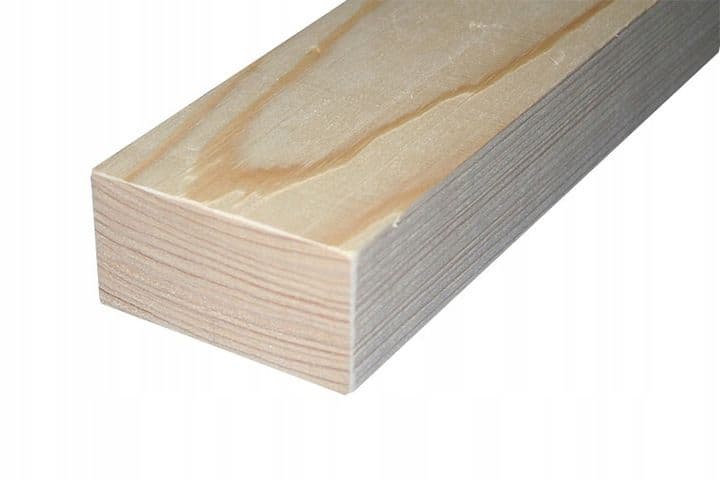 SPRUCE timber decking joist 42x60€8.56Request a quote →
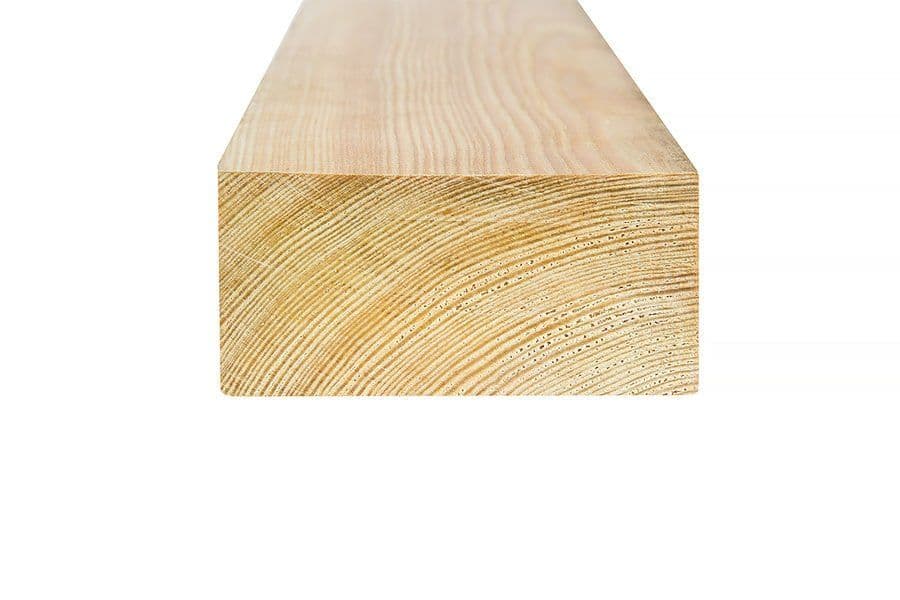 SIBERIAN LARCH finger-jointed timber decking joist 45x70€35.23Request a quote →
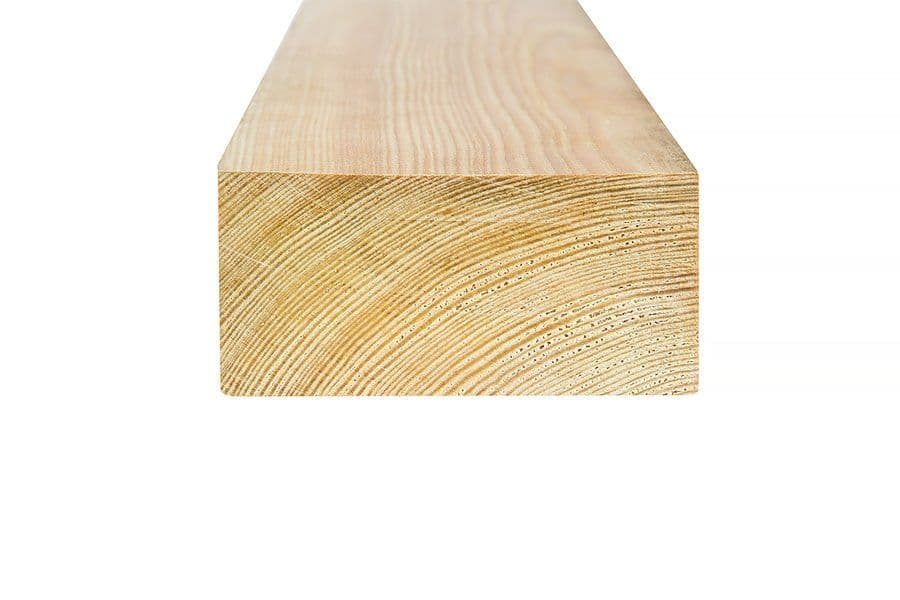 SIBERIAN LARCH timber decking joist 45x70€18.38Request a quote →
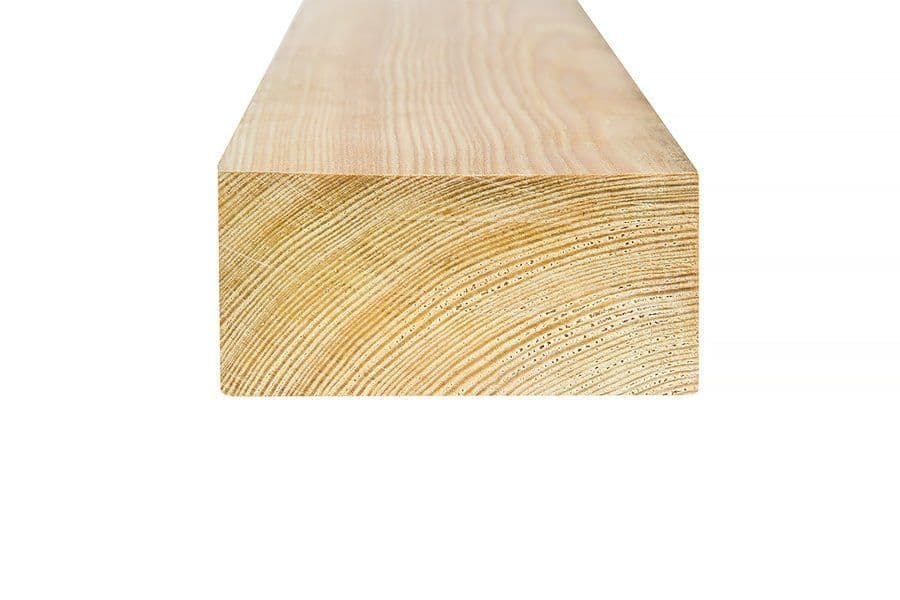 Finger-jointed SIBERIAN LARCH timber decking joist 45x60€31.17Request a quote →
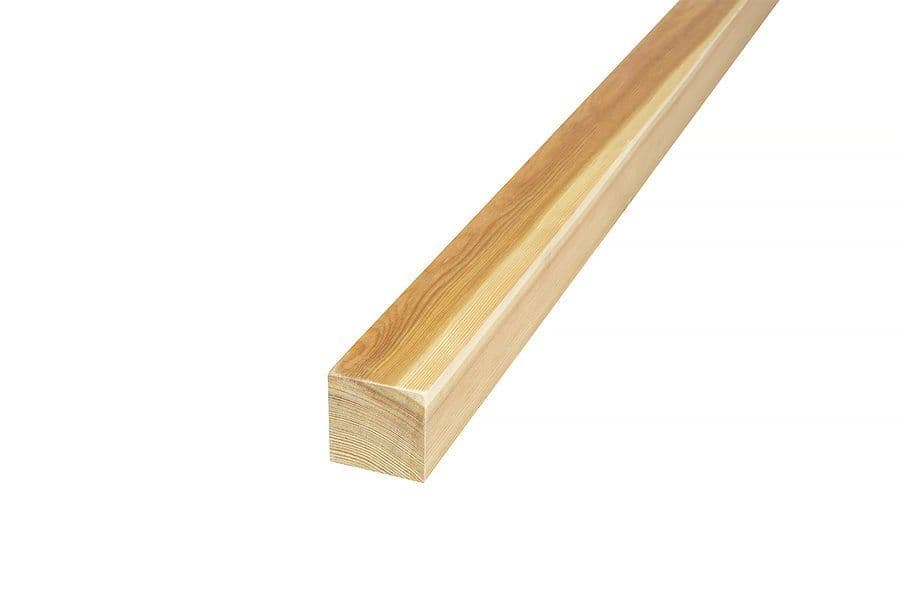 SIBERIAN LARCH timber decking joist 45x45€12.00Request a quote →
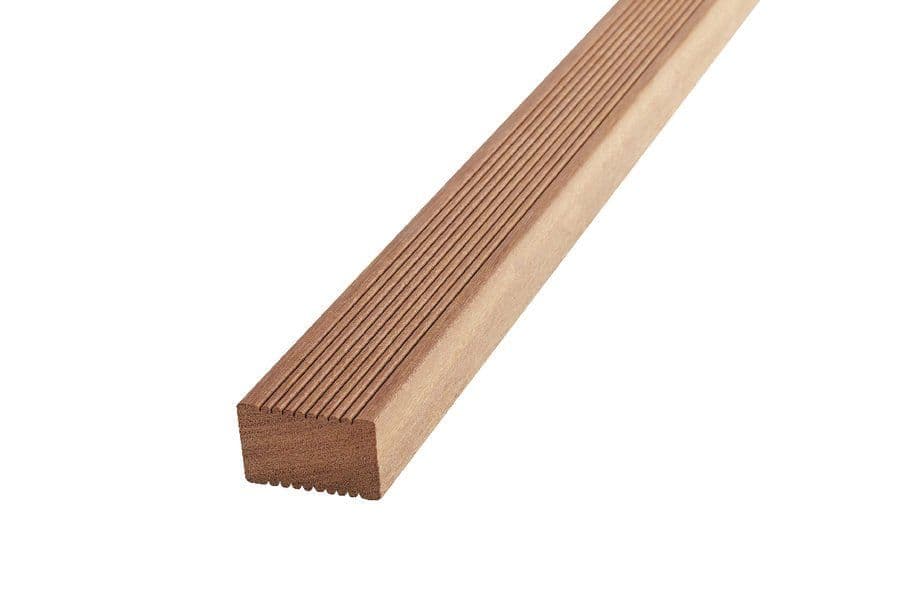 KERUING timber decking joist 42x70€19.00Request a quote →
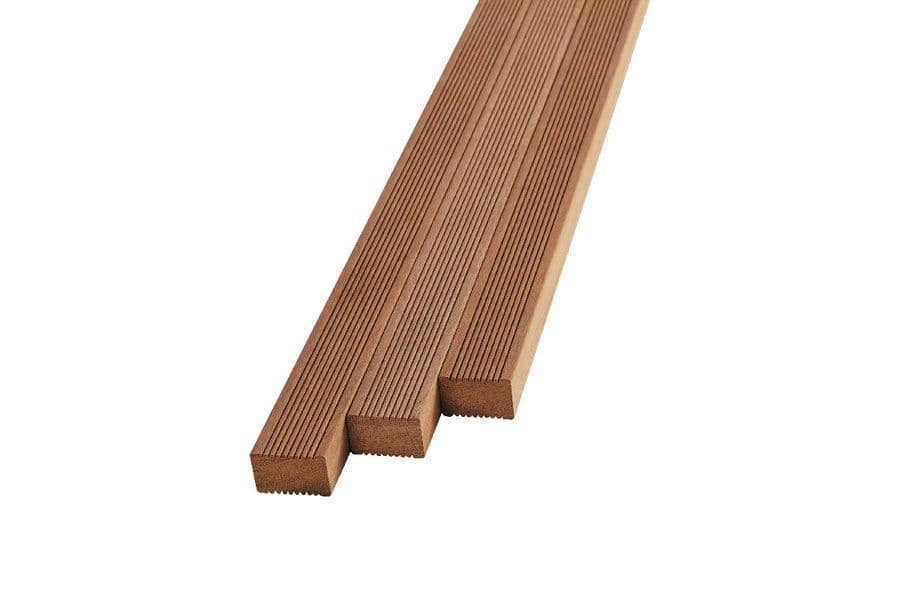 KERUING timber decking joist 40x60€18.38Request a quote →
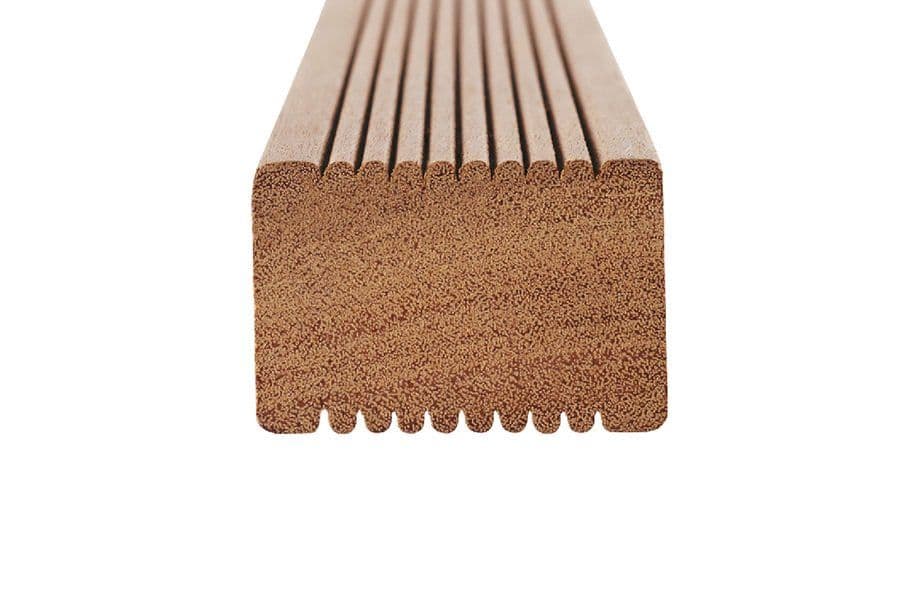 BANGKIRAI timber decking joist 40x60€17.46Request a quote →
About this category: Timber decking joistsRead more ↓
Timber decking joists – a natural foundation for your deck
Joists support the weight of all the visible elements of a deck and can be made from timber, composite or aluminium. Of these materials, timber is the most natural, valued for its classic appearance and high load-bearing strength. Timber decking joists are usually used with timber boards, as it is worth ensuring that the materials used for both the substructure and the decking surface have similar properties.
Timber decking joists – wood species
Several wood species are ideally suited to making timber decking joists thanks to their unique properties. The GARDEN POLSKA shop offers timber joists made from the following wood species:
- pine: pine timber is characterised not only by its natural appearance but also by its exceptional durability. We offer thermally modified pine joists (thermo pine), which have greater resistance to weather damage and enhanced durability;
- Siberian larch: a wood species with a distinctive grain pattern that looks particularly striking. Known for its resistance to damage caused by weather, insects and fungi;
- spruce: a conifer from the pine family that is well known in Poland. It is an excellent material for timber decking joists because it is durable, attractive and has an even grain pattern that gives it a classic, natural appearance;
- bangkirai: an exceptionally durable and strong timber from the forests of South-East Asia. It does not require maintenance as frequently as other wood species, and its warm colour looks very elegant;
- keruing: a wood species from Malaysia and other South-East Asian countries. Resistant to weather conditions, particularly moisture. It does not warp and, like Bangkirai, does not require frequent maintenance.
Timber joists – what qualities should they have?
Timber joists are exposed to heavy loads and must support the entire deck structure. For this reason, they should have the following qualities:
- strength: joists forming the foundation of a deck must not bend or, worse still, break, as this would pose a danger to everyone using the deck. Timber decking joists must be sturdy and resistant to damage;
- resistance to weather damage: moisture, fluctuating temperatures and insect activity can all adversely affect the durability of timber components. Joists should be resistant to damage caused by these factors;
- no need for frequent maintenance or preservative treatment: joists are concealed parts of a deck with limited access, which makes regular maintenance and preservative treatment of these structural components much more difficult;
- uniform beams: it is important that the beams used as joists have no knots, as these are potential points of cracking. Knot-free timber is stronger;
- natural appearance: although appearance is less important for joists, as they are not particularly visible, a structure with a natural timber finish always looks good;
- properties similar to those of the decking boards: it is worth ensuring that timber decking joists are made from the same or a similar wood species.
Protecting timber decking joists during construction
Separating decking boards from damp ground is a very important role of timber joists. However, this exposes the joists themselves to moisture damage, and they can deteriorate quickly, posing a risk to everyone using the deck. To prevent timber decking joists from rotting, they should be treated with a specialist preservative that protects against moisture, fungi and insects. Before treatment, the joists should be cleaned and free from dust.
What are timber joists?
Timber joists are structural beams that form the base for floors, decks or timber structures. They provide a stable surface and distribute the load evenly.
What are timber joists used for?
They are most commonly used as a supporting structure beneath decking boards, floors and other surfaces made from timber and other materials. Joists keep the surface layer clear of the ground or base and ensure adequate ventilation.
What wood are joists made from?
The most common timber joists are made from pine, spruce and larch. Tropical timber is also used. The choice of species should depend on where the joists will be used and the required durability and load-bearing strength.
How do you choose the cross-section of a joist?
The cross-section should depend on the loads and joist spacing. Joists measuring 40 x 60 mm or 45 x 70 mm are most commonly used, while larger sizes are used in more demanding structures.
How many centimetres apart should joists be laid?
The spacing is usually 40–60 centimetres. The thinner the board, the closer the joists should be laid to distribute the weight securely and prevent the surface material from bending.
Do timber joists need preservative treatment?
Yes, preservative treatment protects timber against moisture, insects and fungi. Pressure treatment is recommended for joists, or, if this is not possible, you can apply the treatment yourself.
How are timber joists installed?
Timber joists are secured to the base using anchors, brackets or adjustable supports. Remember to provide adequate ventilation and a fall to allow water to drain away.
Can joists be laid directly on the ground?
This is not recommended, as timber quickly absorbs moisture from the ground, putting it at risk of rot. Pads, supports, anchors or brackets should be used.
How do you look after timber joists?
Regular inspections and periodic preservative treatment extend the life of the structure. Proper ventilation also significantly prolongs its durability.
How long do timber joists last?
Their lifespan depends on the wood species, the conditions in which they are used and their maintenance. Preservative-treated joists last considerably longer than untreated timber – up to around a dozen years.