Aluminium joists for a terrace – installation guide with practical tips
Discover the ins and outs of building decking and choose the perfect decking boards in our shop. Find practical advice, interesting facts and the latest news on our blog. Visit us and get inspired!
In response to our customers' expectations, we have prepared a detailed guide containing additional information and practical tips about aluminium joists, a more durable alternative to composite joists. Given the variety of products available on the market for supporting decking boards made of wood or composite, we can confidently say that choosing aluminium joists means choosing durability, stability and structural rigidity.
1. Aluminium lattice framework, the most stable base for a terrace.
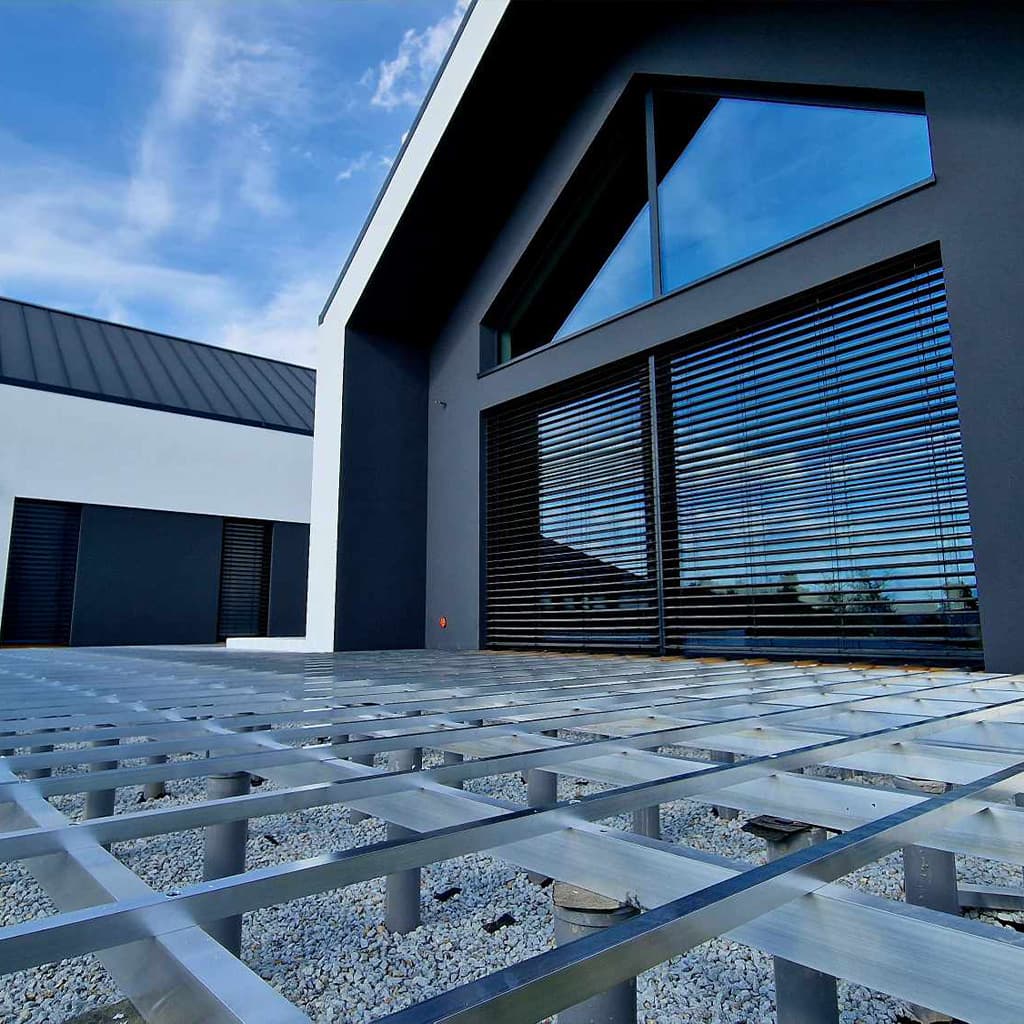
Given the wide range of aluminium joists, which are also commonly known as "square tubes", we recommend preparing terraces using aluminium lattice frameworks without a base.
Using a larger joist allows us to reduce the number of supports required to achieve the desired terrace height. We encourage you to build the substructure using poured concrete posts, which can be made easily with cardboard formwork tubes or PVC pipes.
Assuming we use an aluminium joist measuring 40x80 and 6m long, the supports can be positioned up to every 120cm. This approach can save money when building a terrace, as fewer supports means less formwork and concrete.
For the spacing between the joists proposed above, we recommend a distance of no more than 60cm, as the joist laid on top is smaller in size, also helping to reduce construction costs. The most commonly chosen aluminium joists for building a lattice framework measure 30x40 or 20x40.
A structure prepared in this way creates a framework with a very high degree of structural rigidity, which will not become distorted or sag. It is also worth noting that, despite its price, aluminium performs considerably better than structural timber, as it does not need to be treated and is unaffected by weather conditions.
2. Joining aluminium joists together is another key step.
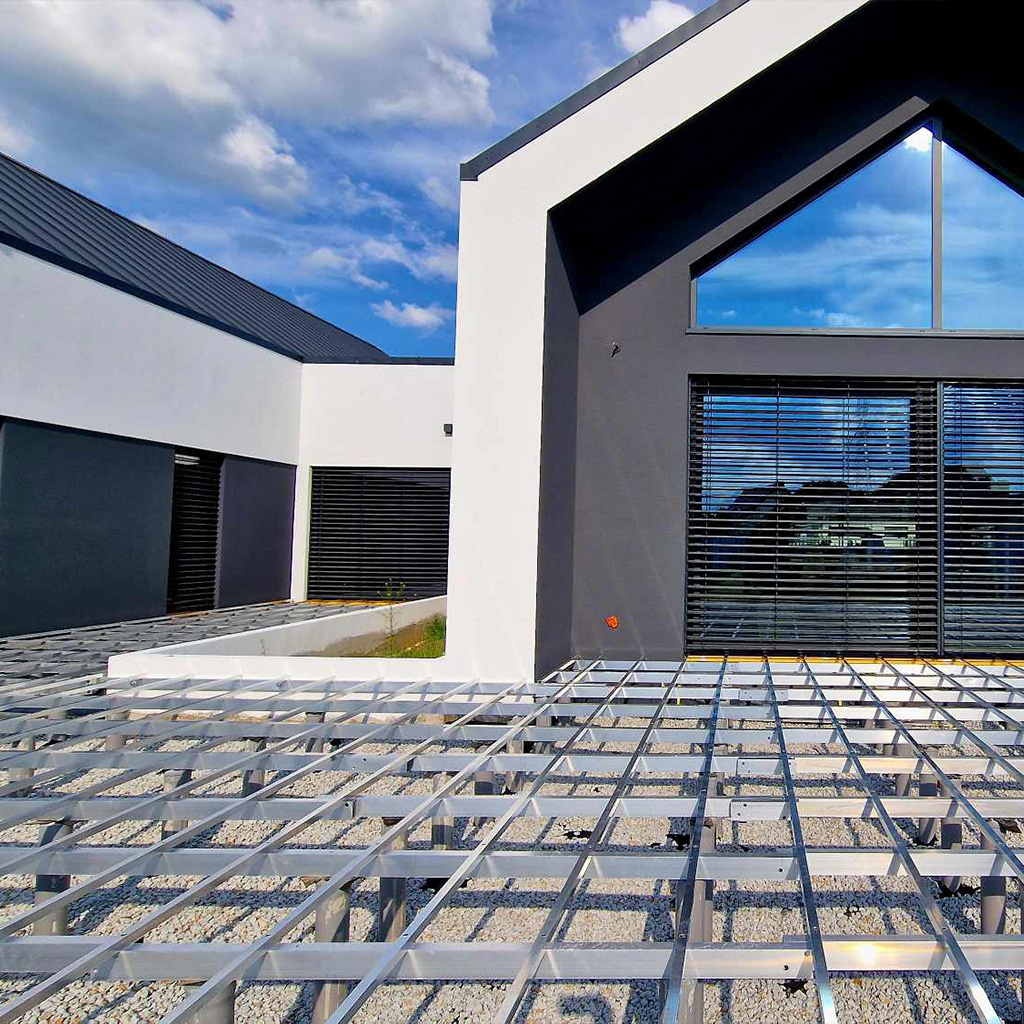
Although an aluminium framework is stable in itself, don't forget to screw it together, as this is what gives the structure complete rigidity.
First, level the lower joists. This can be done using terrace pads or, as a budget-friendly alternative, with pieces cut from ordinary roofing felt. Using pads is important, as they help prevent creaking caused by tiny grains of sand that may be trapped between the concrete and the aluminium joist.
The next step is to screw the lower joists to the concrete posts or concrete blocks that can support the terrace. The simplest method is to use quick-fix plugs, which are available in every DIY store. First, drill a hole in the top wall of the joist so that the lower part of the aluminium can be securely anchored to the concrete.
The final step in creating this type of framework is to screw the upper joists to the lower joists. Roofing screws of any diameter and length can be used for this. They hold the whole structure together. As with fixing the lower joists, first drill a hole, then screw the lower wall of the upper joist to the upper wall of the lower joist.
We can now say that the aluminium framework or lattice is ready for the decking boards to be installed.
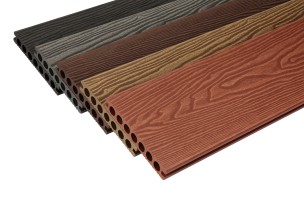
DUO composite decking board 23x148 - 5,8 m
Price per 1 linear metre of decking board: 21,30 zł
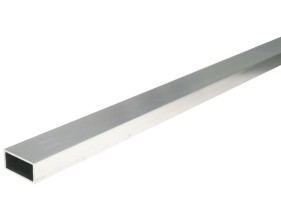
Aluminium decking joist "S" 20x40x2
Available lengths: 3m | 4m | 6m
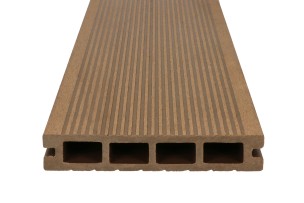
SELECT composite decking board 25x140 - 4,0 m
Price per 1 linear metre of decking board: 17,27 zł
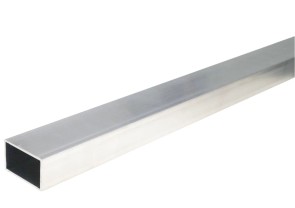
Aluminium decking joist "L" 40x80x2
Available lengths: 3m | 4m | 6m
3. Remember all the other things you need with aluminium joists.
Once we have prepared the aluminium base for the decking, we can move on to the next step: installing the decking boards.
With composite decking boards, we can choose between two types of fixing clips:
For both types of fixing clips, remember to use self-drilling screws to make the job easier and speed up the installation of the decking boards. Stainless steel self-drilling screws for aluminium, as their name suggests, are made to allow fixing clips to be screwed to an aluminium joist without any problems. The screw drills its own hole, and its wide thread pulls the fixing clip firmly against the joist.
For timber decking boards, the same issue applies, so we recommend using stainless steel self-drilling decking screws. The first reason for using stainless steel screws is their high resistance to outdoor conditions, which can contribute to issues such as rust, as can happen with ordinary screws. Another reason is the design of the self-drilling screw, which makes it much easier to screw timber decking boards to an aluminium structure.
We can now confidently say that we have all the information we need to prepare a structure using aluminium joists and then install decking boards on it.

4. The price of aluminium joists: are they worth it?
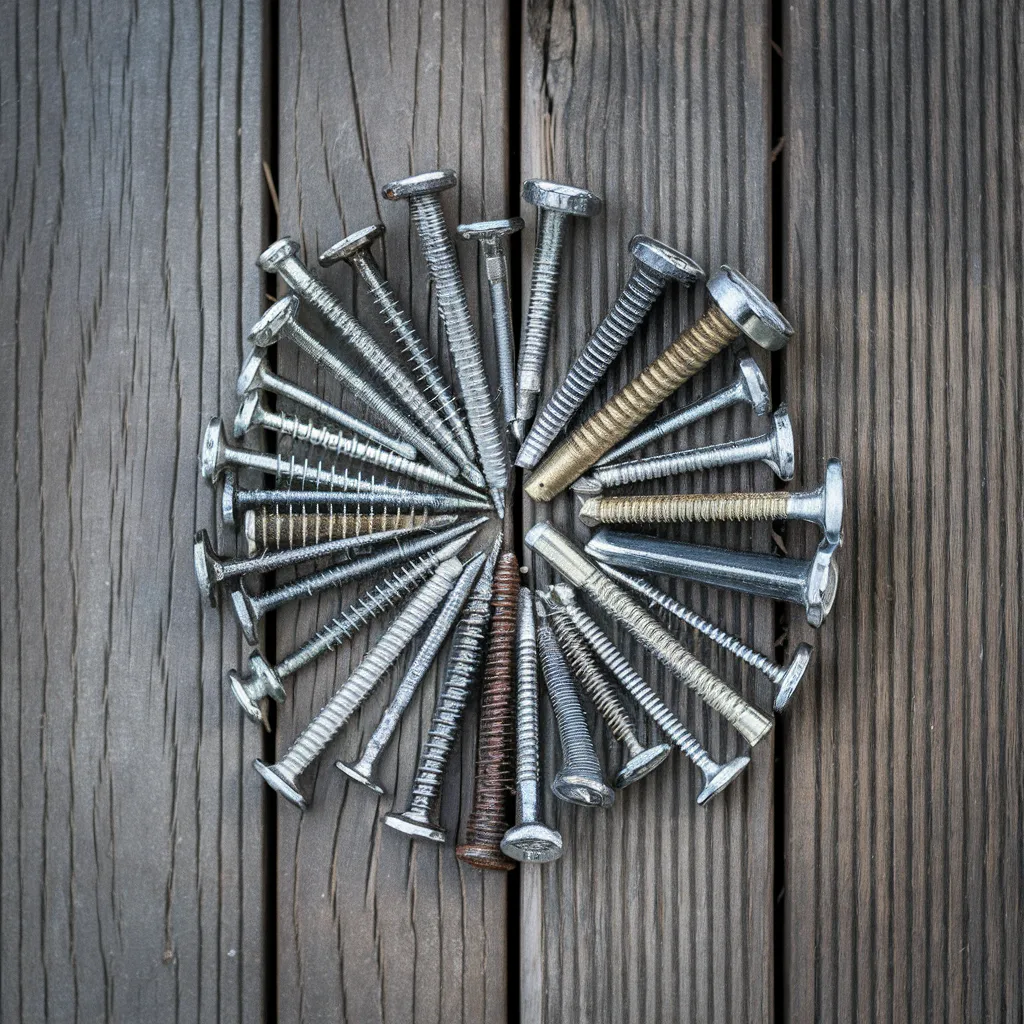
Although aluminium joists are the most expensive option for a decking structure, we encourage you to choose these products. As a guide, you should allow for 3 linear metres of aluminium joist per 1m2 of composite decking, which comes to a cost of around 60 zł. This is relatively expensive, considering that pressure-treated pine joists, for example, can cost half as much.
However, when choosing a joist, remember that choosing an aluminium joist means choosing stability and peace of mind for many years. A timber joist requires care and treatment, and if the user does not keep up with these tasks, they may be in for an unpleasant surprise.
5. The main advantages of aluminium:
-
Lightweight: Aluminium is one of the lightest metals, making it ideal for decking applications, as one person can build the structure.
-
Corrosion resistance: Aluminium naturally develops a thin oxide layer that protects it from further corrosion. This makes it ideal for outdoor applications and environments exposed to the elements.
-
Strength: Although lightweight, aluminium has high tensile strength and is relatively durable.
-
Resistance to low temperatures: Aluminium does not lose its mechanical properties at low temperatures, making it ideal for cryogenic applications.
DUO composite decking board 23x148 - 5,8 m
Price per 1 linear metre of decking board: 21,30 zł
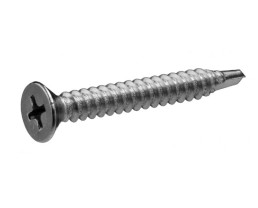
Self-drilling countersunk head screw for aluminium 3,5x25
Available in packs of: 100 pcs. | 500 pcs. | 1000 pcs.
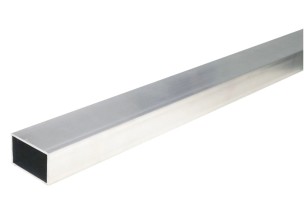
Aluminium decking joist "M" 30x40x2
Available lengths: 3m | 4m | 6m
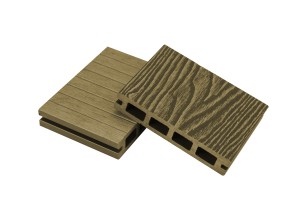
GARDPOL PREMIUM composite decking board 25x135 - 2,90m
Price per 1 linear metre of board: 25,18 zł
Summary and a few tips!
Remember that, all things considered, composite and wooden joists are equally good components for a terrace, but they require a little attention and extra care. If we do decide on aluminium joists, however, we should follow the advice above, namely:
- pads under the joists, to prevent creaking,
- A2 self-drilling screws, to ensure the structure is durable,
- correct spacing of the joists, to create a stable support.
These three elements will make the structure reliable, bringing benefits when using the terrace.
An aluminium joist is also suitable for flat surfaces such as tiles or a concrete screed. Having these surfaces will save us a few złoty, as we can use a single layer of joists and anchor them directly to the concrete.
An aluminium joist and a composite decking board are a choice for many years. This combination of materials means we will not need to check on our terraces regularly, thanks to the high resistance of both materials to weather conditions.
Joists under a terrace should always be parallel to one another, so the distances between them should be checked when building the terrace.
If spacers are used, aluminium joists should be joined using roofing screws.
Aluminium joists do not need to be impregnated, as this material does not require this from the user.