
Composite cover trims – applications, advantages and installation.
Composite cover trims are a practical, attractive way to finish terraces and façades. Find out why they’re worth using, what their advantages are and where they work best!
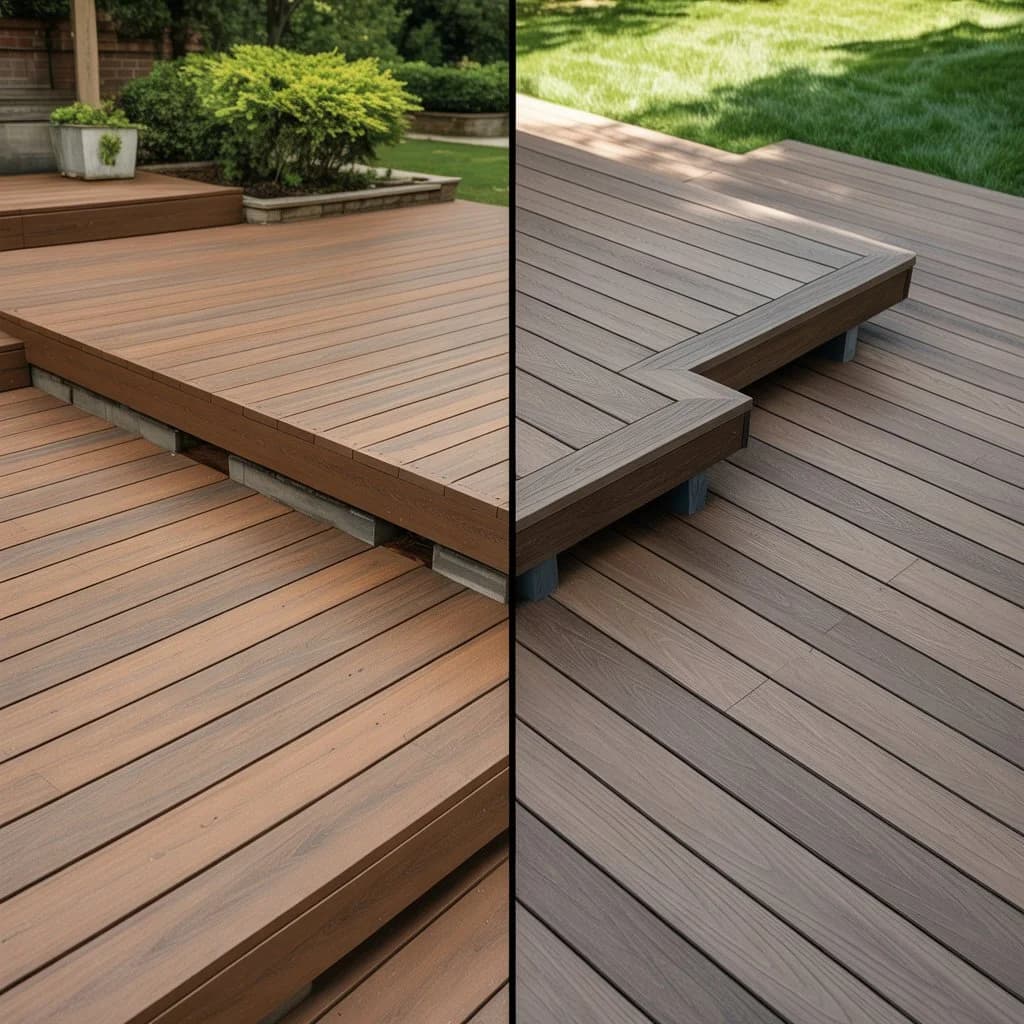
Are you creating your dream terrace with composite decking boards? Or perhaps planning an attractive façade finish? Whether you’re a DIY enthusiast, architect or contractor, one thing is certain – the details matter enormously. And one such detail, capable of dramatically changing the appearance and durability of a structure, is composite finishing trim.
In this article, we’ll take a closer look at these understated but essential finishing elements. We’ll show you what composite finishing trim is, what it is used for, its biggest advantages, and where and how best to use it. Sound good? Let’s get started!
What is composite finishing trim?
As the name suggests, composite finishing trim is used for concealing – that is, neatly covering edges, ends or gaps in structures made from a wood-plastic composite. It is most commonly used for:
- composite decking,
- façades made from WPC boards,
- stairs,
- platforms,
- and cladding for gazebos and pergolas.
It is made from the same material as composite decking boards, ensuring consistent colour and texture. It is available in various shapes and profiles – from classic rectangular profiles to more decorative options.
The main functions of composite finishing trim.
You could say that this trim is the finishing touch to any project. But its functions go much further:
1. Appearance.
This is probably the main reason for choosing finishing trim. It conceals exposed board ends, screws, mounting brackets and expansion gaps. This gives the whole structure a neat, professional look.
2. Protecting the structure.
The trim protects board edges from moisture, dirt and mechanical damage. It acts as a kind of “protective shield” for vulnerable areas.
3. User safety.
Protruding or sharp edges can be dangerous, especially for children. The trim effectively covers them, making the structure more comfortable and safe to use.
4. Easier installation.
Despite appearances, trim can make installation work easier – it allows for a neat finish without having to cut every board perfectly to size.
Where should you use composite finishing trim?
- Composite decking.
This is by far the most common application. The trim is fitted to the sides of the deck, alongside steps, and around posts or balustrades.
- Façades made from composite decking boards.
Here, the trim helps to conceal the edges of façade panels, particularly around windows, doors and corners.
- Stairs.
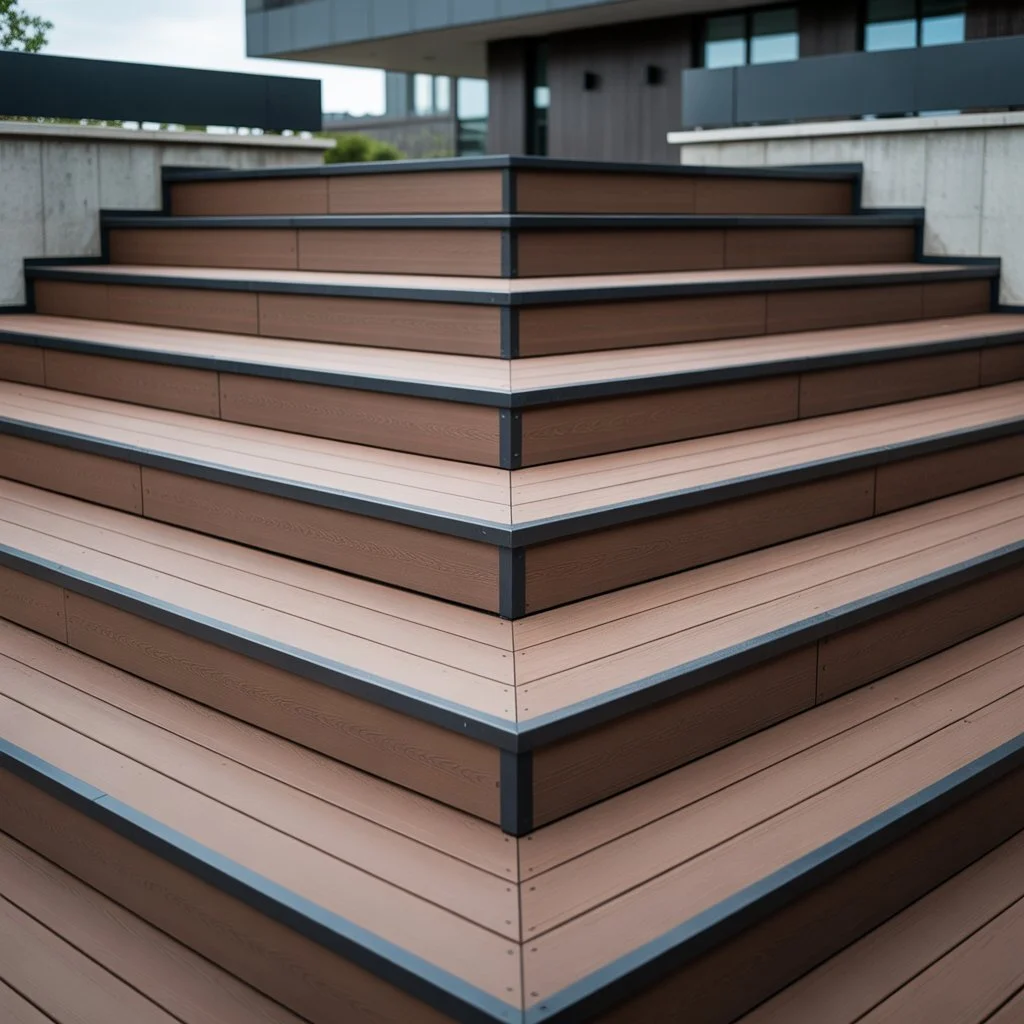
Both the horizontal and vertical parts of the steps can be neatly concealed using suitably matched profiles.
- Edges of gazebos, pergolas and balconies.
Wherever the boards end and open space begins, it is worth using finishing trim.
Advantages of composite finishing trim.
Why choose composite trim rather than wooden or aluminium trim? Here are the main reasons:
-
Weather resistance – it does not absorb water or rot, and is resistant to UV radiation.
- Long-lasting – it does not require impregnation or painting.
- Easy maintenance – simply wash it with water and detergent.
- Matches the boards – it blends perfectly with the rest of the structure.
- Wide range of colours and textures – trim can be matched to a specific board model.
- Resistant to mould, fungi and insects – particularly important in damp areas.
Installing composite finishing trim – what does it involve?
Installing the trim is not difficult, but it is worth following a few rules:
- Prepare the substrate – remove any dirt and check that the structure is stable.
- Cut the trims to size – preferably using a fine-toothed saw.
- Secure the trims – depending on the model, using fixing clips, screws or assembly adhesive.
- Allow for expansion gaps – like decking boards, trims expand and contract with changes in temperature.
- Check levels and angles – for a neat appearance and durability.
Important: it is always worth checking the manufacturer’s recommendations, as different brands may have different installation systems.
Composite masking trims – price vs quality.
Many people wonder: “Is it worth paying extra for trims when you can simply finish the decking board and leave it as it is?” The answer is: definitely.
Although trims are an additional cost (usually from a dozen or so to several dozen złoty per linear metre), they:
- increase the durability of the structure,
- improve the finished appearance,
- reduce the risk of damage,
- and help avoid costly repairs in the future.
This is a classic example of a small investment that pays for itself many times over.
In summary: are they worth it?
Definitely yes. Composite masking trims are an underrated but very important element of any project using WPC decking boards. They make the structure:
- attractive,
- durable,
- and safe.
Well-chosen and properly installed trims make a difference – both visually and practically.
Frequently asked questions (FAQ).
1. Are composite trims suitable for every decking board brand?
Not always. Although many trims have a universal profile, it is best to use trims from the same manufacturer as the decking boards.
2. Can composite trims be painted?
Painting is not recommended – the trims are already coloured throughout and do not absorb paint.
3. How long do masking trims last?
With proper installation and maintenance – up to 25–30 years, the same as the composite decking boards themselves.
4. Can the trims be installed yourself?
Yes, with a little skill and the right tools, installing the trims should not be too difficult.
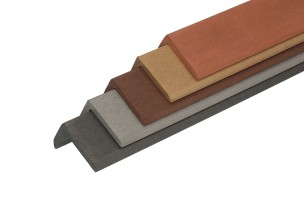
DUO composite angle trim 60x40x4000
Trims available in 5 colours
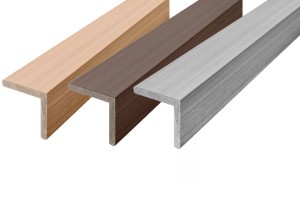
PREMIUM composite angle trim 50x50x4000
Trims available in 4 colours
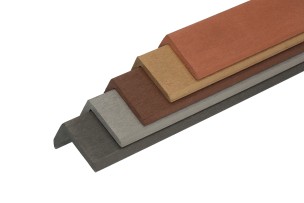
SELECT composite angle trim 60x40x4000
Trims available in 5 colours
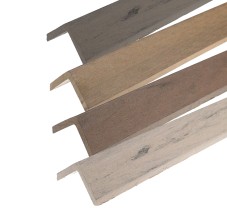
GARDIN NATUR composite angle trim 40x40x3000
Trims available in 4 colours



