The most common mistakes when building a patio.
Avoid the most common mistakes when building a deck. Find out how to plan and create the perfect deck without any problems. Practical advice and tips.
Building a terrace is an investment that can significantly improve your quality of life and increase the value of your property. However, like any building project, it requires careful planning and execution. Unfortunately, it is easy to make mistakes that can lead to costly repairs and frustration. In this article, we look at the most common mistakes made when building a terrace and explain how to avoid them.
Inadequate planning.
Building a terrace involves more than simply buying materials and installing them. It requires a well-thought-out plan that takes into account both aesthetic and practical considerations. A lack of detailed planning can lead to problems such as:
- Incorrect positioning of the terrace: The terrace should be planned in a location that makes the most of the available sunlight while also providing privacy.
- Incorrectly estimating the dimensions: The terrace must be large enough to accommodate all the planned features, such as garden furniture, a barbecue or plants.
Inadequate foundations.
The foundations of a terrace are essential to its durability and stability. Mistakes in this area can cause the terrace to sink, crack and develop other structural problems. The most common mistakes include:
- Inadequate ground preparation: Make sure the ground is properly levelled and compacted.
- Unsuitable materials: Using unsuitable materials for the foundations, such as insufficiently durable concrete blocks or poor-quality timber, can lead to rapid wear and the need for repairs.
Poor building materials.
The choice of materials has a huge impact on the appearance and durability of a terrace. It is worth investing in high-quality materials that can withstand the weather. The most common mistakes include:
- Using unsuitable decking boards: Decking boards should be resistant to moisture and mould. Tropical hardwood, composite materials or suitably treated domestic timber are good options.
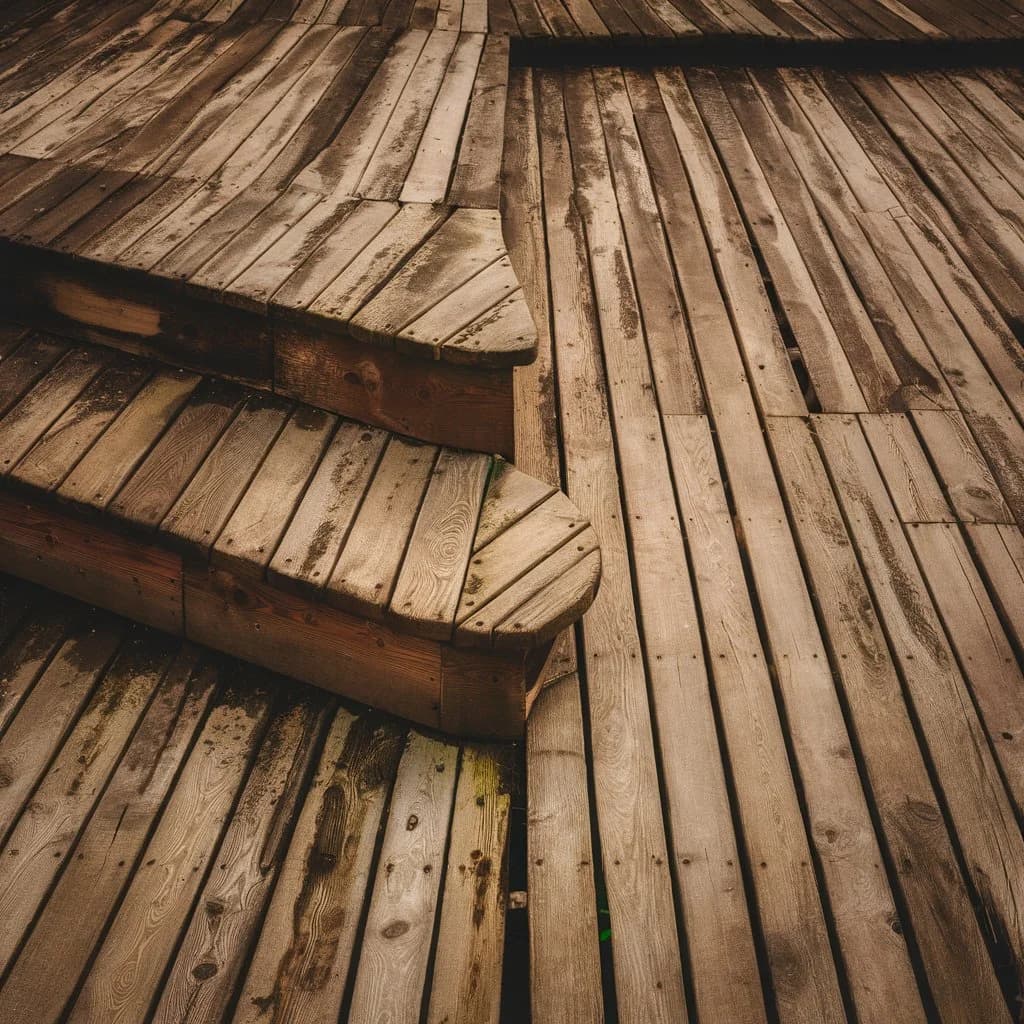
- Failing to protect the materials: Even the best materials need proper maintenance. Untreated timber can quickly be damaged by moisture and sunlight.
Insufficient fall.
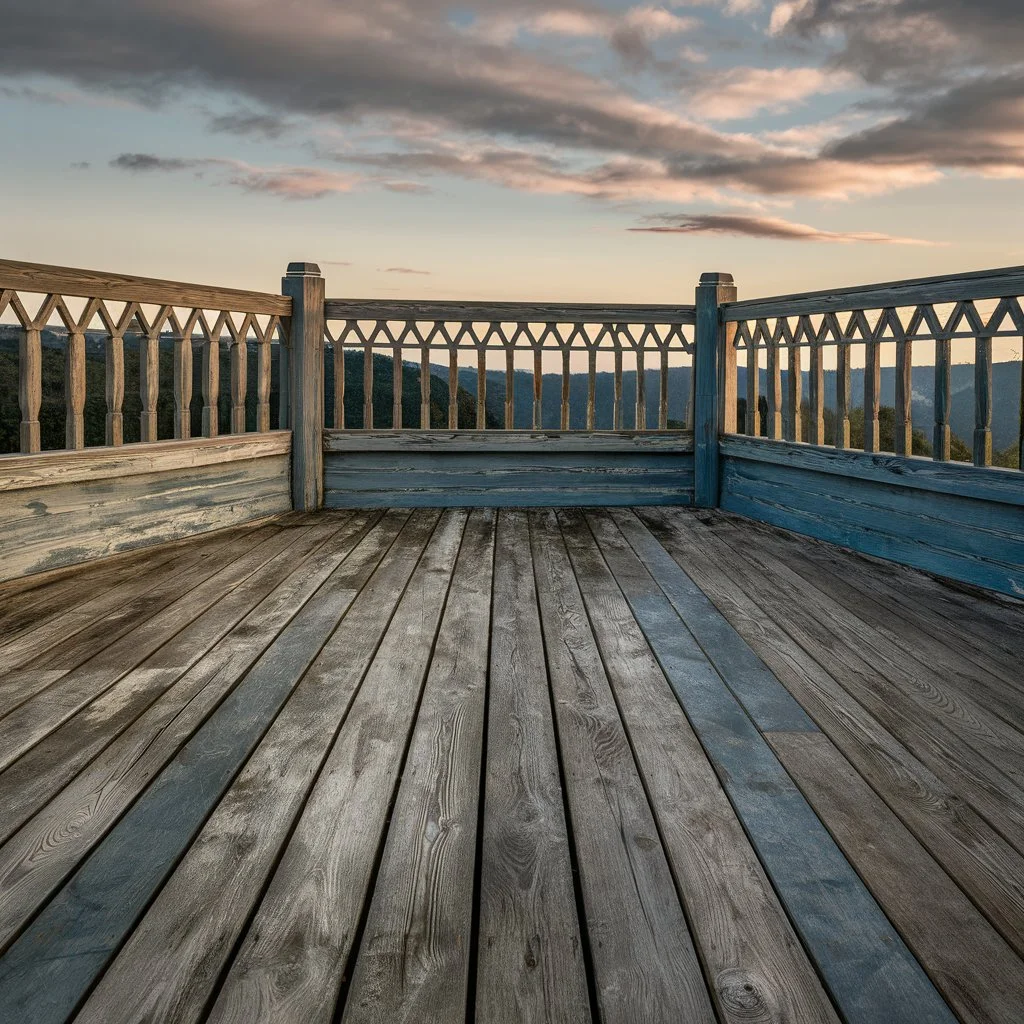
A terrace should be designed with a slight fall to allow rainwater to drain away. Having no fall or an incorrect angle can lead to:
- Water collecting on the surface of the terrace: Standing water can damage materials and create a slippery, hazardous surface.
- Problems with drainage: Water can seep under the terrace, causing ground erosion and the structure to sink.
Incorrect installation.
Even the best materials and the most carefully prepared plans can go to waste if the installation is carried out incorrectly. The most common mistakes are:
- Inadequate fixing of the decking boards: Decking boards must be securely fixed to the structure. Loose boards can move, creating an uneven surface and a tripping hazard.
- Poorly made joints: Poorly executed joints can create gaps through which water can get in, damaging the structure from the inside.
Lack of insulation.
Terrace insulation is essential, especially if the terrace is above a room in use. Inadequate insulation can lead to:
- Moisture ingress: Moisture can seep into the rooms below the terrace, causing problems with mould and damp.
- Increased heating costs: A poorly insulated terrace can lead to heat loss, increasing the heating costs of the rooms below it.
Lack of regular maintenance.
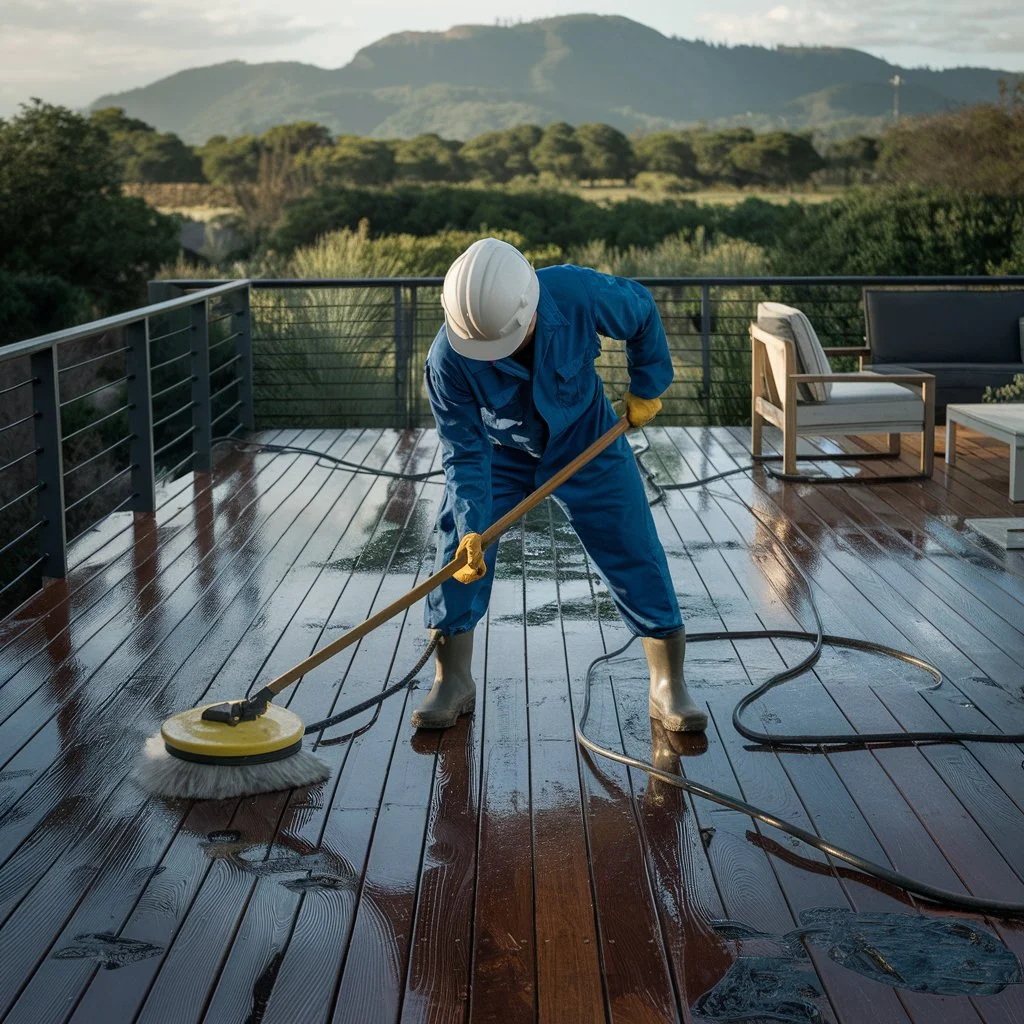
Even the best-built terrace needs regular maintenance to preserve its appearance and functionality. Neglecting this can lead to rapid wear and the need for costly repairs. The most important maintenance tasks include:
- Cleaning the terrace surface: Regularly removing dirt, leaves and other debris helps prevent stains and damage.
- Treating the timber: Timber terrace components should be treated regularly to protect them from moisture and UV radiation.
How can you avoid these mistakes?
To avoid the mistakes listed above, it is worth using the services of professionals with experience in building terraces. Also remember to:
- Plan carefully: Think about every aspect of building the terrace, from its location to the materials and how it will be used.
- Choose high-quality materials: Do not cut corners on materials that will be exposed to the weather.
- Maintain it regularly: Look after your terrace so that it serves you for many years.
Summary.
Building a terrace is a complex process that requires proper preparation and execution. Avoiding the most common mistakes will allow you to enjoy a beautiful and functional terrace for many years. Remember to plan carefully, choose the right materials and maintain it regularly, and your terrace will be a real feature of your home.