The most common mistakes when installing composite cladding boards – avoid costly errors!
Discover the 7 most common mistakes when installing composite cladding boards and learn how to avoid them! Create a durable, attractive façade without defects.

Composite cladding boards are becoming hugely popular in modern construction. It is hardly surprising – they are durable, weather-resistant and look really elegant. But beware! The material itself is not everything. Even the best boards will not do their job if they are installed incorrectly. In this post, we take a look at the most common mistakes when installing composite cladding boards, which can result in warping, leaks and even damage to the façade. What’s more, we will show you how to avoid them so you can enjoy a perfect finish for many years.
1. Inadequate substrate preparation.
Let’s start with the absolute basics. It may seem obvious, but it is unfortunately often overlooked.
Mistake: installing boards without checking the condition of the wall, its moisture level or whether it is level.
Result: unevenness, squeaking, lack of ventilation and even damage to the structure.
How can you avoid this?
- Make sure the wall is even, dry and stable.
- Remove any protruding elements, such as wall plugs, screws and old fixings.
- If necessary, install a mounting frame made from aluminium or galvanised steel.
2. Incorrect spacing between the mounting battens.
Mistake: spacing the battens – the supporting structure to which the boards are fixed – too far apart.
Result: the boards sag, crack or warp as a result of temperature changes.
How can you avoid this?
- The manufacturer most often recommends spacing of no more than every 40 cm – stick to this.
- For heavier boards or large façades, the spacing can be reduced.
3. No expansion gaps between the boards.
Mistake: leaving no expansion gap when joining boards along their length or width.
Result: the boards warp, force the joints apart and damage the mounting locks.
How can you avoid this?
- Leave gaps in accordance with the manufacturer’s instructions – usually around 5–7 mm between boards.
- Remember to leave an expansion gap where the boards meet corners, window sills or trims.
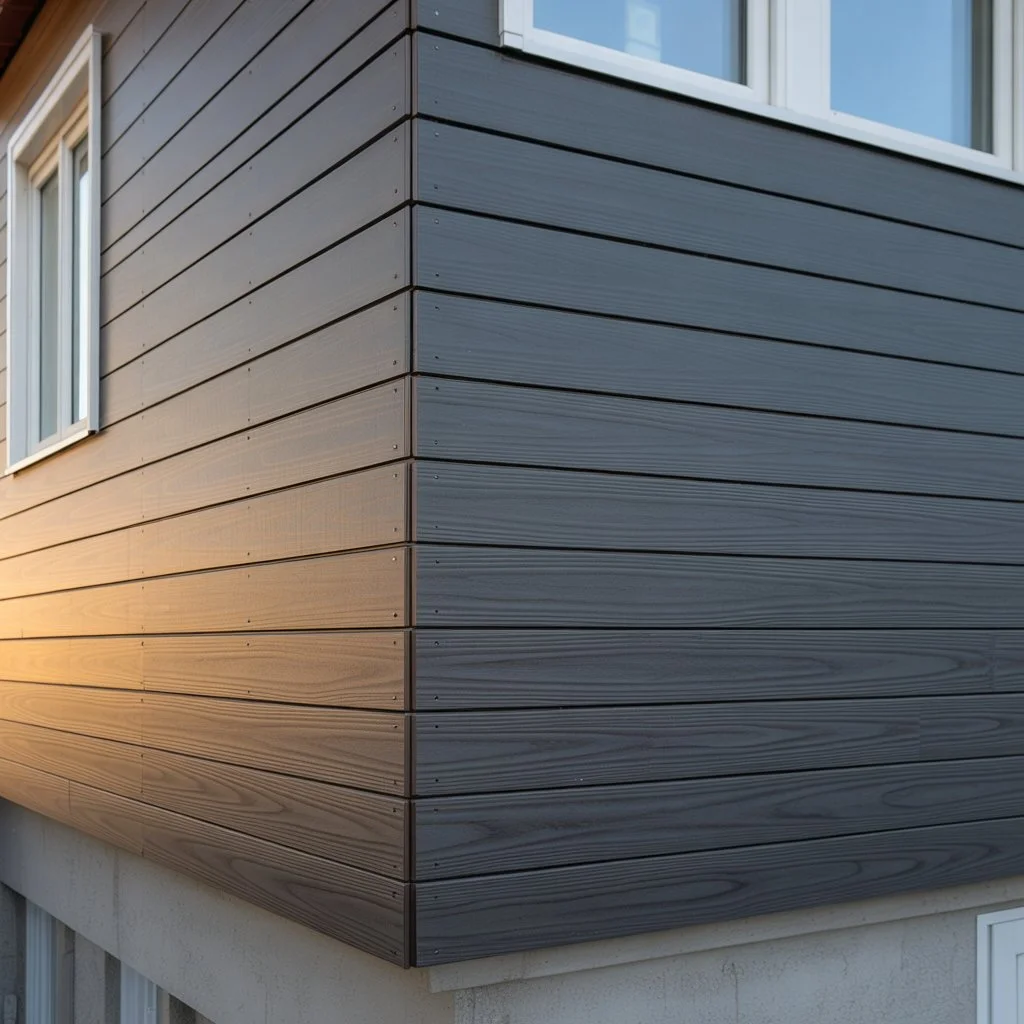
4. Rigid installation.
Mistake: screwing the boards in place without a mounting system or directly to the wall.
Result: the material cannot expand and contract, cracks appear and dismantling becomes difficult.
How can you avoid this?
- Use special fixing clips, which allow the board to “move”.
- Do not screw the boards in a way that prevents them from expanding and contracting.
5. Incorrect installation of insulation and ventilation.
Mistake: no ventilation space between the board and the wall.
Result: damp, mould growth and faster material degradation.
How can you avoid this?
- Leave a ventilation gap of at least 20 mm between the wall and the board.
- Use special ventilation tapes and grilles at the bottom and top of the façade.
6. Incorrectly cutting the boards.
Mistake: cutting the boards with an unsuitable tool or without maintaining a right angle.
Result: unsightly joints, visible gaps and leaks.
How can you avoid this?
- Use fine-toothed saws or blades for plastics.
- Always measure twice, cut once.
- After cutting, remove any burrs and clean the ends.
7. Ignoring the manufacturer’s recommendations.
Mistake: “I know better” – ignoring the instructions and installation recommendations.
Result: loss of warranty, technical problems and unsuccessful complaints.
How can you avoid this?
- Always read the technical documentation before installation.
- Every manufacturer has its own detailed guidelines – follow them.
BONUS: A costly mistake – skimping on quality.
Mistake: choosing the cheapest cladding boards and installation accessories.
Consequence: rapid deterioration of the façade, with reinstallation required after a few years.
How can you avoid this?
- Invest in certified WPC boards from reputable manufacturers.
- Don't cut corners on profiles, fixing clips and screws – they hold the whole façade in place.
Frequently asked questions (FAQ).
1. Can composite cladding boards be installed yourself?
Yes, but it's worth having some experience or following the manufacturer's guides.
2. Do the boards need to be maintained after installation?
No – composite does not need painting or wood preservative.
3. Can the boards be installed in winter?
It's best to avoid installation at temperatures below +5°C – the material shrinks in these conditions and may result in incorrect expansion gaps.
4. Is composite cladding fire-resistant?
Most WPC boards have a fire rating of B or C – always check the product specifications.
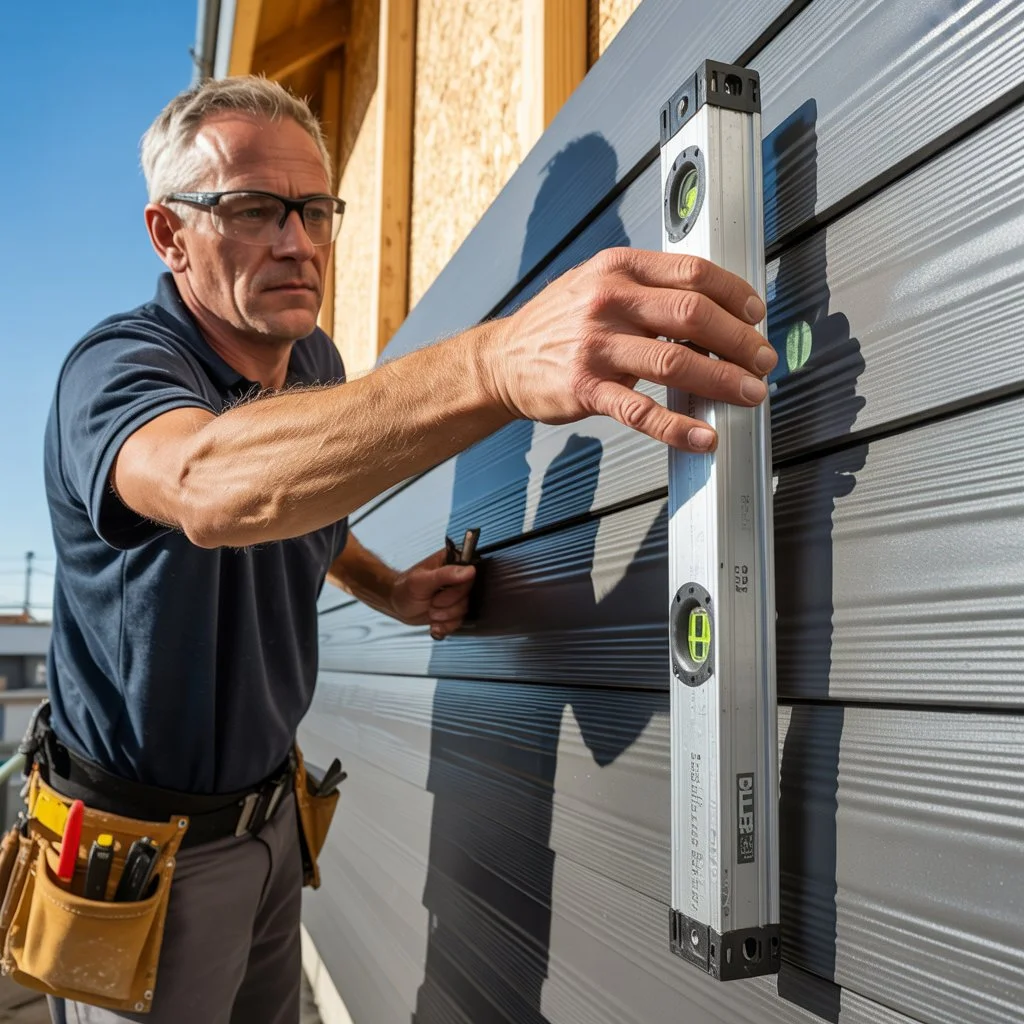
In conclusion – a mistake could cost more than you think.
Composite cladding boards are a great solution – elegant, durable and easy to maintain. But the key to success is correct installation. As you can see, small mistakes can lead to serious problems and costly repairs. So, before you pick up the drill, stop, plan and read the manufacturer's instructions. A well-installed façade is an investment that will pay off for years to come.
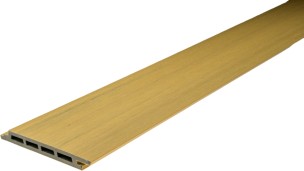
Smooth Composite Cladding Board Premium OAK
Dimensions: 14x138x2950
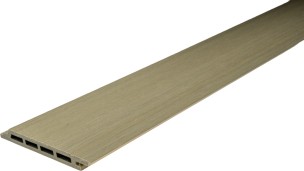
Smooth Composite Cladding Board Premium SILVER FIR
Dimensions: 14x138x2950
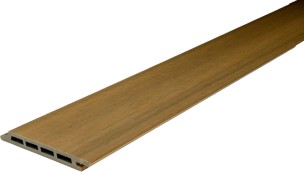
Smooth Composite Cladding Board Premium TEAK
Dimensions: 14x138x2950
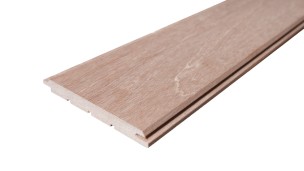
15x145 Dark Red Meranti cladding board, Chamfer A, 3.0 m
Available lengths: 3.0 m, 3.6 m, 4.8 m, 5.2 m