
The Most Common Causes of Mechanical Damage to Composite Decking
Why do composite decking terraces become damaged? Discover the most common causes, such as incorrect installation, heavy use or lack of maintenance, and find out how to prevent them.
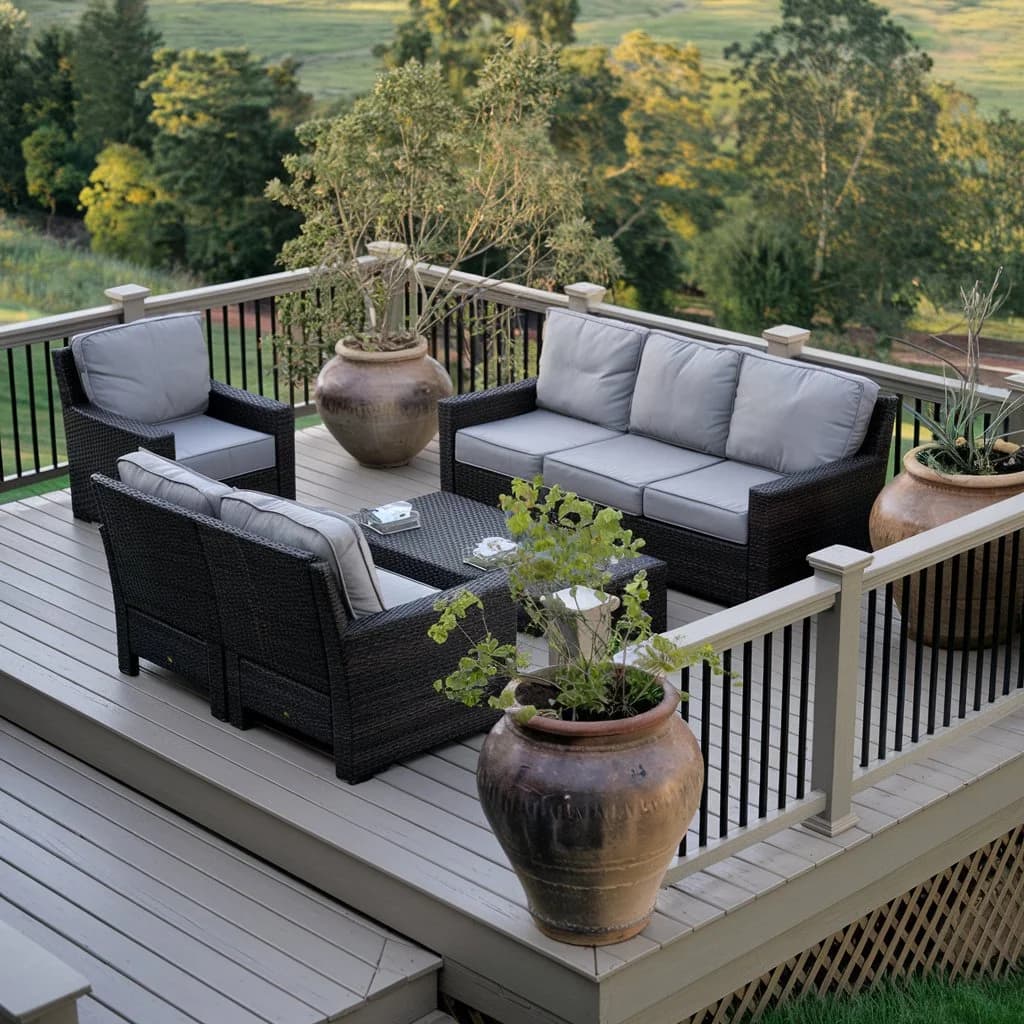
Decking made from composite decking boards has become one of the most popular choices for gardens and balconies. Its durability, ease of maintenance and modern appearance have won it an ever-growing number of admirers. But, as with any material, composite decking can also suffer mechanical damage. What most often causes these problems? Can they be avoided? In this article, we examine the most common causes of mechanical damage to composite decking and offer advice on how to care for these surfaces so they last for many years.
Why does composite decking get damaged?
Although composite decking boards are durable, they are not indestructible. Damage can result from various factors, such as installation errors, improper use or simply severe weather conditions. Here are the most common causes of problems:
1. Incorrect installation.
One of the most common sources of problems with composite decking is incorrect installation. Even the best boards can be damaged if they are not installed in accordance with the manufacturer's recommendations.
Typical installation errors:
- Not leaving adequate expansion gaps – Composite decking boards expand and contract in response to temperature changes. If there are no gaps between the boards, they may crack or warp.
- Incorrect fastening – Using the wrong fixing clips or screws can cause the boards to loosen or shift.
- Poorly prepared base – If the supporting structure is unstable, the decking will quickly start to deform, which can lead to mechanical damage.
2. Excessive load.
Although composite decking boards are strong, they have limits when it comes to maximum load. Placing excessive weight on the decking, for example by putting very heavy furniture, planters or garden equipment on it, can lead to cracks or deformation.
How can you prevent this?
- Before installation, make sure the boards have adequate strength and the substructure is sufficiently robust.
- Do not overload the decking – distribute heavy items evenly.
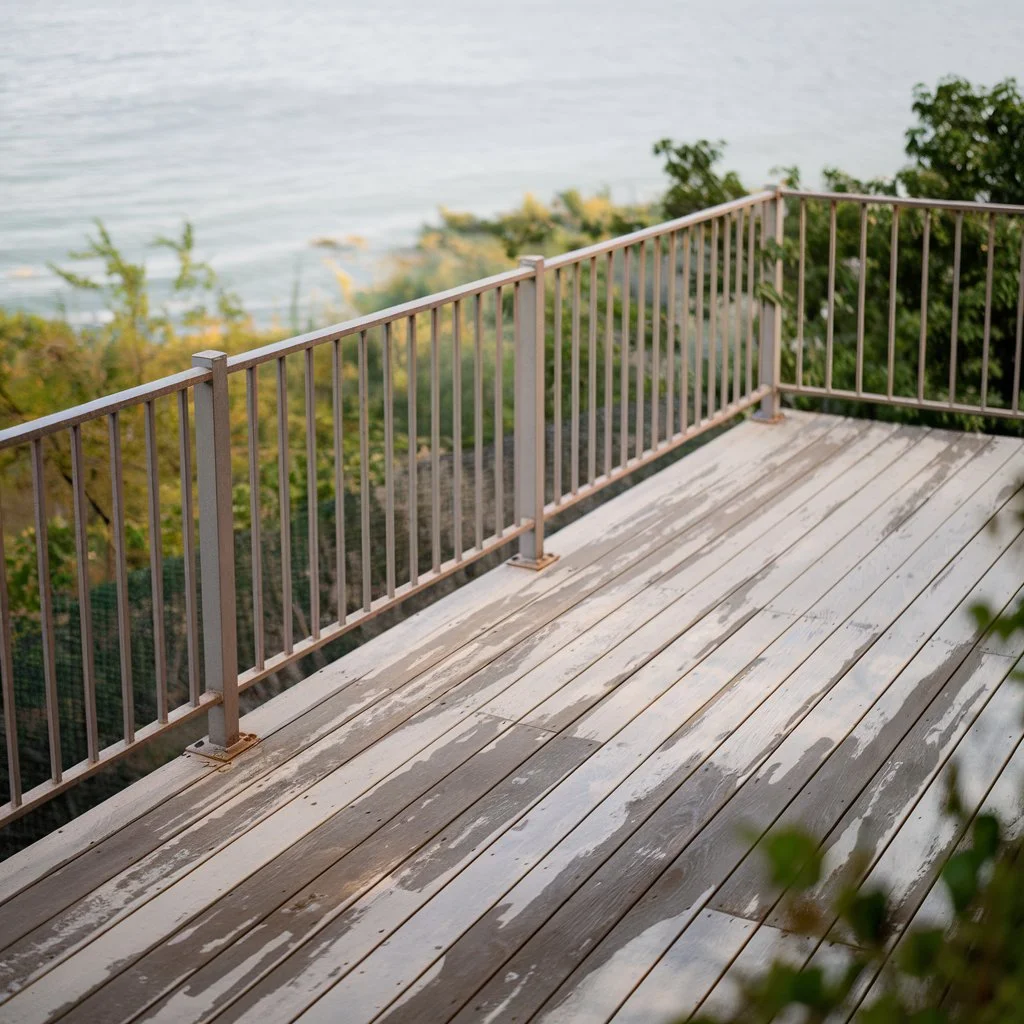
3. Damage during use.
Decking is used intensively, especially during the spring and summer. Sometimes accidental actions can cause mechanical damage.
Examples:
- Dragging heavy furniture or sharp objects, which can scratch the surface of the boards.
- Dropping heavy objects, such as tools or barbecues.
- Using unsuitable cleaning tools, e.g. pressure washers set to too high a pressure.
Preventive tips:
- Use felt pads under furniture to prevent scratches.
- Carry heavy objects carefully rather than dragging them.
- Clean the decking with mild detergents and soft brushes.
4. Weather conditions.
Composite decking boards are resistant to many external factors, but extreme weather conditions, such as severe frost, heavy rainfall or sudden temperature changes, can affect their structure over time.
Typical effects:
- Hairline cracks caused by water freezing in the pores of the boards.
- Colour fading due to prolonged exposure to UV radiation (mainly affecting older board models).
- Damage caused by hail or strong winds that carry heavy objects.
How can you protect your decking?
- Where possible, cover the decking or use protective covers during the winter.
- Check the condition of the boards regularly and renew protective coatings if the manufacturer recommends using them.
5. Inadequate maintenance or no maintenance.
Although composite decking boards are easier to maintain than wood, a complete lack of care can lead to faster wear.
Maintenance mistakes:
- Not cleaning regularly – a build-up of dirt, leaves or sand can cause scratches and weaken the structure of the boards.
- Using harsh chemicals that can damage the protective layer.
- Neglecting minor repairs, such as cracks or loose fixing clips.
How should you care for your decking?
- Clean the boards at least once every few weeks, especially during periods of intensive use.
- Use cleaning products specifically designed for composite materials.
- Check the condition of the substructure and boards regularly so that any damage can be detected in good time.
6. Domestic and wild animals.
The claws of pets such as dogs and cats can cause minor scratches on the surface of the boards. Wild animals, such as birds, can soil the decking, resulting in stains that are difficult to remove.
Solutions:
- Trim your pets' claws if they often run across the decking.
- Use specialist stain removers and clean the surface regularly.

How to prevent mechanical damage to composite decking?
Preventing damage is much easier (and cheaper) than repairing it. Here are a few practical tips:
- Follow the manufacturer's guidelines during installation.
- Clean the decking regularly and avoid using sharp tools.
- Use garden furniture and accessories with protective pads on the feet.
- Protect the decking from extreme weather conditions with covers.
- Inspect the technical condition of the decking at least once per season.
Summary.
Composite decking is an investment for years to come, but its durability depends on correct installation, proper use and regular maintenance. The most common causes of mechanical damage, such as installation errors, excessive loads or lack of care, can be easily eliminated by following a few simple rules.
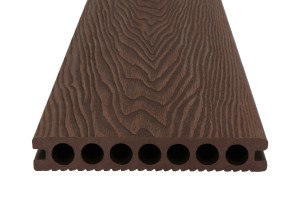
DUO 23x148 composite decking board - 3,5 m
Price per 1 linear metre of board: 21,30 zł
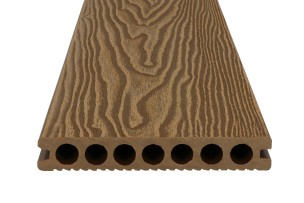
DUO 23x148 composite decking board - 4,0 m
Price per 1 linear metre of board: 21,29 zł
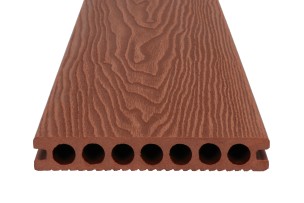
DUO 23x148 composite decking board - 4,5 m
Price per 1 linear metre of board: 21,30 zł
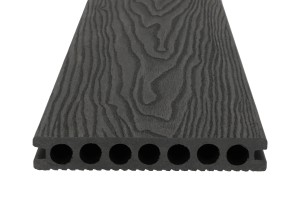
DUO 23x148 composite decking board - 5,0 m
Price per 1 linear metre of board: 21,30 zł



