An eco-style garden: Why choose rattan?
Wondering how to create an eco-friendly garden? Find out why rattan is the ideal choice for an eco-style garden. Discover its benefits, durability and natural look!
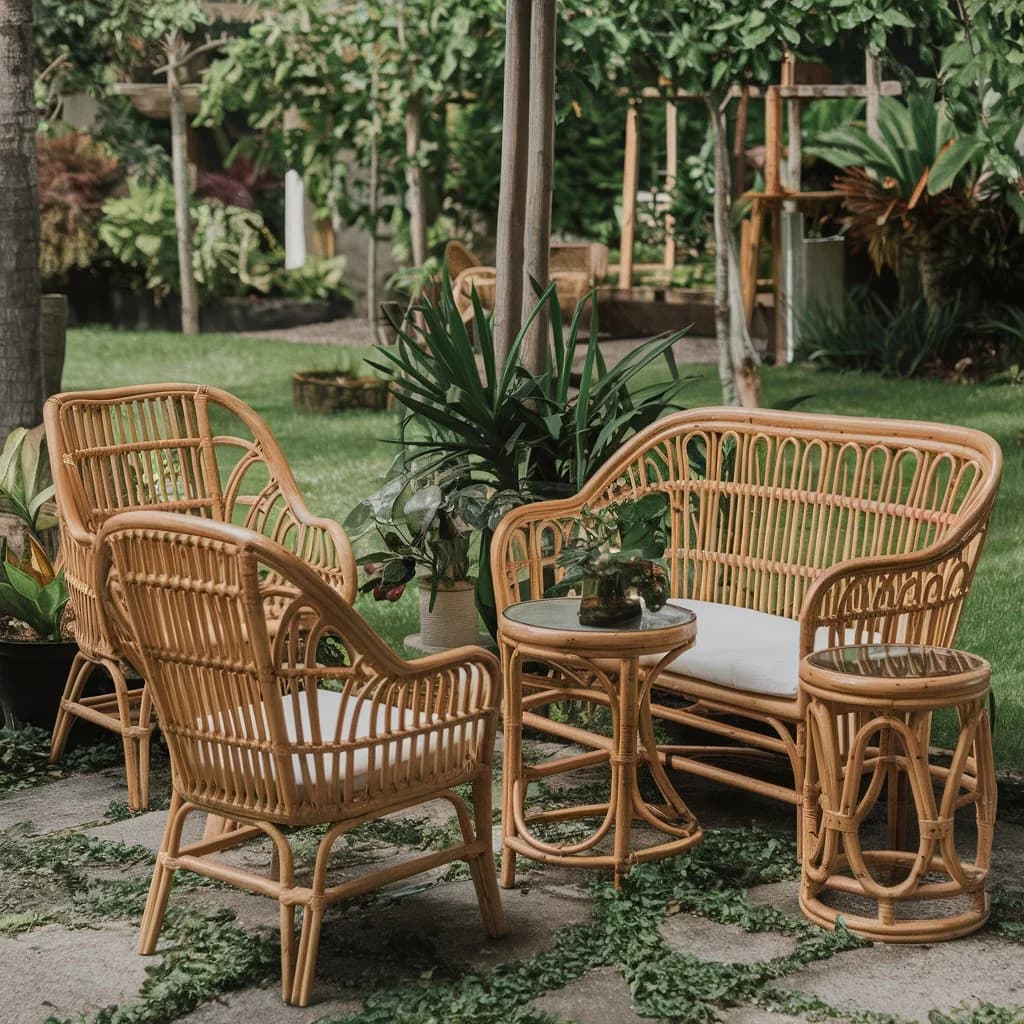
With environmental awareness on the rise, more and more people are looking for ways to create eco-friendly spaces, both inside and outside the home. Furniture plays a key role in creating environmentally friendly gardens. An eco-style garden is about more than beautiful plants, natural materials and harmony with nature; it also means choosing furnishings that support sustainable development. Rattan is one of the best choices for eco-friendly garden furniture. In this article, we’ll look at why rattan furniture is a great choice for an eco-style garden. We’ll explore the benefits of rattan as a material, its environmental properties and how to incorporate rattan elements into your garden in keeping with the principles of sustainable development.
Rattan – a natural material in harmony with nature.
Rattan is a natural material sourced from climbing palms known as rattan palms, which grow mainly in the tropical forests of South-East Asia. It is one of the fastest-growing plants, making it a more sustainable choice than, for example, exotic timber, which takes much longer to regrow. Thanks to its strength, flexibility and ease of working, rattan has long been used to make furniture and other interior furnishings.
The benefits of rattan as an eco-friendly material:
- Renewable: Rattan is a natural resource that can be harvested without destroying tropical forests. Rattan palms grow very quickly (up to 36 metres in just a few years), making them a renewable resource.
- Minimal environmental impact: Making rattan furniture requires far less energy than making furniture from materials such as metal or plastics. In addition, because rattan is lightweight, transporting it produces lower CO2 emissions than transporting heavy materials such as wood or metal.
- Biodegradable: As a natural material, rattan biodegrades, which means it does not pollute the environment at the end of its life cycle. Unlike plastic furniture, rattan furniture does not leave a lasting mark on the environment.
By choosing rattan for your garden, you’ll not only create a stylish, natural space, but also support an eco-friendly approach to design.
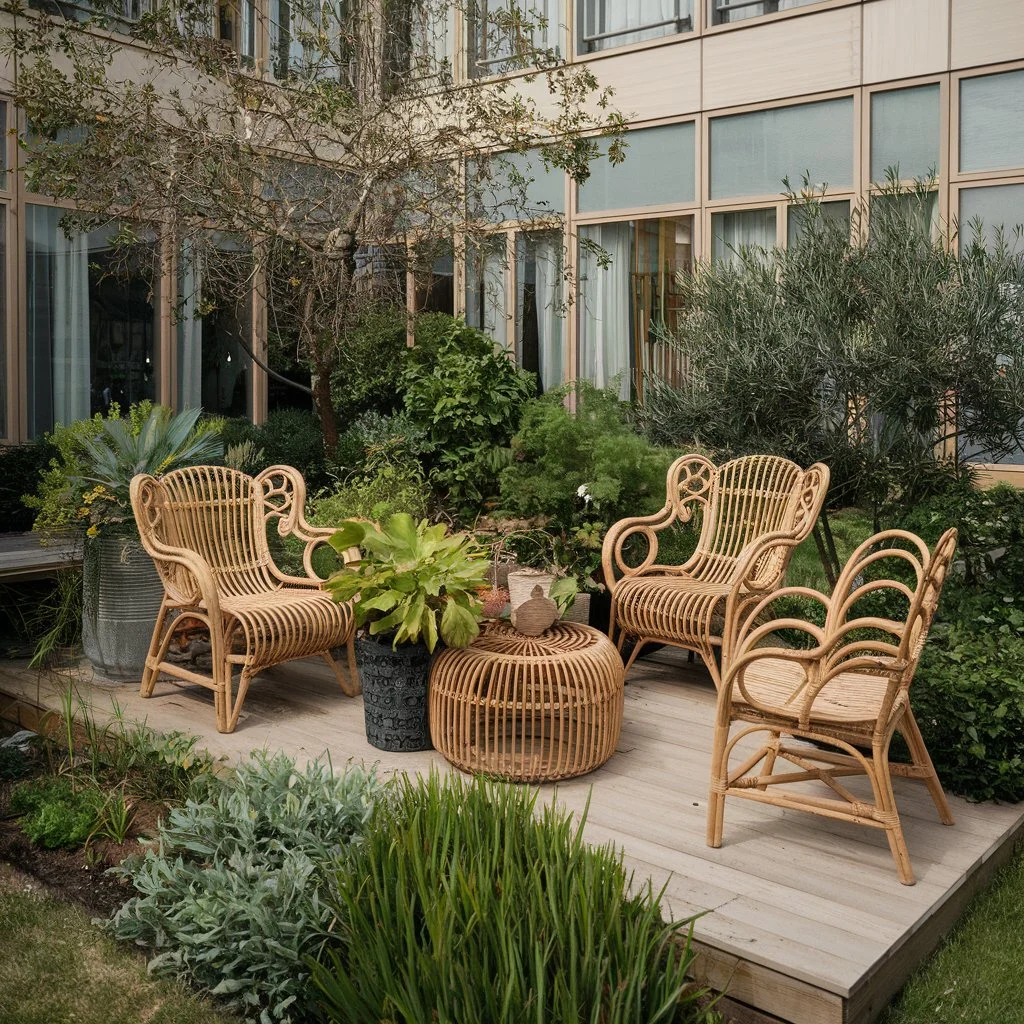
Rattan’s durability and longevity.
One of the key principles of eco style is reducing waste by choosing durable products that will last for many years. Rattan fits the bill perfectly, as it is an exceptionally strong and damage-resistant material.
Why rattan is a durable material:
- Weather resistance: Natural rattan, although it needs some maintenance, is relatively resistant to changing weather conditions. However, in very humid locations or in strong sunlight, we recommend storing the furniture under cover or using protective covers to extend its lifespan.
- Flexibility and strength: Rattan is highly flexible, making it less prone to cracking or breaking than other materials. As a result, rattan furniture can last for many seasons, even with intensive use.
Remember to look after it properly:
To help rattan furniture last for years, it’s worth caring for it regularly. We recommend cleaning it with a damp cloth and applying a specialist protective treatment every few seasons to keep the rattan in excellent condition.
The look and versatility of rattan in the garden.
An eco-style garden doesn’t have to be austere – on the contrary, it can be cosy, elegant and full of character. Rattan combines natural appeal with good looks, making it a great choice for gardens, patios and balconies.
Ways to use rattan in your garden:
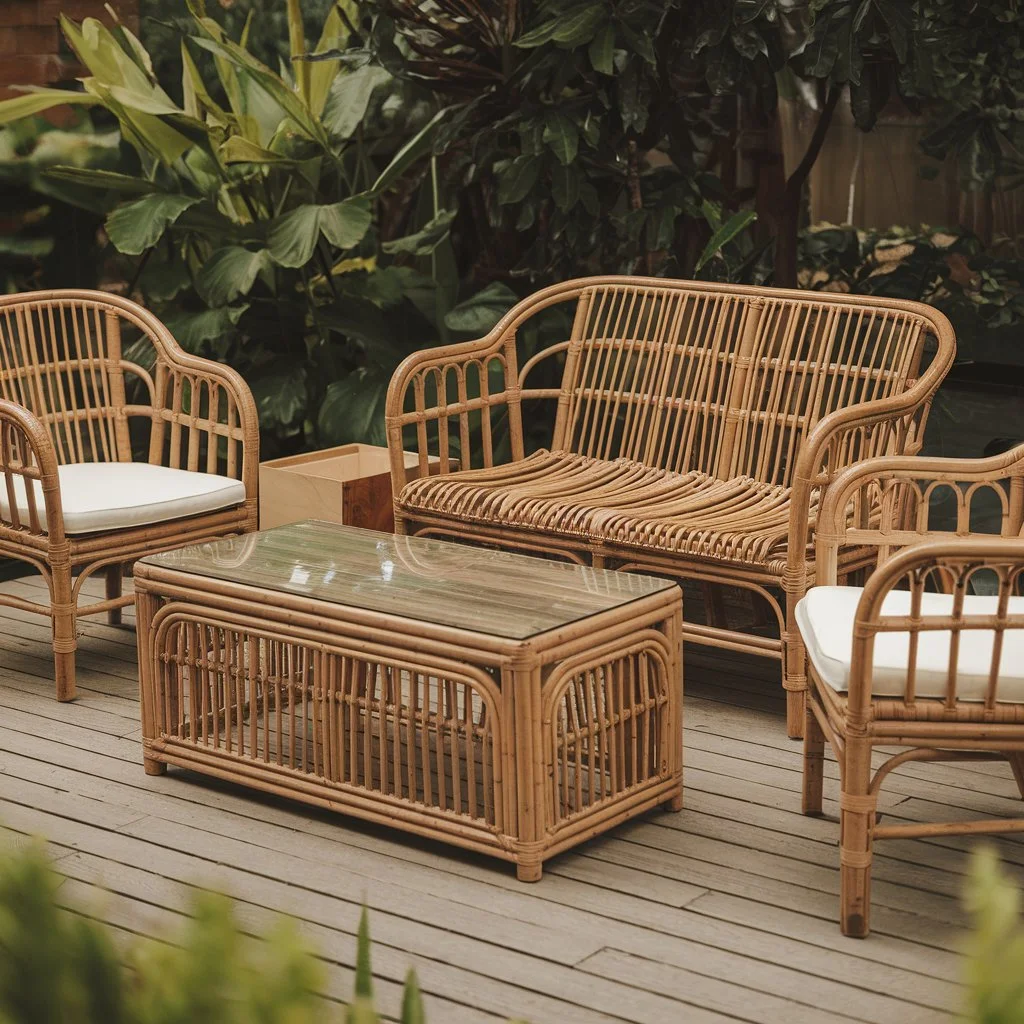
- Natural look: Rattan has a distinctive natural, warm and welcoming appearance that works beautifully with plants, wood, stone and boho-style details. Rattan furniture can therefore become the heart of any garden, adding elegance without overwhelming the space.
- A range of styles: Rattan furniture comes in many forms, from classic, elegant sofas to modern, minimalist armchairs and tables. Its versatility means rattan works just as well in rustic gardens as it does in modern, industrial-style settings.
Rattan pairs beautifully with other natural materials, such as wood and linen, helping you create a cohesive, eco-friendly space.
Alternatives to rattan – synthetic rattan and other eco-friendly materials.
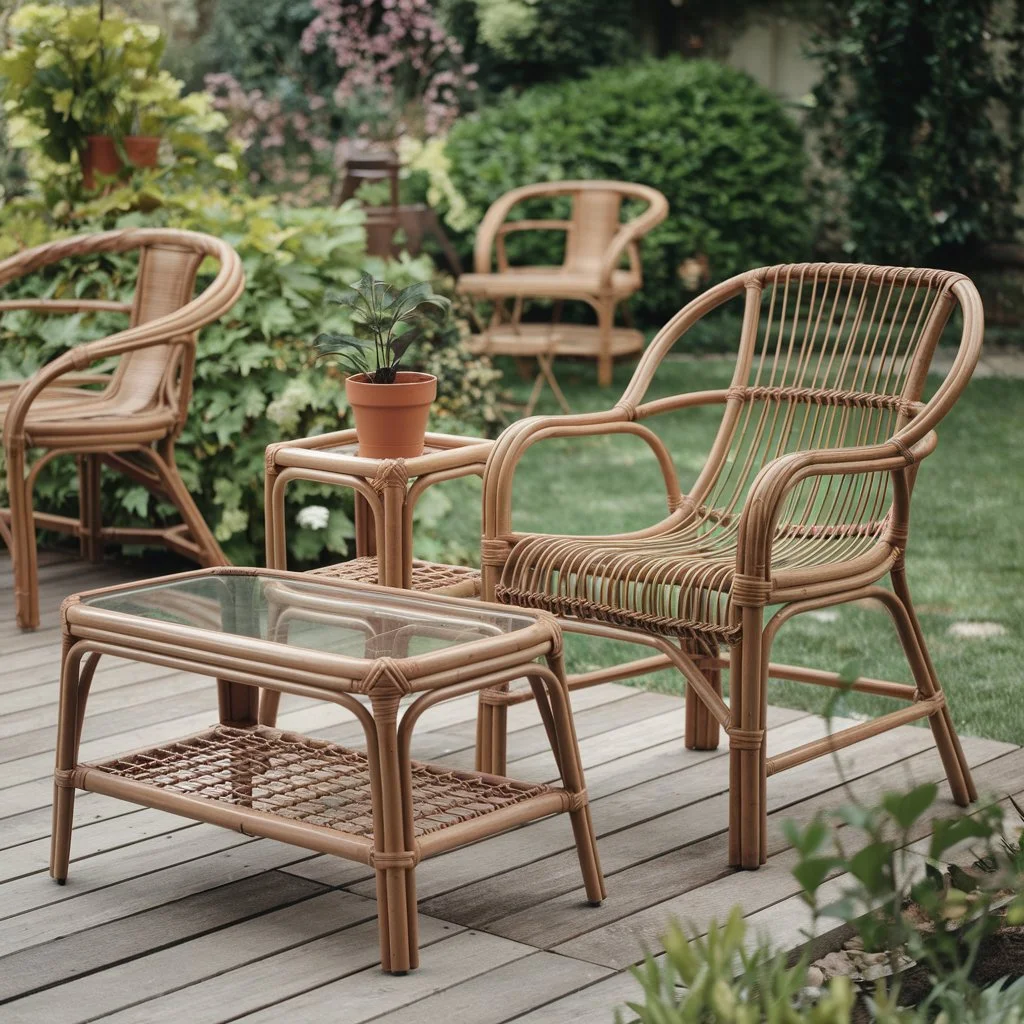
Although rattan is an excellent choice for an eco-style garden, it may not always be the best option, particularly in very humid locations or in strong sunlight. It’s therefore worth considering alternatives that offer a similar look but are more resistant to the weather.
Synthetic rattan – an eco-friendly alternative:
Synthetic rattan is a man-made alternative to natural rattan, combining a natural look with greater durability and resistance to external conditions. Although it is a synthetic material, modern manufacturing technology means it is often chosen by people looking to create an attractive yet durable garden space.
The benefits of synthetic rattan:
- Weather resistance: Synthetic rattan is waterproof and resistant to UV radiation and temperature changes, making it an ideal choice for gardens exposed to challenging weather conditions.
- Easy to maintain: Unlike natural rattan, synthetic rattan requires no special maintenance. Simply clean it regularly with soap and water to keep the furniture looking like new for many years.
Wood and other natural materials:
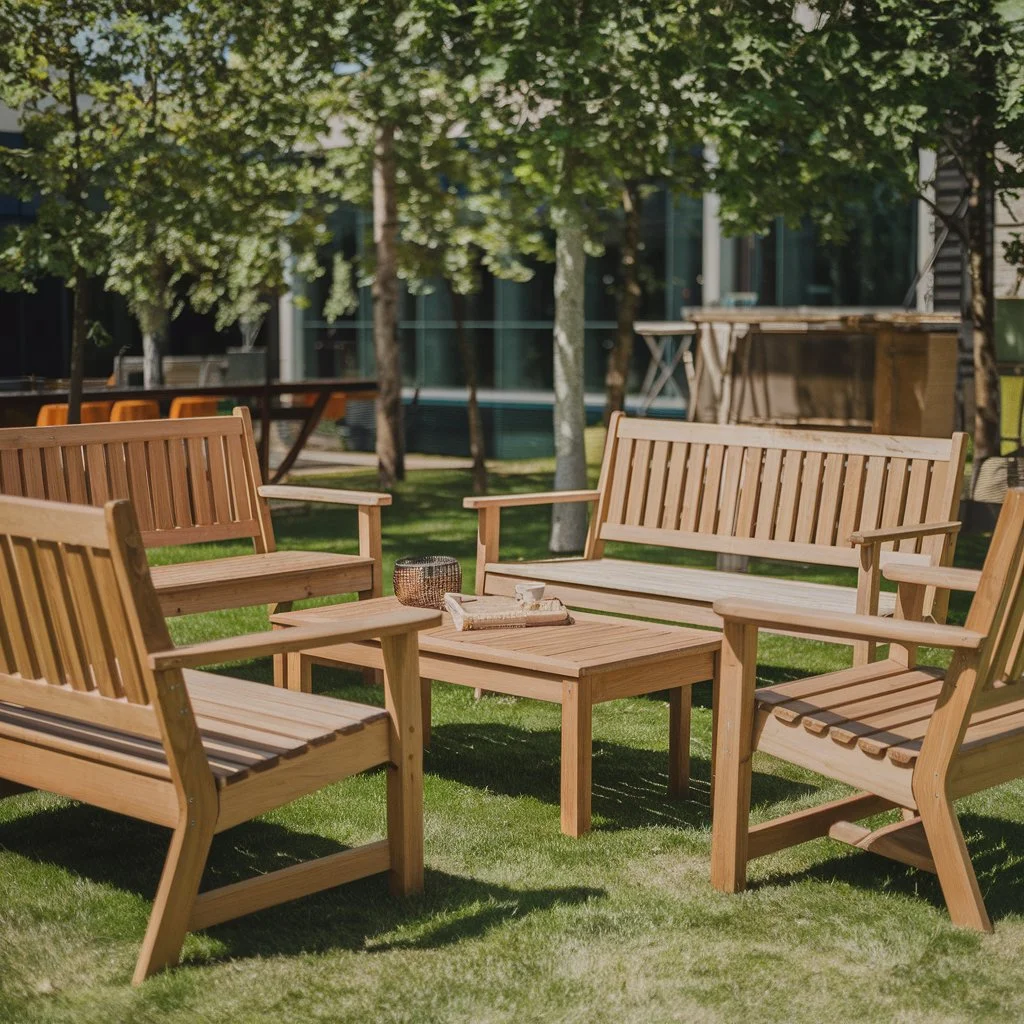
Wooden furniture can also be an eco-friendly choice for the garden, especially if it is made from FSC-certified timber, which guarantees that the wood comes from responsibly managed forests. Combined with natural fabrics such as linen or cotton, wooden furniture fits perfectly with the principles of eco-friendly design.
Rattan and eco style – how to create an eco-friendly garden?
When designing an eco-style garden, it’s worth considering not only your choice of eco-friendly furniture, but also other aspects that will help create a sustainable space. Rattan fits perfectly into the concept of a sustainable garden, but there are a few additional principles to bear in mind to make your outdoor space even more eco-friendly.
A few practical tips for creating an eco-friendly garden:
- Choose local plants: To reduce your carbon footprint and limit water use, choose local plant species that are suited to the climate in your area. These plants will need less maintenance and be more resistant to disease.
- Reduce the use of chemicals: Eco-friendly gardening avoids chemical fertilisers and pesticides. Instead, you can use natural plant protection methods such as composting, mulching and organic plant protection products.
- Sustainable furniture production: When buying rattan furniture, it is worth checking whether the manufacturer uses sustainable practices to source the rattan and whether production complies with fair trade principles. By choosing certified products, you support businesses that care about protecting the environment.
Summary.
Rattan furniture is an excellent choice for an eco-friendly garden – it combines a natural look with durability and environmental benefits. By choosing rattan, you support sustainable sourcing practices, create an environmentally friendly space and gain stylish, comfortable furniture. However, rattan is just one of many eco-friendly materials, so it is worth considering other options too, such as technorattan or FSC-certified wood, to suit your individual needs and garden conditions. Your eco-friendly garden can be not only a place to relax, but also a reflection of your care for the environment. By choosing rattan furniture and other eco-friendly solutions, you create a space that is not only pleasing to the eye, but also supports the idea of sustainable development.
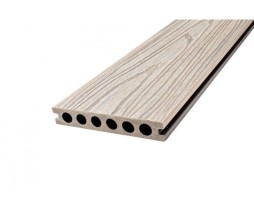
PREMIUM composite decking board 23x138 - 5.0 m
Price per 1 linear metre board: 24.85 zł
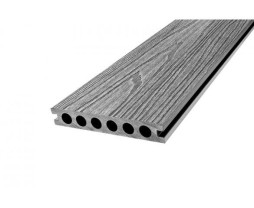
PREMIUM composite decking board 23x138 - 4.5 m
Price per 1 linear metre board: 24.85 zł
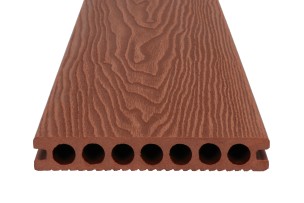
DUO composite decking board 23x148 - 4.5 m
Price per 1 linear metre board: 21.30 zł
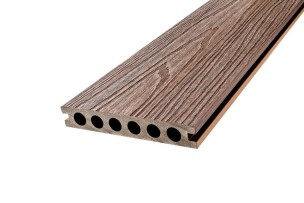
PREMIUM composite decking board 23x138 - 4.0 m
Price per 1 linear metre board: 24.85 zł