
Composite decking board fencing – a durable and attractive solution for years to come
Composite decking board fencing – discover the benefits, prices, step-by-step installation guide, and comparison with wood and metal.
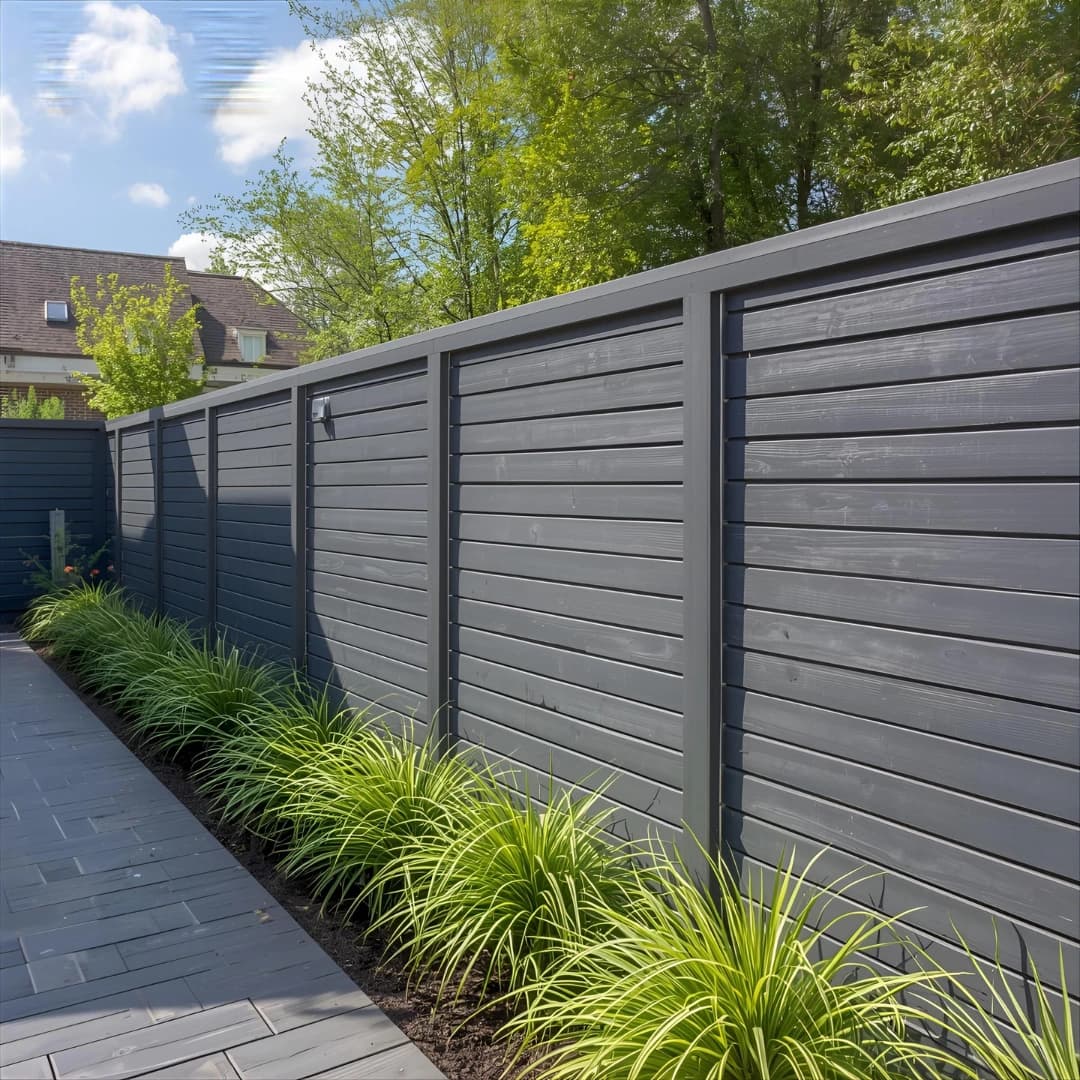
Choosing a fence is one of the most important decisions when building a home or landscaping a plot. It should provide protection and privacy while also highlighting the character of the property. Classic wooden and metal fences have been popular for years, but more and more people are opting for modern fencing made from composite decking. Why? Because it combines elegance, durability and practicality, making it a solution that lasts for years.
In this article, you’ll learn:
-
what composite decking is and what its benefits are,
-
which tools and materials you’ll need for installation,
-
how to prepare and install a fence step by step,
-
how much this type of fencing costs and how it compares with other options,
-
how to care for your fence so it looks its best for decades.
1. Why choose a fence made from composite decking?
Composite decking (WPC – Wood Plastic Composite) is made from a mixture of wood flour and polymers. This means it combines the natural look of wood with the durability of plastics.
Benefits of fencing made from composite decking:
-
Durability – resistant to rain, frost, UV radiation and insects.
-
Easy to maintain – no painting or treatment required.
-
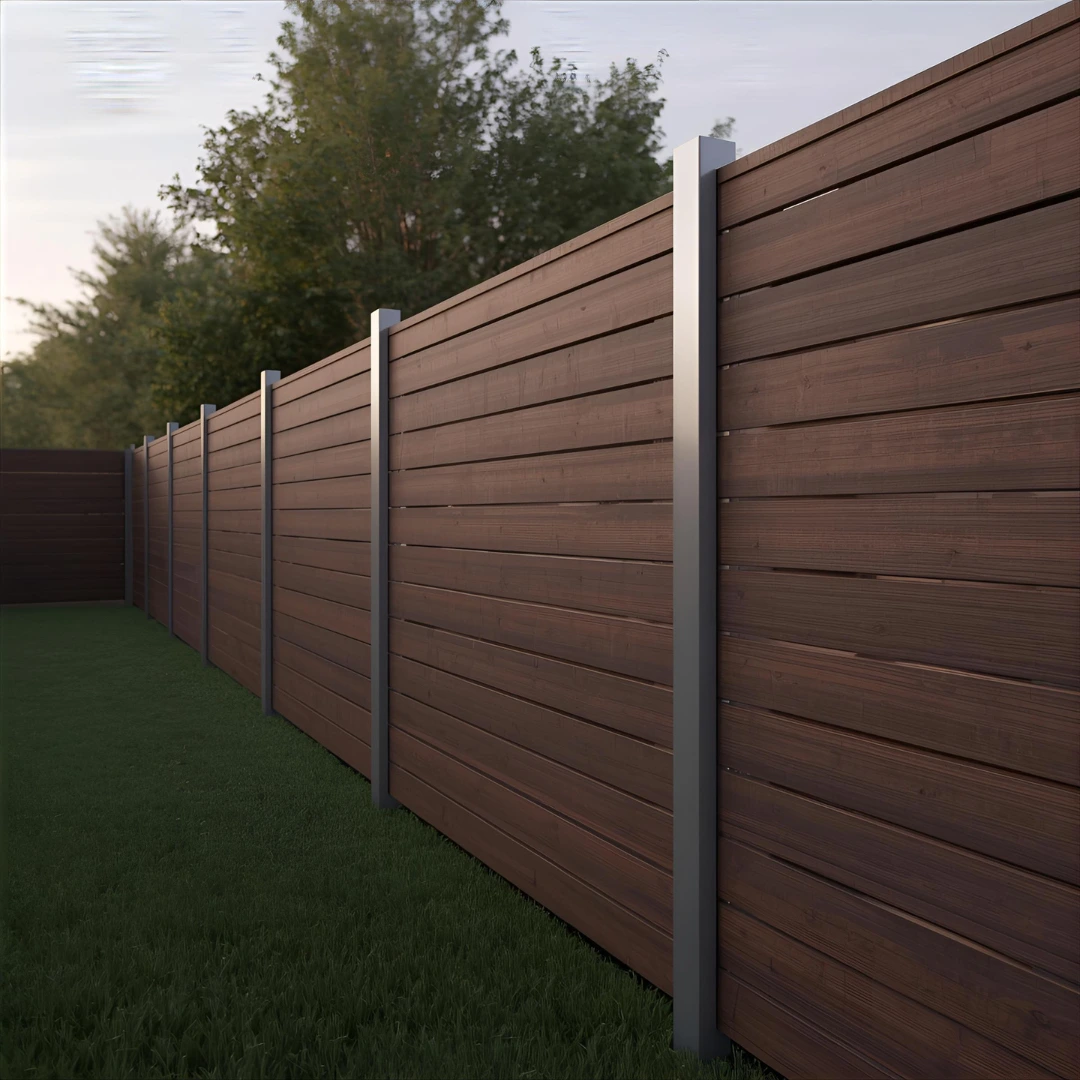
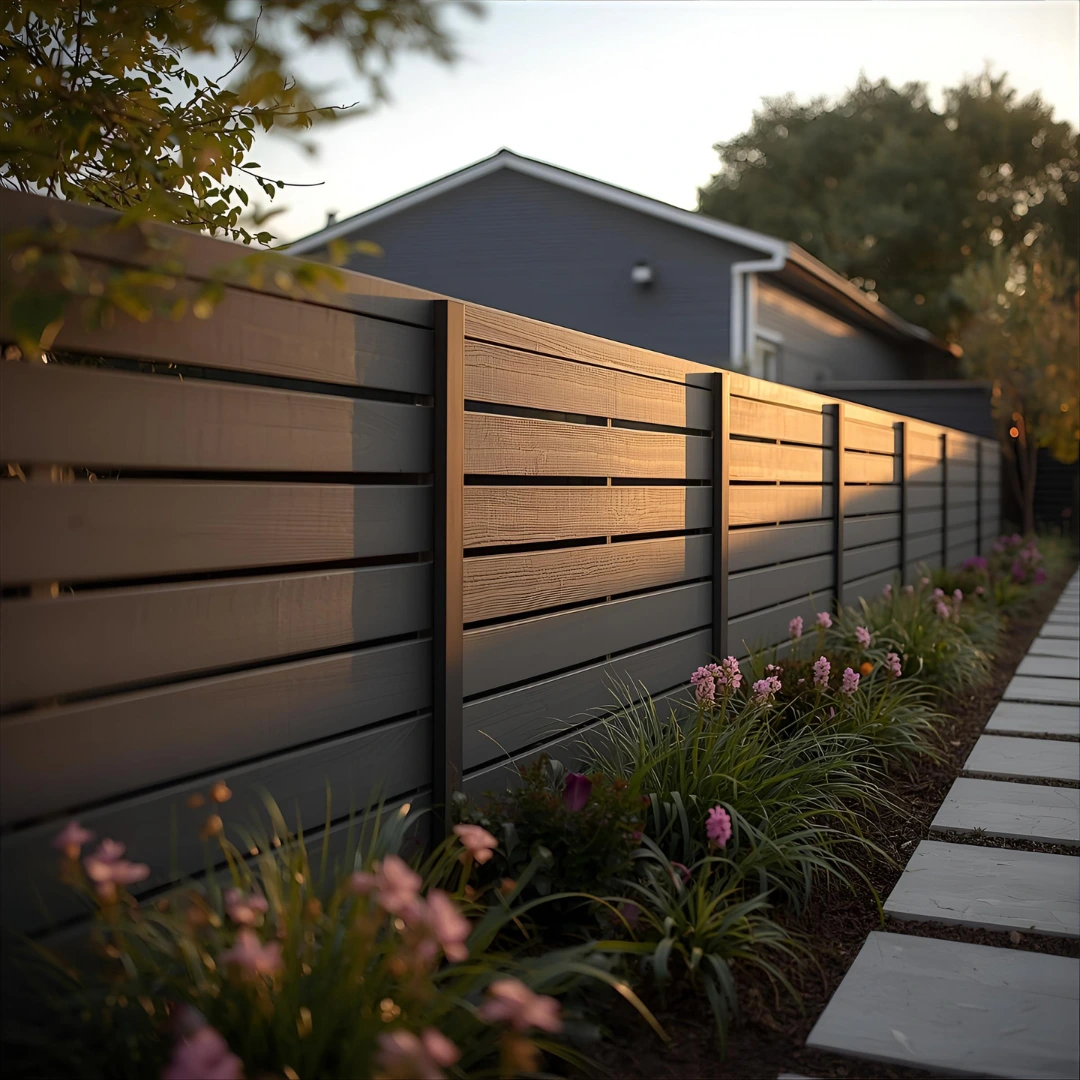
Appearance – a natural, elegant look, available in a wide range of colours.
-
Eco-friendly – many manufacturers use recycled wood and plastic.
-
Privacy – close-fitting panels effectively screen you from neighbours and the street.
💡 Good to know: traditional wooden fences need treating and painting every 2–3 years to maintain their appearance. With composite fencing, an occasional wash with water is all it takes.
2. Composite decking compared with traditional materials – a comparison
| Material | Advantages | Disadvantages | Cost (PLN/m²) |
|---|---|---|---|
| Wood | natural look, warmth | requires treatment, susceptible to moisture | 150–300 |
| Metal | durable, modern design | corrosion, needs painting | 200–500 |
| Concrete | solid, durable | difficult to install, austere appearance | 250–450 |
| Composite decking | durable, no maintenance, attractive appearance | higher initial cost | 300–600 |
As you can see, fences made from composite decking cost a little more upfront, but their low maintenance costs make them much better value than wood or metal over 10–15 years.
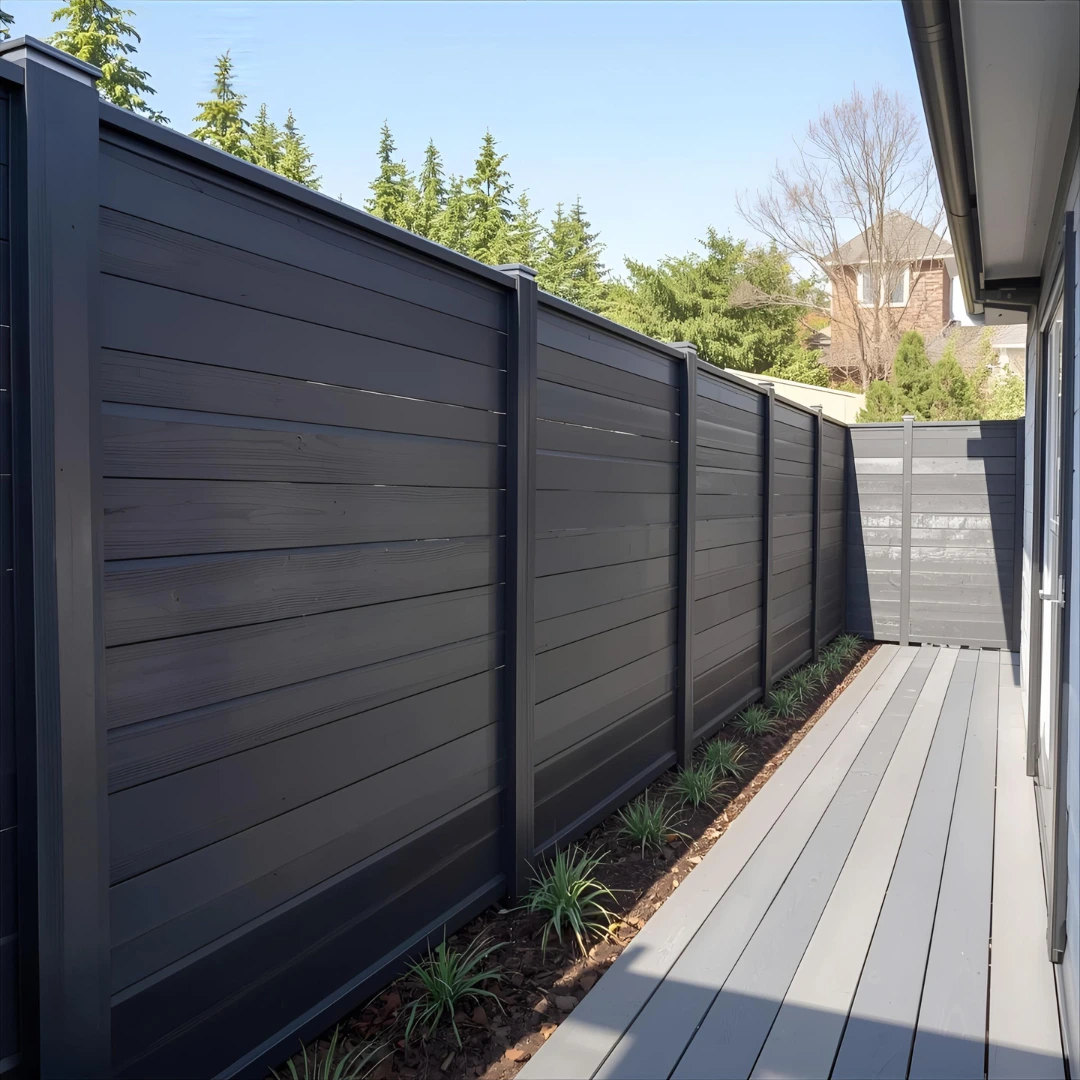
3. What tools and materials do you need to install a composite fence?
Building a fence requires the right materials and tools to be prepared.
Materials:
-
Composite decking boards – the main infill component.
-
Fence posts (steel or aluminium) – provide structural stability.
-
Profiles and finishing strips – give the fence a neat appearance.
-
Connectors and screws – corrosion-resistant, preferably stainless steel.
-
Concrete – for securing the posts in the ground.
Tools:
-
drill and screwdriver,
-
spirit level and tape measure,
-
grinder or saw for cutting the boards,
-
shovel and spade for digging the foundation holes,
-
rubber mallet for fitting the components.
4. Preparing the ground for the fence.
Before you start installation, prepare the ground properly:
-
Marking out the fence line – use a string line and pegs.
-
Digging holes for the posts – at least 60–80 cm deep to ensure the fence is stable.
-
Setting the posts in concrete – position the posts at even intervals (usually every 180–200 cm).
-
Allowing the concrete to dry – wait 2–3 days for the foundations to reach the required hardness.
5. Installing a fence made from composite decking – step by step.
Stage 1: Installing the posts
The posts form the basis of the structure. Make sure they are upright and at the same height.
Stage 2: Fixing the mounting profiles
Attach aluminium profiles to the posts to guide the boards.
Stage 3: Inserting the composite decking boards
The boards are fitted using a tongue-and-groove system, with each board sliding into the next. This makes the fence close-fitting and stable.
Stage 4: Finishing the fence
Fit capping strips along the top to protect the boards and give the whole fence an elegant finish.
6. How much does a fence made from composite decking cost?
The cost depends on:
-
the length and height of the fence,
-
the type of boards (solid, grooved, single-sided or double-sided),
-
the manufacturer and material quality,
-
labour costs (if you hire an installation team).
Indicative prices:
-
Composite decking boards: 150–300 PLN/m²,
-
Posts and accessories: 100–200 PLN/linear metre,
-
Professional installation: 80–150 PLN/linear metre.
For example: a fence 30 linear metres long and 1.8 m high costs from 12 to 20 thousand PLN.
7. How to care for a fence made from composite decking?
Unlike wood, composite does not need painting or treatment. Maintenance is limited to:
-
washing the fence with a garden hose,
-
removing stains (e.g. oil) with water and detergent,
-
checking the fixings and posts periodically.
💡 Pro tip: avoid harsh chemicals – they may discolour the surface.
8. The leading manufacturers of composite decking on the Polish market
If you’re choosing a fence made from composite, it’s worth choosing a reputable brand:
-
ProDeck – Polish manufacturer with a wide range of decking boards and fencing systems.
-
Twinson – Belgian brand, valued for its high quality and eco-friendly solutions.
-
Fiberdeck – boards resistant to scratches and weather conditions.
-
Gamrat WPC – durable, affordable decking and fencing systems.
9. Fences made from composite decking – frequently asked questions (FAQ)
Does composite fencing fade?
– Only slightly; it develops a natural shade over time, but good-quality boards retain their colour for years.
Can I install the fence myself?
– Yes, if you have basic tools and a little experience.
Is composite safe for children and pets?
– Yes, the boards have a smooth surface and do not splinter like wood.
Does composite fencing block noise?
– To a considerable extent, yes; close-fitting panels in particular reduce traffic noise.
Summary.
A fence made from composite decking is a modern, durable and attractive solution that works well for any home. Its resistance to the weather and low maintenance requirements make it an excellent alternative to wood, metal or concrete.
Although the initial cost may be higher, the investment soon pays for itself – you won’t spend time or money on painting or treatment. What’s more, modern composite fences combine privacy with an elegant appearance, giving your property a distinctive character.



