Comparison: Composite Decking Boards vs Wood in Winter – Which Should You Choose?
Wondering whether composite decking or wood is the better choice in winter? Discover the advantages, disadvantages and differences between these materials to make an informed decision.

Winter is when materials used on terraces, balconies and façades are put to the test. Frost, snow, damp and changing temperatures can have a significant impact on their durability, appearance and functionality. If you are planning to build a terrace or replace an old surface, you are probably wondering which material is the best choice: composite decking boards or natural timber?
Composite decking boards and timber are the two most popular options for finishing outdoor spaces. Both materials have their advantages, but they behave differently in harsh winter conditions. Winter is a real test for them, putting their appearance and durability to the test. In this article, we compare composite decking boards and timber, looking at how they cope with the challenges of the cold and damp season. This will help you choose the material best suited to your needs.
How does timber differ from composite?
Timber is a natural material that has been used in construction and outdoor design for centuries. It has a unique charm, but requires regular care, particularly in harsh weather conditions such as winter frosts and snowfall.
Composite decking boards, on the other hand, may imitate the appearance of timber, but have completely different physical and chemical properties. This makes them more resistant to the weather and easier to maintain.
Durability in harsh winter conditions.
-
Composite decking boards.
Composite decking boards, made from a mixture of wood fibres and polymers, are highly resistant to harsh weather conditions. Their structure makes them less susceptible to absorbing moisture, meaning that water freezing inside them does not cause cracking or deformation. Composite is also resistant to UV radiation, helping it retain its colour and structure for many years, whatever the season.
-
Timber.
Natural timber, although beautiful and warm to the touch, is more susceptible to the effects of moisture and frost. In winter, timber can absorb water, which, combined with low temperatures, can lead to hairline cracks and deformation. For timber to survive the winter in good condition, it needs regular treatment and protection against moisture.
Verdict: Composite decking boards win when it comes to winter durability, as they withstand moisture and frost better without the need for additional maintenance.
Winter maintenance and care.
-
Composite decking boards.
Composite does not need intensive maintenance in winter. Simply clear snow regularly using soft tools, such as a plastic shovel or broom. Composite decking board surfaces are easy to clean: if they get dirty, water and a mild detergent are all you need.
-
Timber.
Timber needs more attention, particularly before and after winter. Before the winter season, it should be treated to minimise moisture absorption. Regularly removing snow and ice is essential, but care must be taken not to damage the timber surface. In spring, repainting or retreatment is often necessary to restore its appearance and protection.
Verdict: Composite decking boards take less effort and time to maintain, making them a more practical choice.
Appearance and aesthetics in winter conditions.
-
Composite decking boards.
Composite decking boards are available in a wide range of colours and patterns that imitate natural timber. Importantly, composite retains its colour and structure even after many years of use. It does not change appearance in winter due to moisture or frost, meaning that a terrace or balcony always looks attractive.
-
Timber.
Natural timber has a unique charm and warm appearance that is difficult to imitate. However, its appearance can suffer in winter. Moisture and low temperatures can cause discolouration, cracks and a dull surface. Timber needs regular maintenance to preserve its natural appeal.
Verdict: If you want an attractive finish without the effort, composite decking boards are the better option. However, lovers of natural timber may be willing to spend time caring for it.
Safety in winter.
-
Composite decking boards.
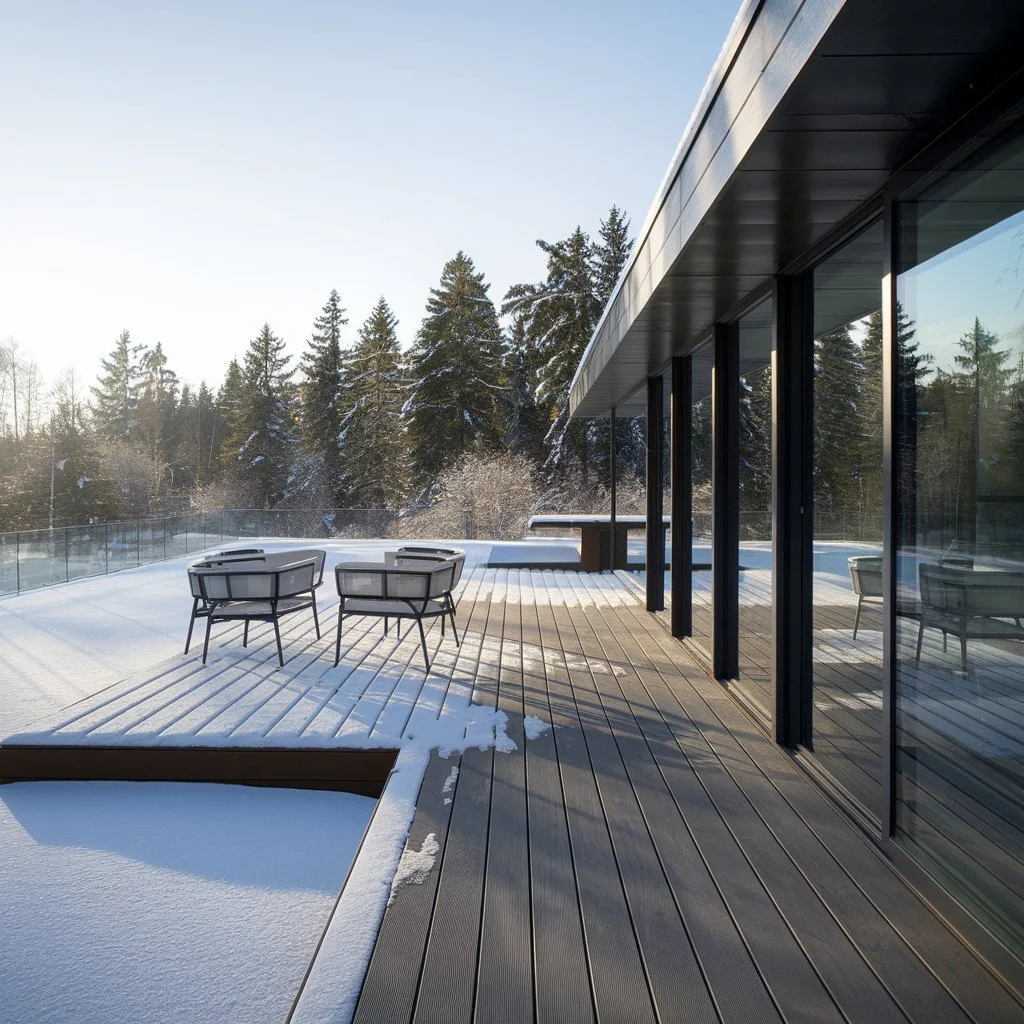
Composite is resistant to moisture, but its surface can become slippery in winter, particularly when frost or ice forms on it. To prevent slips, you can use non-slip mats or fine quartz sand.
-
Timber.
Timber can also become slippery, especially when covered with a layer of ice. The degree of slipperiness can vary depending on the type of timber and its finish. Anti-slip protection (e.g. special coatings) is often necessary.
Verdict: Both materials can be slippery in winter, but suitable protective measures can effectively minimise the risk.
Purchase and running costs.
-
Composite decking boards.
The initial cost of buying composite decking boards may be higher than that of timber, but they are cheaper to maintain. As composite does not need regular treatment, painting or repairs, it is an investment that pays off in the long term.
-
Timber.
Natural timber is often cheaper initially, but requires regular spending on treatment, painting or replacing damaged components. These costs can add up, particularly in harsh winter conditions.
Verdict: Composite decking boards are more cost-effective in the long term.
Ecology and environmental impact.
-
Composite decking boards.
Composite is an environmentally friendly material, particularly when made from recycled polymers and wood fibres. When choosing certified products, you can be sure that they comply with the principles of sustainable development.
-
Wood.
Natural wood is an environmentally friendly material, provided it comes from legal sources and certified plantations. However, its long-term use involves greater consumption of chemical preservatives, which can make it less environmentally friendly.
Verdict: Both materials can be environmentally friendly, but composite decking often comes out on top thanks to the use of recycled materials.
Comparison table: composite decking and wood in winter.
| Features | Composite decking | Wood |
| Moisture resistance | High | Low |
| Frost resistance | Very good | Average |
| Maintenance costs | Low | High |
| Appearance | Modern appearance | Natural, traditional appearance |
| Initial price | Higher | Lower |
Summary. What should you choose in winter?
Wood – who is it for?
Wood is an ideal choice for people who appreciate a natural look and classic style, and are prepared to devote time and money to its care. If you want a traditional aesthetic and can regularly treat your terrace with preservative, wood could be right for you.
Composite decking – who is it for?
Composite decking boards are an excellent solution for people looking for a durable, easy-to-maintain and safe material that copes well with harsh winter conditions. The higher initial price is offset by the absence of maintenance costs and a long service life.
Our recommendation.
If you live somewhere with harsh winters and practicality matters to you, choose composite decking. If, however, you cannot imagine a terrace without natural wood and are ready to take on the challenges of caring for it, wood could be a good choice. The final decision depends on your preferences, budget and how much time you can devote to keeping your terrace in excellent condition.
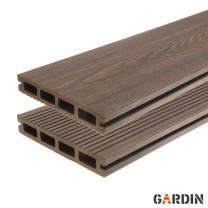
GARDIN NATUR composite decking board 23x146 - 3.0m
Price per 1 linear metre of board: 26,98 zł
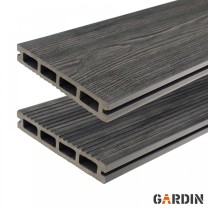
GARDIN NATUR composite decking board 23x146 - 2.0m
Price per 1 linear metre of board: 26,98 zł
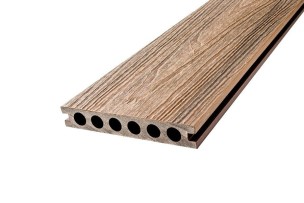
PREMIUM composite decking board 23x138 - 3.5 m
Price per 1 linear metre of board: 24,85 zł
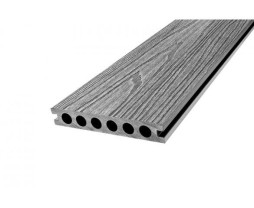
PREMIUM composite decking board 23x138 - 4.5 m
Price per 1 linear metre of board: 24,85 zł