
Scandinavian spruce, a budget-friendly alternative for a durable terrace.
Is Scandinavian spruce a good option for a decking area? Find out about the advantages, disadvantages and tips for using this budget-friendly yet durable timber.
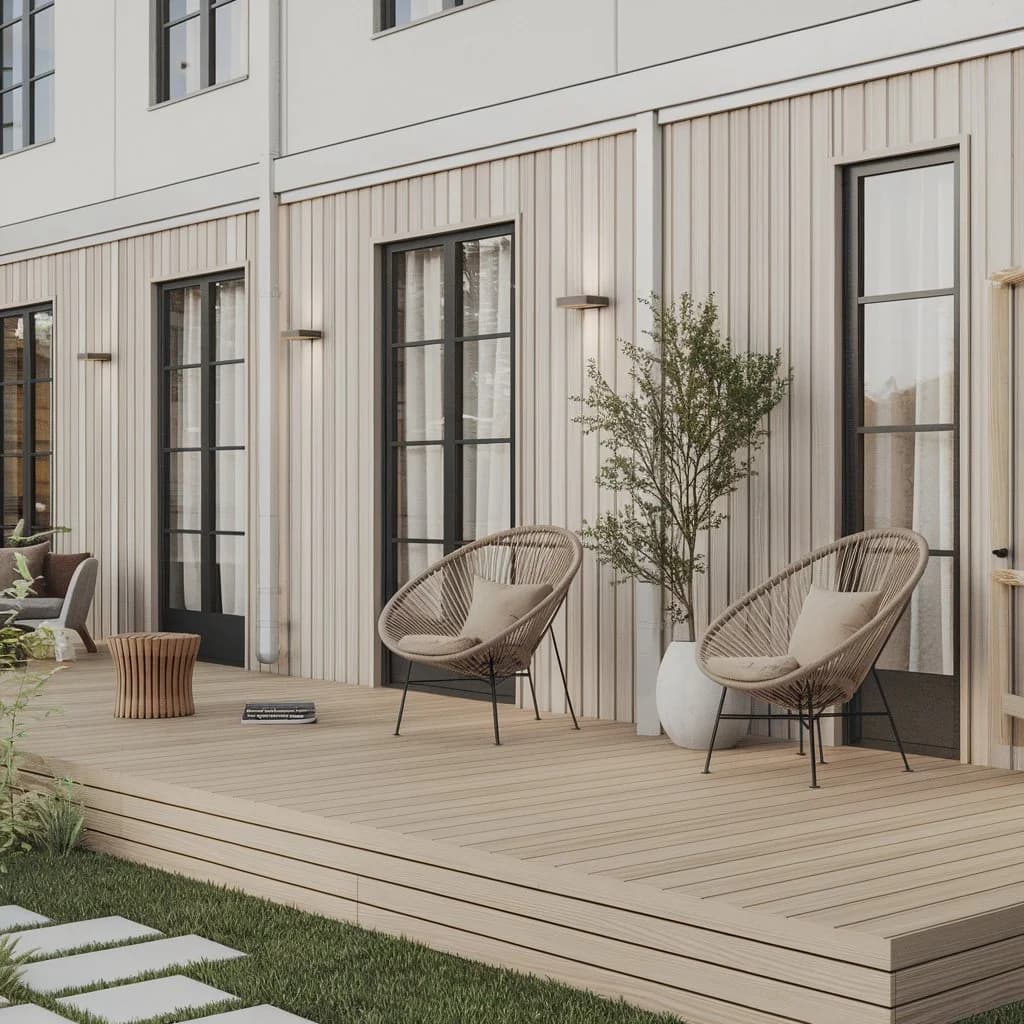
Building a patio is a dream for many people, but not everyone has a large budget for exotic wood species or premium composite decking boards. If you are looking for a solution that is not only affordable, but also durable and attractive, Scandinavian spruce is well worth considering. This wood, sourced from the northern regions of Europe, is gaining recognition among investors thanks to its strength, natural appearance and adaptability to a range of design styles. In this article, you will find detailed information about Scandinavian spruce as a decking material, its advantages and disadvantages, as well as tips on care and installation.
What is Scandinavian spruce?
Scandinavian spruce (Picea abies) is a coniferous wood species native to the forests of northern Europe, particularly in Scandinavian countries such as Sweden, Norway and Finland. Trees growing in a harsh, cold climate grow more slowly, which affects their structure – the wood is denser and more durable than spruce from warmer regions.
Why choose Scandinavian spruce for your patio?
Scandinavian spruce has several unique qualities that make it an excellent choice for a patio, particularly if you want a budget-friendly yet durable solution.
1. Affordable price.
Compared with exotic wood species such as bangkirai or merbau, Scandinavian spruce is much cheaper. It is an ideal choice for people who want to build a patio without stretching their budget.
2. Natural appearance.
Scandinavian spruce has a light, warm colour with visible grain, giving the patio a natural and welcoming appearance. Its aesthetic works beautifully with both modern and traditional garden designs.
3. Easy to work with.
Spruce wood is relatively soft, making it easy to cut, drill and install. This is particularly important if you are planning to build the patio yourself.
4. Good thermal insulation.
Scandinavian spruce does not heat up as much as composite decking or exotic wood, making it pleasant to the touch even on hot days.
5. An eco-friendly choice.
This wood comes from sustainably managed forests, making it more environmentally friendly than many other building materials.
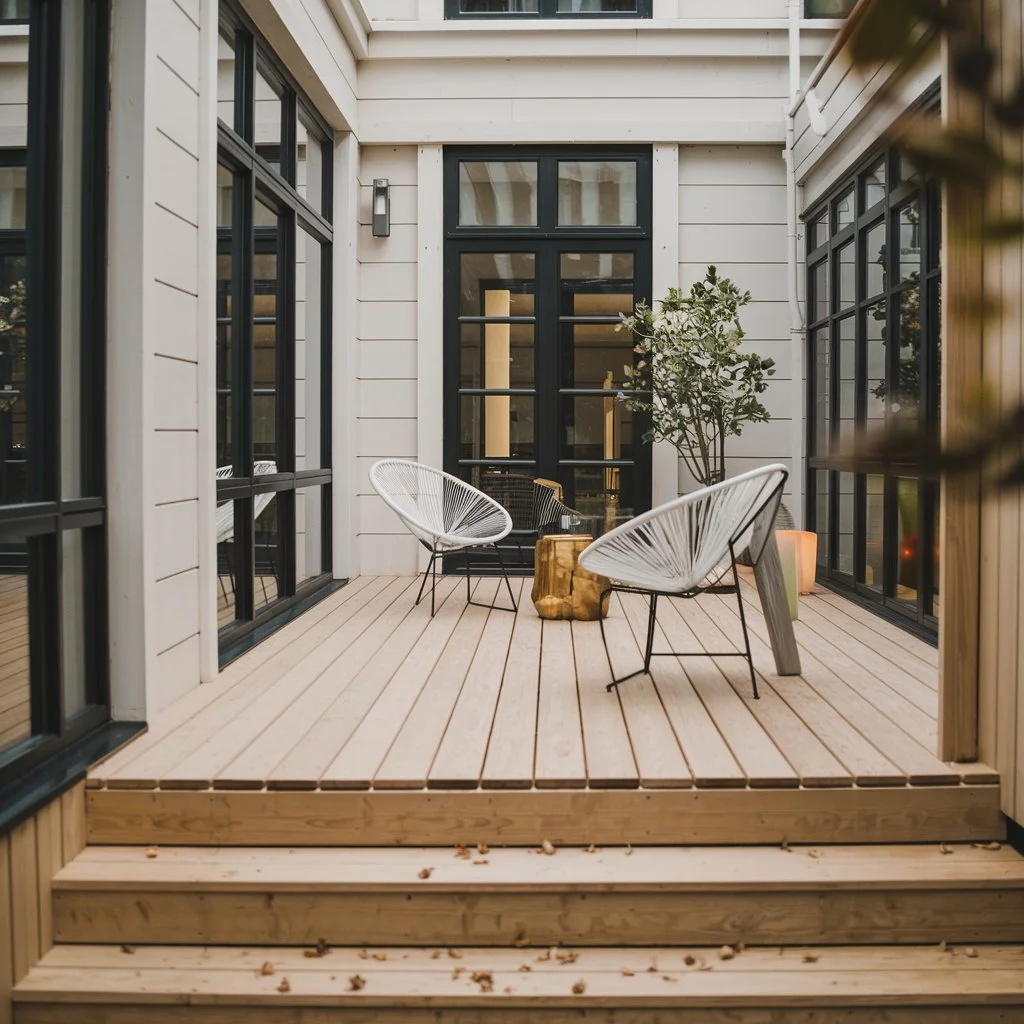
Disadvantages of Scandinavian spruce.
Although Scandinavian spruce has many advantages, it is also worth knowing about its potential drawbacks so that you can prepare accordingly and look after your patio.
1. Lower durability.
Compared with exotic wood species, Scandinavian spruce is less resistant to the effects of weather. Without proper impregnation and regular maintenance, it can deteriorate quickly.
2. Susceptibility to moisture.
Scandinavian spruce wood readily absorbs moisture, which can cause it to swell, warp and develop mould.
3. Soft material.
Although it is easy to work with, the soft structure of spruce makes it more susceptible to scratches and mechanical damage.
Comparing Scandinavian spruce with other materials.
It is worth knowing how Scandinavian spruce compares with other popular patio materials:
| Material | Price | Durability | Appearance | Maintenance |
| Scandinavian spruce | Low |
Medium |
Natural, light |
Regular |
| Exotic wood | High |
Very high |
Dark, elegant |
Less frequent |
|
Composite decking boards |
Medium |
High |
Modern, uniform |
Minimal |
|
Siberian larch |
Medium |
High |
Warm tone, natural |
Regular |
How to care for a Scandinavian spruce patio?
To enjoy a beautiful and durable patio for many years, proper wood care is essential. Here are a few key tips:
1. Impregnation.
Scandinavian spruce needs regular protection against moisture, fungi and UV radiation. It is recommended that you apply wood oils or specialist impregnating products twice a year – in spring and autumn.
2. Protection from the weather.
If possible, it is worth covering the patio or using garden furniture that protects the wood from rain and snow.
3. Cleaning.
Use a soft brush and mild detergents to remove dirt. Avoid harsh chemicals, which can damage the structure of the wood.
4. Regular inspections.
Check the condition of the wood every few months – look for cracks, mould or scratches. If necessary, carry out minor repairs or apply another coat of oil.
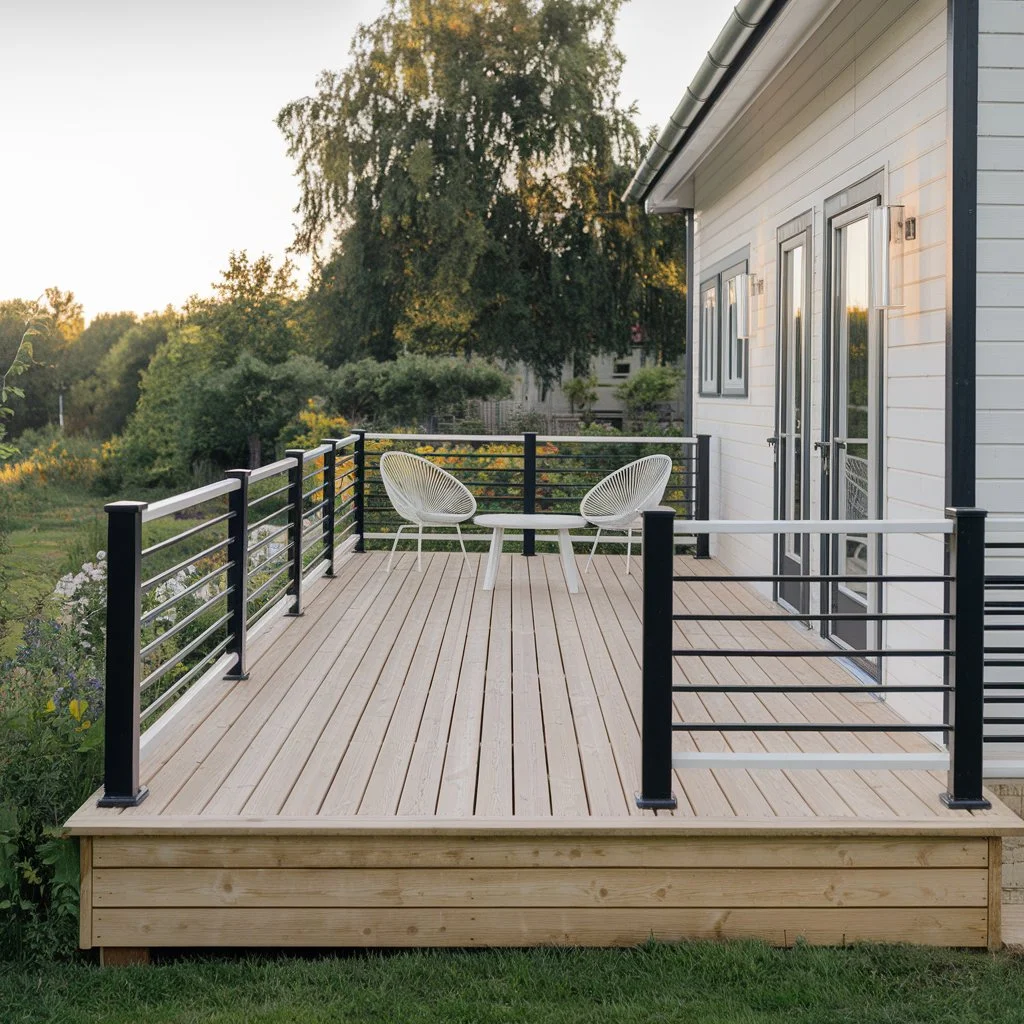
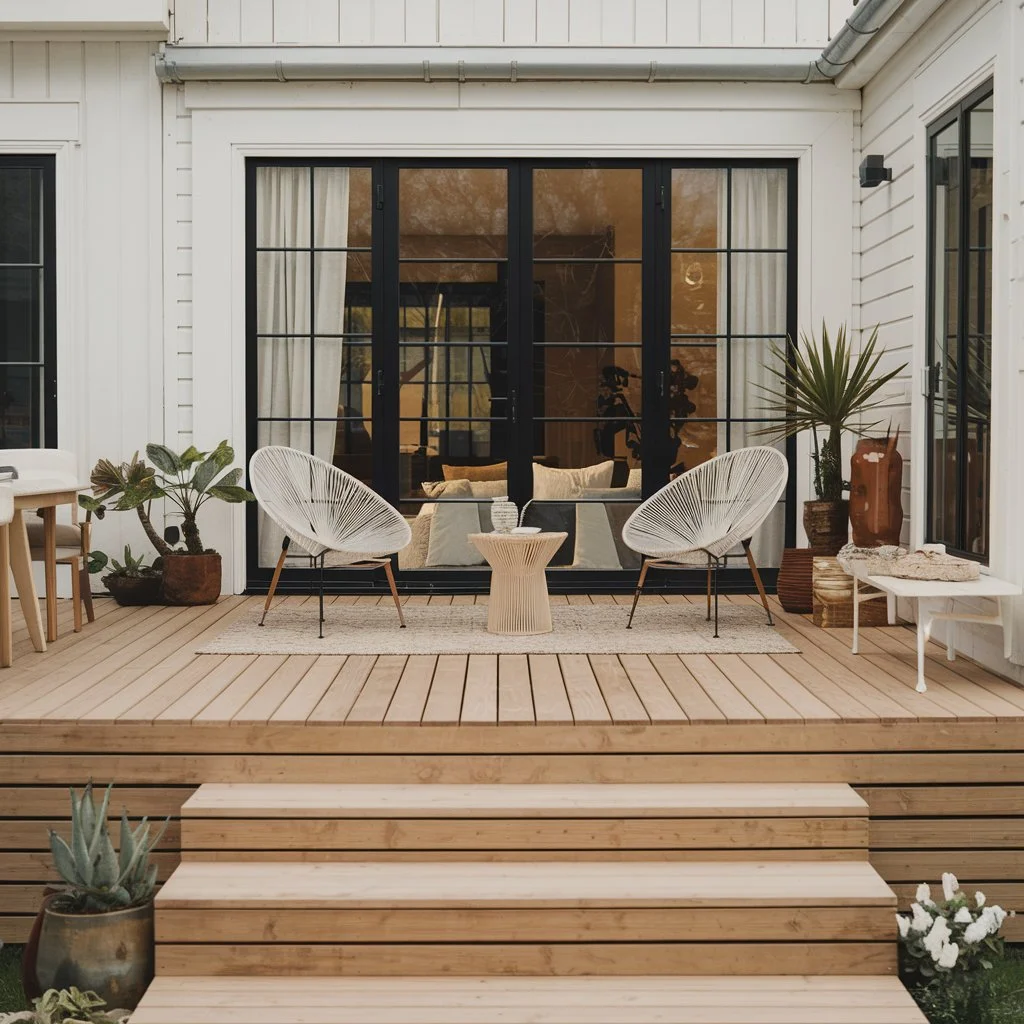
Summary – is Scandinavian spruce a good choice?
Scandinavian spruce is an excellent option for those looking for a budget-friendly yet attractive solution for their terrace. Its light, natural appearance and ease of working make it ideal for both modern and classic designs. However, remember that regular treatment and protection from the elements are essential to make full use of this wood's potential. If you want a terrace that will look beautiful for years, Scandinavian spruce may be the perfect choice – provided it is properly maintained.
FAQ – frequently asked questions.
1. Is Scandinavian spruce suitable for a year-round terrace?
Yes, but it requires regular treatment and protection from moisture and UV radiation.
2. How long does a Scandinavian spruce terrace last?
With proper care, the terrace can last for around 10-15 years.
3. Is Scandinavian spruce eco-friendly?
Yes, most of the wood comes from sustainably managed forests.
4. How often should Scandinavian spruce be treated?
It is recommended that it be treated twice a year – in spring and autumn.
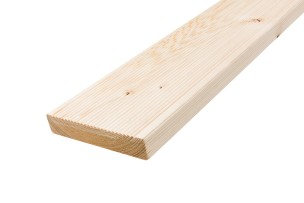
Scandinavian spruce decking board CLASS AB 28x145 fine ribbed/smooth 5.1 m
28 x 145 x 5100 [CLASS:AB]
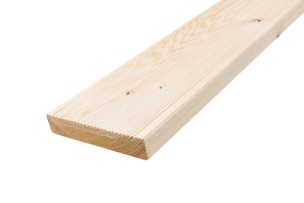
Scandinavian spruce decking board CLASS BC 28x145 fine ribbed/smooth 5.1 m
28 x 145 x 5100 [CLASS:BC]



