
Composite decking in coastal areas – is it resistant to salt and moisture?
Are composite decking boards a good choice for coastal areas? Find out how they cope with sea salt and moisture, and what their advantages and disadvantages are in challenging coastal conditions.
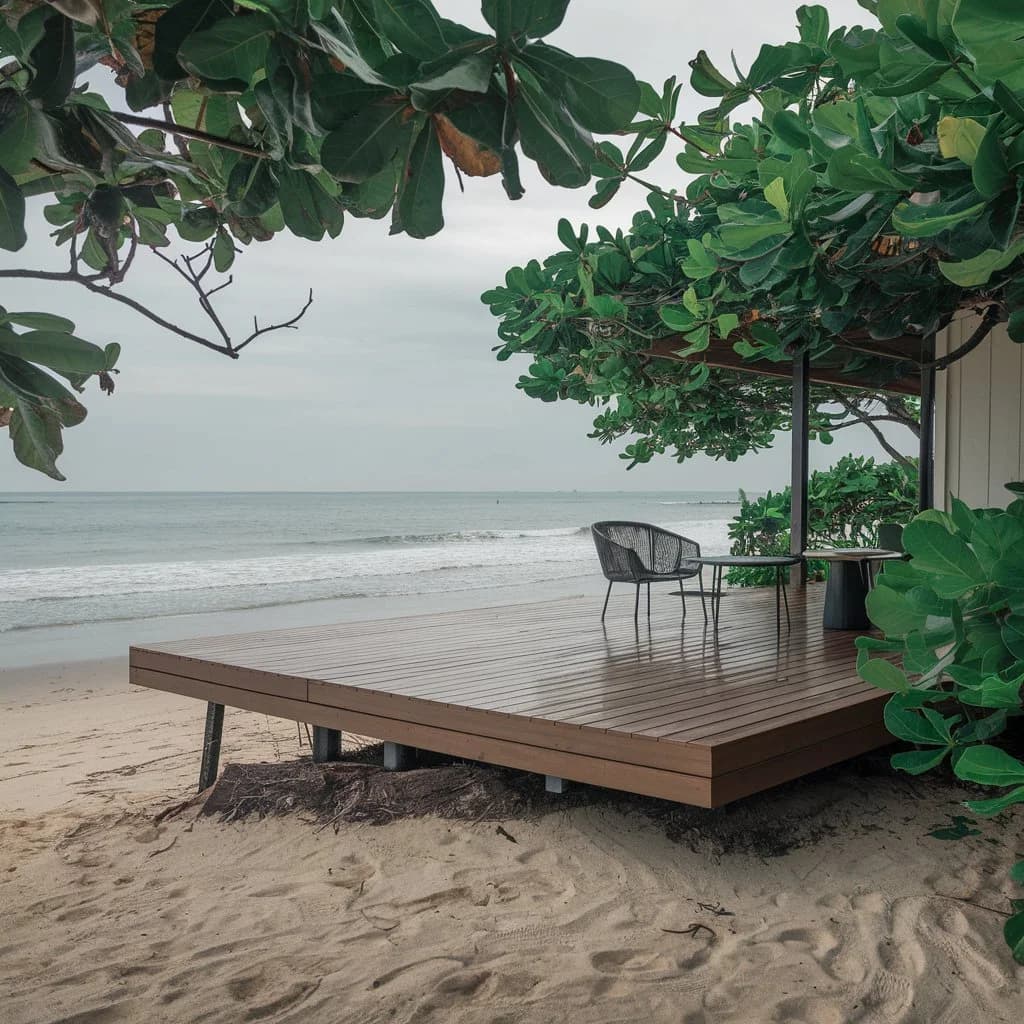
Choosing the right material for a terrace in coastal areas is no easy task. You need to take into account specific conditions, such as high humidity, extensive exposure to UV radiation and, above all, the presence of sea salt, which can lead to corrosion and damage to building materials. This is why more and more people are considering using composite decking boards on their terraces and balconies by the sea. But is this really a good solution? In this article, we take a closer look at how composite decking boards cope with harsh coastal conditions, what their advantages and disadvantages are, and what to consider when choosing this material.
Composite decking boards – what are they?
Before assessing how resistant composite decking boards are to sea salt and moisture, it is worth explaining what these boards actually are. Composite is a material made by combining wood fibres and plastic (most commonly polyethylene or polypropylene). This combination gives composite decking boards the appearance of wood, as well as greater resistance to external factors compared with traditional wooden boards. Composite decking boards are commonly used to build terraces, balconies and garden paths, as well as to clad building façades. Thanks to their properties, they are becoming increasingly popular, especially in harsh climatic conditions such as coastal areas.
Challenges for materials in coastal areas.
Coastal areas have unique conditions that can significantly affect the durability of building materials. The main challenges include:
- Sea salt: salt particles that settle on surfaces can cause corrosion of metal components, as well as damage wood and some synthetic materials.
- Moisture: air humidity in coastal areas is usually very high, encouraging the growth of mould and fungi and the faster ageing of materials.
- UV radiation: sunlight can be intense in coastal areas, which may cause colours to fade and weaken the structure of some materials.
- Changing temperatures: temperature fluctuations, especially at night, can affect material distortion, particularly if the materials have low thermal stability.
So the question is – can composite decking boards meet these challenges?
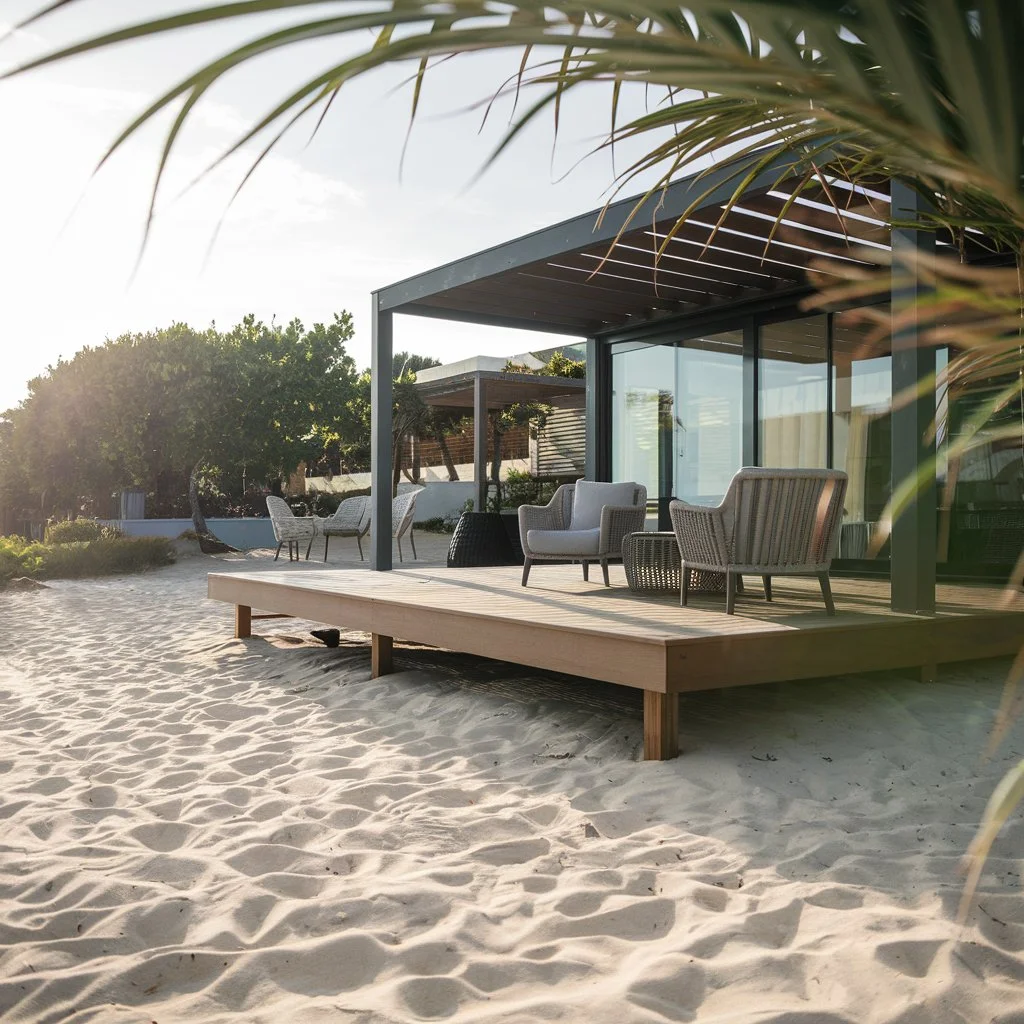
Resistance of composite decking boards to sea salt.
One of the biggest problems in coastal areas is sea salt, which can lead to corrosion and material degradation. Composite decking boards, thanks to their blend of plastics and wood fibres, are far more resistant to sea salt than traditional wood or steel.
- Corrosion: unlike metals, composite decking boards do not corrode when exposed to sea salt, making them long-lasting and more resistant to mechanical damage.
- Surface resistance: most composite decking boards have a non-porous surface, which makes it harder for salt and other contaminants to settle on them. This means that sea salt does not penetrate the material, and the boards do not wear out quickly.
Although composite decking boards perform very well in coastal conditions, it is worth cleaning them regularly to prevent salt from settling on their surface, which could affect their appearance and longevity.
Moisture and composite decking boards.
Air humidity by the sea is usually much higher than in other areas. High humidity can lead to mould, fungi and rot in traditional building materials. How do composite decking boards cope in these conditions?
- Resistance to mould and fungi: thanks to their structure, composite decking boards are less susceptible to mould and fungal growth than wood. Although moisture may affect their surface, it does not penetrate the board, minimising the risk of internal damage.
- No rotting: unlike wood, which can rot in damp conditions, composite decking boards do not decay. This is a major advantage in coastal conditions, where moisture is unavoidable.
However, it is worth remembering that for composite decking boards to last for many years, they should be installed in accordance with the manufacturer's recommendations, which take into account suitable gaps between the boards and water drainage systems. This allows air to circulate freely and prevents moisture from building up.
UV radiation – how does it affect composite decking boards?
Coastal areas often enjoy many sunny days, which is a major benefit for residents on the one hand, but can negatively affect building materials, including composite decking boards, on the other. UV radiation can cause colours to fade and weaken the structure of some materials. How do composite decking boards cope with this?
- UV resistance: most high-quality composite decking boards are coated with a special protective layer that shields them from the harmful effects of UV radiation. As a result, composite decking boards retain their colour and appearance for longer than natural wood.
- Colour stability: although any material exposed to the sun may fade slightly over time, composite decking boards fade much more slowly than traditional materials. However, it is worth choosing boards from reputable manufacturers who guarantee high quality and resistance to UV radiation.
Installing composite decking in coastal areas.
When deciding to install composite decking in a coastal area, several key aspects should be considered:
- Suitable foundations: in coastal conditions, moisture can penetrate the foundations, so it is important to prepare the deck properly, with a good water drainage system.
- Ventilation: composite decking boards should be installed with suitable gaps to allow air to circulate and moisture to evaporate. This will prevent water from accumulating beneath the deck, which could lead to problems with its stability.
- Protection against salt: although composite decking boards are resistant to the effects of sea salt, it is worth washing them regularly to prevent salt building up on the surface, which can affect their appearance.
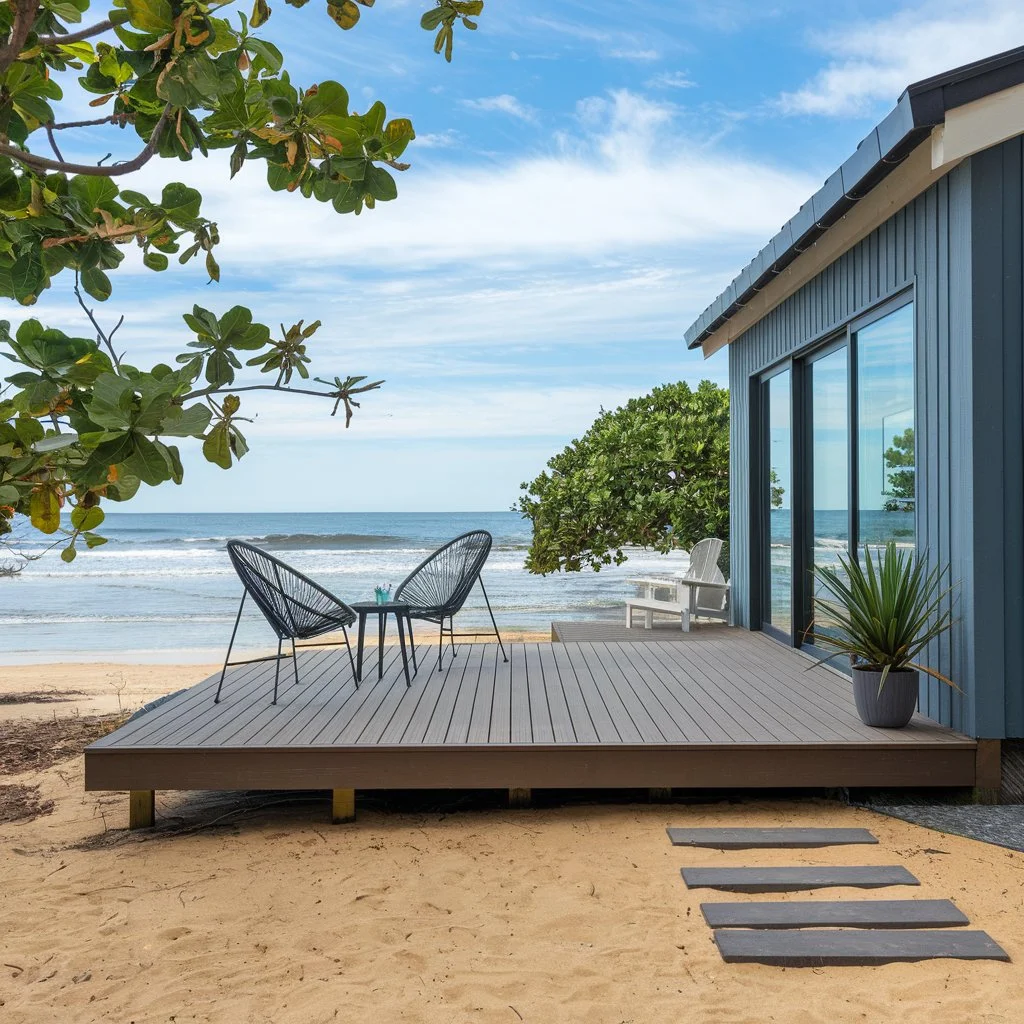
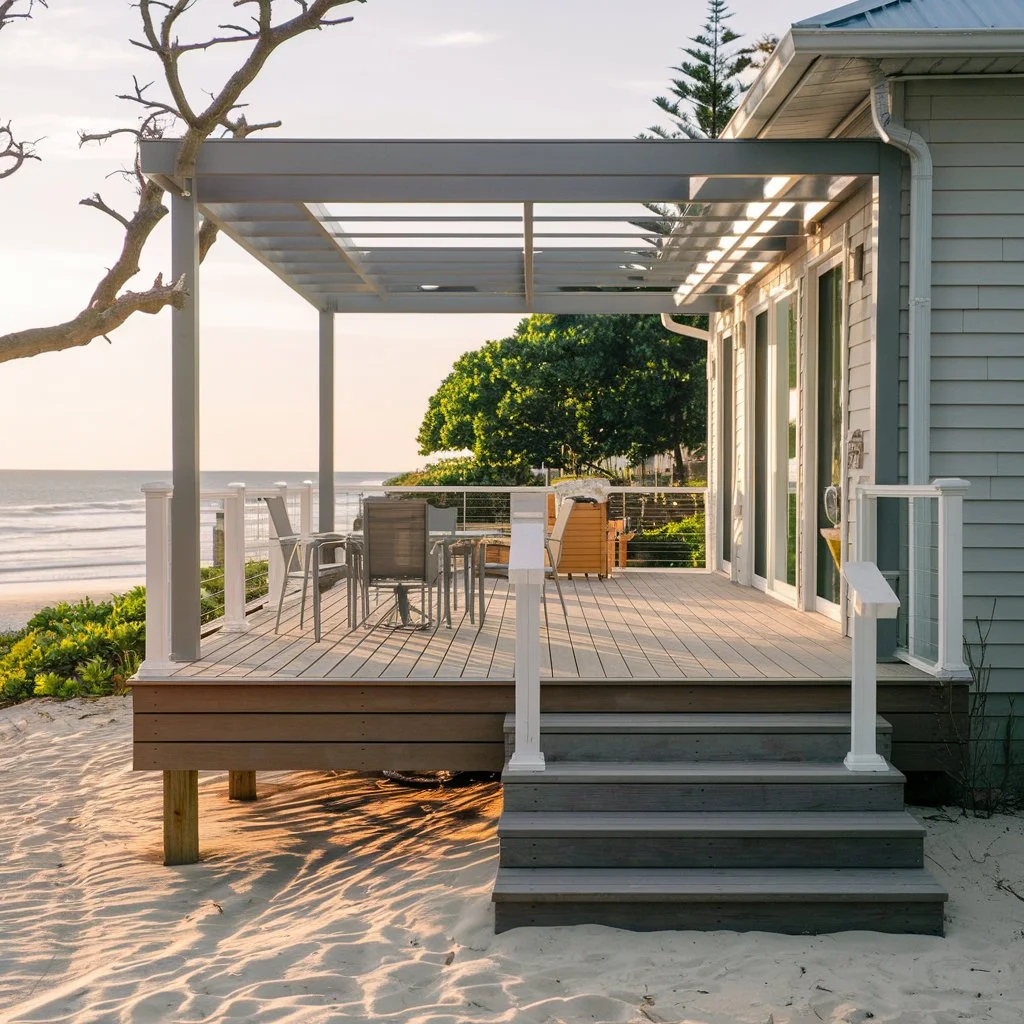
Disadvantages of using composite decking in coastal areas.
Although composite decking boards have many advantages, it is also worth considering potential disadvantages that may influence your decision to choose them:
- Higher initial cost: composite decking boards, especially high-quality ones, can be more expensive than traditional timber. However, in the longer term, this investment may prove worthwhile thanks to lower maintenance costs.
- Maintenance required: although composite decking boards are resistant to many external factors, they still require regular cleaning, especially in coastal areas, where salt and moisture can settle on their surface.
- Potential warping: although composite decking boards are resistant to moisture, they can warp in extreme conditions, particularly if they have not been installed correctly. That is why it is so important for installation to be carried out in accordance with the manufacturer's recommendations.
FAQ – Frequently asked questions.
1. Are composite decking boards suitable for use by the sea?
Yes, composite decking boards are resistant to sea salt, moisture and UV radiation, making them an excellent choice for coastal areas.
2. How often should composite decking boards by the sea be cleaned?
In coastal areas, it is recommended that the boards are cleaned regularly, at least once every few months, to remove accumulated salt and prevent it from settling on the surface.
3. Are composite decking boards more expensive than timber?
The initial cost of composite decking boards may be higher, but in the longer term they are more cost-effective thanks to their durability and minimal maintenance costs.
Summary.
Composite decking is an excellent choice for people living in coastal areas. Resistance to sea salt, moisture and UV radiation makes it durable and easy to maintain. Although the initial cost may be higher, the long-term savings resulting from lower maintenance costs, together with its attractive appearance, can make this investment worthwhile for many years.
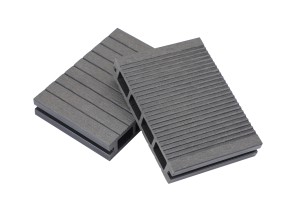
GARDPOL composite decking board 25x140 - 2,9 m
Price per 1 linear metre of board: 21,73 zł
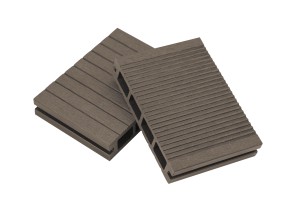
GARDPOL composite decking board 25x140 - 1,45 m
Price per 1 linear metre of board: 21,73 zł
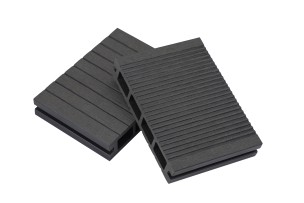
GARDPOL composite decking board 25x140 - 1,9 m
Price per 1 linear metre of board: 21,73 zł
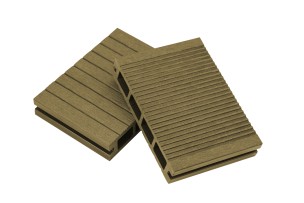
GARDPOL composite decking board 25x140 - 5,8 m
Price per 1 m of decking board: 21,73 zł



