
Tatas – a typo that leads to your dream terrace
“Tatas or terrace? A typo that leads to your dreams. Find out how to plan, build and finish the perfect terrace, step by step.”
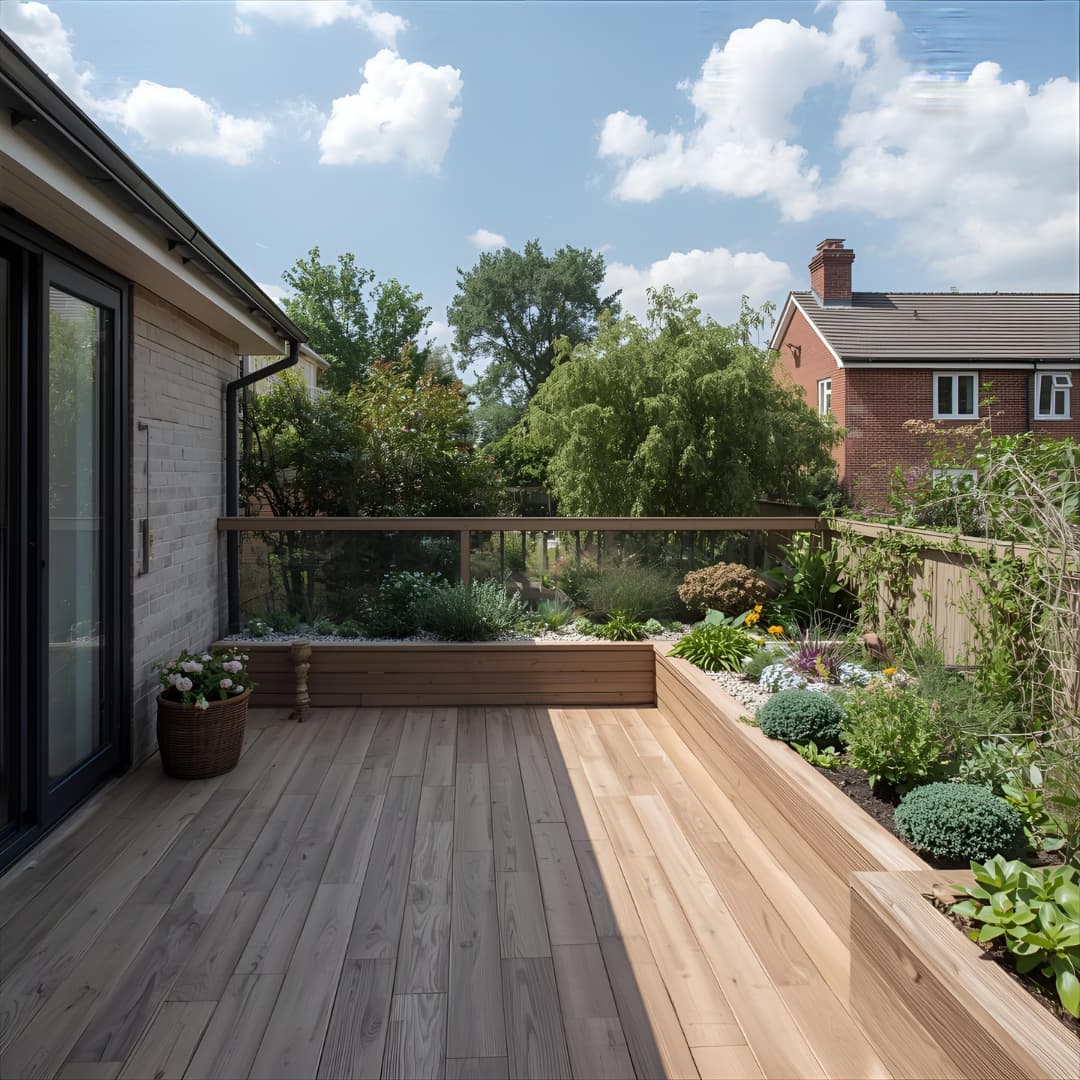
Sometimes a seemingly insignificant movement of a finger on the keyboard can change everything. Looking for patio inspiration, you type the Polish word “taras” (“patio”) into a search engine, and suddenly you see... “tatas”. Sounds funny? It does. But perhaps this very typo will mark the beginning of your journey towards your dream place to relax.
Because a patio is more than just a patch of flooring outside your home. It is the heart of summer living: a place to meet family and friends, enjoy morning coffees, have evening barbecues and unwind after work. So if the typo “tatas” has brought you here, it is a sign that it is time for a change.
In this guide, you will find out:
-
how to plan a patio so that it is functional and comfortable,
-
which materials work best in Polish conditions,
-
which tools you will need to build it,
-
how to complete the project step by step,
-
how much your dream patio will cost and how you can reduce the expense.
1. Patio – why is it worth having one?
A patio is more than an architectural feature. It is a space that connects your home with your garden.
The benefits of having a patio:
-
Relax outdoors – enjoy a coffee, a book or a sun lounger in the sunshine.
-
Space for get-togethers – the perfect place for a barbecue, family lunches or parties.
-
Increased property value – a home with a patio is more attractive to buyers.
-
Appearance – a well-designed patio adds charm to the whole property.
💡 Did you know? According to property market research, homes with a patio and a well-kept garden sell 15% faster on average.
2. Planning a patio – where to start?
Every patio starts with an idea, but to turn the typo “tatas” into a real patio, you need to take a practical approach.
Key questions:
-
Where should the patio be?
-
on the garden side,
-
next to the living room,
-
perhaps upstairs, as a terrace above the garage.
-
-
-
small patio (10–15 m²) – ideal for coffee and relaxation,
-
medium-sized (20–30 m²) – comfortable for family meals,
-
large (40+ m²) – with space for a table, barbecue, sun loungers and plants.
-
-
What will it be used for?
-
a relaxation area,
-
a summer dining area,
-
a play area for children.
-
-
Budget and timescale – are you planning to install it yourself or hire a team?
3. Which materials should you choose for your patio?
Choosing the material is one of the most important decisions. It determines the durability, appearance and cost.
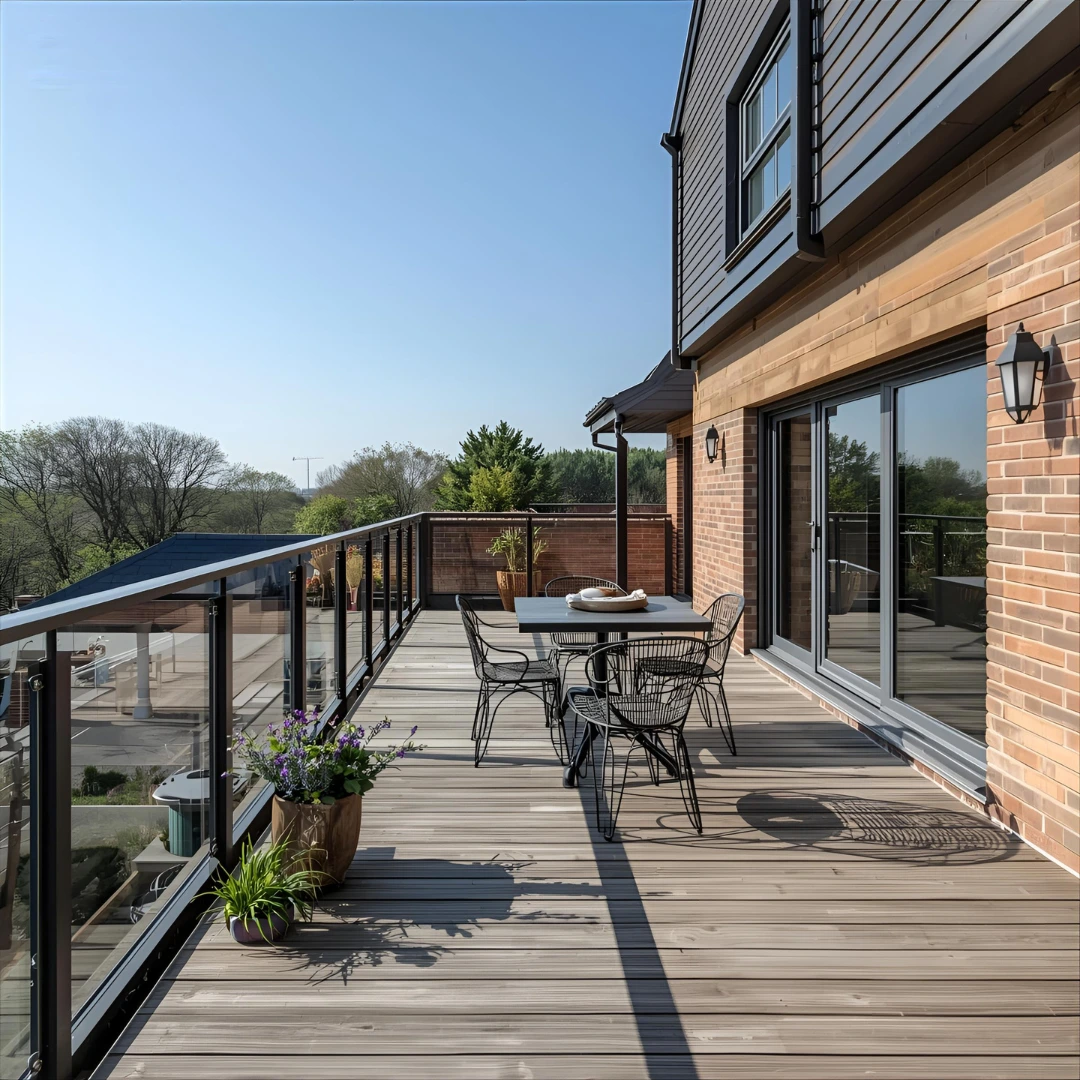
Wooden patio
-
Advantages: natural appearance, warm to the touch and pleasant to walk on barefoot.
-
Disadvantages: requires regular impregnation and is susceptible to weather conditions.
-
Recommended wood species: Siberian larch, exotic wood (bangkirai, teak).
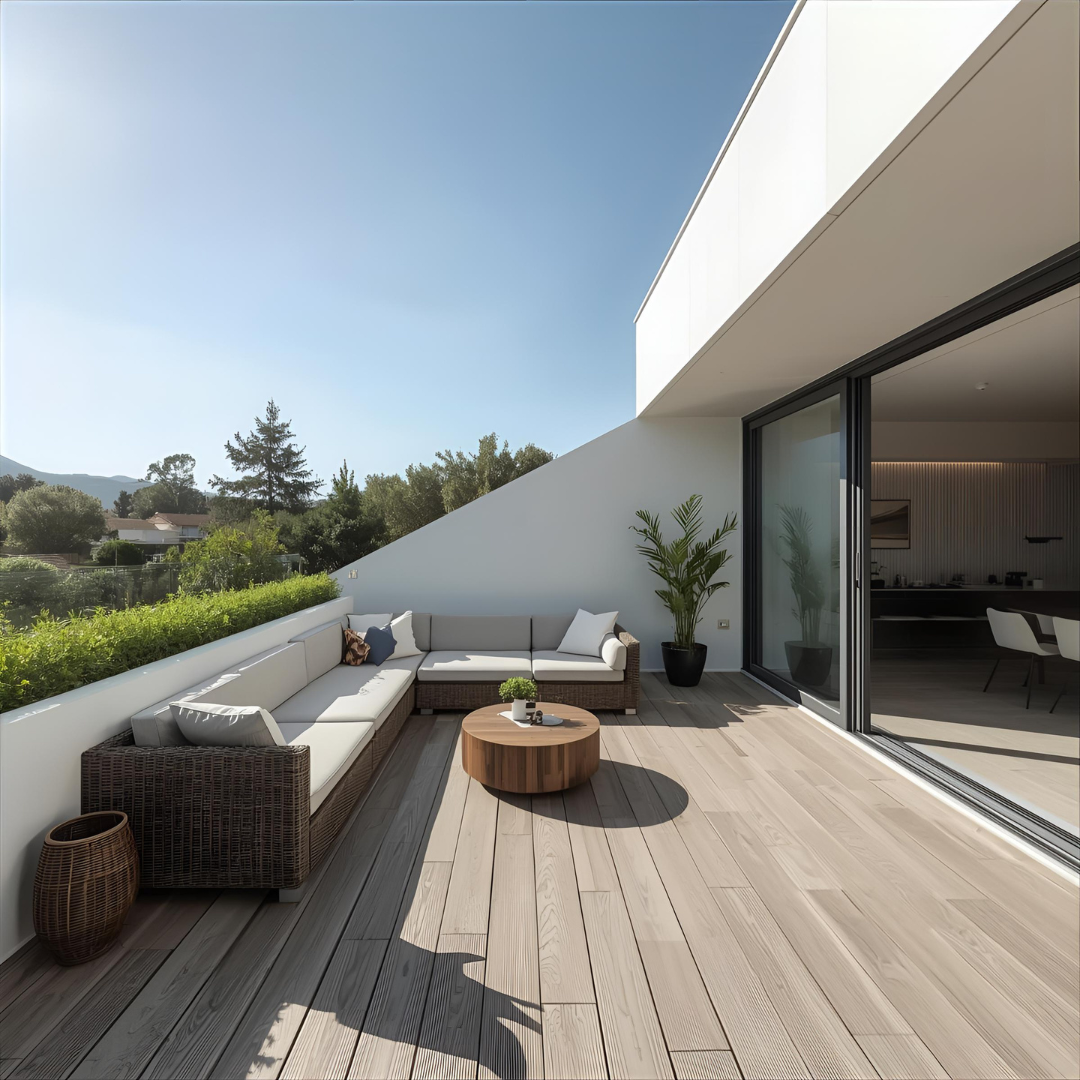
Composite decking (WPC boards)
-
Advantages: resistant to moisture and UV radiation, requires no treatment, easy to maintain.
-
Disadvantages: higher initial cost, less natural appearance than wood.
Porcelain tile terrace
-
Advantages: durable, resistant to frost and dirt, highly attractive.
-
Disadvantages: installation requires precision; the surface can be slippery in winter.
Concrete terrace
-
Advantages: stable, inexpensive to build, durable.
-
Disadvantages: austere appearance, requires an additional finish (e.g. tiles or decking boards).
💡 Recommendation: for those who value a natural feel – a wooden terrace. For those who prefer convenience and no maintenance – a composite terrace.
4. Tools needed to build a terrace
The list of tools varies depending on the material you choose, but the essentials are:
-
Drill and screwdriver – for assembling the structure.
-
Spirit level and tape measure – for precise measurements.
-
Circular saw or mitre saw – for cutting boards.
-
Hammer and rubber mallet – for fitting components into place.
-
Shovel and spade – for preparing the ground.
-
Builder’s line and pegs – for marking out levels.
-
Wire brush and wood treatment – if you choose wood.
5. Preparing the ground for a terrace
Without a solid base, even the best material cannot guarantee durability.
Preparation steps:
-
Removing the topsoil – the upper layer of soil containing roots.
-
Levelling the surface and laying a sand-and-gravel sub-base.
-
Compacting the soil – preferably using a mechanical compactor.
-
Damp-proofing – with building film or geotextile.
-
Pad foundations or a concrete slab – depending on the structure chosen.
6. Installing a terrace step by step
Wooden/composite terrace:
-
Prepare the joists – lay them on the pad foundations.
-
Space the joists 40–50 cm apart.
-
Screw the decking boards in parallel, leaving a 5–7 mm gap.
-
Protect the wood with treatment.
Porcelain tile terrace on supports:
-
Space the adjustable supports across the concrete slab.
-
Place the porcelain tiles on them.
-
Use a spirit level to check that the whole surface is level.
7. Finishing the terrace – lighting and accessories
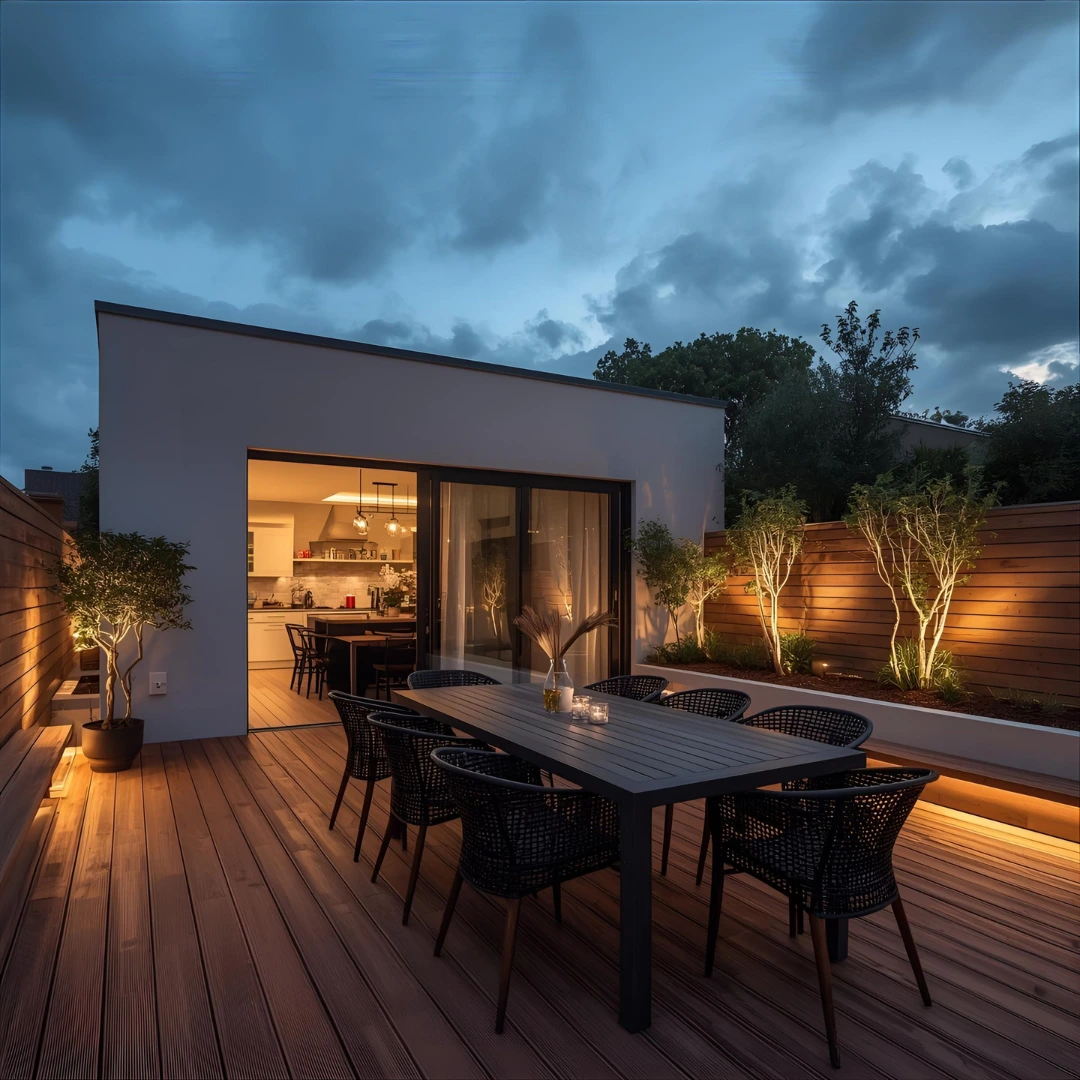
A terrace is more than just a floor. It’s also about atmosphere and functionality.
-
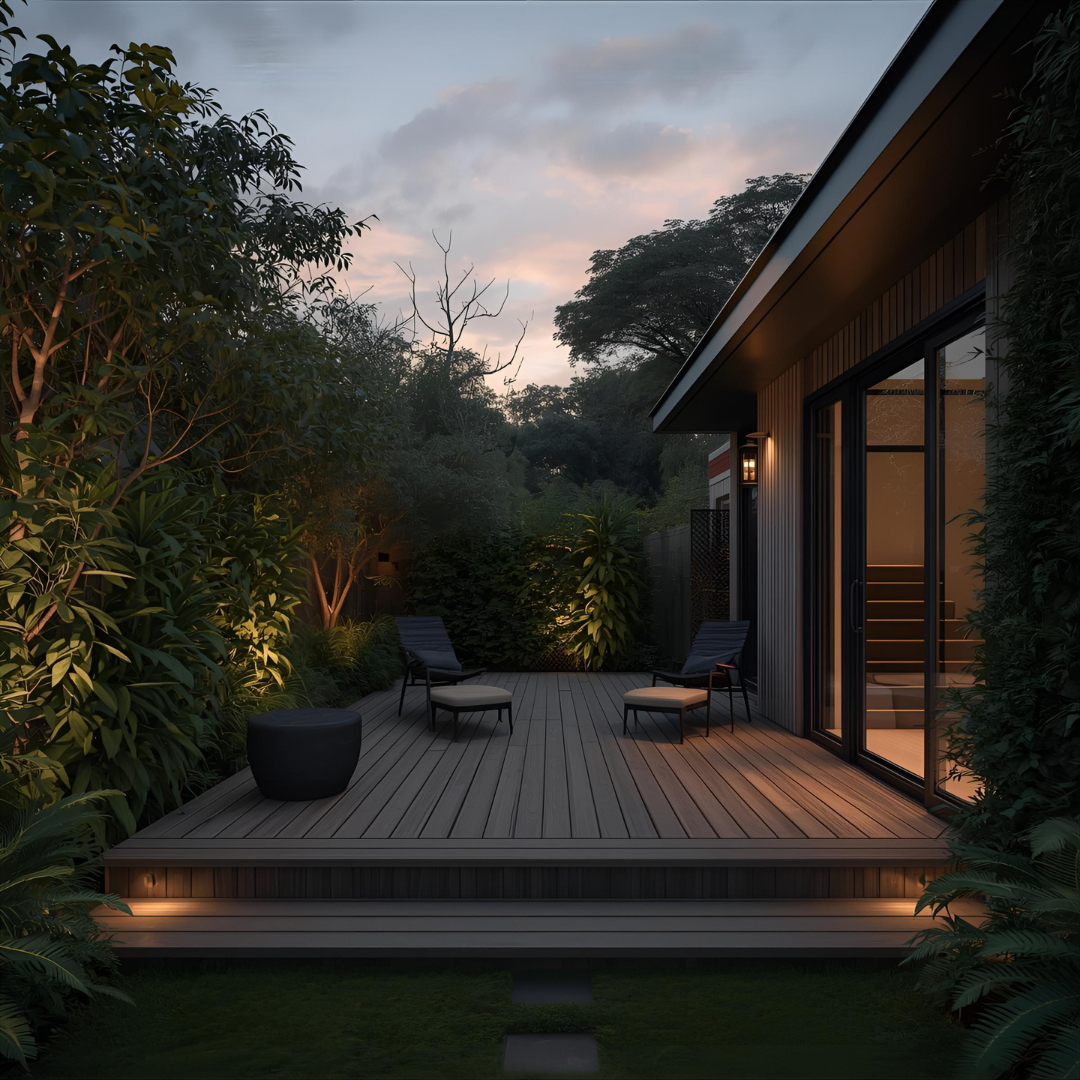
LED lighting – strips on stair risers, spotlights, string lights.
-
Terrace furniture – rattan, wooden or aluminium.
-
Plants in pots – add cosiness and a natural feel.
-
Canopy or pergola – protection from sun and rain.
-
Screens and dividers – provide privacy.
8. How much does it cost to build a terrace?
Prices depend on the materials and size:
-
Wooden terrace: PLN 250–500/m².
-
Composite terrace: 350–600 zł/m².
-
Porcelain paving terrace on pedestals: 400–700 zł/m².
-
Concrete terrace with finish: 200–400 zł/m².
Example: a 20 m² terrace costs between 5 and 12 thousand zł, depending on the choice of material.
9. How can you reduce the cost of building a terrace?
-
Buy materials from builders’ merchants.
-
Choose a simple design instead of multi-level structures.
-
Prepare the ground yourself.
-
Compare quotes from building teams – the differences can be significant.
-
Take advantage of seasonal offers on decking boards and porcelain paving.
10. How long does it take to build a terrace?
-
Ground preparation: 2–3 days.
-
Structure and flooring installation: 3–7 days.
-
Finishing and wood treatment: 1–2 days.
Building a terrace takes between one and two weeks in total, depending on its size and the weather.
Summary
One typo – “tatas” instead of “taras” – may have brought you here. But it could be the best mistake you’ve ever made. Because a terrace is more than just part of a house – it’s a place for get-togethers, relaxation and family life.
Whether you choose timber, composite, porcelain paving or concrete, the key to success is thorough ground preparation, choosing the right tools and careful workmanship.
The cost of building a terrace starts at a few thousand zł and can run to the teens of thousands – but a well-designed terrace is an investment for years to come that improves quality of life and increases property value.



